As a systems designer, I’ve seen it all. Balcony solar isn’t a gimmick—it’s a revolution in personal energy. But you MUST understand the rules. This is the definitive, no-nonsense guide.
My name is Suhas. I spend most of my time designing large, complex solar systems meant to take entire homes off the grid. But lately, the most exciting innovation I’ve seen isn’t on vast rooftops; it’s on the smallest of urban balconies.
This is the world of balcony solar, and it represents a massive shift in who gets to participate in the renewable energy transition. It’s a statement that you don’t need a sprawling roof to take control of a piece of your power.
With this excitement comes a flood of misinformation. Can you really power your life from a tiny balcony? Is it safe? Is it even legal? As an engineer, I feel a responsibility to cut through the noise—this is my definitive guide to doing it right.
What Is Balcony Solar? A Realistic First Look
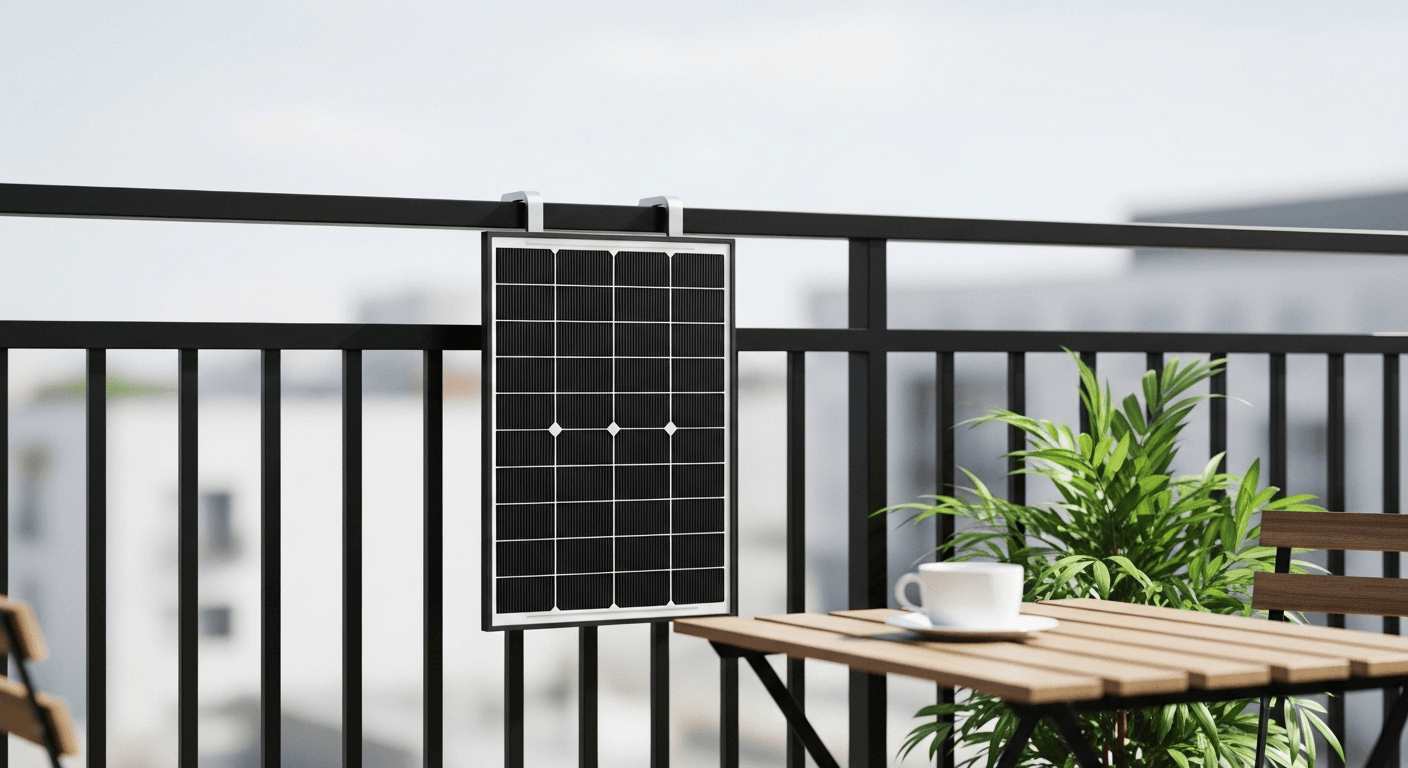
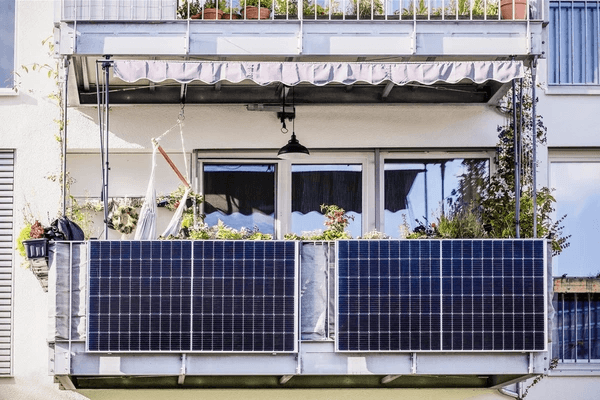
At its core, balcony solar (“balcony power plant” or “plug-in solar”) refers to a compact photovoltaic system designed for apartments, condos, and urban spaces—making clean energy truly accessible.
But let’s be honest: a balcony solar system will not run your entire apartment.
Balcony solar kits are best thought of as “solar appliances.” Their purpose: to intelligently offset specific energy loads, saving you money while giving you insight into your own consumption.
What You Can Realistically Power
Home Office: Run your laptop, monitor, phone, and internet router for free—during daylight.
Refrigerator: Offset the entire daytime consumption of your fridge, one of the biggest energy hogs at home.
Entertainment Center: By adding a battery, you can power your TV, sound system, or gaming console in the evening.
The ultimate goal: make a tangible dent in your electricity bill and take a real first step into personal energy production.
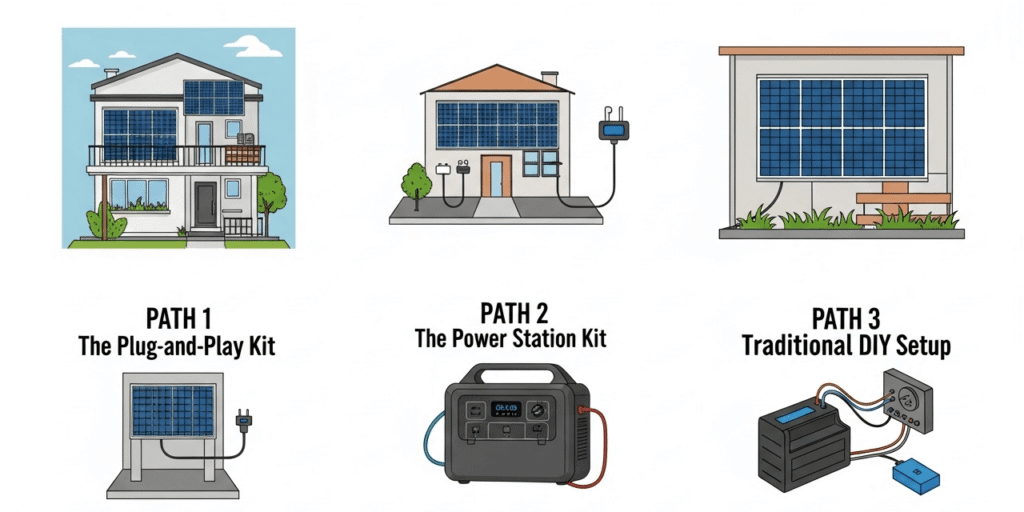
How It Works: The Three Paths to Balcony Power
The right system for you depends on your technical comfort, goals, and whether you’re a renter or owner.
Feature
Plug-in Microinverter
Power Station Kit
Traditional DIY
Primary Use
Bill Reduction
Backup & Portability
Hobby & Customization
Ease of Use
Excellent
Very Good
Difficult
Backup Power?
No
Yes
Yes
Path 1: The Plug-and-Play Kit
The most popular solution. Solar panels connect to a microinverter, which plugs directly into a standard wall socket. Your home’s grid will always use the solar power first.
An Expert’s Look: A Real-World Rooftop Installation
To see what a powerful, real-world plug-in microinverter system looks like, I highly recommend watching this fantastic, in-depth installation from Zach at JerryRigEverything. While he’s installing on a roof, the core technology—solar panels connecting to an EcoFlow Stream Microinverter which then powers the house through a standard wall plug—is identical to the principle of a balcony solar kit.
Pay close attention to the critical point he makes about the local laws in Utah. This is a perfect example of the legal and regulatory landscape we discussed.
My Analysis of This System:
As you can see, the biggest hurdle Zach faced wasn’t technical; it was legal and regulatory. The system is only possible because of a new law in Utah that allows for this type of grid interconnection. This is a powerful real-world illustration of why Step 1 in our Safety Checklist—checking your local laws—is the most important thing you can do.
Furthermore, his point about needing a smart, bi-directional meter (at 2:07 in the video) is crucial. Without one, your utility may actually charge you for the power you produce! This is the kind of expert detail that separates a successful project from a frustrating one.
Path 2: The Power Station Kit
The simplest for renters. Panels plug into a portable power station, charging its internal battery. You plug devices directly into the station. It’s a self-contained “solar generator.”
Path 3: The Traditional DIY Setup
For the hobbyist and experimenter. Purchase separate components (panels, charge controller, battery, inverter) and wire everything yourself. This approach offers customization and learning, but demands technical skill.
The Non-Negotiable Checklist: Your Step-by-Step Guide to a Safe & Legal Setup
Before investing a single dollar, take these critical steps:
Step 1: Get Permission and Check Local Laws
Speak with your landlord, building manager, or HOA—many have rules about what gets attached to railings.
Check your local electrical regulations. “Plug-in solar” is new ground in many regions.
A Global Snapshot of Solar Regulations
Country/Region
Typical Wattage Limit
Key Consideration
Germany
800W
The clear leader; simplified registration for small systems
United States
Varies by state/utility
May fall under “interconnection rules”; UL 1741 inverters essential
United Kingdom
3.68 kW (total)
Notification required to the District Network Operator
Australia
Varies
Governed by local utility rules, sign-off often needed
Step 2: Mount the Panels Securely (My Personal Plea)
A quick story: An engineer friend once witnessed a poorly installed panel—secured by plastic zip ties on a high-rise railing. During a windstorm, this rigid panel became a dangerous projectile. Never improvise: always use the manufacturer’s recommended, wind-rated mounting kit. This is about safety, not style.
Step 3: Connect and Monitor
Once securely installed, hook up all components as per the manual. Most modern systems have mobile apps—monitoring your real-time generation is not only rewarding, but it ensures you’re getting the most out of your system.
Frequently Asked Questions
What if my balcony is shaded? Even a little shade dramatically lowers output. If your balcony is mostly shaded, balcony solar is probably not the right fit for you.
How much money can I really save? In sunny regions, a modest 400–800W system can yield a 15–30% reduction in your annual electricity bill, typically offsetting the initial investment in 4 to 7 years.
My Final Word: The Dawn of Personal Energy
Balcony solar is not a replacement for rooftop solar—it’s something new. It’s a democratizing technology, letting millions transition from passive consumers to active producers.
It offers a hands-on way to understand your own consumption and make meaningful change. Watching your small system work for a month will teach you more about energy than reading a dozen articles. This is an investment in knowledge, independence, and a statement that the future of energy belongs to everyone.
Suhas Shrikant is the founder of Vecharged and an engineering enthusiast specializing in high-power off-grid solar systems. He has designed and built over a dozen custom systems and uses his hands-on, field-tested experience to create Vecharged’s expert guides and reviews.
Vecharged is the consumer protection and education initiative of Cleanpower.eco, an organization dedicated to providing a clear, unbiased, and authoritative voice in the clean energy transition. The experts at Cleanpower.eco recognized a critical crisis of trust: the shift to electric vehicles and solar power is one of the most important and expensive decisions a family will make. Yet, the landscape is flooded with biased reviews, confusing marketing, and paid-for endorsements. Vecharged was created to be the shield against that confusion. We were founded on a simple, non-negotiable constitution: We are radically independent. We accept no advertising, sponsorships, or paid placements from any product manufacturer. We have no commercial interest in the products we review. Our only metric for success is your empowerment. Our loyalty is to you, the consumer. Full stop. We ground our brutally honest, hands-on analysis in a deep, foundational understanding of the engineering. We are not just reviewers; we are your advocates.
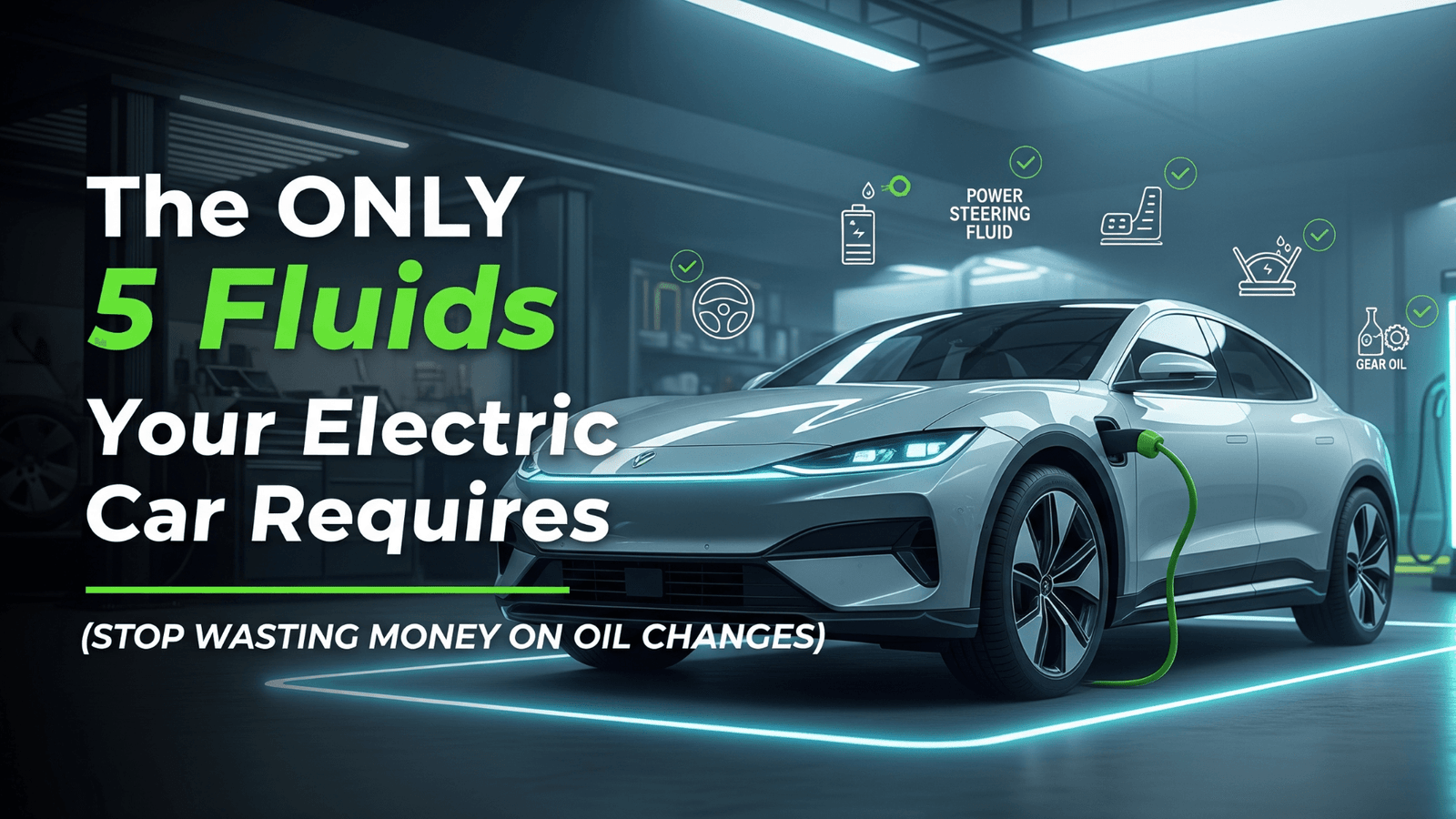
The question isn’t whether your EV needs oil, it’s how much money you save by eliminating the combustion system entirely. You are paying for a complex engine; the EV runs on physics. 5-Year EV Maintenance Savings Calculator Estimate how much money you save by eliminating the engine. 1. Your Current Annual Maintenance Cost (ICE Vehicle)
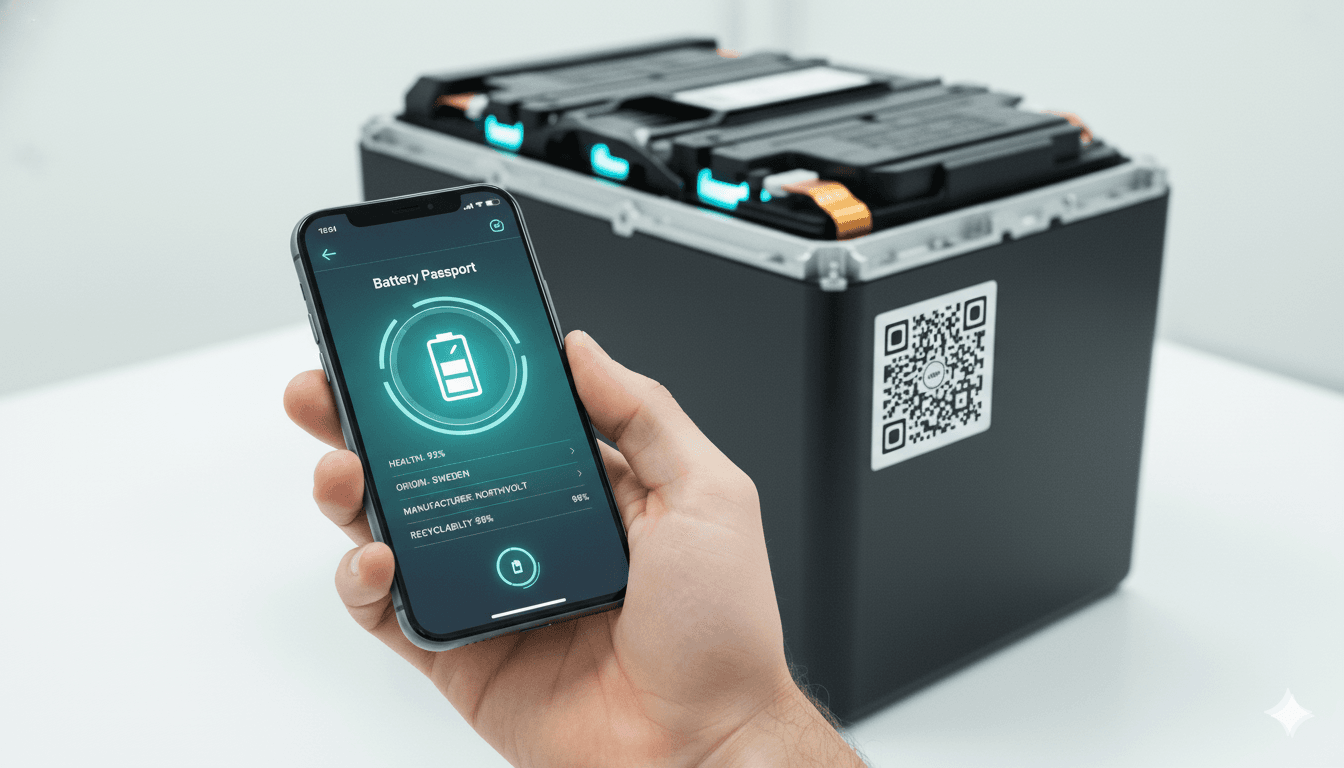
Let’s be brutally honest. Buying a used electric car today feels like a massive gamble. You can check the tires and look for scratches, but you have no real way of knowing the health of its most important and expensive component: the battery. You’re staring at a car that looks perfect, but you’re haunted by
A slow-motion crisis is unfolding in the tech world. We are building a future powered by brilliant, world-changing AI, but trying to run it on an electrical grid built for the last century. That crisis has now arrived. Now, a radical idea is gaining serious traction at the highest levels: that every major AI data
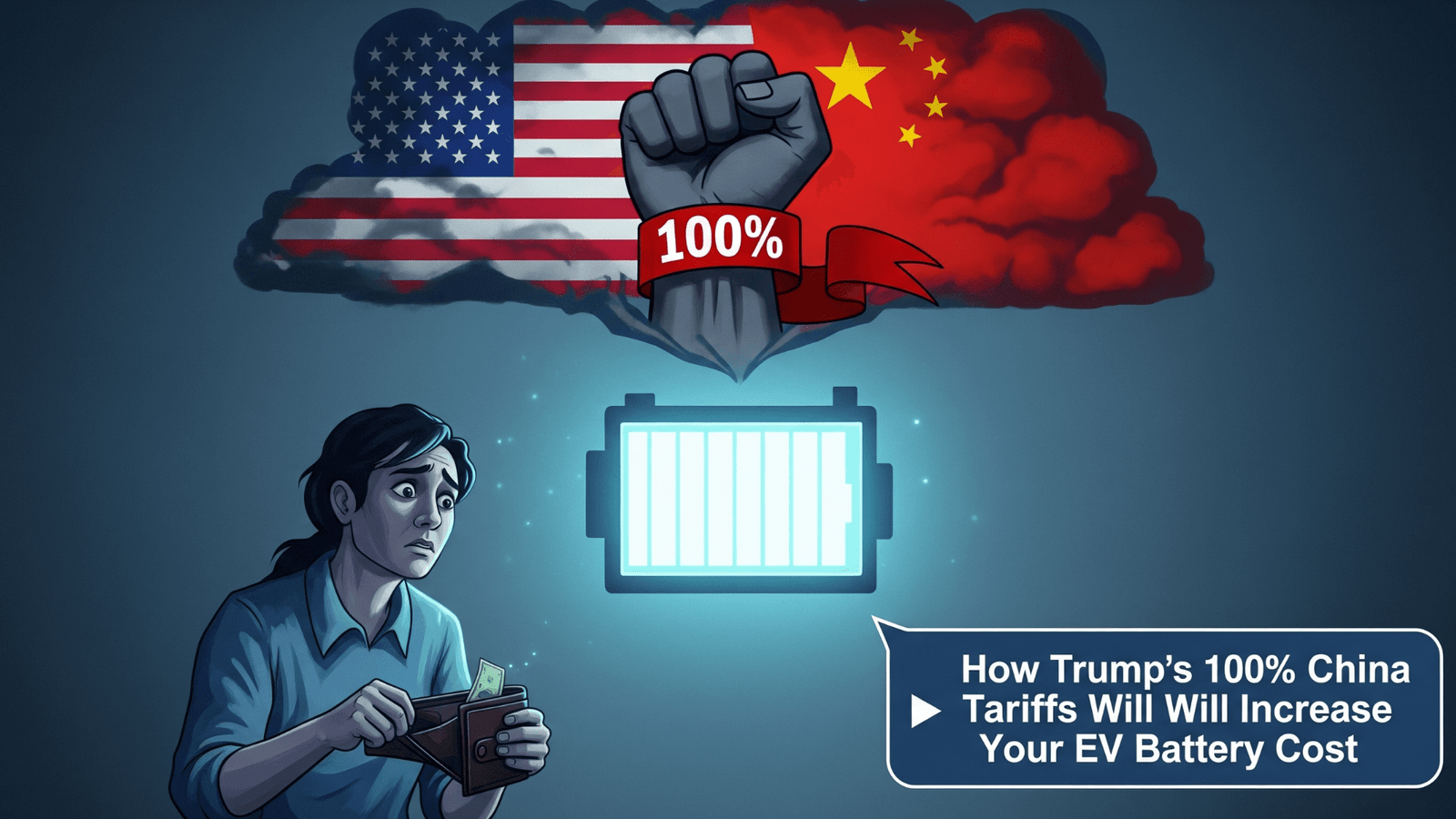
The new broad-duty tariff is a direct geopolitical action designed to make the EV supply chain dramatically more expensive. EV Tariff Cost Risk Calculator Estimate the potential cost increase on your battery pack from new import duties. 1. Select Your Vehicle’s Battery Size 40 kWh (Base Model / Short Range)65 kWh (Standard Long Range)90 kWh