For years, the dream has been the same: escaping the city. Trading the noise and the traffic for a quiet piece of land with a mountain view. The fantasy of a self-sufficient life.
But for most working professionals, it was always just that—a fantasy. There was a catch, a digital leash that kept us tethered to civilization: the need for a reliable, high-speed internet connection.
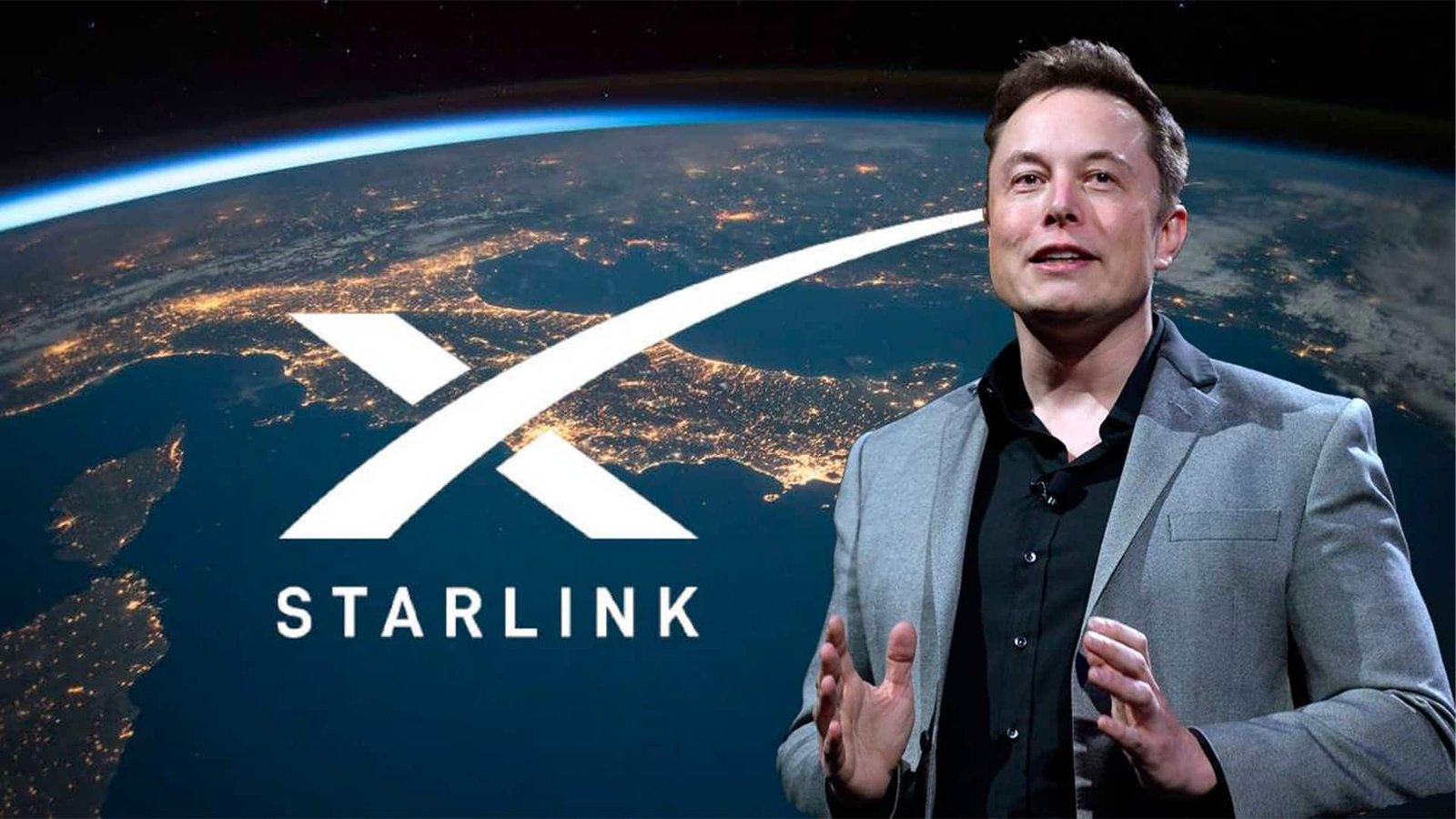
That final barrier has now been shattered. Elon Musk’s Starlink satellite internet, once a niche product, has become a well-known game-changer for a new generation choosing to go off-grid. It hasn’t made this life easy, but for the first time in history, it has made it truly possible for the modern professional.
The Modern Off-Grid Trinity: The Tech That Makes It Possible
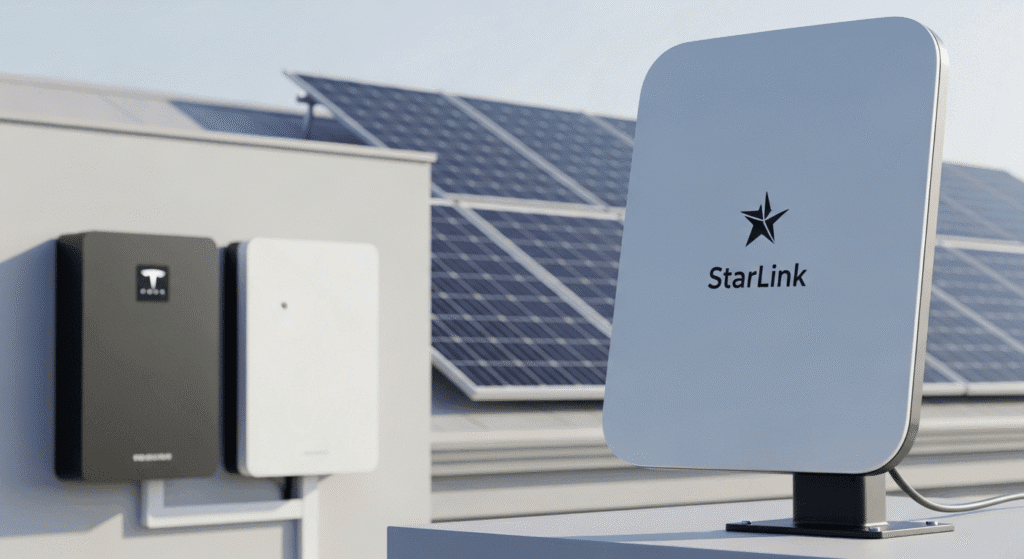
Starlink, on its own, is just an internet connection. But when you combine it with the two other pillars of modern energy independence, you create a powerful trifecta that makes the off-grid dream a functional reality.
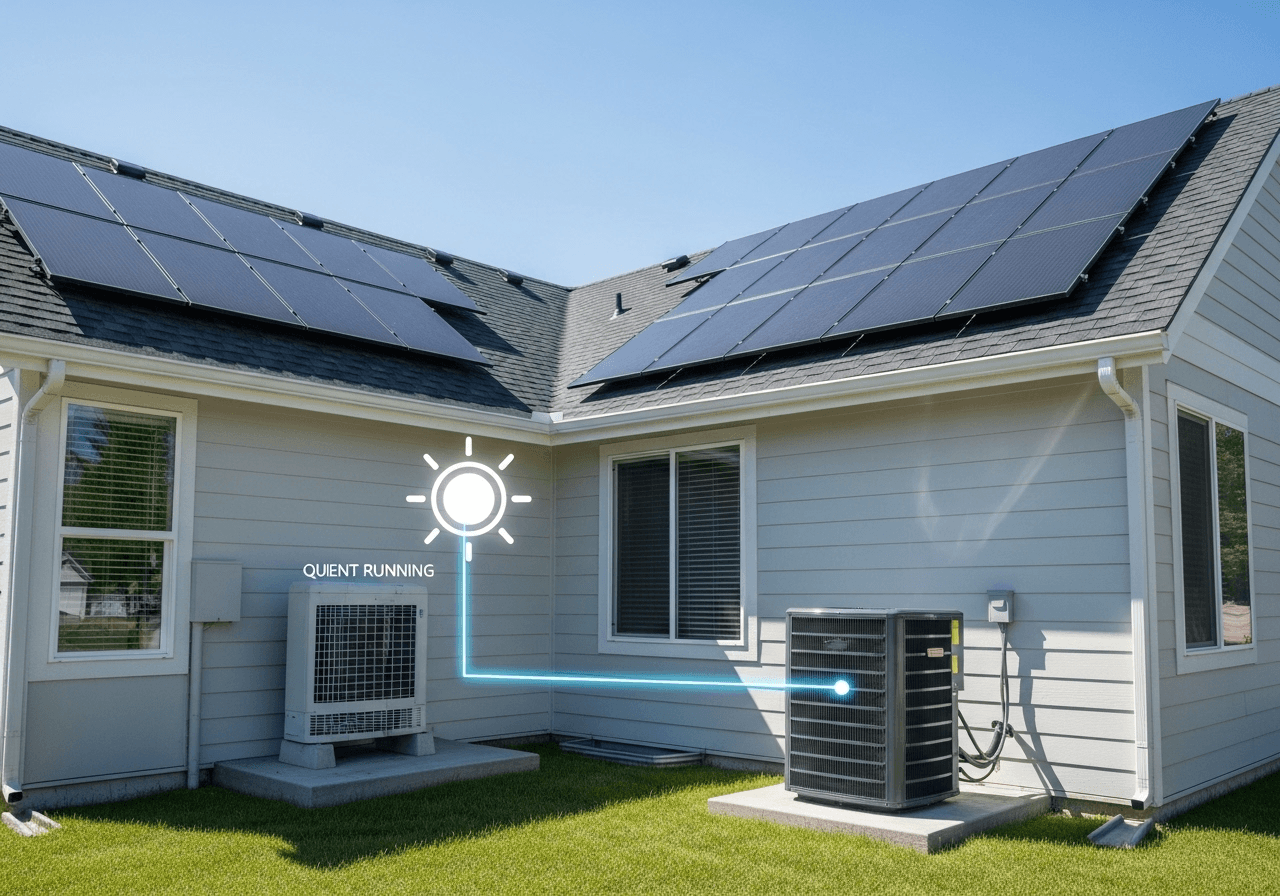
Solar Panels (The Power Plant): Modern, high-efficiency panels act as your personal power station, generating all the electricity you need from the sun.
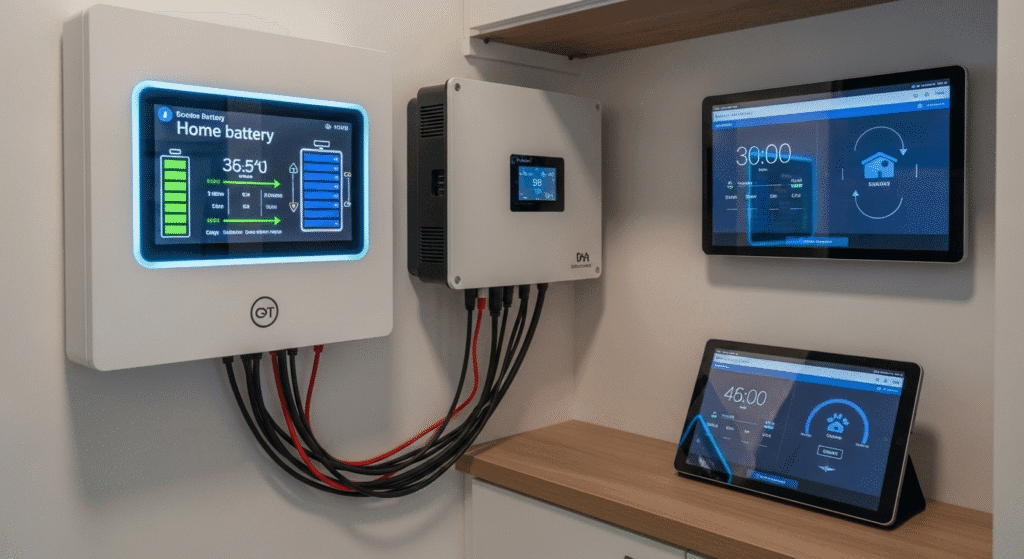
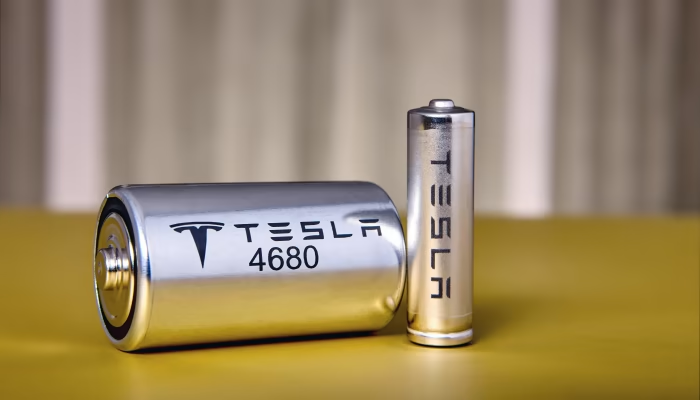
Battery Storage (The Power Bank): Systems like the Tesla Powerwall store your excess solar energy, ensuring you have reliable, uninterrupted power through the night and on cloudy days.
Starlink (The Connection): Drawing a modest 50-75 watts, the satellite dish provides high-speed internet (typically 50-250 Mbps), enabling remote work, streaming, and communication from almost anywhere on Earth.
This combination is the key that unlocks a life largely independent of public utility infrastructure.
The American Homesteader 2.0: The US First
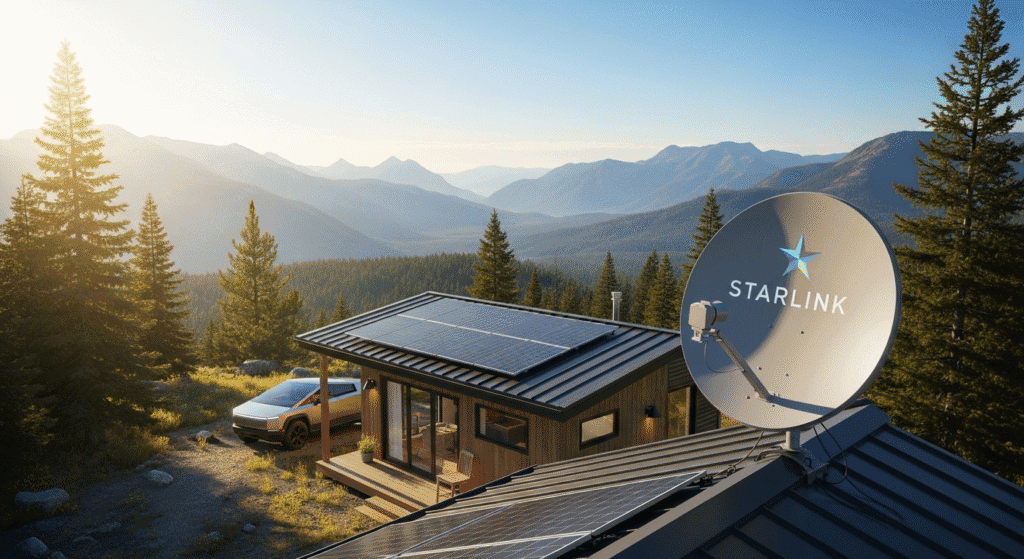
Nowhere is this trend more visible than in the American West. The United States is Starlink’s largest market, and a new generation of “homesteaders” is flocking to states like Montana, Colorado, and Arizona. But these aren’t the pioneers of the past; they are software developers, graphic designers, and remote executives.
They are building homes in remote locations previously considered impossible for a working professional. During the day, their solar panels power their laptops and the Starlink dish that connects them to their virtual offices. In the evening, their home battery takes over. They have the benefits of a high-paying city job, with none of the drawbacks of city life.
The Global Blueprint (With a Reality Check)
While the US is pioneering this lifestyle, the global rollout is more complex. Starlink’s potential is revolutionary, but its adoption is shaped by local realities.
In Europe and Australia, it’s enabling digital nomads and rural residents to set up shop in previously disconnected areas.
In India, the promise of a “village leapfrog” is immense. However, the rollout has been significantly slowed by regulatory and licensing delays. While the potential to connect rural communities is there, it is not yet a widespread reality.
A Dose of Reality: The True Cost of Freedom
This life isn’t a simple plug-and-play fantasy. It’s a serious commitment with real costs.
The Investment: The upfront cost for a robust solar and battery system is significant, often $10,000 – $30,000+. On top of that, you have the Starlink hardware and the ongoing subscription (typically $90-$120 per month in the US).
Energy Management: You become your own power company. You have to be mindful of your energy consumption, especially during long stretches of cloudy weather. Most off-gridders still keep a backup generator for emergencies.
Performance Caveats: While Starlink is a miracle for rural areas, it’s not a perfect replacement for top-tier urban fiber. Heavy network congestion in popular areas or severe weather can sometimes affect speed and latency. It’s excellent, but it’s not infallible.
Even with these challenges, the trend is undeniable. For a growing number of people, the freedom and resilience offered by this technological trio are worth the investment. Starlink didn’t make off-grid living easy, but for a whole new generation, it has made it possible. The grid is no longer the only boundary that defines where we can live and work.
I’m a writer and analyst who explores the clean energy transition, with a focus on electric vehicles and solar power.
My journey began five years ago as a firm skeptic. Determined to debunk the hype around EVs, my in-depth research led to an unexpected conclusion: the future I was questioning was already here. This realization didn’t just change my mind; it put me in the driver’s seat of my own EV.
Today, I’m passionate about sharing the clarity I found. I provide the practical, data-driven insights people need to feel confident and excited about navigating their own path to a sustainable future.
Vecharged is the consumer protection and education initiative of Cleanpower.eco, an organization dedicated to providing a clear, unbiased, and authoritative voice in the clean energy transition. The experts at Cleanpower.eco recognized a critical crisis of trust: the shift to electric vehicles and solar power is one of the most important and expensive decisions a family will make. Yet, the landscape is flooded with biased reviews, confusing marketing, and paid-for endorsements. Vecharged was created to be the shield against that confusion. We were founded on a simple, non-negotiable constitution: We are radically independent. We accept no advertising, sponsorships, or paid placements from any product manufacturer. We have no commercial interest in the products we review. Our only metric for success is your empowerment. Our loyalty is to you, the consumer. Full stop. We ground our brutally honest, hands-on analysis in a deep, foundational understanding of the engineering. We are not just reviewers; we are your advocates.
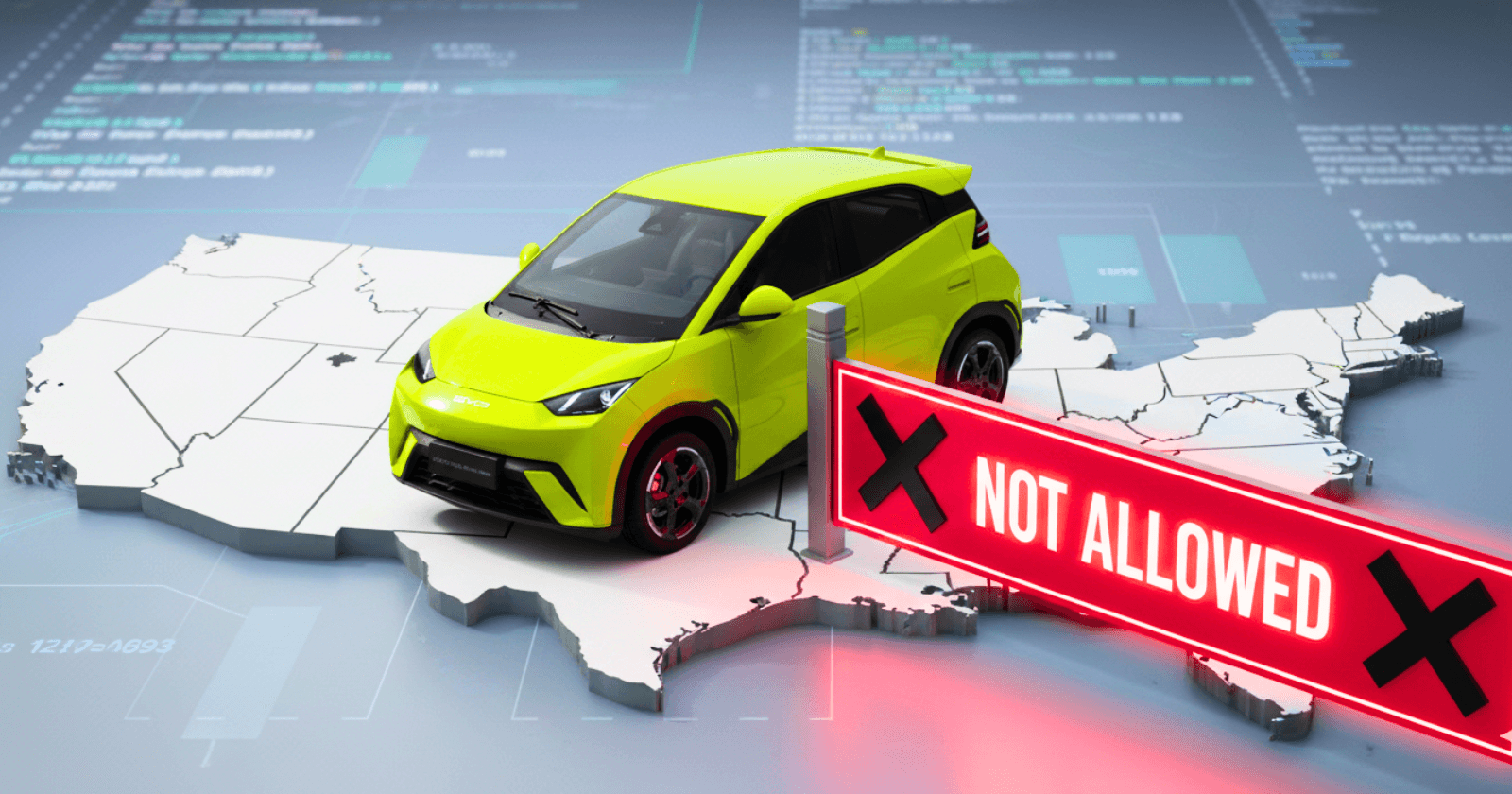
We Drove the $10,000 BYD Dolphin Mini. Here’s Why the U.S. Can’t Have It. For months, the automotive world has been buzzing about a car that seems too good to be true: a stylish, feature-packed electric vehicle with a staggering sub-$10,000 price tag. It’s the BYD Dolphin Mini (also known as the Seagull), and it’s
As the first generation of solar panels installed across America in the early 2000s now reaches maturity, that question is no longer theoretical. We’re at a critical turning point. But this isn’t a story about failure. It’s the story of a challenge that brilliant engineers and entrepreneurs are turning into a massive opportunity. The Slow
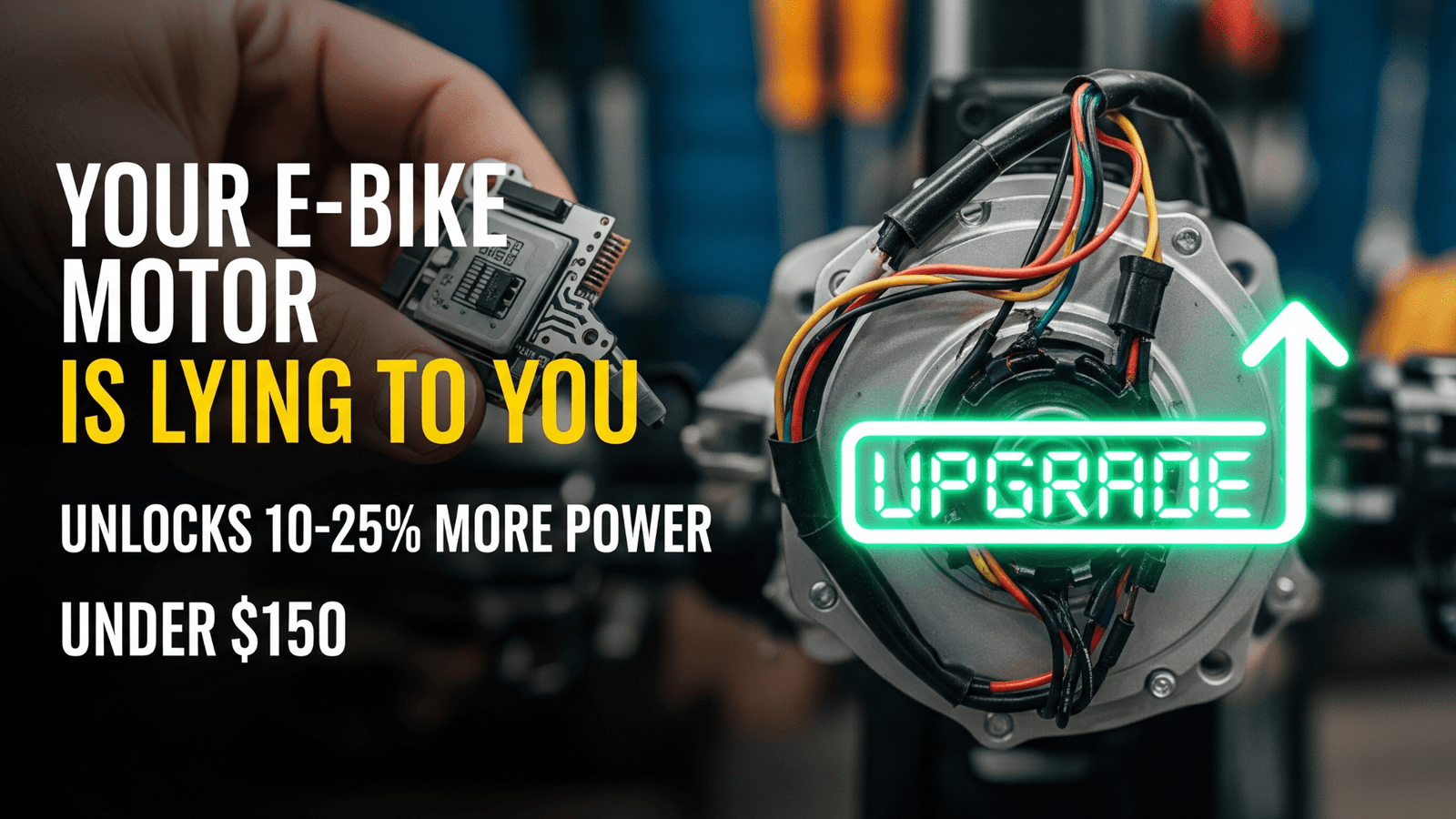
My Expert Guidance To Bypassing Artificial Limits While Managing Thermal Risk and Legal Exposure In my experience, no component on a stock e-bike lies more convincingly than the Controller. Manufacturers intentionally install a cheap, capped electronic brain to meet strict legal wattage caps (250W/750W). This creates an artificial bottleneck. Your motor is often capable of
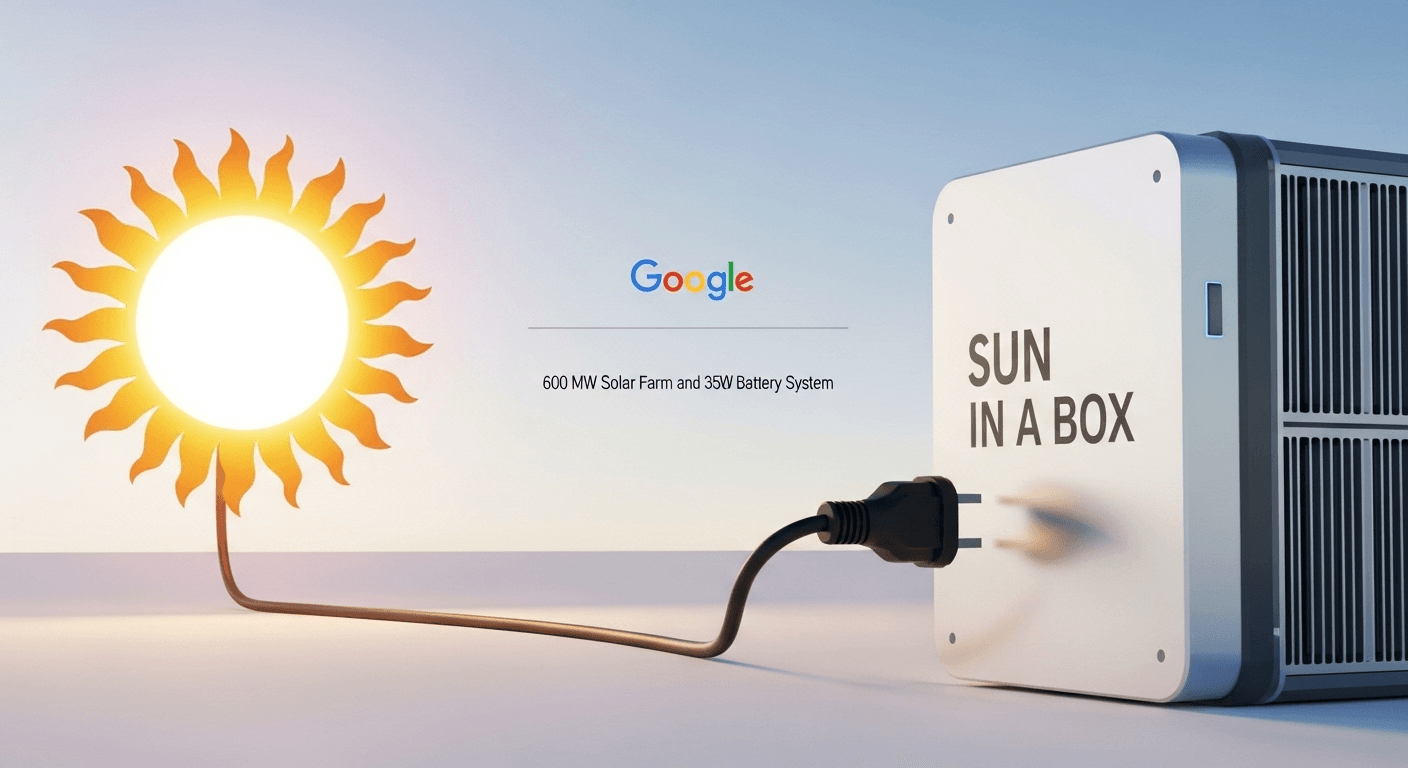
When you hear that a tech giant like Google is “powering” its data centers with a new 600-megawatt solar farm, it’s easy to picture a simple extension cord running from the panels to the servers. The reality is far more complex and much more revolutionary. The most important part of this story isn’t just the