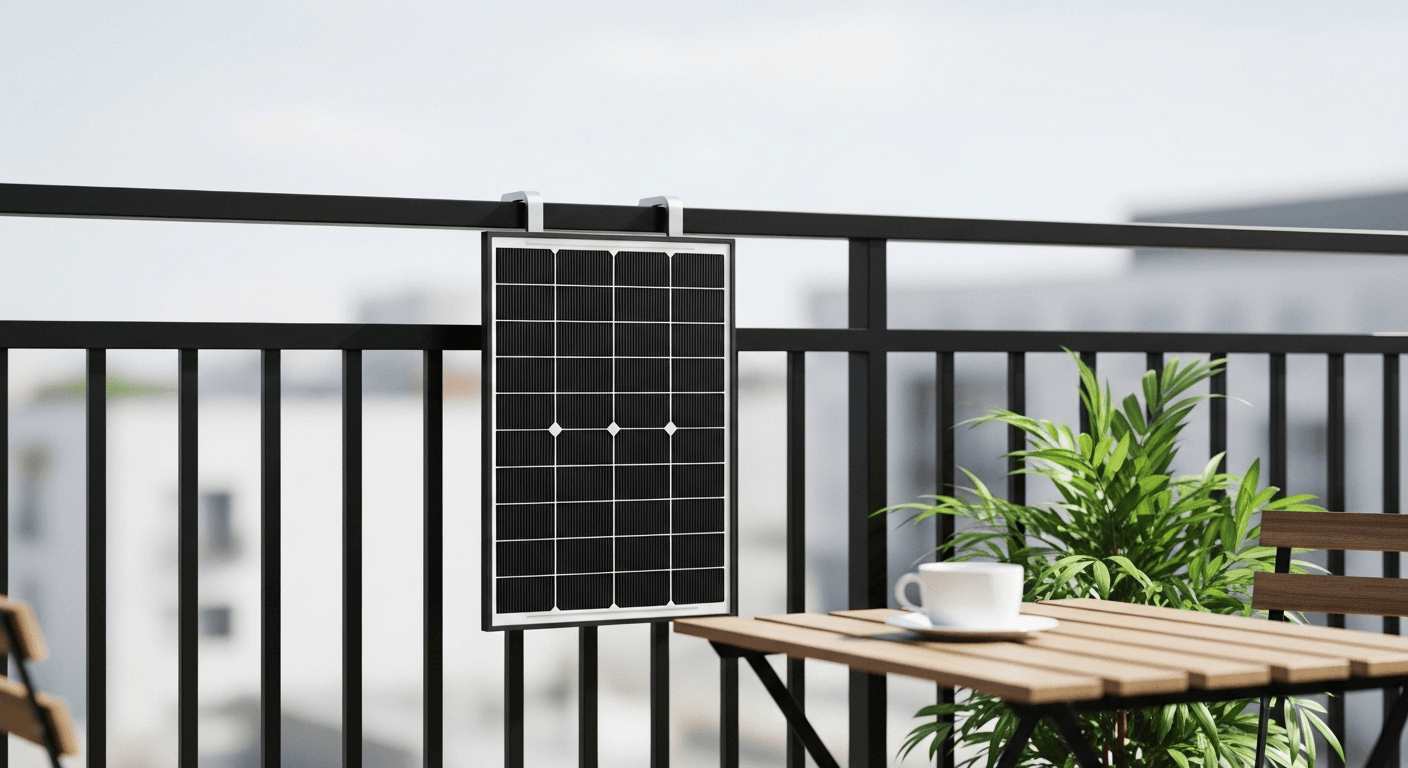
For years, the dream of solar power has been reserved for homeowners with sprawling, sun-drenched roofs. If you lived in an apartment or a rental, you were stuck paying whatever the utility company demanded. But a new wave of technology is finally bringing the power of the sun to the city.
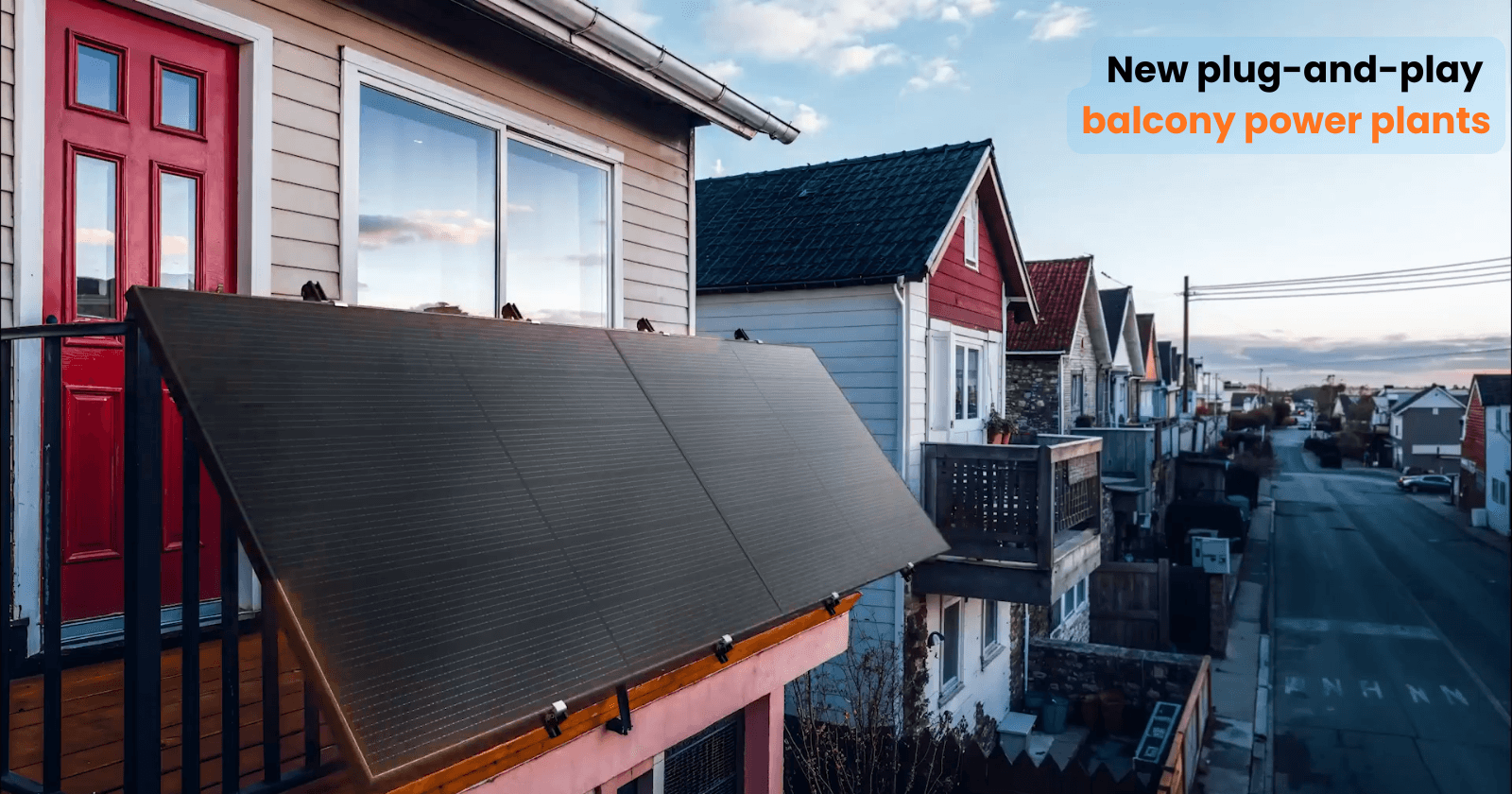
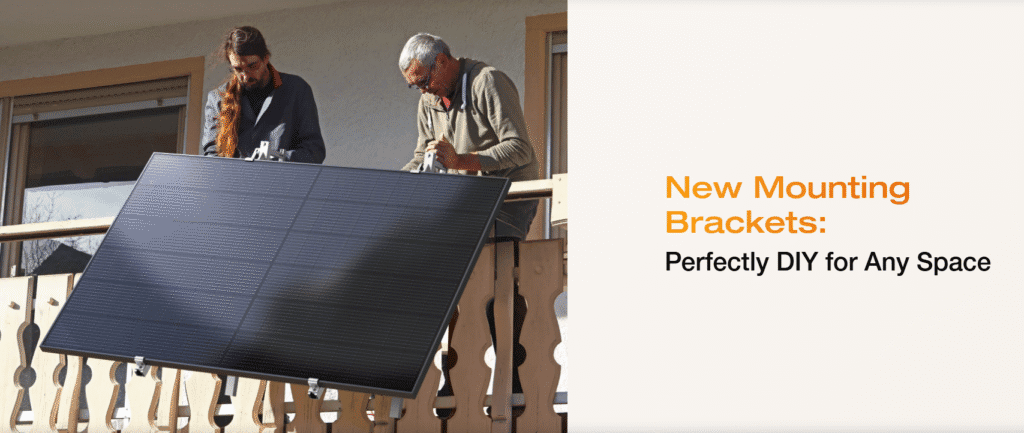
Meet the “balcony power plant”—a simple, plug-and-play solar system designed to be set up in minutes on a balcony, terrace, or even just outside a window. And companies like EcoFlow are leading the charge with innovative systems that are turning heads across Europe and beyond.
The Breakthrough: Storing Your Sunlight
Simple balcony solar systems have been around for a while, but they’ve always had one major flaw: if you’re not home during the day to use the power as it’s being generated, that valuable solar energy is wasted.
EcoFlow‘s new PowerStream system solves this problem with a genius addition: a modular battery.
Here’s how their system works:
Solar Panels: Two sleek solar panels capture sunlight on your balcony.
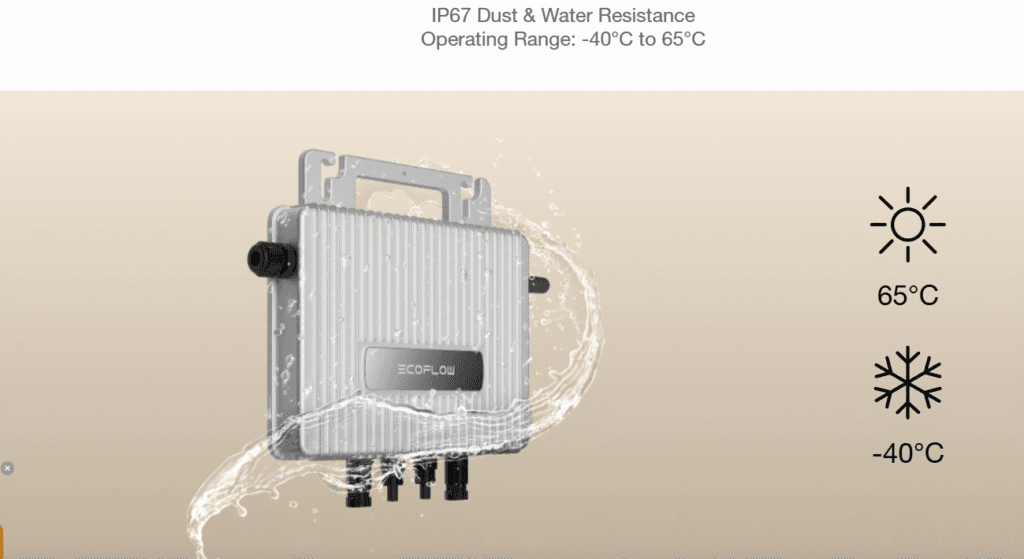
A Smart Microinverter: This is the brain that converts the solar energy into usable AC power.
Smart Plugs: You place these between your appliances and the wall sockets. They talk to the system and tell it exactly how much power your home is using.
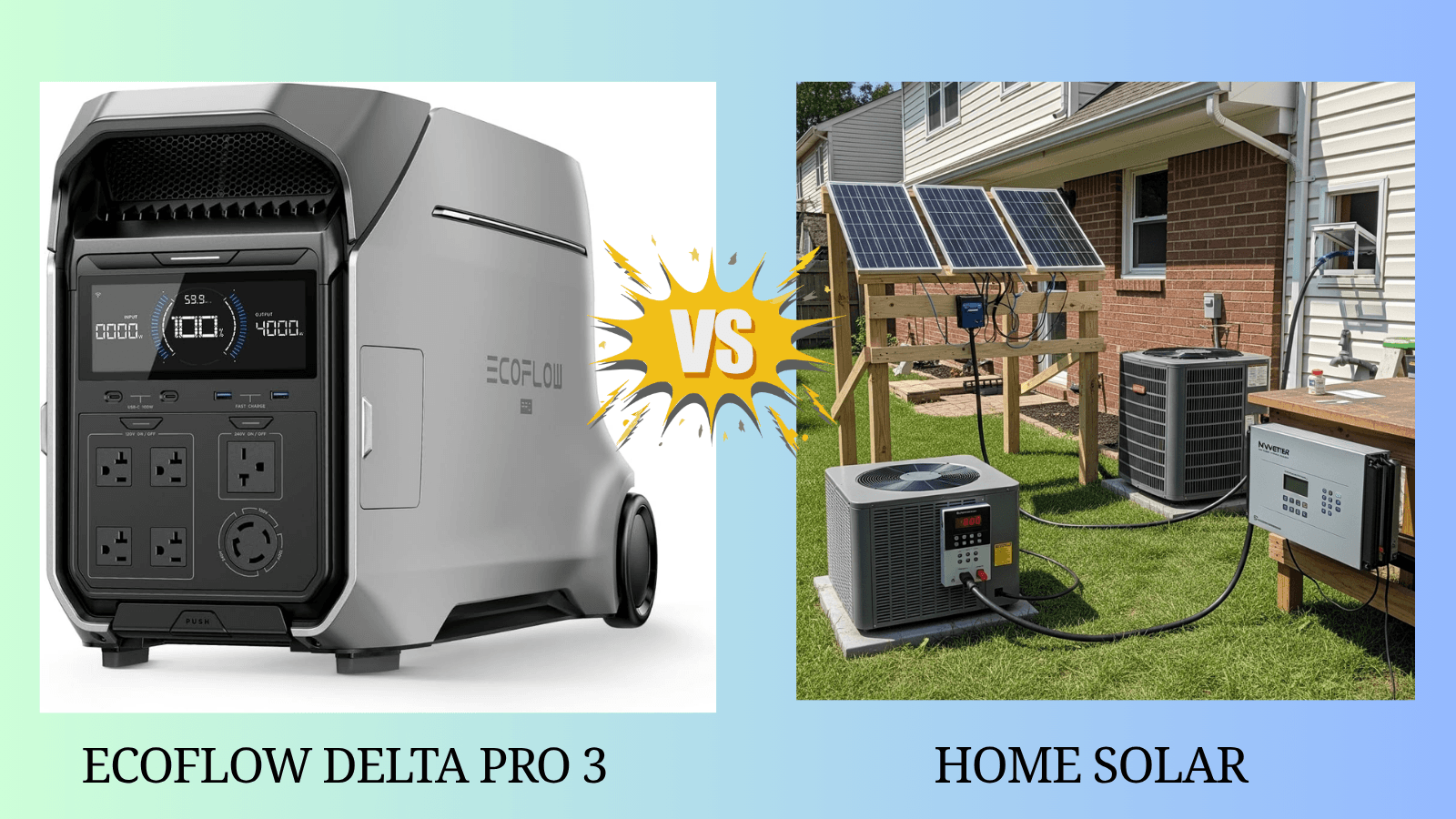
A Portable Power Station: This is the key. Any surplus solar energy that your home isn’t using gets stored in a powerful EcoFlow portable battery (like the DELTA 2) instead of being wasted.
When the sun goes down, the system automatically switches over, powering your evening essentials—your lights, TV, and Wi-Fi router—with the free, clean energy you stored during the day.
The “Cheat Code” for Beating Energy Limits
In many places (like Germany, for example), there are strict limits on how much power a small solar system can feed back into the grid (e.g., 800W).
The EcoFlow system cleverly gets around this by prioritizing self-consumption. Because the smart plugs know how much energy your home needs, the system can draw power from the battery first, only pulling from the grid when absolutely necessary. This means you use nearly 100% of the solar you generate yourself, maximizing your savings without breaking any rules.
For millions of people living in cities, the idea of generating their own power has always been a distant dream. But with plug-and-play systems that can store energy for when you actually need it, that dream is finally becoming a reality. It’s a new era of energy independence, and it’s starting on the balcony.
Suhas Shrikant is the founder of Vecharged and an engineering enthusiast specializing in high-power off-grid solar systems. He has designed and built over a dozen custom systems and uses his hands-on, field-tested experience to create Vecharged’s expert guides and reviews.
Vecharged is the consumer protection and education initiative of Cleanpower.eco, an organization dedicated to providing a clear, unbiased, and authoritative voice in the clean energy transition. The experts at Cleanpower.eco recognized a critical crisis of trust: the shift to electric vehicles and solar power is one of the most important and expensive decisions a family will make. Yet, the landscape is flooded with biased reviews, confusing marketing, and paid-for endorsements. Vecharged was created to be the shield against that confusion. We were founded on a simple, non-negotiable constitution: We are radically independent. We accept no advertising, sponsorships, or paid placements from any product manufacturer. We have no commercial interest in the products we review. Our only metric for success is your empowerment. Our loyalty is to you, the consumer. Full stop. We ground our brutally honest, hands-on analysis in a deep, foundational understanding of the engineering. We are not just reviewers; we are your advocates.
We Drove the $10,000 BYD Dolphin Mini. Here’s Why the U.S. Can’t Have It. For months, the automotive world has been buzzing about a car that seems too good to be true: a stylish, feature-packed electric vehicle with a staggering sub-$10,000 price tag. It’s the BYD Dolphin Mini (also known as the Seagull), and it’s
As the first generation of solar panels installed across America in the early 2000s now reaches maturity, that question is no longer theoretical. We’re at a critical turning point. But this isn’t a story about failure. It’s the story of a challenge that brilliant engineers and entrepreneurs are turning into a massive opportunity. The Slow
My Expert Guidance To Bypassing Artificial Limits While Managing Thermal Risk and Legal Exposure In my experience, no component on a stock e-bike lies more convincingly than the Controller. Manufacturers intentionally install a cheap, capped electronic brain to meet strict legal wattage caps (250W/750W). This creates an artificial bottleneck. Your motor is often capable of
When you hear that a tech giant like Google is “powering” its data centers with a new 600-megawatt solar farm, it’s easy to picture a simple extension cord running from the panels to the servers. The reality is far more complex and much more revolutionary. The most important part of this story isn’t just the