The Hidden Threat to Your Holiday Cheer: Charging Station Chaos
By the time you read this, it may already be too late. The Thanksgiving travel surge—the biggest traffic event of the year—is about to hit. Millions of Americans are making the great migration home, and for the growing number of electric vehicle (EV) owners, a silent, energy-draining danger lurks on the nation’s highways: The Charging Queue.
If you’re an EV owner, you’re about to face a simple, painful truth: your car’s range drops in cold weather (it can start at just 40°F!), and the charging stations you rely on will be jammed tighter than a holiday turkey.
The time you spend waiting in line is time NOT spent with your family. It’s time you are paying for in electricity, in frustration, and in the sheer, unadulterated misery of an avoidable holiday disaster.
Holiday Travel Time & Range Loss Calculator
See how cold weather and peak queues impact your Thanksgiving travel.
1. Your Trip Distance & Temperature
Entering below 40°F triggers cold weather loss.
2. Your Charging Behavior
This is the number of times you stop to DC fast charge.
3. Risk & Time Impact
Actual Usable Range Loss
—
Total Extra Time Added (Peak Hours)
—
**EXPERT WARNING:** The calculation assumes an average 40-minute stop time, plus a 20-minute queue penalty for peak travel.
THE BREAKTHROUGH SOLUTION: A 5-POINT PLAN TO BEAT THE RUSH AND SECURE YOUR RANGE
You don’t have to surrender your holiday to the charging line! The secret lies in preparation and acting at the right time. Here is the simple, 5-point strategy to outsmart the crowds, secure your range, and charge like a pro:
HACK #1: The Midnight-to-6 AM Charging Schedule
Your single most important rule this Thanksgiving is to avoid the peak. You must utilize the “Off-Peak Window.”
What are the best and worst times to charge an EV during Thanksgiving?
Charging Window
Time (U.S. Local)
Status & Why
BEST Time (Off-Peak)
Midnight to 6:00 AM
**Least Congested.** The majority of travelers are asleep, ensuring maximum charger availability. This is also when lower Time-of-Use (TOU) electricity rates typically apply.
AVOID Time (Peak Congestion)
10:00 AM to 2:00 PM
**Busiest Hours.** This window aligns with prime meal and rest stop times, leading to guaranteed charger wait times and stress.
ACT NOW: Charge your electric vehicle to a full 100% the night before you leave.
HACK #2: Master the Cold Weather Range Defense
Cold weather reduces EV range by slowing battery chemical reactions and increasing the energy draw for cabin heating. Studies show range loss can be severe, reaching up to 39% in sub-freezing temperatures.
The Preconditioning Must: Always precondition your car’s cabin and battery while it is still plugged in at home. This uses cheaper grid power to warm the car, saving your battery’s stored energy for driving range.
The Heat Hack: Utilize heated seats and steering wheels instead of blowing the main cabin heater. Targeted heat consumes far less energy than heating the entire cabin volume of the vehicle.
HACK #3: Charge to 80% and Keep Moving (The Speed Secret)
Avoid the urge to charge to 100% on the road. It makes you an inconsiderate driver and is financially inefficient.
The Inefficiency Trap: The EV charging speed slows significantly (tapers) after 80% State of Charge (SoC) to protect the battery. That final 20% takes significantly longer than the first 70%, adding unnecessary time to your trip.
The Time-Saving Move: Plan your route around 20% to 80% charge stops. This ensures you are always charging in the fastest part of the charge curve, minimizing downtime.
HACK #4: Your Digital Co-Pilot Against the Queue
Forget generic maps. The top electric vehicle drivers rely on specialized apps that give them the power of predictive planning.
The Reliability Check: While overall network reliability reached 85.5% in Q2 2025, Tesla Superchargers still maintain a superior 99.95% uptime. Prioritize highway corridor stations and the reliable Supercharger network.
Avoid Risk: Avoid chargers at dealerships or small, remote stations. They often have low reliability and can be blocked, costing you valuable time.
HACK #5: The Destination Charger Advantage
The single best way to ensure a stress-free return trip is to manage your EV charging at your holiday destination.
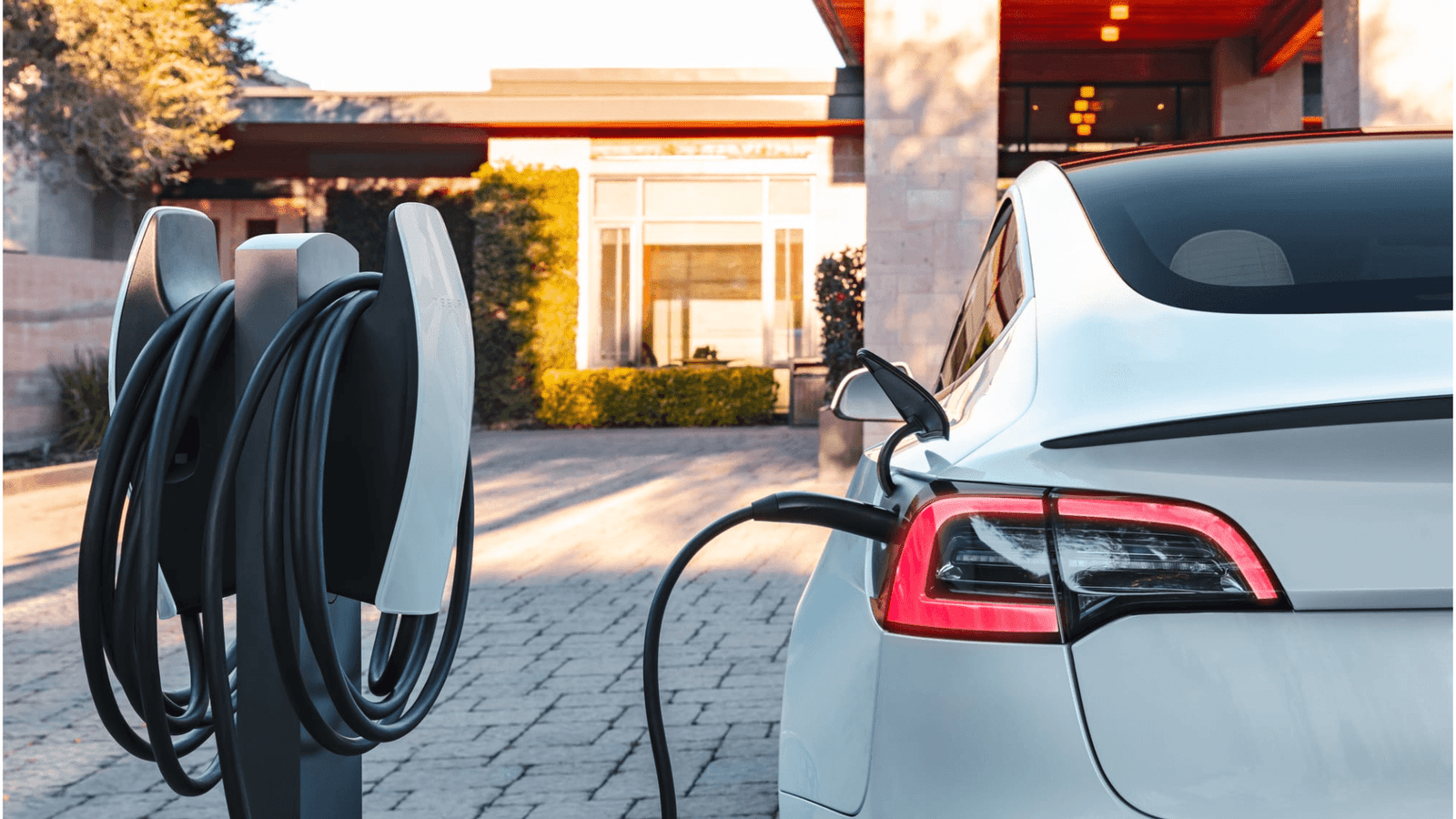
The Overnight Guarantee: When booking holiday accommodation, filter for places that offer a Level 2 charger. Plugging in overnight guarantees you start the next day with 100% charge, eliminating the anxiety of finding a fast charger for the drive home.
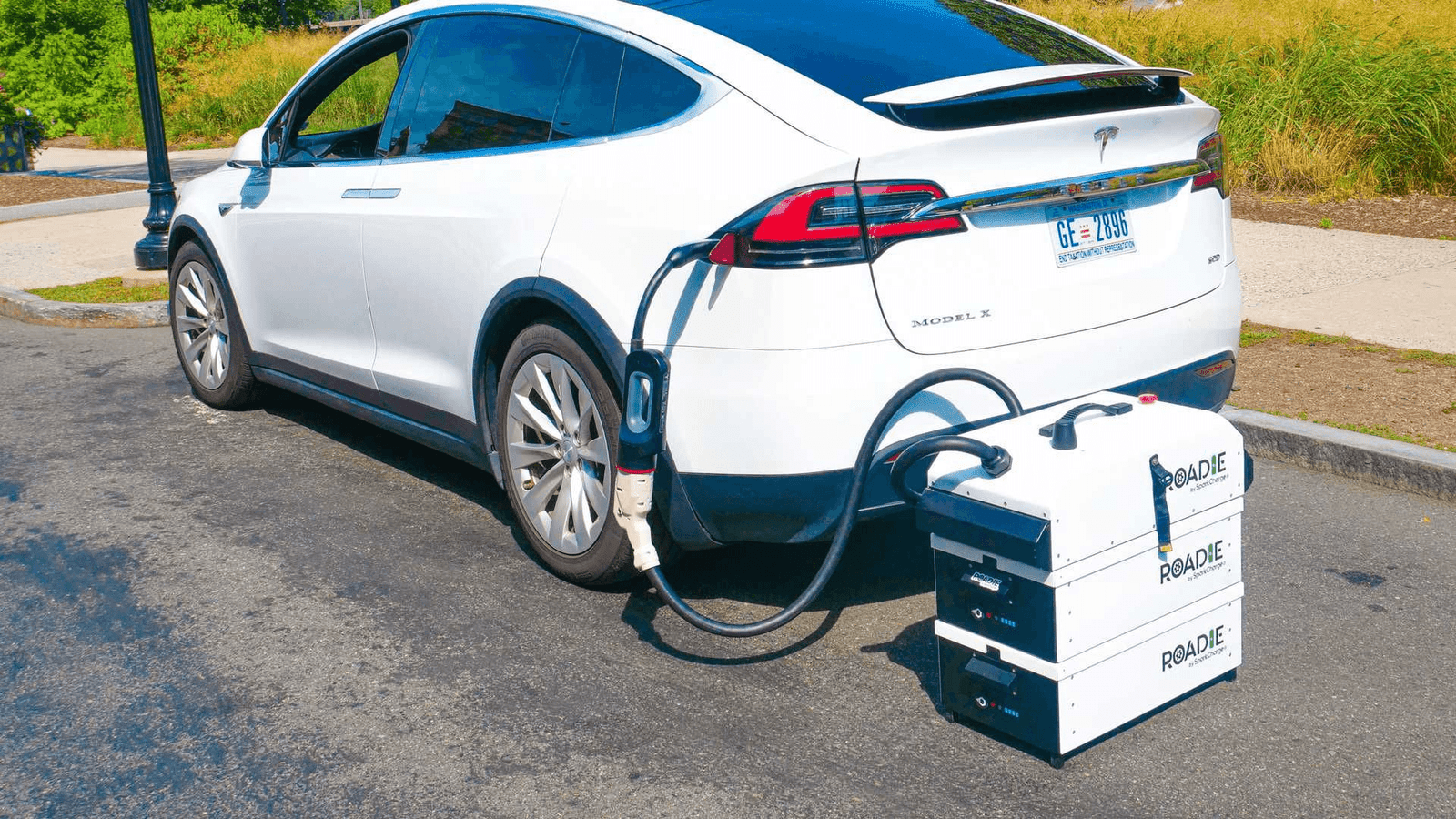
Contingency Power (V2V): The Ford F-150 Lightning can serve as a power source for another stranded EV, but this requires a portable EV charger and adapter and delivers slow, Level 2 speeds. Consider this a last-resort contingency, not a quick fix.
Don’t let the simplicity of these steps fool you. Failure to plan your trip—and your charge stops—in advance is a gamble you will lose. You’ll be sitting in the cold, watching the clock tick, wishing you had taken 15 minutes to plan a stress-free route.
The road home is waiting. Will you arrive on time, relaxed, and ready for Thanksgiving dinner… or will you be the cautionary tale told around the holiday table?
I’ve been driving, testing, and living with electric vehicles for years — from early compact EVs to today’s high-performance models. My journey into e-mobility started out of curiosity but quickly turned into a mission to help others make smarter EV choices. At VeCharged, I break down real-world ownership insights, cost analysis, and charging know-how so you can buy, sell, or switch to an EV with total confidence.
Vecharged is the consumer protection and education initiative of Cleanpower.eco, an organization dedicated to providing a clear, unbiased, and authoritative voice in the clean energy transition. The experts at Cleanpower.eco recognized a critical crisis of trust: the shift to electric vehicles and solar power is one of the most important and expensive decisions a family will make. Yet, the landscape is flooded with biased reviews, confusing marketing, and paid-for endorsements. Vecharged was created to be the shield against that confusion. We were founded on a simple, non-negotiable constitution: We are radically independent. We accept no advertising, sponsorships, or paid placements from any product manufacturer. We have no commercial interest in the products we review. Our only metric for success is your empowerment. Our loyalty is to you, the consumer. Full stop. We ground our brutally honest, hands-on analysis in a deep, foundational understanding of the engineering. We are not just reviewers; we are your advocates.
We Drove the $10,000 BYD Dolphin Mini. Here’s Why the U.S. Can’t Have It. For months, the automotive world has been buzzing about a car that seems too good to be true: a stylish, feature-packed electric vehicle with a staggering sub-$10,000 price tag. It’s the BYD Dolphin Mini (also known as the Seagull), and it’s
As the first generation of solar panels installed across America in the early 2000s now reaches maturity, that question is no longer theoretical. We’re at a critical turning point. But this isn’t a story about failure. It’s the story of a challenge that brilliant engineers and entrepreneurs are turning into a massive opportunity. The Slow
My Expert Guidance To Bypassing Artificial Limits While Managing Thermal Risk and Legal Exposure In my experience, no component on a stock e-bike lies more convincingly than the Controller. Manufacturers intentionally install a cheap, capped electronic brain to meet strict legal wattage caps (250W/750W). This creates an artificial bottleneck. Your motor is often capable of
When you hear that a tech giant like Google is “powering” its data centers with a new 600-megawatt solar farm, it’s easy to picture a simple extension cord running from the panels to the servers. The reality is far more complex and much more revolutionary. The most important part of this story isn’t just the