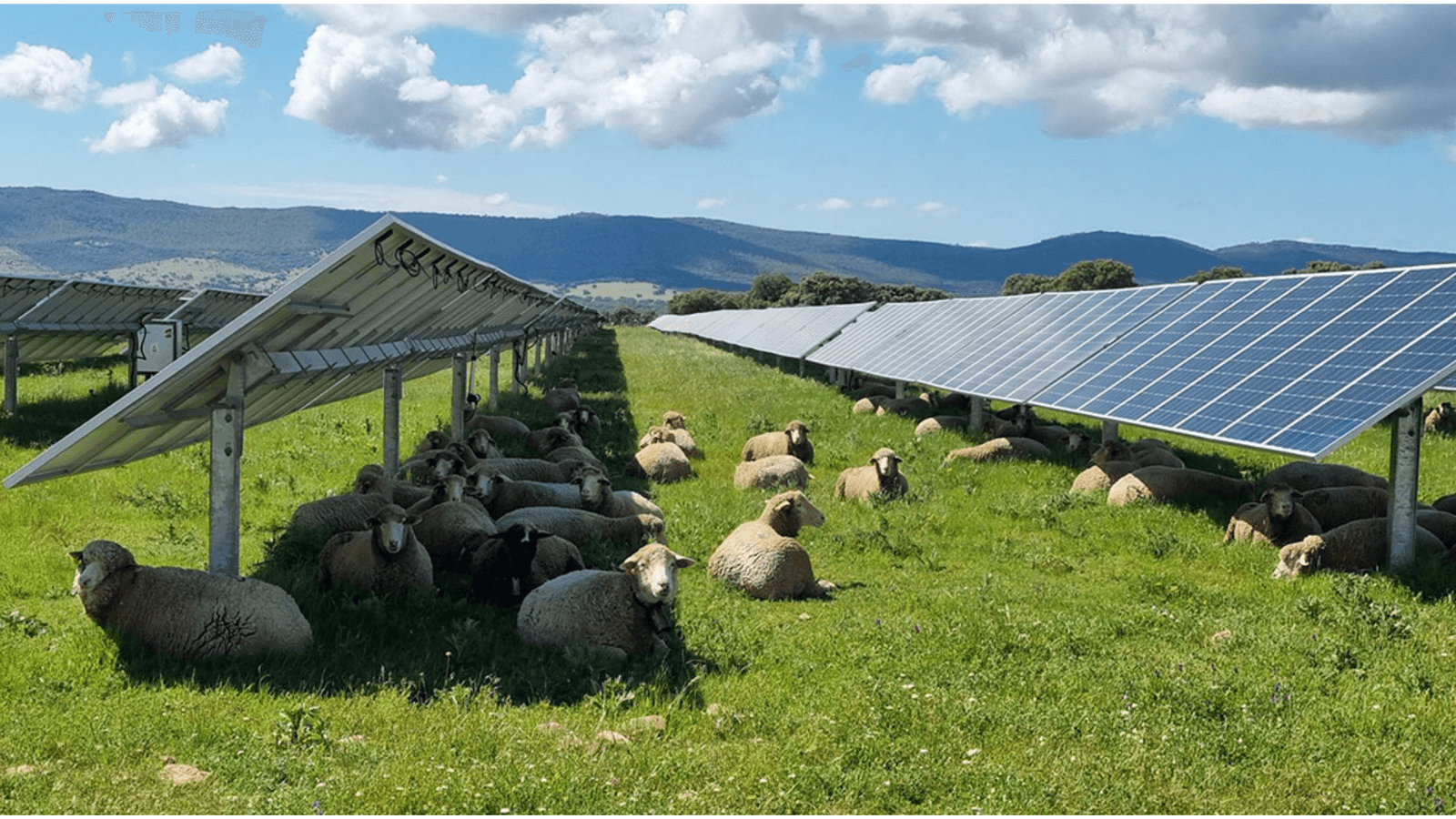
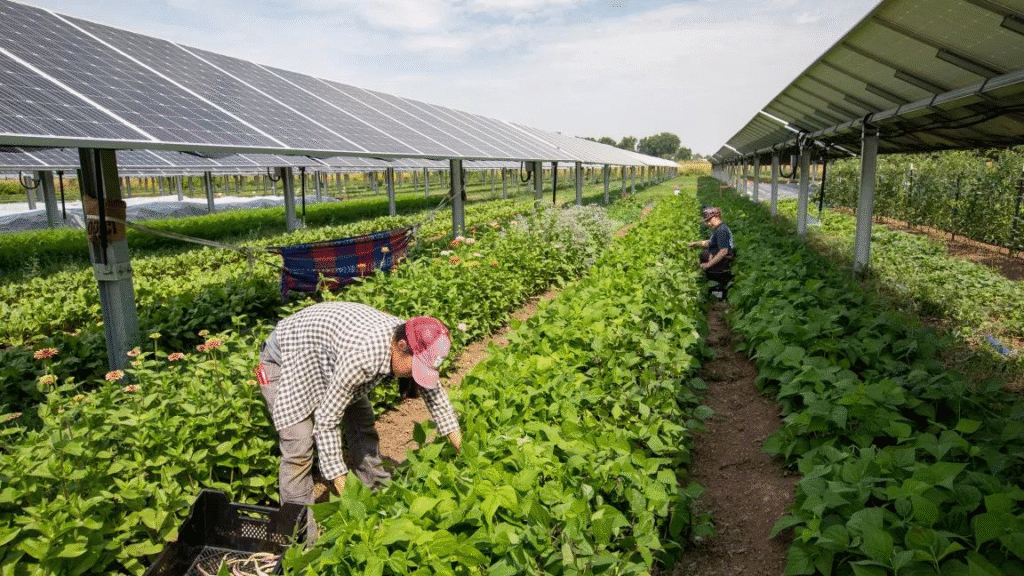
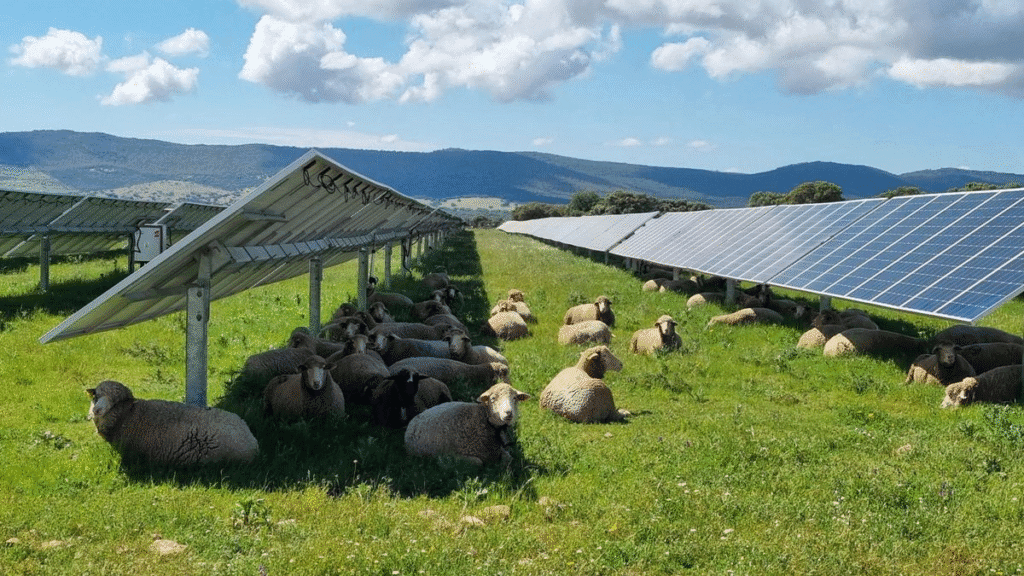
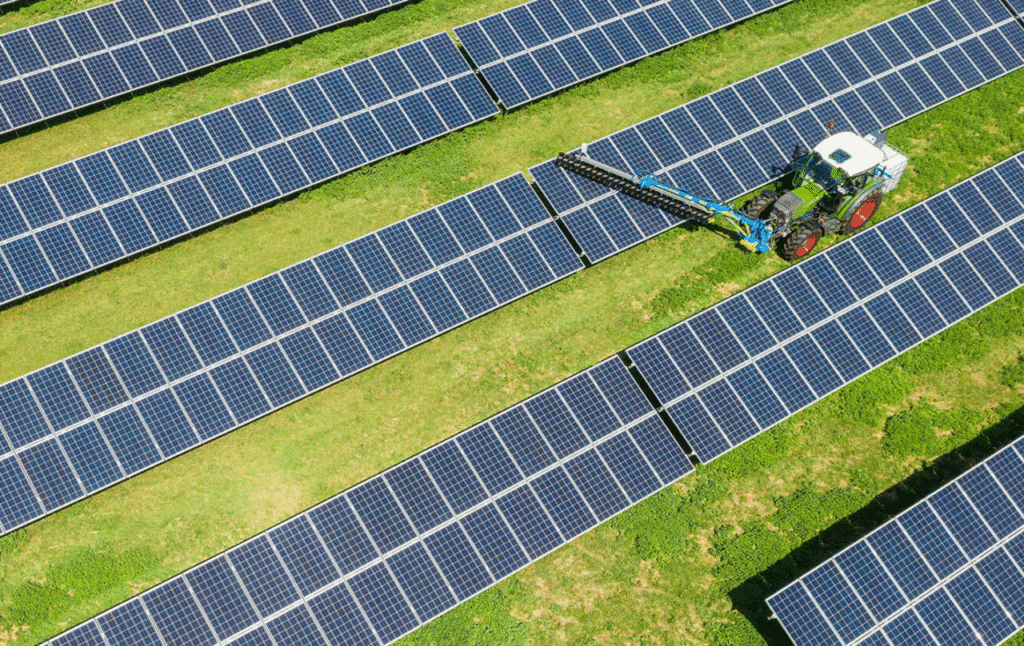
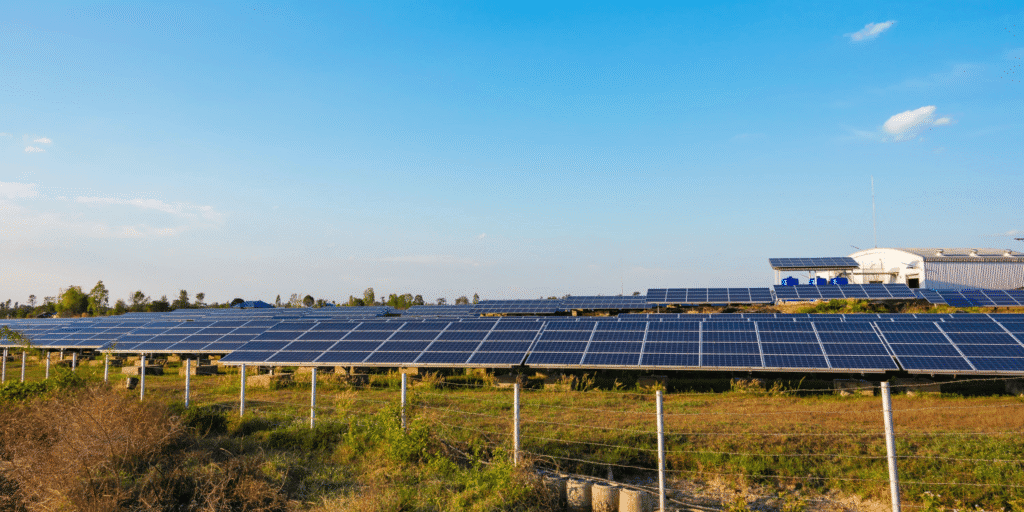
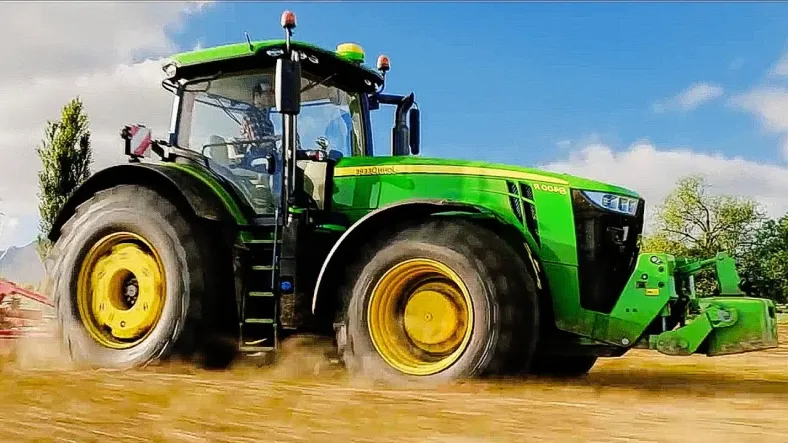
A powerful solution is transforming agricultural landscapes: the integration of solar farms with active farming. This approach, known as agrivoltaics or dual-use solar, enables the simultaneous production of food and clean energy on the same piece of land. By mounting solar panels high above crops or livestock, this strategy optimizes land use, conserves valuable farmland, and generates renewable power.
This method does more than just save space. The partial shade from the panels can mitigate heat stress on crops and reduce water evaporation from the soil, leading to healthier plants and improved yields. For livestock, the shade provides a refuge from extreme heat, improving animal welfare. As climate challenges like drought and heatwaves intensify, the ability of solar installations to create more resilient farming conditions is a significant advantage.
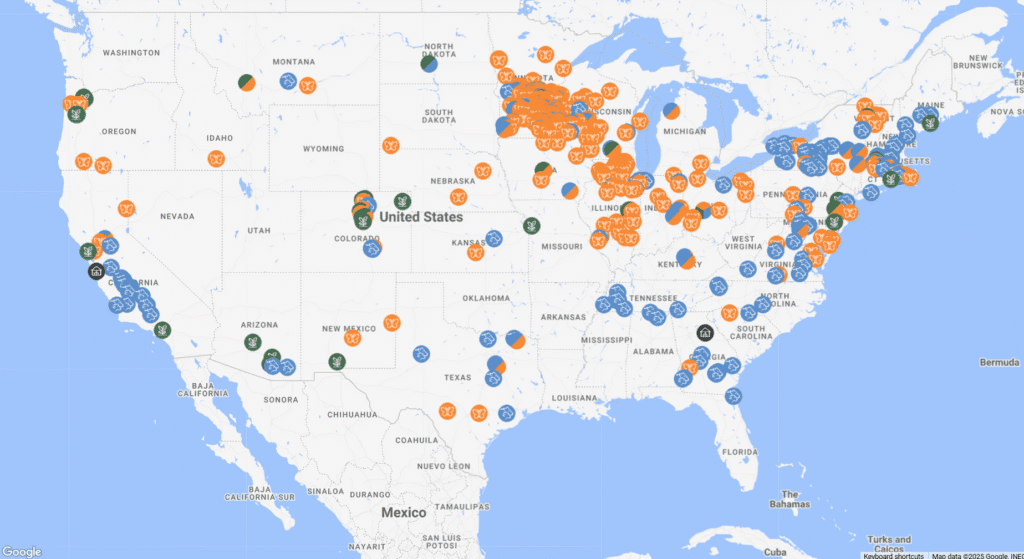
agrivoltics projects
The Overlooked Benefits of Solar on Farms
The benefits of integrating solar technology into farming are diverse and significant. For farmers, generating their own power drastically reduces reliance on the grid, lowering operational costs at a time of volatile energy prices. Furthermore, leasing a portion of their land for solar development can create a new, reliable revenue stream, offering financial security against unpredictable market conditions.
Beyond the economic advantages, well-designed solar farms are proven to enhance local biodiversity. By planting native grasses and pollinator-friendly flowers between the panel rows, these sites can create vital habitats for species like bees and butterflies, which are crucial for pollinating nearby crops. When designed with ecology in mind, these projects result in healthier ecosystems. This commitment to sustainability also offers a marketable advantage, helping farms distinguish their brand in an increasingly eco-conscious consumer market.
agrivoltics projects
Powering a Sustainable Food System
The potential for agrivoltaics to support sustainable food production is transformative. By embracing solar, farms can power a shift toward regenerative practices like managed grazing and diverse crop rotations that improve soil health. This adaptability is essential for maintaining food security as the global population grows and environmental pressures mount. On a global scale, the transition to solar farming aligns with broader climate commitments, helping to build low-carbon economies from the ground up.
Local Responses and the Land-Use Debate
However, the rollout of solar farms is not without friction. The response from local governments remains mixed, often creating a fundamental tension between preserving traditional landscapes and meeting renewable energy targets.
Case Study: The UK Farmland Debate
In rural areas like Derbyshire, UK, some local councils have opposed the proliferation of solar farms, citing concerns over the loss of productive farmland and the impact on scenic landscapes. Critics of large-scale solar argue that placing panels on prime agricultural land undermines long-term food security. This skepticism raises crucial questions about how to balance the needs of local communities with the urgent need for clean energy.
Balancing Local Concerns with Climate Goals
While local opposition is a valid part of the process, it highlights the need for a more inclusive debate. The clean energy transition must be just and consider the livelihoods of those it directly impacts. Policy discussions must include the voices of local farmers and residents to find common ground.
Engaging communities can lead to innovative solutions, such as prioritizing solar development on less productive or “marginal” land, co-designing biodiversity-friendly projects, and ensuring local residents benefit directly from the energy produced. Achieving this “social license” is key to sustainable development.
Navigating the Regulatory Maze
Beyond local politics, regulatory frameworks present the most significant hurdle for large-scale solar projects. In the United States, developers face a complex and often slow-moving approval process, especially for projects on federal land.
Recent cancellations or delays of major projects in solar-rich states like Nevada and California exemplify these obstacles. Factors range from lengthy environmental impact studies (assessing effects on local wildlife like the desert tortoise) to navigating backlogged interconnection queues to connect to the power grid. These challenges create uncertainty within the industry and can discourage investment at a critical time when clean energy expansion is needed most.
This increasing scrutiny requires a cohesive strategy that embraces renewable solutions while respecting local ecosystems. Collaboration between agricultural communities, energy developers, and policymakers is essential to create frameworks that nurture, rather than hinder, sustainable energy development.
In summary, integrating solar farms within agriculture is a pivotal opportunity to innovate both our energy and food systems. However, navigating local concerns and regulatory challenges will be vital for realizing its full potential. Through thoughtful planning and true collaboration, we can forge a path toward a more resilient and sustainable future.
Suhas Shrikant is the founder of Vecharged and an engineering enthusiast specializing in high-power off-grid solar systems. He has designed and built over a dozen custom systems and uses his hands-on, field-tested experience to create Vecharged’s expert guides and reviews.
Vecharged is the consumer protection and education initiative of Cleanpower.eco, an organization dedicated to providing a clear, unbiased, and authoritative voice in the clean energy transition. The experts at Cleanpower.eco recognized a critical crisis of trust: the shift to electric vehicles and solar power is one of the most important and expensive decisions a family will make. Yet, the landscape is flooded with biased reviews, confusing marketing, and paid-for endorsements. Vecharged was created to be the shield against that confusion. We were founded on a simple, non-negotiable constitution: We are radically independent. We accept no advertising, sponsorships, or paid placements from any product manufacturer. We have no commercial interest in the products we review. Our only metric for success is your empowerment. Our loyalty is to you, the consumer. Full stop. We ground our brutally honest, hands-on analysis in a deep, foundational understanding of the engineering. We are not just reviewers; we are your advocates.
The Hidden Threat to Your Holiday Cheer: Charging Station Chaos By the time you read this, it may already be too late. The Thanksgiving travel surge—the biggest traffic event of the year—is about to hit. Millions of Americans are making the great migration home, and for the growing number of electric vehicle (EV) owners, a
Don’t get fooled by low upfront prices. True EV affordability is measured by battery health, maintenance savings, and long-term Total Cost of Ownership (TCO). The dream of a sub $25,000 electric car is now a reality for savvy buyers—but the cheapest upfront price doesn’t always mean the best value. As a Vecharged expert, I’ve audited
For over a century, the soul of the American motorcycle was forged in sound—the thunderous, chest-thumping rumble of a V-twin engine. It’s the sound of rebellion, of freedom, of the open road. So, when a motorcycle glides past in near-perfect silence, a fundamental question hangs in the air: can that machine, no matter how fast,
For years, the dream has been the same: escaping the city. Trading the noise and the traffic for a quiet piece of land with a mountain view. The fantasy of a self-sufficient life. But for most working professionals, it was always just that—a fantasy. There was a catch, a digital leash that kept us tethered