Selling an electric car is very different from selling a petrol or diesel vehicle. Buyers today care less about the odometer and more about battery health, charging history, warranty coverage, and software features. The good news is that a well-maintained EV can still command strong resale value if you prepare it properly.
This guide gives you a simple, step-by-step checklist to help you sell your EV for the highest possible price in 2026 — whether you’re upgrading, downsizing, or moving to another brand.
Sell Your EV Price Estimator (2026)
This estimate reflects 2026 market depreciation, SOH adjustments, and brand demand patterns. Actual values vary by region and battery condition.
1. Check Your Battery SOH (State of Health) First
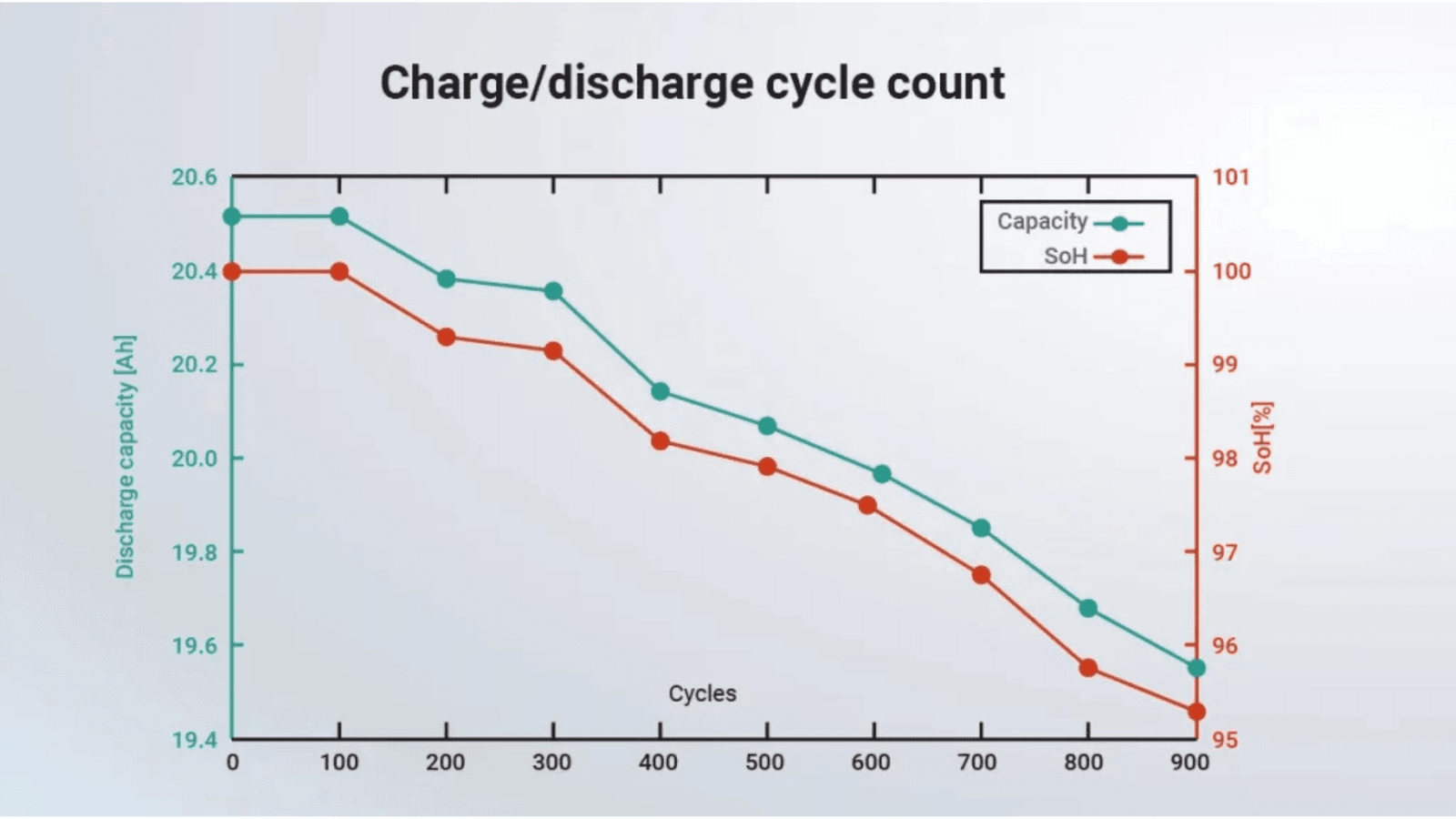
Battery SOH is the single biggest factor in determining how much your EV is worth. A buyer might overlook scratches or old tyres, but they will never overlook a weak battery.
What a good SOH looks like in 2026
85–100% SOH: Excellent condition, top resale value
80–84% SOH: Normal for a 3–5 year-old EV
Below 75% SOH: Buyers will expect a price drop
How to get a battery health report
You can obtain an SOH report from:
Your manufacturer service centre
Third-party tools like RecurrentAuto
Diagnostic apps (for Tesla, Hyundai, Kia, Nissan)
Tip: Upload the SOH certificate directly to your listing. Cars with verified SOH sell faster and for more money.
2. Confirm Battery and Drivetrain Warranty Coverage
Unlike ICE vehicles, battery warranties make a huge difference to resale confidence.
Most EVs still carry:
8 years or 100,000–150,000 miles on the high-voltage battery
5–8 years on drivetrain components
Buyers will pay a premium if:
The battery is still within warranty
The warranty is transferable (many are)
Tip: Add the exact warranty expiration date to your listing title and description. This can bump your price up by 5–10 percent.
3. Gather Your Complete Charging History
Buyers want proof that the battery hasn’t been abused.
Use sites like CarGurus, KBB, CarWale, or local classifieds to benchmark accurately.
9. Create a Trust-Building Listing Description
Your description should answer every question a buyer will have.
Include:
Battery SOH
Warranty dates
Charging habits
Recent service records
Software version
Tyre condition
Any accessories you’re including
Example:
“2022 Hyundai Ioniq 5, 37,800 miles, 88% SOH, still under 8-year battery warranty until 2030. Mostly home charged with very limited fast charging. Latest software installed. Comes with OEM charger + Type 2 cable.”
This type of listing sells quickly because it removes uncertainty.
10. Decide the Safest & Fastest Selling Option
You can sell your EV through:
Direct private sale (highest value)
Dealer or brand buyback
Online platforms (Carvana, Spinny, Cars24, etc.)
If you want the highest price, private sale is the best option. If you want the fastest and easiest experience, dealer buyback is simpler.
11. Be Ready for the Test Drive
Buyers will evaluate:
Battery temperature behavior
Regen braking smoothness
Ride quality (EV tyres matter a lot)
Noise levels (important for EVs)
Charging port functionality
Have the car at 80% charge when they arrive. It shows confidence.
If you want a complete breakdown of how the EV selling and buying process works, check out our full guide
Final Checklist Summary
Here is your simplified “highest price” checklist:
Must-Haves
Battery SOH report
Warranty documentation
Clean interior and charging port
Updated software
EV-rated tyres
Charging cable included
Strongly Recommended
Printed charging history
Small cosmetic fixes
Professional photos
Clear, honest listing description
Optional but Helpful
Fresh detail
12V battery replacement (if older than 3 years)
Home charger included (adds ₹10k–20k or $150–300 value)
Selling an EV well is all about reducing uncertainty for the buyer. The more transparent you are, the higher the price you will get.
I’ve been driving, testing, and living with electric vehicles for years — from early compact EVs to today’s high-performance models. My journey into e-mobility started out of curiosity but quickly turned into a mission to help others make smarter EV choices. At VeCharged, I break down real-world ownership insights, cost analysis, and charging know-how so you can buy, sell, or switch to an EV with total confidence.
Vecharged is the consumer protection and education initiative of Cleanpower.eco, an organization dedicated to providing a clear, unbiased, and authoritative voice in the clean energy transition. The experts at Cleanpower.eco recognized a critical crisis of trust: the shift to electric vehicles and solar power is one of the most important and expensive decisions a family will make. Yet, the landscape is flooded with biased reviews, confusing marketing, and paid-for endorsements. Vecharged was created to be the shield against that confusion. We were founded on a simple, non-negotiable constitution: We are radically independent. We accept no advertising, sponsorships, or paid placements from any product manufacturer. We have no commercial interest in the products we review. Our only metric for success is your empowerment. Our loyalty is to you, the consumer. Full stop. We ground our brutally honest, hands-on analysis in a deep, foundational understanding of the engineering. We are not just reviewers; we are your advocates.
We Drove the $10,000 BYD Dolphin Mini. Here’s Why the U.S. Can’t Have It. For months, the automotive world has been buzzing about a car that seems too good to be true: a stylish, feature-packed electric vehicle with a staggering sub-$10,000 price tag. It’s the BYD Dolphin Mini (also known as the Seagull), and it’s
As the first generation of solar panels installed across America in the early 2000s now reaches maturity, that question is no longer theoretical. We’re at a critical turning point. But this isn’t a story about failure. It’s the story of a challenge that brilliant engineers and entrepreneurs are turning into a massive opportunity. The Slow
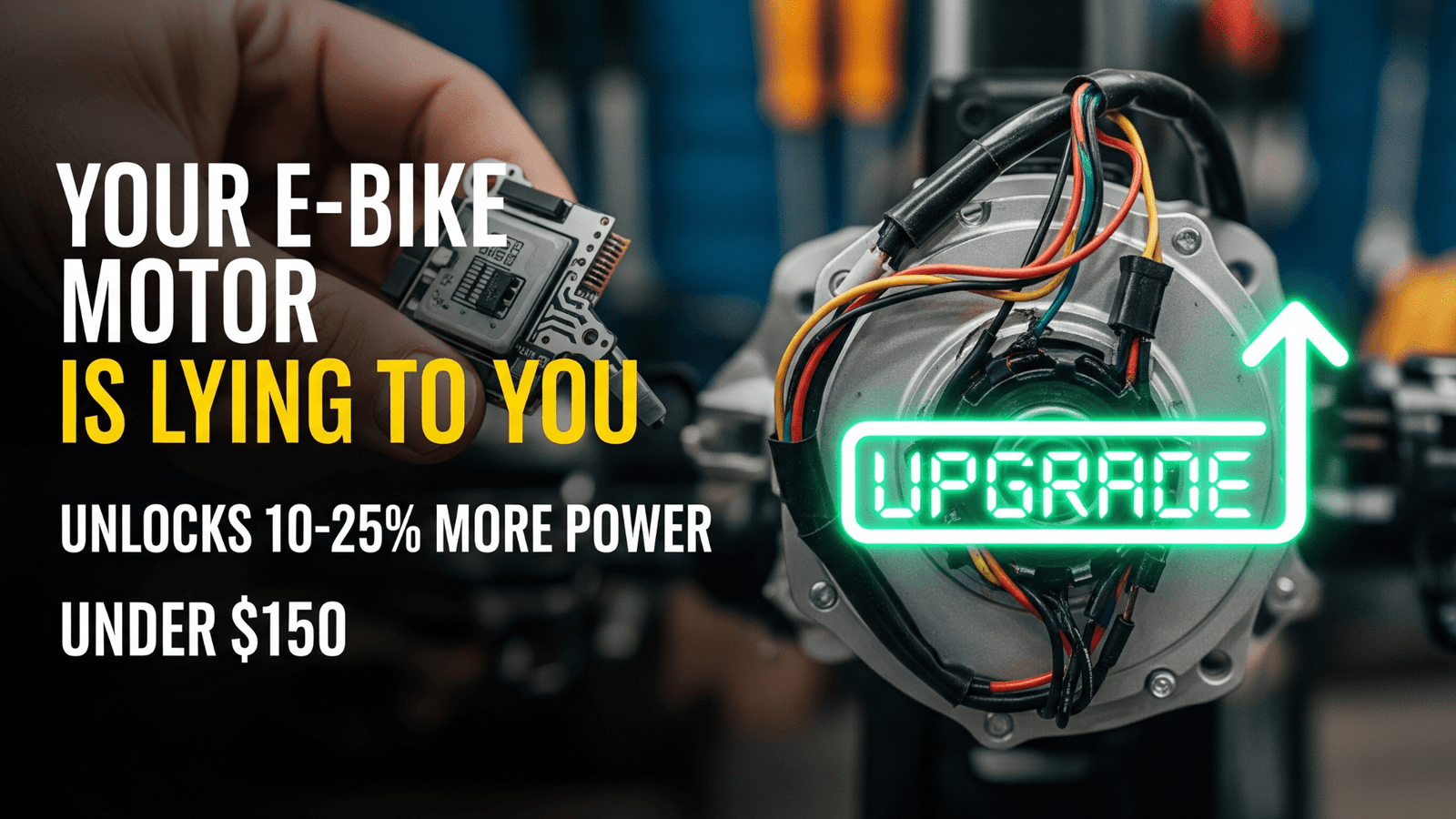
My Expert Guidance To Bypassing Artificial Limits While Managing Thermal Risk and Legal Exposure In my experience, no component on a stock e-bike lies more convincingly than the Controller. Manufacturers intentionally install a cheap, capped electronic brain to meet strict legal wattage caps (250W/750W). This creates an artificial bottleneck. Your motor is often capable of
When you hear that a tech giant like Google is “powering” its data centers with a new 600-megawatt solar farm, it’s easy to picture a simple extension cord running from the panels to the servers. The reality is far more complex and much more revolutionary. The most important part of this story isn’t just the