By Rahul — EV owner, reviewer, and long-time clean energy enthusiast
Financing or leasing an electric car in early 2026 is not the same as it was just one year ago. The biggest shift was the end of all federal EV tax credits on September 30, 2025, including:
The $7,500 Clean Vehicle Credit
The $4,000 Previously-Owned EV Credit
The commercial lease credit manufacturers had been using
Manufacturers can no longer claim any of these credits from the IRS.
What happened next was predictable: Brands like Ford and GM began subsidizing leases themselves to stop monthly payments from jumping overnight.
These 2025-style incentives are still influencing the market in early 2026, but they are no longer guaranteed, and many expired on December 31, 2025.
Important: Incentives and APRs discussed here reflect the transition period between late 2025 and early 2026. Always verify current offers—manufacturers update rates monthly.
Financing an EV in 2026: What Actually Matters
As someone who’s financed multiple EVs over the past decade, I can tell you that 2026 buyers must understand three core trends.
1. Interest rates remain elevated for used EVs
Late-2025 and early-2026 APRs show a clear pattern:
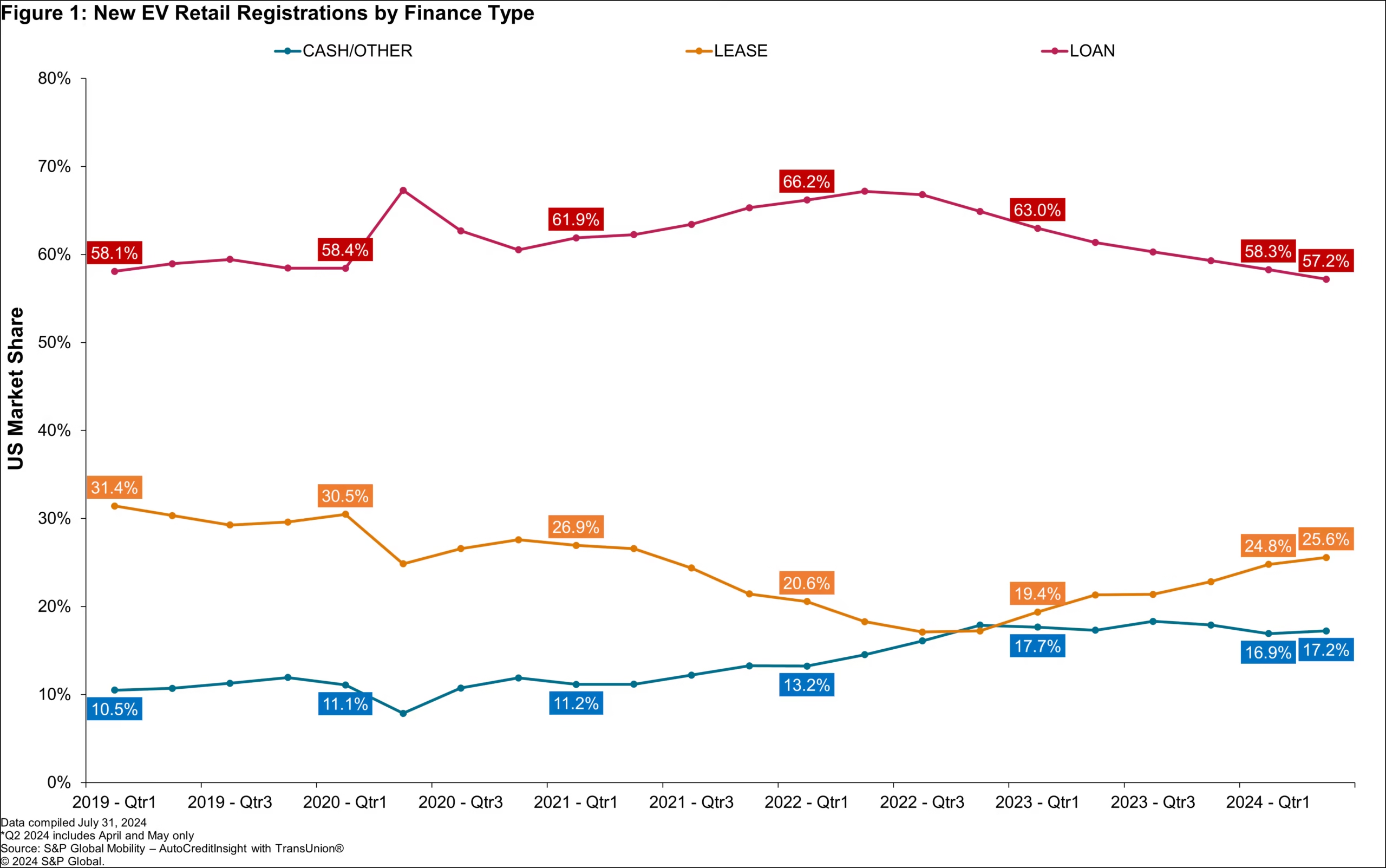
New EV Loans:5.9%–8.9% Used EV Loans:8.5%–12.5% Manufacturer Promo Rates (2026):0%–3% (varies monthly)
Examples as of early 2026 (based on Q4 2025 rollovers):
Ford Mach-E: 0% APR up to 60 months (may change after Q1 2026)
Time-Sensitive Note: Many Ford, Rivian, and Chevy lease programs from Q4 2025 expired on December 31. Early 2026 incentives will likely differ. Always check the latest offers.
EV Loan vs. Lease: Total Cost Analyzer
Compare the true financial commitment of buying vs. leasing your next EV.
1. Vehicle & Down Payment
2. Loan Details (Buying)
3. Lease Details (Renting)
4. Financial Comparison (Loan Term: 5 Years vs. Lease Term: 3 Years)
Metric
LOAN (Ownership)
LEASE (Use)
**Monthly Payment (Est.)**
—
—
**Total Paid Over Term**
—
—
**Net Equity / Cash Value**
—
—
**Disclaimer:** Loan Equity assumes vehicle sale at term end. Lease Equity is the cost of not owning the vehicle.
How to Get the Best EV Financing Rate (My Process)
Over the years, I’ve learned that securing the best rate is less about “finding the right bank” and more about understanding how lenders assess risk.
1. Choose a brand with stable resale value
Banks reward low-risk EV brands with better APRs.
Lower-risk brands (2026):
Tesla
Rivian
Hyundai
Kia
Ford (specific models)
Higher-risk brands:
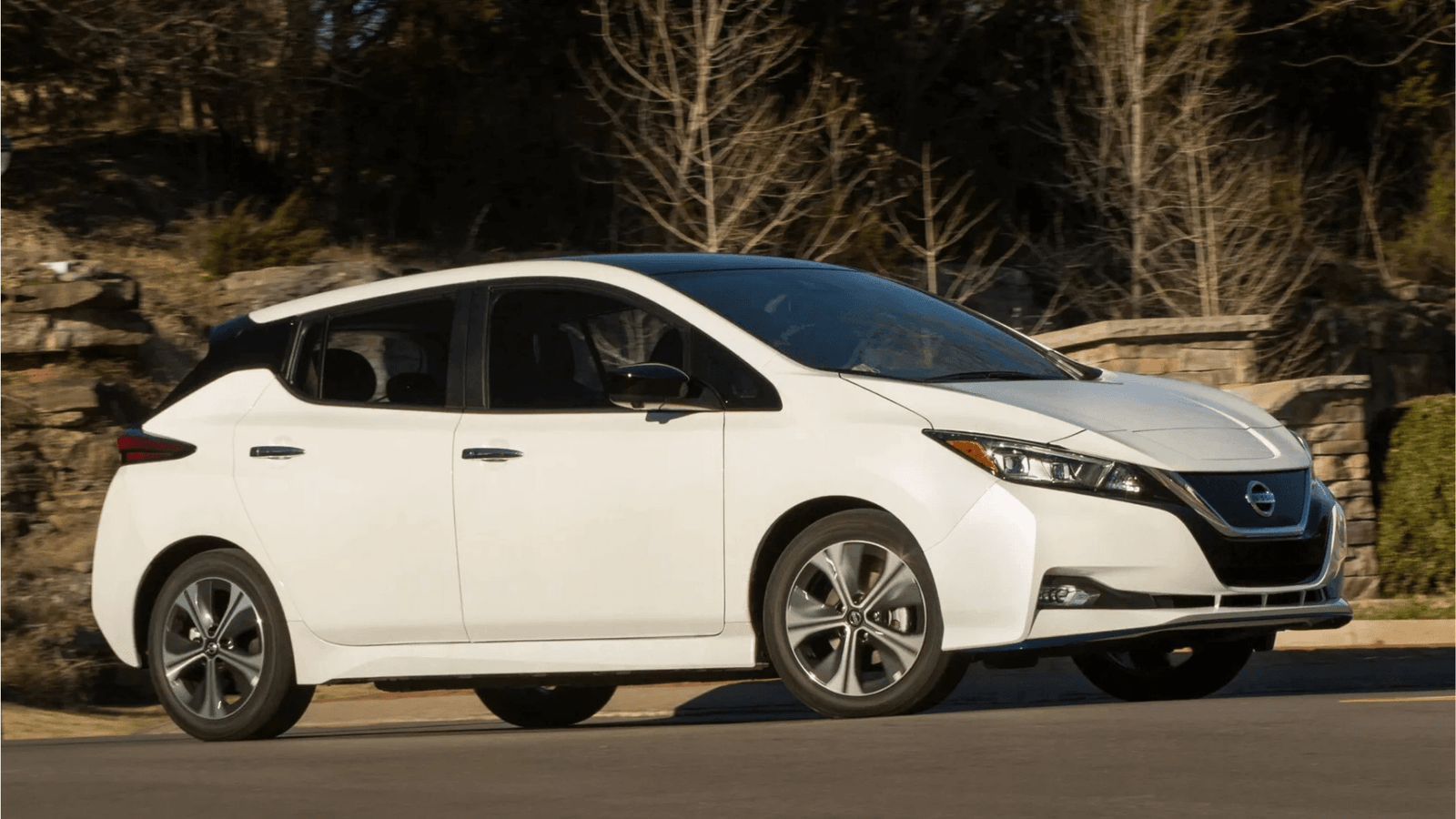
Early Nissan Leafs
Older Chevy Bolts
EVs without active cooling
Brand matters more than most buyers realize.
2. Increase your down payment
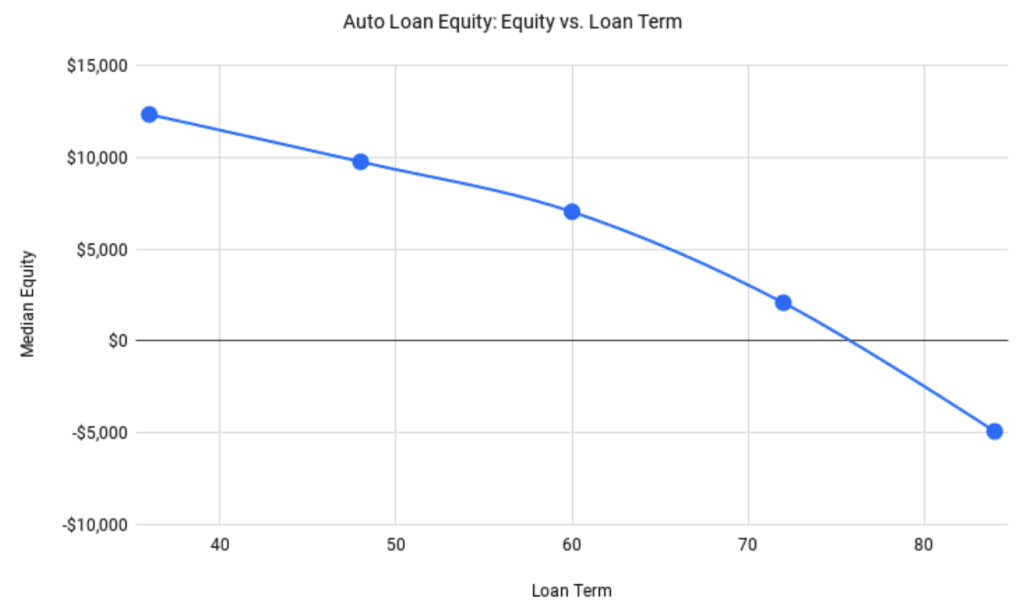
A higher down payment reduces lender risk and improves APRs.
My recommendations:
10% down for new EVs
20% down for used EVs
This keeps you from going underwater in the early years.
3. Compare offers from three different lender categories
Each has pros and cons:
Lender Type
Best For
Notes
Banks
New EVs
Conservative but stable
Credit Unions
Used EVs
Often the best APR for 3–5-year-old EVs
Manufacturer Financing
New leases and loans
Best for promo rates
Never rely on a single lender. Rates for EVs can vary significantly across institutions.
4. Use a battery SOH report to strengthen your position
Battery State of Health (SOH) is becoming increasingly important in 2026.
While not mandatory for all lenders, it is:
Required by many dealers for trade-ins
Used by EV-focused lenders
A strong negotiation tool for buyers
Accepted sources:
OEM diagnostic tools
Recurrent Auto reports
Dealership service reports
If you’re buying used, I wouldn’t proceed without one.
How to Get the Best EV Lease Deal in 2026
Leasing EVs is different from leasing gas cars. Here’s what to focus on.
1. Search for models with excess dealer inventory
High inventory = better lease terms.
Models often affected:
Mustang Mach-E
Ioniq 5 / EV6
Equinox EV
Inventory pressure leads to:
Below-invoice pricing
Added lease cash
Dealer flexibility
2. Ask the dealer one key question
This uncovers incentives 90% of buyers never see:
“What factory lease cash applies to this VIN today?”
This has saved me thousands over the years.
3. Understand lease return tire rules
EVs require High Load (HL) tires due to vehicle weight.
If you return a leased EV with standard tires—even if new—you may face:
$900–$1,200 in tire replacement charges.
Lease inspectors now check tire load rating, not just tread depth.
4. Choose the right mileage plan
Under 12,000 miles/year → lease is fine
Over 15,000 miles/year → financing is usually cheaper
This is where most lessees lose money.
Important Disclaimers for 2026 Buyers
1. Used EV Tax Credit Holdover Clause
If you purchased a qualifying used EV on or before Sept 30, 2025, and place it in service afterward, you may still be eligible for up to $4,000.
This applies only to buyers who signed before the deadline.
2. Incentives Change Monthly
Lease and APR deals mentioned here reflect the transition between late 2025 and early 2026. Always verify current incentives directly with manufacturers or dealers.
3. Geographic Note
This guide applies to U.S. EV financing and leasing. Other countries follow different rules, rates, and incentives.
Conclusion: The Smartest Move in 2026
If you want the lowest total ownership cost: Finance a 3–4-year-old EV with strong battery health.
If you want predictable payments and worry-free ownership: Lease a new EV with manufacturer-backed incentives.
If you want long-term value and plan to keep the vehicle: Finance new from a brand with strong resale performance.
The right answer depends on your financial priorities—but in 2026, the fundamentals have never been clearer.
I’ve been driving, testing, and living with electric vehicles for years — from early compact EVs to today’s high-performance models. My journey into e-mobility started out of curiosity but quickly turned into a mission to help others make smarter EV choices. At VeCharged, I break down real-world ownership insights, cost analysis, and charging know-how so you can buy, sell, or switch to an EV with total confidence.
Vecharged is the consumer protection and education initiative of Cleanpower.eco, an organization dedicated to providing a clear, unbiased, and authoritative voice in the clean energy transition. The experts at Cleanpower.eco recognized a critical crisis of trust: the shift to electric vehicles and solar power is one of the most important and expensive decisions a family will make. Yet, the landscape is flooded with biased reviews, confusing marketing, and paid-for endorsements. Vecharged was created to be the shield against that confusion. We were founded on a simple, non-negotiable constitution: We are radically independent. We accept no advertising, sponsorships, or paid placements from any product manufacturer. We have no commercial interest in the products we review. Our only metric for success is your empowerment. Our loyalty is to you, the consumer. Full stop. We ground our brutally honest, hands-on analysis in a deep, foundational understanding of the engineering. We are not just reviewers; we are your advocates.
Harnessing the Sun’s Power: Solutions for Homes Unsuitable for Rooftop Solar The allure of solar energy is undeniable. Imagine generating clean, renewable electricity to power your home and reduce your dependence on the grid. However, not every house is ideal for traditional rooftop solar panels. Here, we explore the reasons why your roof might not
Factors to Consider Before calculating the number of solar panels needed for your home, it is important to consider several factors that can affect the efficiency and output of your solar system. Energy Consumption: The amount of electricity you consume on a daily basis will play a significant role in determining the number of solar