Don’t get fooled by low upfront prices. True EV affordability is measured by battery health, maintenance savings, and long-term Total Cost of Ownership (TCO).
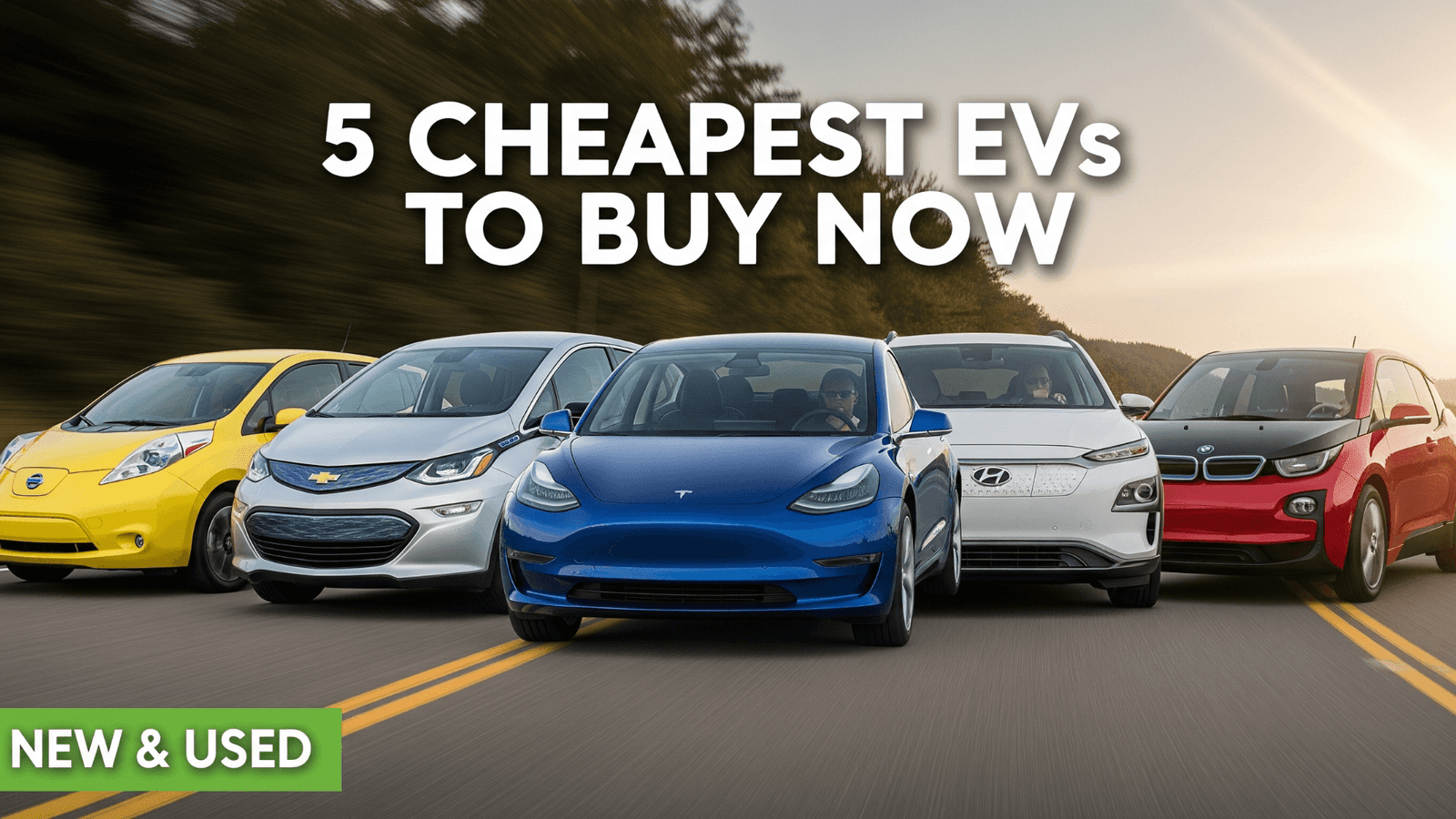
The dream of a sub $25,000 electric car is now a reality for savvy buyers—but the cheapest upfront price doesn’t always mean the best value. As a Vecharged expert, I’ve audited the market to identify the 5 cheapest new and used electric cars that deliver the best Return on Investment (ROI) over five years, focusing on crucial factors like battery degradation, charging speed, and long-term maintenance costs.
THE ROI CHALLENGE: Why “Cheap” Isn’t Always “Smart” in EVs
The used EV market is booming, driven by depreciation and expiring leases. However, a cheap price tag can hide costly problems if you don’t know what to look for.
What is the most important factor when buying a cheap used EV?
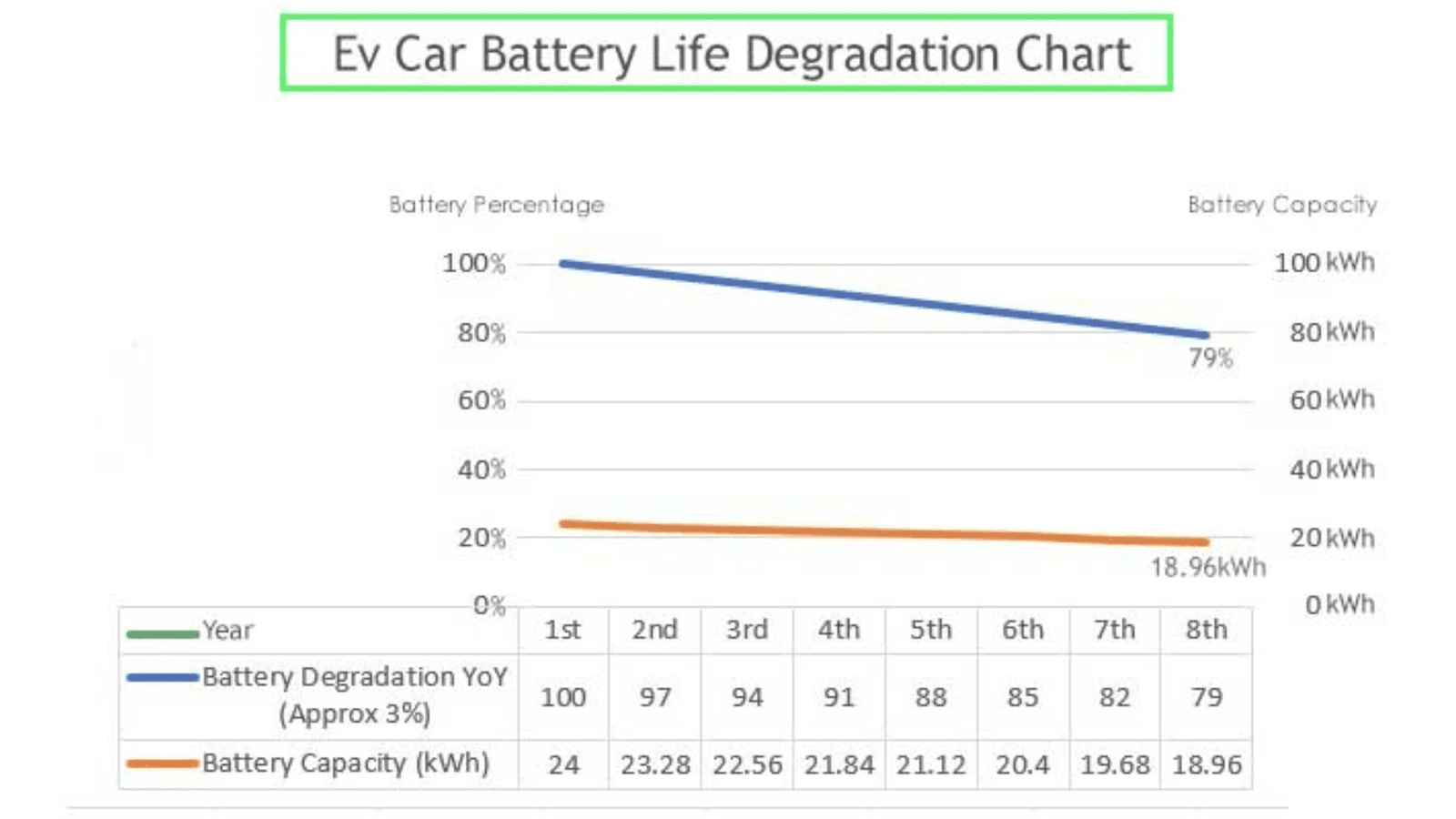
Battery health (State of Health – SoH) is the most critical factor. For a cheap used EV, always prioritize models with documented battery thermal management systems, as these minimize degradation. A cheap EV with a rapidly degrading battery is a long-term liability.
Depreciation Nuance: While some models (like the Chevrolet Bolt) have experienced extreme depreciation (up to 52% over 3 years), the average EV depreciation compounds to roughly 40%–49% after three years.
Warranty Buffer: Many used EVs still fall within their original 8-year/100,000-mile battery warranty, guaranteeing a minimum of 70% capacity.
THE Vecharged ROI AUDIT: Our 3-Point Scoring System
I ranked these vehicles based on a unique scoring system that goes beyond just purchase price:
Battery Longevity (SoH Retention): Models known for superior thermal management and minimal range loss.
Maintenance Savings (5-Year TCO): Lower parts cost, simplicity of design, and reduced fluid changes.
Charging Speed (Cost-Efficiency): Ability to fast charge efficiently, minimizing roadside charging time and cost per mile.
Used EV Priority Weighting Tool
Adjust the sliders to see which EV offers the best value based on YOUR priorities (Longevity, TCO, or Speed).
1. Set Your Priorities (Must Total 100%)
Total Weight: 100%
2. Vecharged ROI Rank (Weighted)
Rank
Model
Weighted Score
THE TOP 5: Your Cheapest EV Options with the Best ROI
Here are the new and used EVs that pass my rigorous ROI Audit, delivering the most bang for your buck.
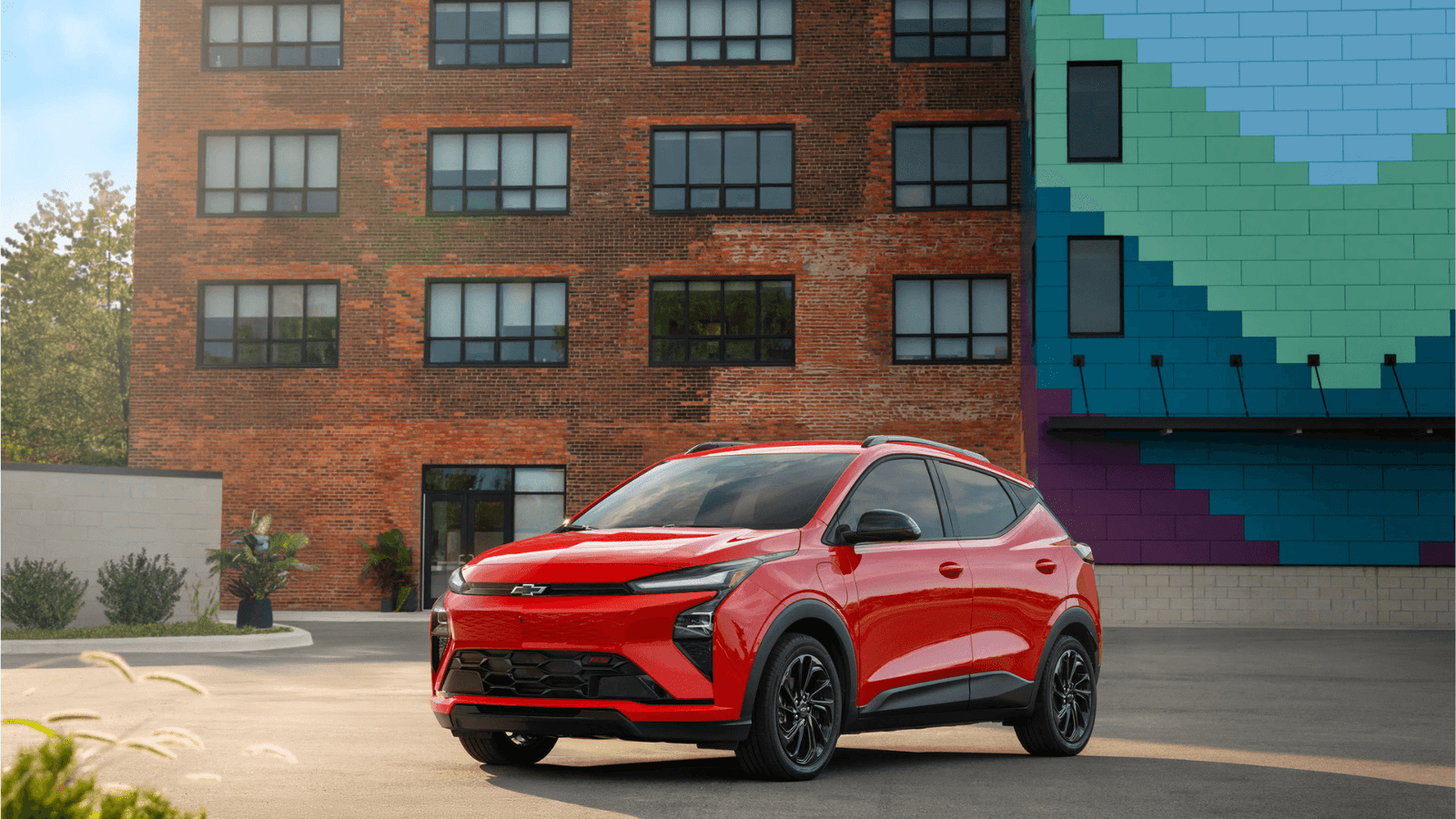
#1. Upcoming: Chevrolet Bolt EV (MSRP Under $30,000)
Why it’s #1: The 2027 model year Bolt, expected in early 2026, promises a true sub-$30,000 new price. It represents the best value for a new vehicle.
Battery Fact Check: This model will use a Lithium Iron Phosphate (LFP) battery, leveraging cells sourced from Chinese suppliers, NOT the original Ultium chemistry.
Perfect For: Buyers prioritizing a new car warranty and the lowest possible entry price (must be prepared to wait until 2026 to buy).
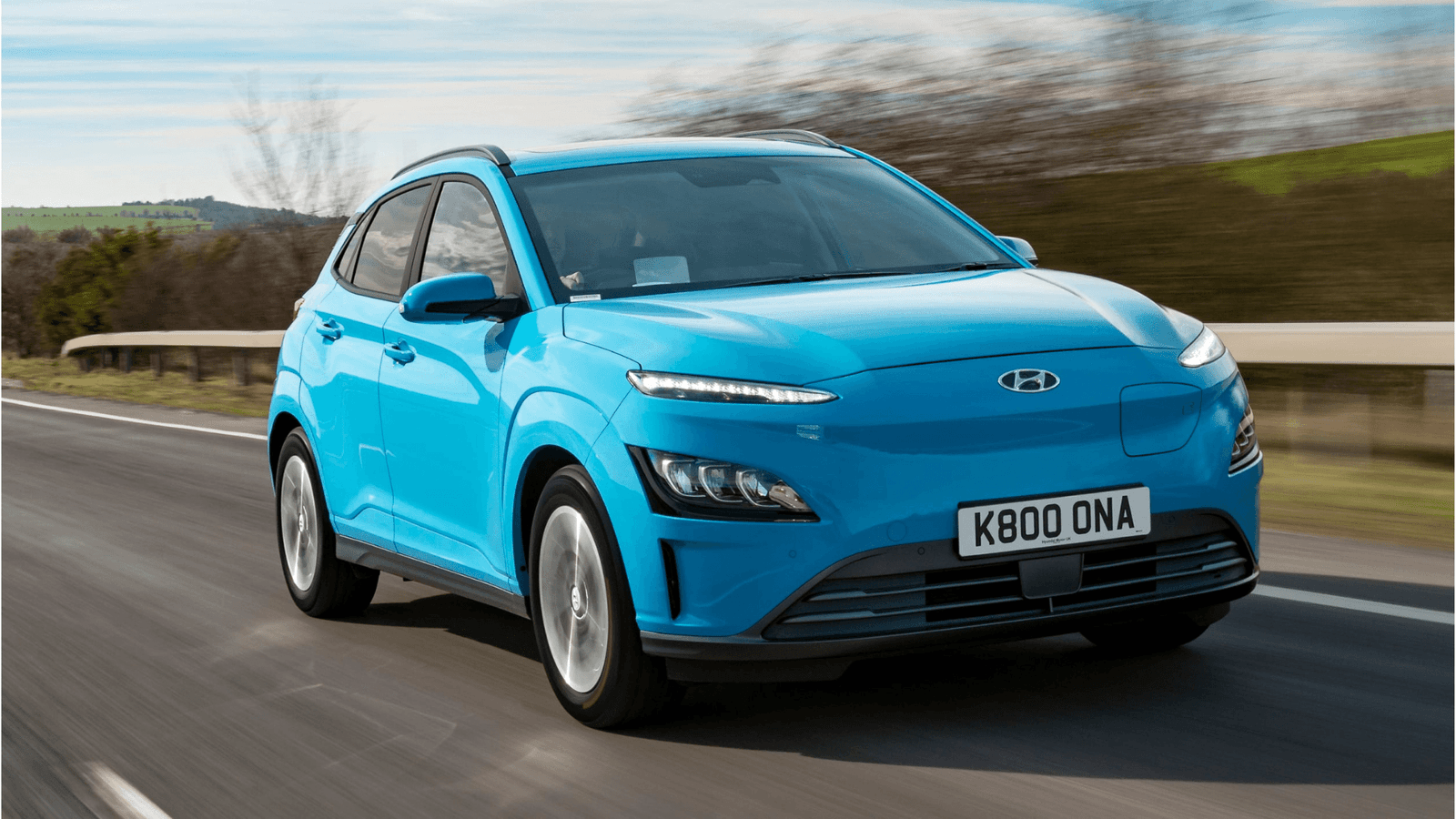
#2. Used: Hyundai Kona Electric (2019-2021) (Approx. $8,900 – $25,100)
Why it’s #2: Consistently praised for its efficiency and reliable battery. The 64 kWh battery offers excellent real-world range (up to 258 miles EPA).
ROI Audit Score:
Battery Longevity: Among the best in class due to liquid cooling. High SoH retention reported by owners.
Warranty Bonus: Covered by a robust, transferable 10-year/100,000-mile warranty.
Perfect For: Value-conscious buyers needing more range than a Leaf, urban/suburban driving.
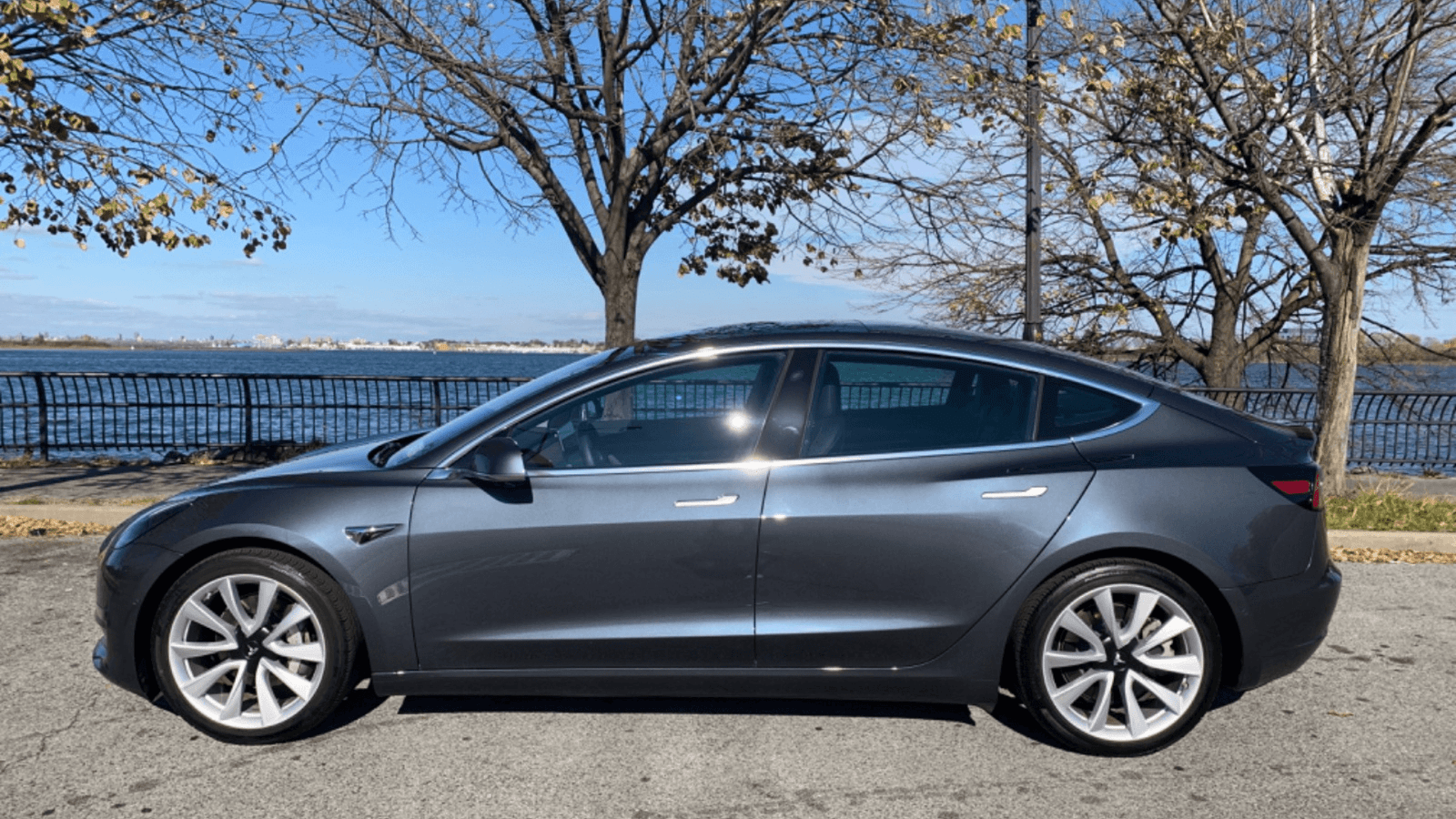
#3. Used: Tesla Model 3 (Standard Range, 2018-2020) (Approx. $11,000 – $34,500)
Why it’s #3: Still offers access to the Supercharger network and OTA updates. Depreciation has made early models highly affordable.
ROI Audit Score:
Battery Longevity: Very good, with strong thermal management. Degradation averages 1.8% per year.
Charging Speed: Excellent Supercharger access, but note the Standard Range maxes at 170 kW DCFC (the Long Range hits 250 kW).
Perfect For: Tech-savvy buyers, those prioritizing charging infrastructure and software features (Used prices range from $10,999 to $34,555).
#4. Used: Kia Niro EV (2019-2021) (Approx. $17,000 – $23,000)
Why it’s #4: Shares the excellent 64 kWh battery and powertrain with the Kona, offering similar reliability and range in a slightly more spacious package.
Why it’s #5 (The “New Tech” ROI): The 2025 Ioniq 5 SE starts at $42,600 MSRP. Its 800V architecture is a future-proof investment that guarantees rapid charging capability.
IMPORTANT TAX NOTE: While the federal EV tax credit ended September 30, 2025, check for state-level incentives or manufacturer discounts that may still apply, as the Ioniq 5’s tech value remains unbeatable.
ROI Audit Score:
Battery Longevity: Cutting-edge 800V system and thermal management promise excellent long-term health.
Charging Speed: Industry-leading 800V ultra-fast charging (10-80% in approximately 18 minutes) under optimal conditions is a massive long-term value.
Perfect For: Buyers prioritizing maximum charging speed and future-proof tech, benefiting from continued manufacturer price negotiation leverage.
Don’t Compromise on Battery Health
When buying an affordable EV, especially used, prioritize models known for robust battery health and thermal management. A slightly higher upfront cost for a better battery will deliver a significantly higher ROI over the next five years. Use this guide to find your perfect balance of price and long-term value.
I’ve been driving, testing, and living with electric vehicles for years — from early compact EVs to today’s high-performance models. My journey into e-mobility started out of curiosity but quickly turned into a mission to help others make smarter EV choices. At VeCharged, I break down real-world ownership insights, cost analysis, and charging know-how so you can buy, sell, or switch to an EV with total confidence.
Vecharged is the consumer protection and education initiative of Cleanpower.eco, an organization dedicated to providing a clear, unbiased, and authoritative voice in the clean energy transition. The experts at Cleanpower.eco recognized a critical crisis of trust: the shift to electric vehicles and solar power is one of the most important and expensive decisions a family will make. Yet, the landscape is flooded with biased reviews, confusing marketing, and paid-for endorsements. Vecharged was created to be the shield against that confusion. We were founded on a simple, non-negotiable constitution: We are radically independent. We accept no advertising, sponsorships, or paid placements from any product manufacturer. We have no commercial interest in the products we review. Our only metric for success is your empowerment. Our loyalty is to you, the consumer. Full stop. We ground our brutally honest, hands-on analysis in a deep, foundational understanding of the engineering. We are not just reviewers; we are your advocates.
It’s midnight. The house is quiet, the day is done, and everything is turned off. But look closer. A tiny green light glows on your TV. A soft blue LED pulses from your game console. Your phone charger, laptop adapter, and coffee maker are all sitting there, silently waiting. They may seem off, but they
In the world of portable power, four titans dominate the landscape: EcoFlow, Jackery, Bluetti, and Anker. Each brand commands a loyal following, but choosing between them can be overwhelming. Are you looking for the fastest charging, the longest-lasting battery, the most power, or the best overall value? Forget sorting through dozens of spec sheets and
You’re standing in the airport security line. You’ve got your laptop, your phone, a big new power bank for your trip, maybe even some drone batteries. And a nagging, expensive thought hits you: “Am I allowed to fly with this?” You have a vague memory of some rule, a story from a friend who had a
You’ve seen the headlines about the new ‘salt’ battery. Tech sites are buzzing, calling it a potential “lithium killer.” They’ll tell you about its chemistry, its performance in the cold, and the first few products to use it. This is not one of those articles. They are missing the real story. As an engineer, I