If you’re shopping for a used electric vehicle, you are holding a golden ticket to freedom from the gas pump. But I have a critical warning for you, and it could save you the cost of a down payment.
The single most valuable component—the battery—is also the easiest to hide. You can’t see its true health simply by driving it around the block. You could be buying a vehicle that looks perfect, but which has a battery health (State of Health, or SoH) of just 65% leaving you stranded with crippling range anxiety.
The entire used EV market is filled with traps, pitfalls, and people who know you don’t know the most critical question to ask. This article exposes the 5 worst places to buy and reveals the ONLY platform that provides the guaranteed safety net you need.
What is the most critical factor when buying a cheap used EV?
Battery health (State of Health – SoH) is the single most critical factor. Always prioritize models with documented battery thermal management systems. A cheap EV with a rapidly degrading battery is a long-term liability.
Depreciation Nuance: While some models (like the Chevrolet Bolt) have experienced extreme depreciation (up to 52% over 3 years), the average EV depreciation compounds to roughly 40%–49% after three years.
Warranty Buffer (The True Safety Net): Many used EVs still fall within their original 8-year/100,000-mile battery warranty, guaranteeing a minimum of 70% capacity. This warranty is your primary defense against catastrophic failure.
The Used EV Battery Risk Calculator
Calculate the time until your used EV battery hits the 70% replacement threshold.
1. Set Vehicle & Warranty
Hyundai/Kia offer 10 years, others offer 8 years. Check if yours is transferable.
2. Select Battery Risk Profile
High loss rates are typical for older, poorly managed batteries.
3. Estimated Time & Cost Risk
Time Until 70% Capacity
—
Battery Replacement Cost (Est.)
$12,000
Your Financial Exposure
—
**VERDICT:** This result shows your financial risk of needing a replacement *after* the warranty expires.
5 WORST PLACES TO BUY: High-Risk, Low-Trust Traps
These sources offer low prices, but they provide zero transparency and no financial recourse when the battery inevitably degrades faster than expected.
❌ Trap 1: The Technical Time Bomb (Air-Cooled Models Without Certification)
The Risk: Vehicles like the early Nissan Leaf used passive, air-cooled thermal management, leading to severe, rapid battery degradation in hot climates (e.g., Arizona, Texas).
The Verdict: These cars are cheap ($5,000 – $10,000), but they may have lost 30% to 50% of their original range. This is the biggest problem in the used EV market.
❌ Trap 2: Traditional Dealerships (The Ignorance Trap)
The Risk: The salesperson likely knows very little about EV-specific battery health and may be reluctant or unable to perform comprehensive diagnostics. Their CPO inspections verify functionality, not necessarily minimum SoH.
The Verdict: You are relying on a general inspection that is insufficient for the most valuable component in the car.
❌ Trap 3: Large, Non-Specialized Online Platforms (The Data Void)
The Risk: Sites like Carvana or CarGurus offer convenience but provide no technical transparency. They rarely provide a verified Battery Health Certificate.
The Verdict: You are trading long-term safety for short-term convenience.
❌ Trap 4: Auto Auctions (The Financial Catastrophe)
The Risk: Auctions provide no test drive, no inspection, and zero warranty. This is pure financial gambling.
The Verdict: The risk of acquiring a severely abused or thermally compromised battery pack is astronomical. This is a gamble you cannot afford to take.
❌ Trap 5: Local Classifieds (The Zero-Recourse Risk)
The Risk: You are dealing directly with an unverified private seller. You have no legal protection, and they often cannot provide the required warranty documentation.
The Verdict: If the battery is degraded, you are 100% responsible for the future replacement cost.
The Only Platform That Protects Your Investment
You need more than a test drive; you need a guarantee backed by the original manufacturer.
The #1 Platform That Protects Your Investment: Certified Pre-Owned (CPO) Programs
The safest platform for purchasing a used EV is through the manufacturer’s Certified Pre-Owned (CPO) program (e.g., Hyundai CPO, Kia CPO, Ford Blue Certified).
The Primary Advantage: Transferable Warranty: The most valuable benefit is the transferable 8-year/100,000-mile battery warranty. Automakers like Hyundai and Kia often extend this to 10-years/100,000-miles and it remains fully transferable to the second owner, making them the safest bet in the used market.
Battery Testing Reality: While CPO programs check battery systems for fault codes and verify capacity, they do not universally require an 80% SoH minimum. You should still ask for a third-party diagnostic test.
Final Action: Your financial security demands a confirmed, written answer that the battery warranty is fully transferable to you.
I’ve been driving, testing, and living with electric vehicles for years — from early compact EVs to today’s high-performance models. My journey into e-mobility started out of curiosity but quickly turned into a mission to help others make smarter EV choices. At VeCharged, I break down real-world ownership insights, cost analysis, and charging know-how so you can buy, sell, or switch to an EV with total confidence.
Vecharged is the consumer protection and education initiative of Cleanpower.eco, an organization dedicated to providing a clear, unbiased, and authoritative voice in the clean energy transition. The experts at Cleanpower.eco recognized a critical crisis of trust: the shift to electric vehicles and solar power is one of the most important and expensive decisions a family will make. Yet, the landscape is flooded with biased reviews, confusing marketing, and paid-for endorsements. Vecharged was created to be the shield against that confusion. We were founded on a simple, non-negotiable constitution: We are radically independent. We accept no advertising, sponsorships, or paid placements from any product manufacturer. We have no commercial interest in the products we review. Our only metric for success is your empowerment. Our loyalty is to you, the consumer. Full stop. We ground our brutally honest, hands-on analysis in a deep, foundational understanding of the engineering. We are not just reviewers; we are your advocates.
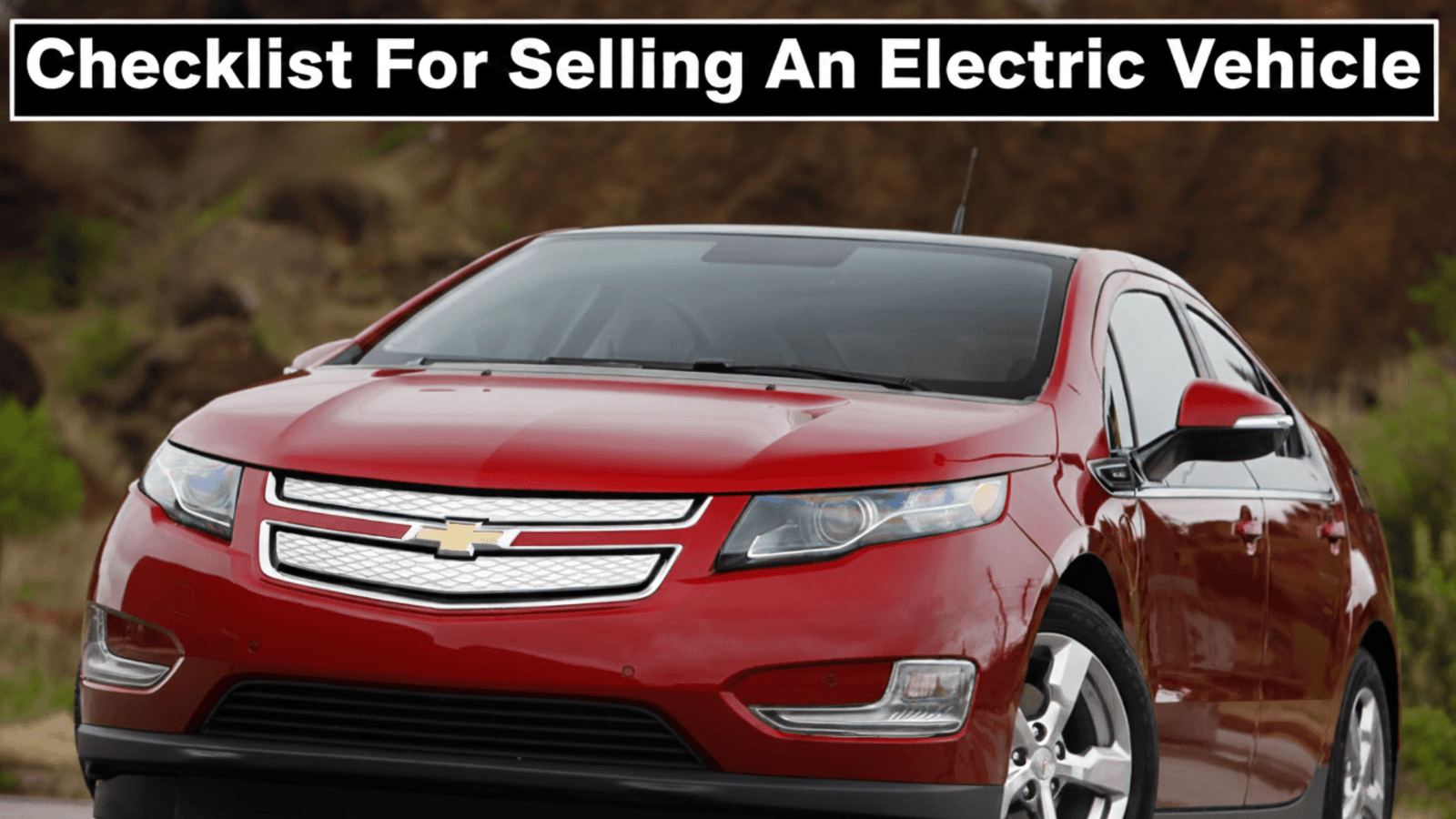
Selling an electric car is very different from selling a petrol or diesel vehicle. Buyers today care less about the odometer and more about battery health, charging history, warranty coverage, and software features. The good news is that a well-maintained EV can still command strong resale value if you prepare it properly. This guide gives
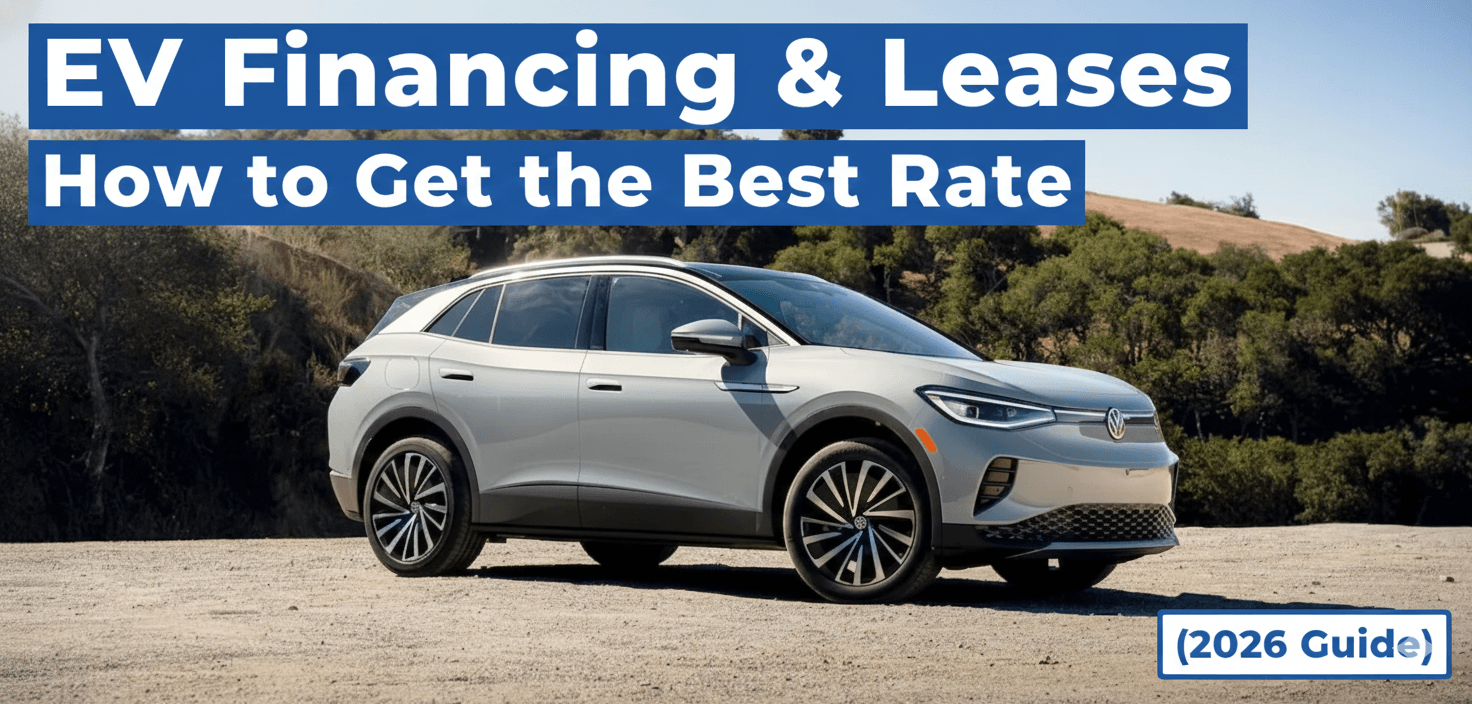
By Rahul — EV owner, reviewer, and long-time clean energy enthusiast Financing or leasing an electric car in early 2026 is not the same as it was just one year ago. The biggest shift was the end of all federal EV tax credits on September 30, 2025, including: Manufacturers can no longer claim any of
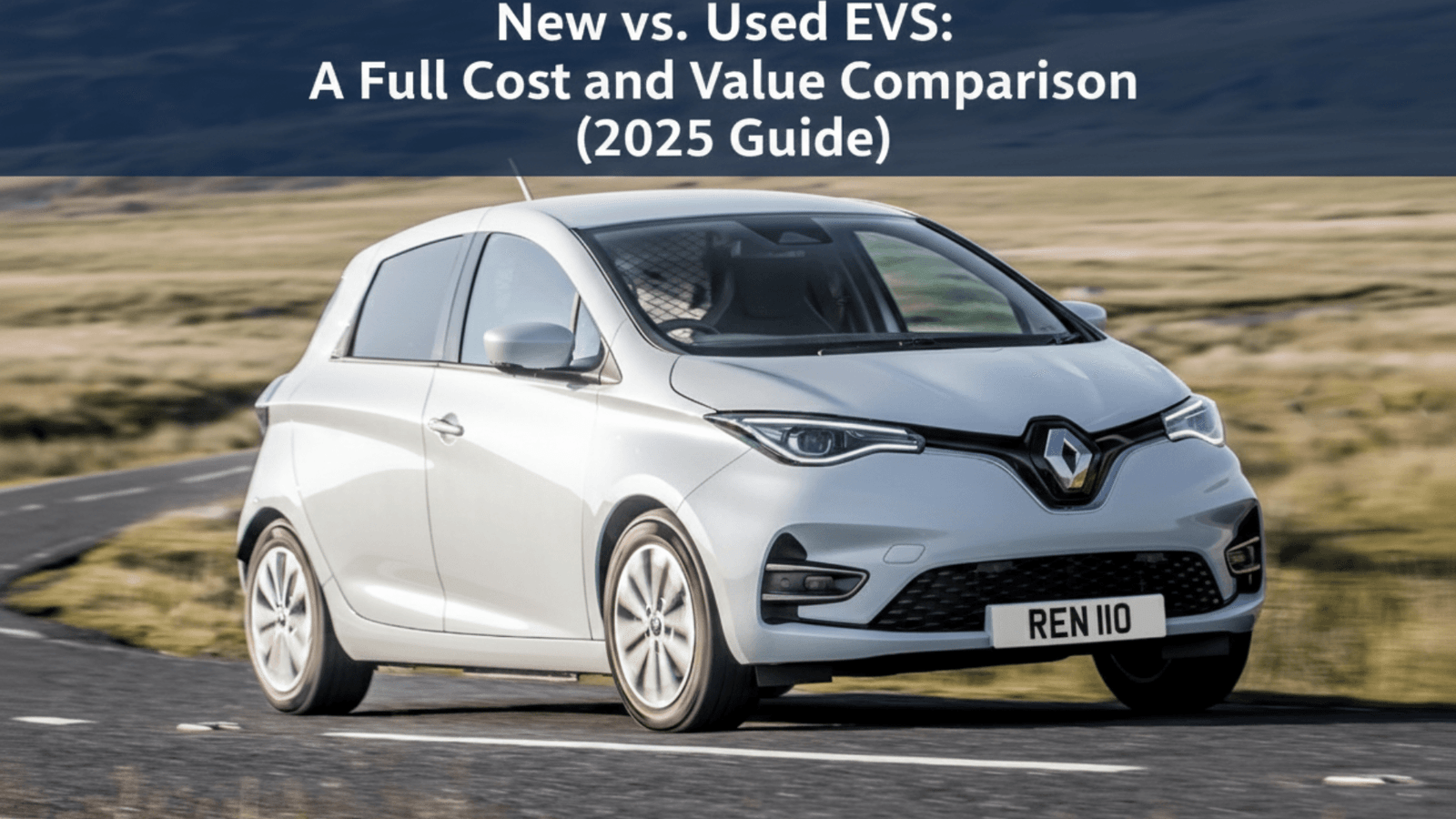
By Rahul — EV Enthusiast & Automotive Analyst at VeCharged ⚠️ Important Disclaimer (Must Read) The Clean Vehicle Credit program (new EV $7,500 credit + used EV $4,000 credit) ended on September 30, 2025. This single policy change fundamentally shifts the cost comparison between new and used EVs. If you’re planning to buy or sell
For the last decade, the electric vehicle revolution was defined by range, speed, and charging networks. As we close out 2025, the conversation is fundamentally shifting. For a growing number of buyers, the most important feature of their next car won’t be how it drives—but how it powers their life when it’s parked. Vehicle-to-Home (V2H)