As an engineer, I can tell you that dirty solar panels can lose up to 25% of their efficiency. The solution? A new class of autonomous robots. But are they a game-changer or a gimmick? Here’s the expert breakdown.
My name is Suhas. When I design a solar system, I’m calculating the potential of every sunbeam. But there’s a silent killer of that potential that most people forget about until it’s too late: dirt.
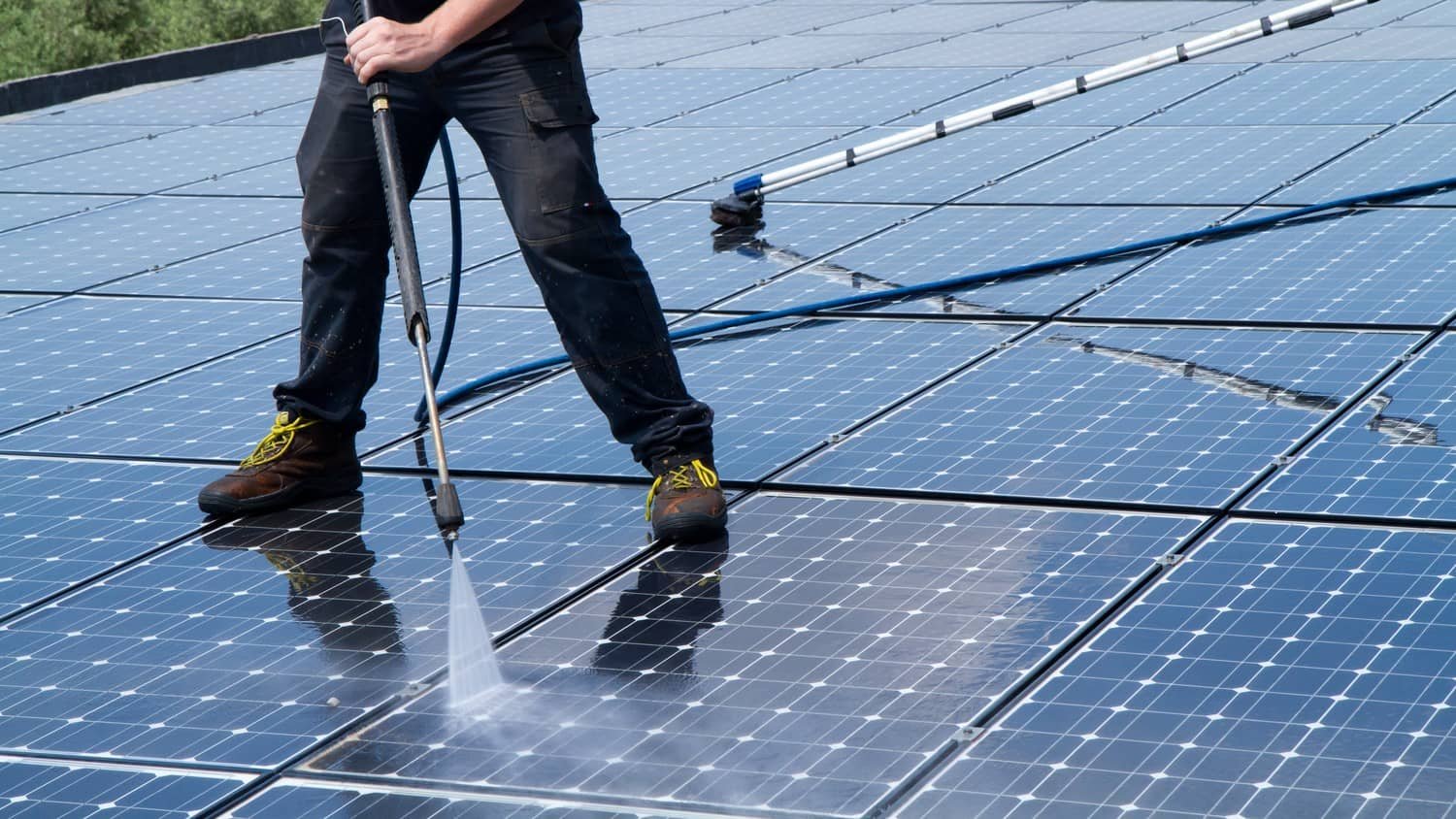
A thin layer of dust, bird droppings, or pollen can slash your system’s output by 5-10%. In a dusty climate after a long dry spell, I’ve seen that number hit a staggering 25%. You could be losing hundreds of dollars in energy production simply because your panels are dirty. The traditional solution has been a precarious climb onto the roof with a bucket and a brush.
But the future of solar maintenance is not on a ladder. It’s autonomous. It’s robotic. And it’s already here.
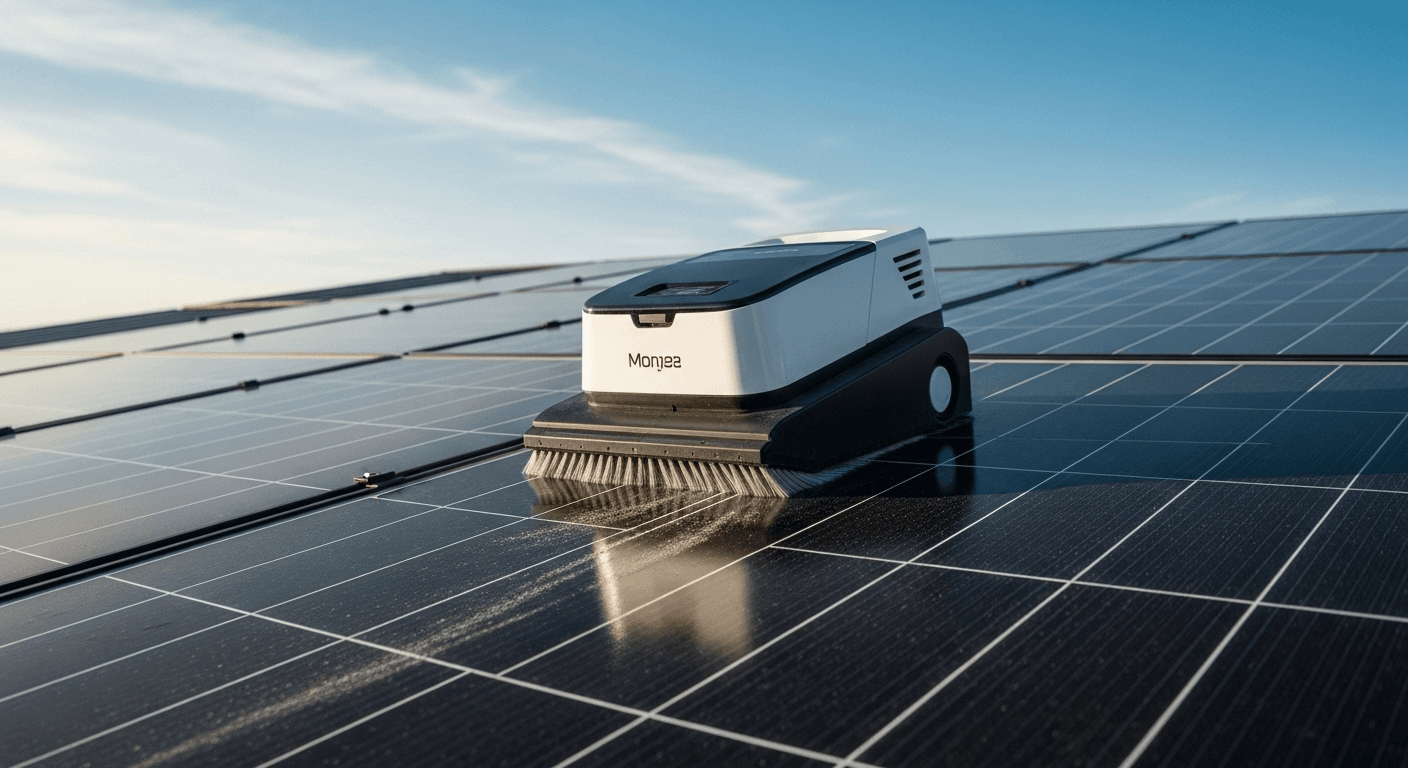
Meet the solar panel cleaning robot—a machine I like to call the “Roomba for your roof.”
How Do They Actually Work?
Imagine a miniaturized, robotic car wash designed to live on your solar array. These devices are marvels of engineering:
They are Autonomous: Using a combination of sensors and smart navigation, they can map out your specific solar array and clean every panel without human intervention.
They Use a “Dry Clean” Method: Most use soft, rotating microfiber brushes to gently whisk away dust and debris without a single drop of water, which is crucial in drought-prone areas.
They Are Self-Powered: The robot itself is solar-powered, so it lives on its docking station at the edge of your array, charging itself during the day and waiting for its next scheduled cleaning cycle, often in the cool of the early morning.
The Big Question: Are They Actually Worth It?
This is where my engineering brain kicks in. The answer is a classic: it depends.
A solar cleaning robot is a brilliant investment if:
You live in a dry, dusty, or arid climate (think Arizona, Nevada, or large parts of India and the Middle East) where rain is infrequent.
You have a large residential solar array where a 10% efficiency loss represents a significant amount of money.
Your roof is steep, high, or difficult to access safely, making manual cleaning dangerous or expensive.
It is probably an unnecessary luxury if:
You live in a region with frequent rainfall (like the Pacific Northwest or the British Isles), as the rain will do 80% of the cleaning for you, for free.
You have a very small system (like a balcony or RV setup) where the cost of the robot would outweigh the energy savings.
The Brands Leading the Robotic Revolution
While still a niche market, a few key players are defining the future of automated panel maintenance:
Ecovacs Robotics: Known for their home vacuum robots, they have developed a sophisticated commercial-grade cleaning robot.
Huasun: A major player in the industrial space, their technology is now trickling down to residential-sized systems.
Serbot: An innovator in the space, offering a range of autonomous robotic solutions.
My Final Word: The Dawn of the Self-Maintaining Home
The solar panel cleaning robot is more than just a cool gadget. It represents the future of the smart, energy-independent home—a home that doesn’t just produce its own power, but intelligently maintains its own assets.
While it may be a niche product today, the underlying principle is a powerful one. As our homes become more electrified and self-sufficient, the technologies that automate their upkeep will become the new standard. This is one of the first and most exciting steps into that future.
Suhas Shrikant is the founder of Vecharged and an engineering enthusiast specializing in high-power off-grid solar systems. He has designed and built over a dozen custom systems and uses his hands-on, field-tested experience to create Vecharged’s expert guides and reviews.
Vecharged is the consumer protection and education initiative of Cleanpower.eco, an organization dedicated to providing a clear, unbiased, and authoritative voice in the clean energy transition. The experts at Cleanpower.eco recognized a critical crisis of trust: the shift to electric vehicles and solar power is one of the most important and expensive decisions a family will make. Yet, the landscape is flooded with biased reviews, confusing marketing, and paid-for endorsements. Vecharged was created to be the shield against that confusion. We were founded on a simple, non-negotiable constitution: We are radically independent. We accept no advertising, sponsorships, or paid placements from any product manufacturer. We have no commercial interest in the products we review. Our only metric for success is your empowerment. Our loyalty is to you, the consumer. Full stop. We ground our brutally honest, hands-on analysis in a deep, foundational understanding of the engineering. We are not just reviewers; we are your advocates.
We Drove the $10,000 BYD Dolphin Mini. Here’s Why the U.S. Can’t Have It. For months, the automotive world has been buzzing about a car that seems too good to be true: a stylish, feature-packed electric vehicle with a staggering sub-$10,000 price tag. It’s the BYD Dolphin Mini (also known as the Seagull), and it’s
As the first generation of solar panels installed across America in the early 2000s now reaches maturity, that question is no longer theoretical. We’re at a critical turning point. But this isn’t a story about failure. It’s the story of a challenge that brilliant engineers and entrepreneurs are turning into a massive opportunity. The Slow
My Expert Guidance To Bypassing Artificial Limits While Managing Thermal Risk and Legal Exposure In my experience, no component on a stock e-bike lies more convincingly than the Controller. Manufacturers intentionally install a cheap, capped electronic brain to meet strict legal wattage caps (250W/750W). This creates an artificial bottleneck. Your motor is often capable of
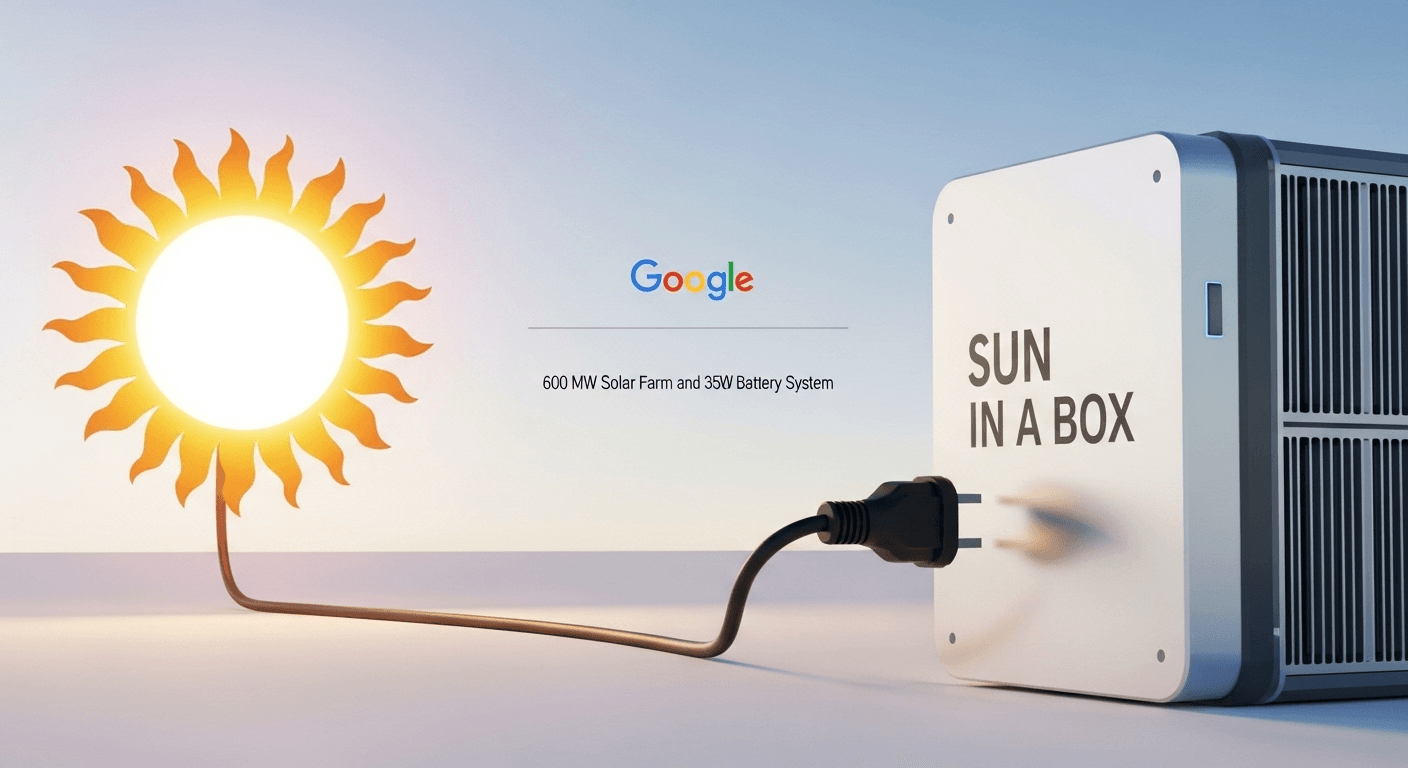
When you hear that a tech giant like Google is “powering” its data centers with a new 600-megawatt solar farm, it’s easy to picture a simple extension cord running from the panels to the servers. The reality is far more complex and much more revolutionary. The most important part of this story isn’t just the