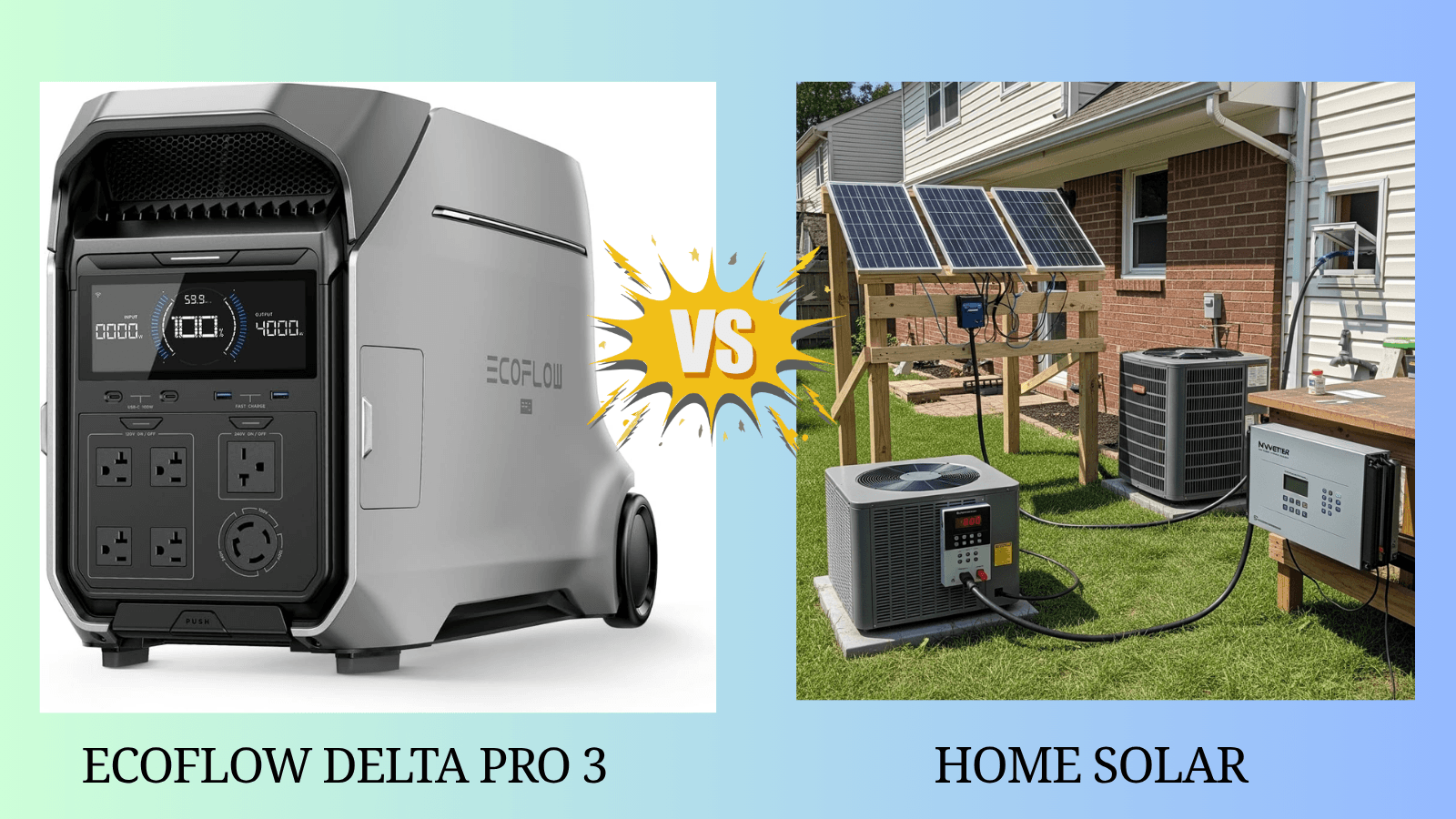
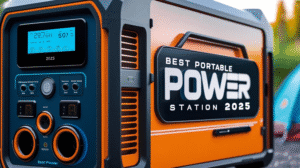
The new Delta Pro 3 is a triumph of portable power engineering. We review its incredible capabilities and then ask the expert question: For stationary home backup, can you achieve true power independence for the same money?
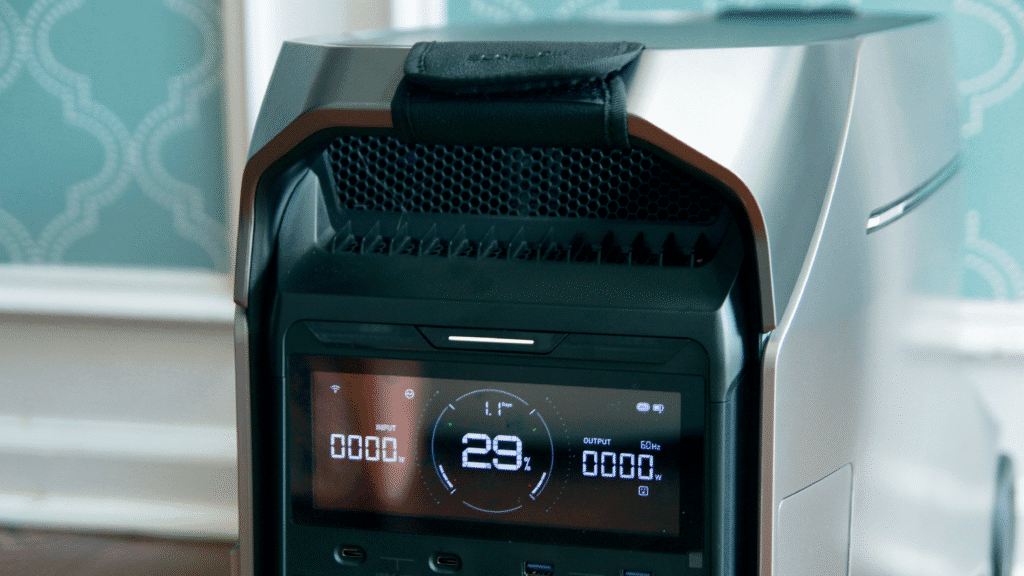
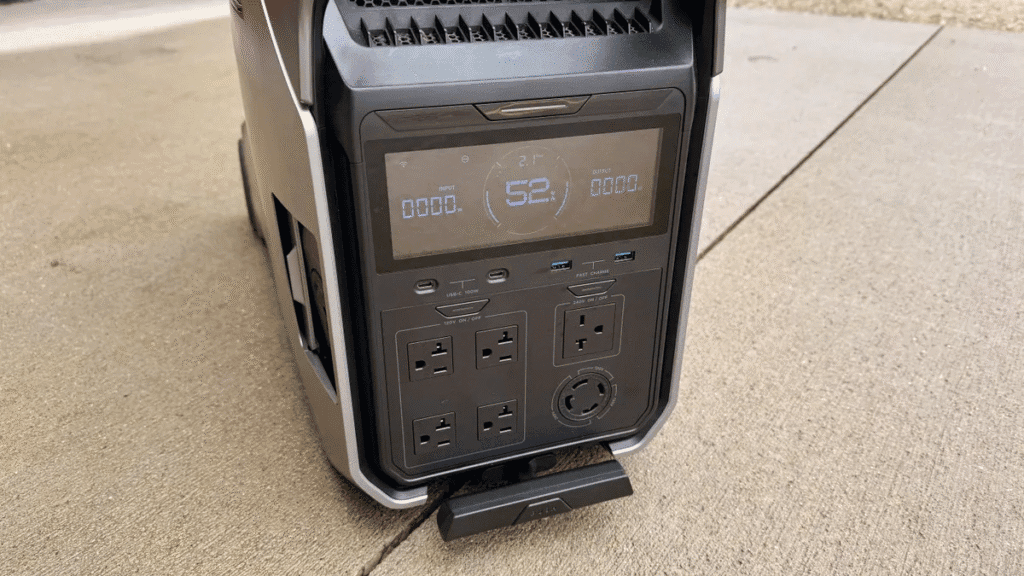
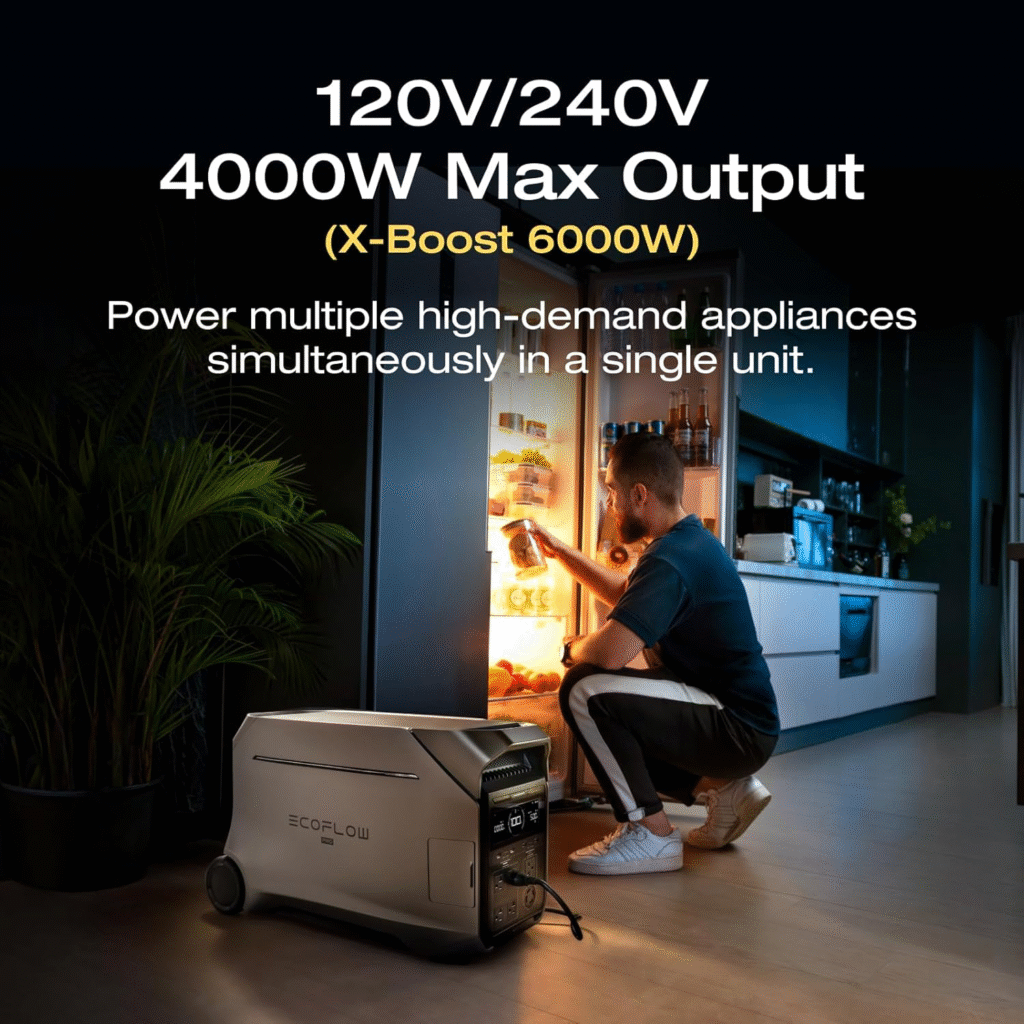
In the rapidly escalating arms race of portable power stations, a few products stand out as true behemoths. The new EcoFlow Delta Pro 3 is one of them. With a staggering 4,000 watts of continuous output and a sleek, all-in-one design, it presents a compelling vision of the future: a single, powerful box that can run your entire life during a blackout.
Professional reviews from respected outlets like ZDNet and TechRadar have praised its ability to seamlessly power demanding appliances like refrigerators and even central A/C units, something previously unthinkable for a “portable” unit. It’s a plug-and-play powerhouse, a masterpiece of convenience engineering.
But as we celebrate this incredible technology, we must also ask the hard-nosed expert question: Are you paying a premium for portability you may not need?
For those of us who live and breathe off-grid systems, the Delta Pro 3’s price tag—often north of $3,000—begs a comparison. For the same investment, if your primary goal is robust home backup rather than road-tripping, could you build a stationary system that offers even more power and flexibility?
This is the ultimate showdown: the pinnacle of portable convenience versus the raw power of a custom-built system.
The Review: Why the EcoFlow Delta Pro 3 is a True Marvel
First, let’s give credit where it’s due. The Delta Pro 3 is a triumph. Based on official specs and hands-on reviews, its strengths are undeniable.
Raw Power on Demand: With a 4,000W continuous pure sine wave inverter and an “X-Boost” capability to push even higher, it can run nearly any household appliance without breaking a sweat. From microwaves to power tools, it just works.
The LFP Advantage: It utilizes LiFePO4 (LFP) batteries, the gold standard for safety and longevity. This means thousands of charge cycles before any significant degradation, a massive improvement over older lithium-ion chemistries.
A Connected Ecosystem: The EcoFlow app provides a slick, intuitive way to monitor and control the unit. Furthermore, it’s expandable. You can chain extra batteries to it, growing your energy storage as your needs and budget allow.
Blazing Fast Charging: It can be recharged with astonishing speed from a standard wall outlet, an EV charging station, or a massive solar array, making it incredibly versatile.
Even on community forums like Reddit, new owners are consistently impressed, often describing its capability as “something else” right out of the box. For anyone who needs massive power on the go—for RVs, mobile businesses, or multi-day camping trips—the Delta Pro 3 is arguably the best all-in-one solution money can buy.
The Expert’s Dilemma: The Price of Portability
Here is where the conversation pivots. That beautifully designed, wheeled box contains three key components: a battery, an inverter, and a charge controller. By packaging them together, you gain immense convenience but pay a premium for that integration and portability.
If your “portable” power station spends 99% of its life sitting in your garage waiting for a blackout, you’re essentially paying for wheels you never use.
So, what if we took the same budget and “unboxed” the components?
The Alternative: Building Your Own Stationary Powerhouse
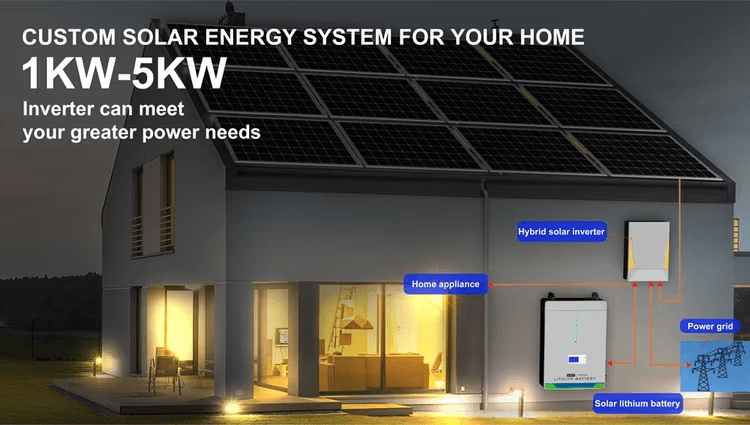
For the same price as a single Delta Pro 3, you can purchase the individual components for a stationary system that, while not portable, is significantly more powerful in key areas.
Here’s a sample component list for a comparable budget:
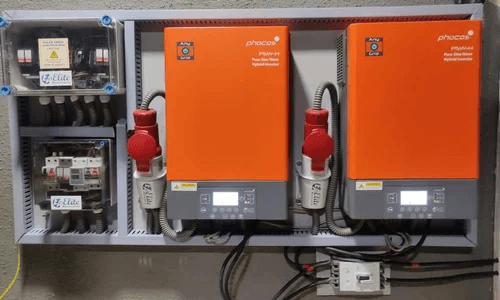
A 48V Hybrid Inverter/Charger (5000W+): Brands like Growatt or Victron offer all-in-one units that can handle more continuous power than the Delta Pro 3 and are designed for 24/7 operation.
A 48V “Server Rack” LiFePO4 Battery (5kWh+): These are the workhorses of the home solar world. A single 5kWh server rack battery offers more base storage than the Delta Pro 3’s 3.6kWh and is designed for deep, daily cycling for a decade or more.
Solar Panels: With the money saved on the integrated system, you can often afford a much larger solar array (e.g., 1000W-2000W) to recharge your system faster.
The Showdown: EcoFlow Delta Pro 3 vs. A Custom Build
Feature
EcoFlow Delta Pro 3
Custom Stationary System
The Expert Take
Power Output
4000W Continuous
5000W+ Continuous
A custom system can run more demanding appliances, like a central A/C, with a higher-rated inverter for the same price.
Base Capacity
3.6 kWh (Expandable)
5.0 kWh+
You start with more energy storage, meaning longer runtimes for essential appliances during an outage.
Portability
Excellent (Wheels & Handle)
None
This is the Delta Pro 3’s biggest advantage. If you need to move your power, it’s the undisputed winner.
Ease of Use
Unbeatable (Plug & Play)
Requires Installation & Knowledge
The EcoFlow is designed for absolute beginners. A custom system requires basic setup and wiring.
Solar Input
Very Good (Up to 1600W)
Excellent (Can handle 4000W+)
A custom system can take full advantage of a large rooftop solar array for incredibly fast recharging.
The Bottom Line
You pay a premium for a beautifully engineered, all-in-one portable solution.
You get more raw power, more storage, and faster solar charging for your money, but it stays in one place.
The Power Blueprint Architect
Tell us your budget and goals, and we’ll design the perfect power system for you.
$3,500
Max RuntimeMax Power
Your Recommended System
— W
Power Output
— kWh
Battery Capacity
Example Component Blueprint:
Adjust the settings above to get your expert recommendation.
Who Should Buy Which? Your Guide to True Power Independence
The choice isn’t about which system is “better,” but which system is right for you.
You should buy the EcoFlow Delta Pro 3 if: You are an RV owner, a mobile professional, a contractor, or someone who values the absolute simplicity of a plug-and-play solution and needs the flexibility to take immense power anywhere. It is the king of convenient, portable energy.
You should consider a custom system if: Your primary goal is home backup. If the unit will live in your basement or garage, a custom build will give you more power, more storage, and a more robust system for the same investment. It’s the path for those who want to run a well pump or central air conditioner during a multi-day outage, achieving a higher level of true energy independence.
Conclusion: Know Thyself, Know Thy Power
The EcoFlow Delta Pro 3 is a stunning piece of technology that rightfully deserves its praise. It has successfully packed the power of a home backup system into a box you can put in your car.
However, true expertise means knowing the right tool for the job. For the Vecharged reader who is serious about long-term power security for their home, it’s crucial to understand that you have options. By forgoing portability, you can unlock a new tier of power and capacity, transforming your investment from a “backup” device into the foundation of a truly resilient smart home.
References:
Android Police: “This 4000W EcoFlow portable power station has your back during blackouts” ZDNet: “This power station kept my fridge running… and just dropped by over $1000” TechRadar: “EcoFlow DELTA Pro 3 portable power station review” Electrek: “EcoFlow Phase 3 Prime Day sale…” Reddit r/Ecoflow_community: “New owner Eco flow delta pro 3…” Amazon.com: EF ECOFLOW Delta Pro 3 Product Page
Suhas Shrikant is the founder of Vecharged and an engineering enthusiast specializing in high-power off-grid solar systems. He has designed and built over a dozen custom systems and uses his hands-on, field-tested experience to create Vecharged’s expert guides and reviews.
Vecharged is the consumer protection and education initiative of Cleanpower.eco, an organization dedicated to providing a clear, unbiased, and authoritative voice in the clean energy transition. The experts at Cleanpower.eco recognized a critical crisis of trust: the shift to electric vehicles and solar power is one of the most important and expensive decisions a family will make. Yet, the landscape is flooded with biased reviews, confusing marketing, and paid-for endorsements. Vecharged was created to be the shield against that confusion. We were founded on a simple, non-negotiable constitution: We are radically independent. We accept no advertising, sponsorships, or paid placements from any product manufacturer. We have no commercial interest in the products we review. Our only metric for success is your empowerment. Our loyalty is to you, the consumer. Full stop. We ground our brutally honest, hands-on analysis in a deep, foundational understanding of the engineering. We are not just reviewers; we are your advocates.
You’ve just unboxed your Patriot Power Generator 2000X. You can feel the potential—the promise of backup power for your family, or off-grid energy for your next adventure. But you’re also looking at a 55-pound piece of technology and a dense, 32-page user manual filled with technical warnings. You don’t need a lawyer’s brief; you need
You’ve seen the ads, likely during a late-night news broadcast or in your social media feed. The messaging from 4Patriots is powerful, tapping into a desire for security, self-reliance, and patriotism. The products—from solar generators to 25-year survival food—promise peace of mind in an uncertain world. But before you make a purchase, you have critical
Navigating the Complex Landscape of Clean Energy Incentives to Maximize Savings and Sustainability in 2025 If you’re seriously considering investing in clean energy in 2025, you’re likely overwhelmed by the maze of federal and state incentives—each with intricate eligibility rules, deadlines, and complex tax structures. This confusion can leave you uncertain about which programs deliver
Welcome to the most critical stage of your solar journey. You’ve chosen your panels, selected an inverter, and planned your location. Now, it’s time to connect everything. While it might seem like simply plugging in cables, solar panel wiring is a science. Done correctly, it ensures your system is safe, efficient, and will generate maximum