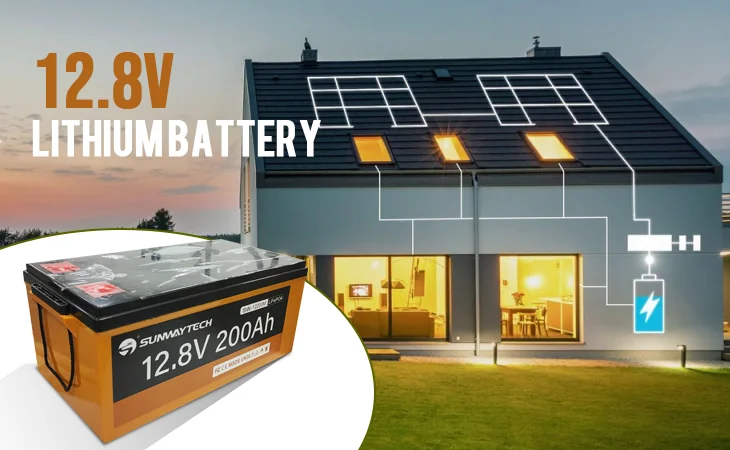
Lithium batteries have revolutionized the solar energy storage industry due to their superior performance, longevity, and efficiency compared to traditional lead-acid batteries. If you’re looking to upgrade your solar setup or install a new system, choosing the right lithium battery is crucial. This guide will help you navigate through the options and select the best battery for your specific needs.
Understanding Your Needs
Before diving into specific products, it’s essential to assess your energy consumption and storage requirements. Consider the following factors:
Daily energy consumption: How much electricity do you use daily?
Peak energy demand: What is your highest energy consumption period?
Backup power needs: Do you require battery backup during power outages?
Available space: How much space do you have for battery installation?
Budget: What is your budget for the battery system?
Key Features to Consider
When comparing lithium batteries, pay attention to these key features:
Capacity: Measured in kilowatt-hours (kWh), this indicates the amount of energy the battery can store. 1. Battery selection – Ah and kWh ratings – Thuthukani Electrical Control & Instrumentation www.teci.co.za
Cycle life: The number of times a battery can be fully charged and discharged before its capacity significantly decreases.
Efficiency: The percentage of stored energy that can be converted into usable power.
Warranty: The length of the warranty covers defects and performance issues.
Safety features: Look for batteries with built-in safety mechanisms like overcharge, over-discharge, and temperature protection.
Top Lithium Battery Options
Here are some of the leading lithium battery brands and models known for their reliability and performance:
Tesla Powerwall
Known for: High efficiency, sleek design, and integration with solar systems.
Best suited for: Homeowners seeking a complete energy storage solution.
LG Chem RESU
Known for: Long lifespan, high energy density, and advanced battery management system.
Best suited for: Both residential and commercial applications.
sonnenBatterie
Known for: Flexibility, scalability, and intelligent energy management.
Best suited for: Homeowners with varying energy needs.
Pylontech
Known for: Cost-effective, durable, and suitable for both on-grid and off-grid systems.
Best suited for: Budget-conscious consumers.
BYD Battery
Known for: Safety, long cycle life, and high energy density.
Best suited for: Residential and commercial applications, especially in regions with extreme climates.
A Wider Range of Lithium Battery Options
Here’s a more extensive list of lithium battery brands and models available on Amazon, along with their key features:
Renogy Lithium Iron Phosphate (LFP) Batteries
Known for: Durability, safety, and long cycle life.
Best suited for: Off-grid and RV applications.
Goal Zero Yeti Lithium Batteries
Known for: Portability, versatility, and multiple output options.
Best suited for: Camping, outdoor adventures, and small-scale solar setups.
Jackery Portable Power Stations
Known for: Compact size, fast charging, and multiple AC outlets.
Best suited for: Outdoor activities, camping, and emergency power.
Battle Born Lithium Batteries
Known for: High-performance, long lifespan, and reliable performance.
Best suited for: Off-grid and RV applications.
SunVolt Lithium Batteries
Known for: High energy density, fast charging, and advanced BMS.
Best suited for: Residential and commercial solar systems.
Additional Factors to Consider
Battery Chemistry: While LFP is popular, other chemistries like NMC (Nickel Manganese Cobalt Oxide) offer higher energy density but might have shorter lifespans.
Battery Management System (BMS): A good BMS protects the battery from overcharging, over-discharging, and overheating.
Warranty: A longer warranty often indicates higher product quality and confidence from the manufacturer.
Customer Reviews: Reading reviews can provide valuable insights into real-world performance and customer satisfaction.
DIY vs. Professional Installation
DIY: Can save costs but requires technical knowledge.
Professional: Ensures proper installation, safety, and potential warranty coverage.
Maintenance and Safety
Lithium batteries generally require less maintenance than lead-acid batteries.
Proper ventilation is essential to prevent overheating.
Follow manufacturer’s guidelines for charging and discharging.
Conclusion
Choosing the right lithium battery for your solar system is a significant investment. By carefully considering your needs, comparing different options, and understanding the key factors, you can select a battery that optimizes your solar energy system’s performance and efficiency.
Suhas Shrikant is the founder of Vecharged and an engineering enthusiast specializing in high-power off-grid solar systems. He has designed and built over a dozen custom systems and uses his hands-on, field-tested experience to create Vecharged’s expert guides and reviews.
Vecharged is the consumer protection and education initiative of Cleanpower.eco, an organization dedicated to providing a clear, unbiased, and authoritative voice in the clean energy transition. The experts at Cleanpower.eco recognized a critical crisis of trust: the shift to electric vehicles and solar power is one of the most important and expensive decisions a family will make. Yet, the landscape is flooded with biased reviews, confusing marketing, and paid-for endorsements. Vecharged was created to be the shield against that confusion. We were founded on a simple, non-negotiable constitution: We are radically independent. We accept no advertising, sponsorships, or paid placements from any product manufacturer. We have no commercial interest in the products we review. Our only metric for success is your empowerment. Our loyalty is to you, the consumer. Full stop. We ground our brutally honest, hands-on analysis in a deep, foundational understanding of the engineering. We are not just reviewers; we are your advocates.
It’s midnight. The house is quiet, the day is done, and everything is turned off. But look closer. A tiny green light glows on your TV. A soft blue LED pulses from your game console. Your phone charger, laptop adapter, and coffee maker are all sitting there, silently waiting. They may seem off, but they
In the world of portable power, four titans dominate the landscape: EcoFlow, Jackery, Bluetti, and Anker. Each brand commands a loyal following, but choosing between them can be overwhelming. Are you looking for the fastest charging, the longest-lasting battery, the most power, or the best overall value? Forget sorting through dozens of spec sheets and
You’re standing in the airport security line. You’ve got your laptop, your phone, a big new power bank for your trip, maybe even some drone batteries. And a nagging, expensive thought hits you: “Am I allowed to fly with this?” You have a vague memory of some rule, a story from a friend who had a
You’ve seen the headlines about the new ‘salt’ battery. Tech sites are buzzing, calling it a potential “lithium killer.” They’ll tell you about its chemistry, its performance in the cold, and the first few products to use it. This is not one of those articles. They are missing the real story. As an engineer, I