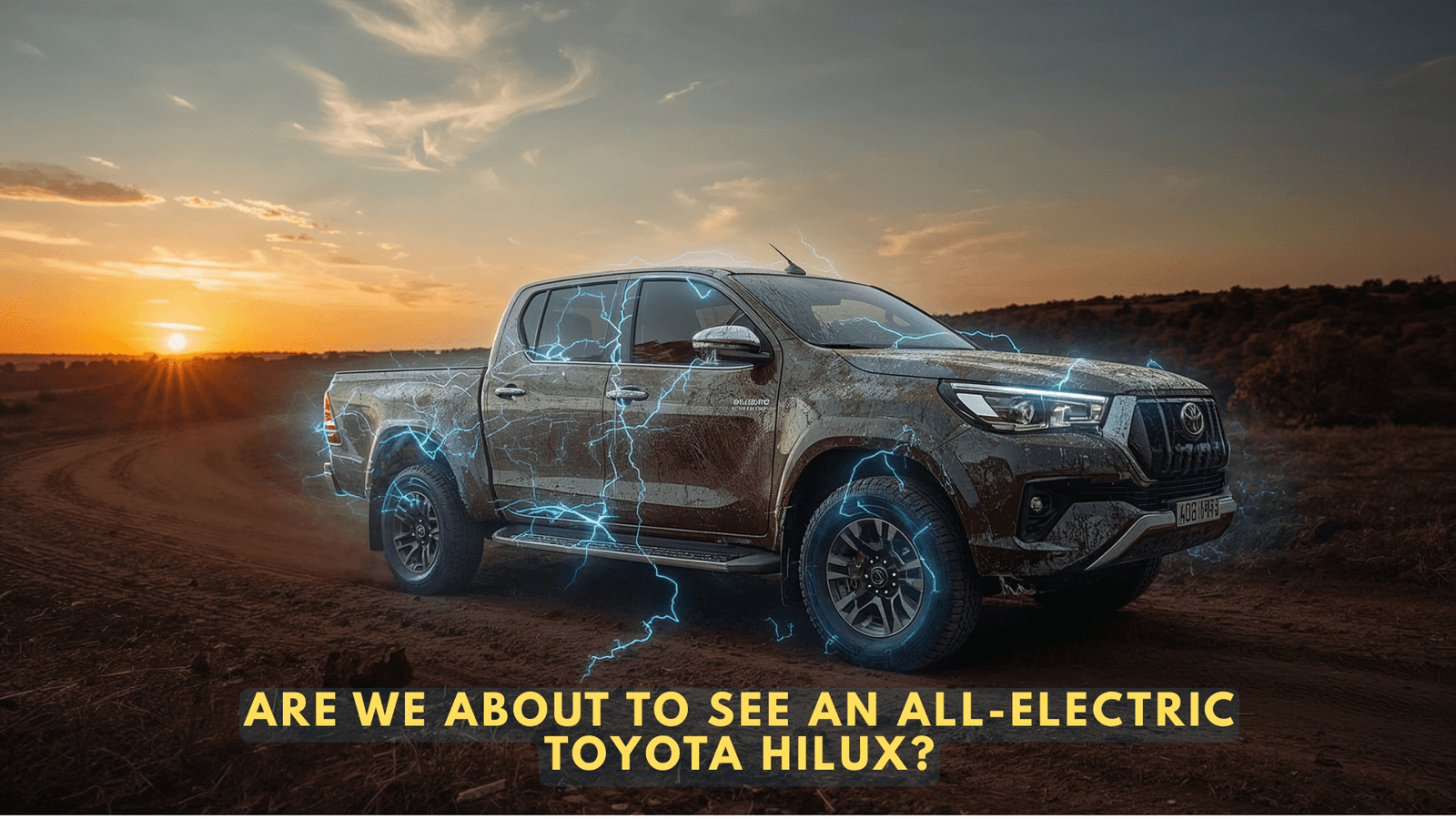
For decades, one name has been synonymous with indestructible, go-anywhere reliability: the Toyota Hilux. It’s the truck that has conquered the North Pole, driven up volcanoes, and survived being dropped from a building. It is, for millions around the world, the definitive pickup truck.
But as the automotive world sprints towards an electric future, the biggest question on every truck lover’s mind is: can the toughest truck on Earth go electric?
The answer is a resounding yes, and it might be happening sooner than you think. Toyota, a company often seen as cautiously late to the EV party, has been dropping major hints that an all-electric Hilux is not just a possibility, but a priority.
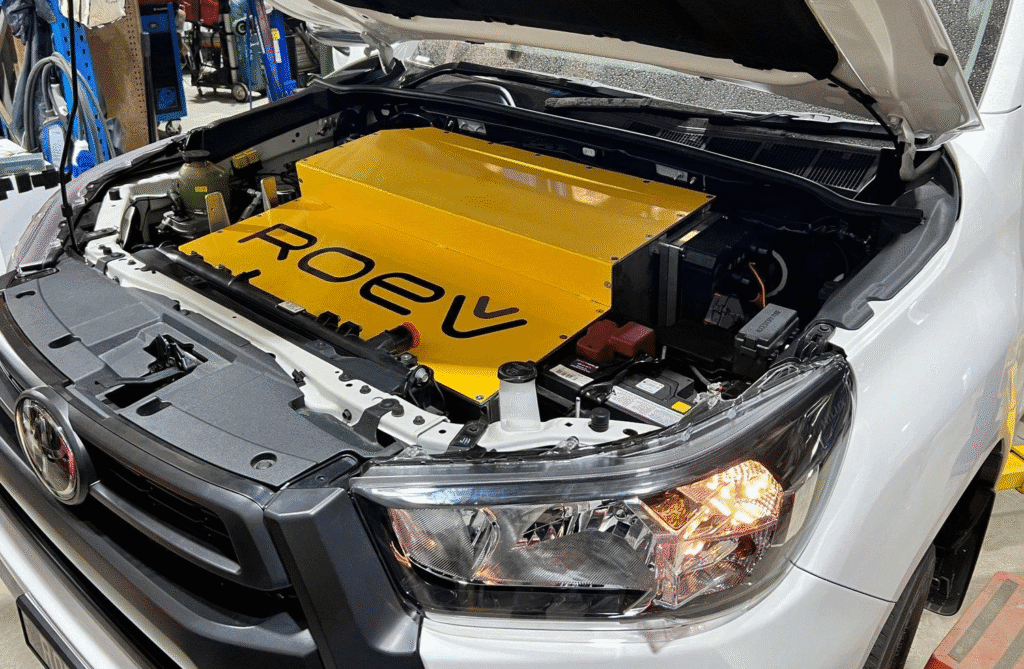
The First Glimpse: The Hilux Revo BEV Concept
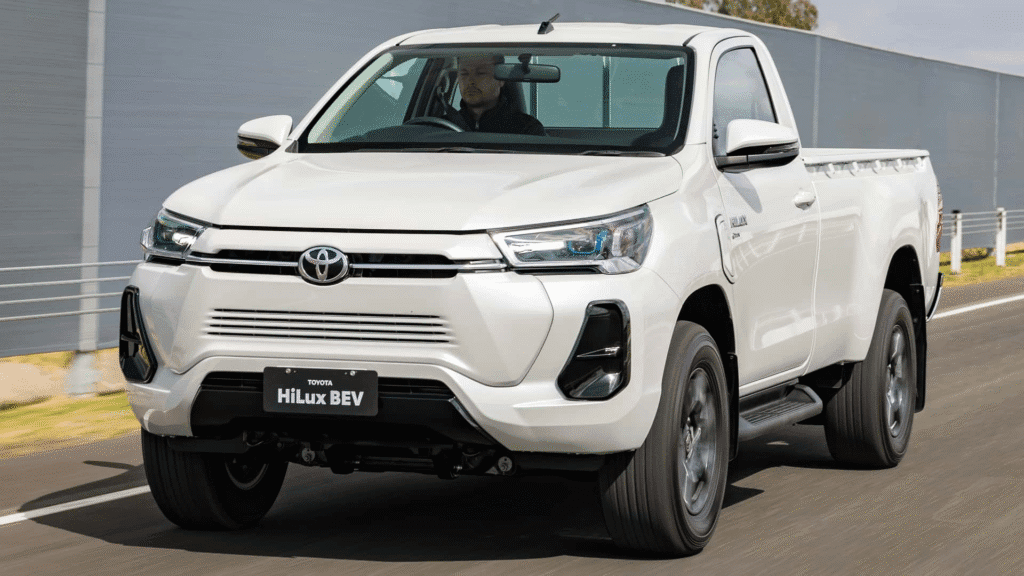
In late 2022, the world got its first official look. At a celebration in Thailand, a key market for the truck, Toyota unveiled the “Hilux Revo BEV Concept.” It was a single-cab Hilux, instantly recognizable, but with a solid front grille and a charging port on the side. It was real, it was drivable, and it was a clear signal of intent.
While Toyota has been tight-lipped about the exact specs, the concept vehicle was developed for local Thai driving conditions. The big question remains: what would a global, production-ready version look like?
The Challenge: Building an Electric Truck That’s “Hilux-Tough”
Making an electric Hilux isn’t as simple as swapping the engine for a motor. The truck’s legendary reputation is built on its ability to handle extreme abuse, remote locations, and heavy loads—all major challenges for EV technology.
Battery Durability: The battery pack would need to be incredibly robust, protected from rocks, water, and extreme temperatures, all while being the single heaviest component of the truck.
Towing & Hauling: Towing a heavy load is a notorious “range killer” for electric trucks. A production Hilux would need a massive battery and highly efficient motors to offer a practical towing range without needing to recharge every 100 kilometers.
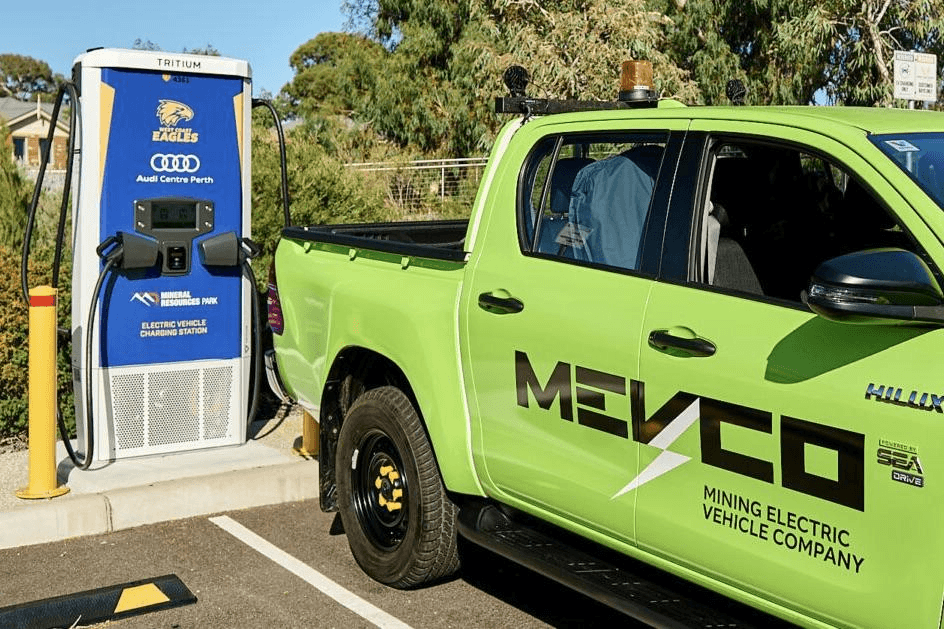
Remote Charging: How do you recharge a Hilux in the middle of the Australian Outback or deep in a South American jungle? The electric Hilux must be able to handle “dirty” power from rural grids and be compatible with a wide range of charging solutions, potentially even robust portable solar setups.
What to Expect from a Production Model
While nothing is confirmed, industry experts believe a production electric Hilux would need to hit several key benchmarks to be successful:
A Range of 400-500 km (250-310 miles) to be competitive.
A Dual-Motor, All-Wheel-Drive (AWD) System to maintain its off-road prowess.
A Fast-Charging Architecture that can add significant range in under 30 minutes.
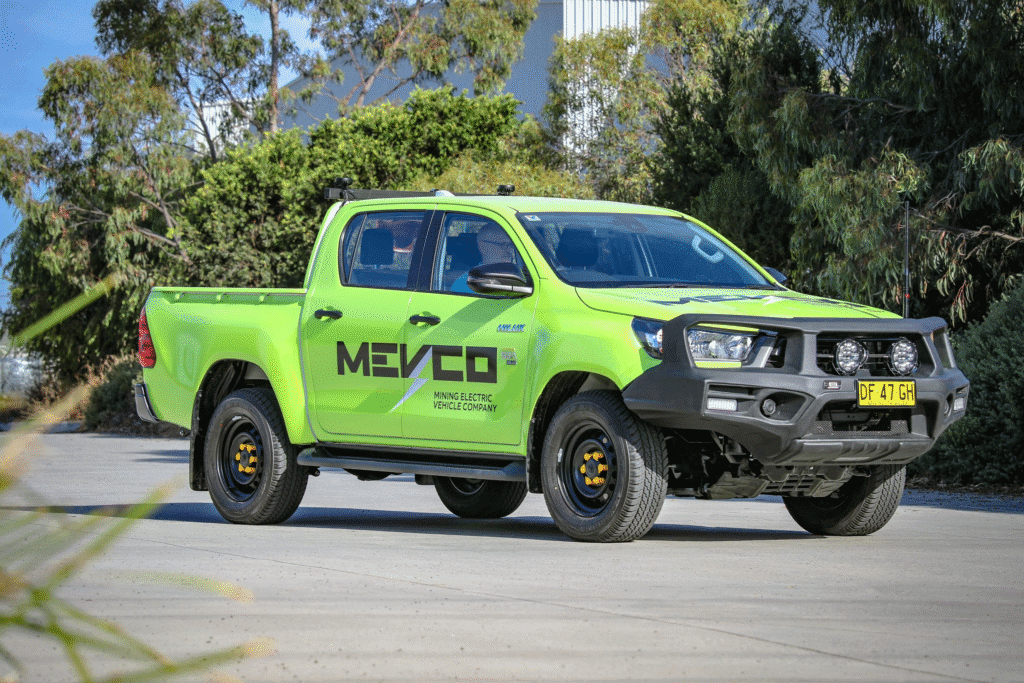
Toyota has already confirmed that production of an electric Hilux is expected by the end of 2025, likely starting in Thailand. A global rollout would be expected to follow.
The era of the indestructible, diesel-powered Hilux is legendary. But as battery technology improves and charging infrastructure expands, the prospect of a silent, instantly responsive, and equally tough electric Hilux isn’t just a dream. It’s the next chapter for the world’s favorite truck.
Suhas Shrikant is the founder of Vecharged and an engineering enthusiast specializing in high-power off-grid solar systems. He has designed and built over a dozen custom systems and uses his hands-on, field-tested experience to create Vecharged’s expert guides and reviews.
Vecharged is the consumer protection and education initiative of Cleanpower.eco, an organization dedicated to providing a clear, unbiased, and authoritative voice in the clean energy transition. The experts at Cleanpower.eco recognized a critical crisis of trust: the shift to electric vehicles and solar power is one of the most important and expensive decisions a family will make. Yet, the landscape is flooded with biased reviews, confusing marketing, and paid-for endorsements. Vecharged was created to be the shield against that confusion. We were founded on a simple, non-negotiable constitution: We are radically independent. We accept no advertising, sponsorships, or paid placements from any product manufacturer. We have no commercial interest in the products we review. Our only metric for success is your empowerment. Our loyalty is to you, the consumer. Full stop. We ground our brutally honest, hands-on analysis in a deep, foundational understanding of the engineering. We are not just reviewers; we are your advocates.
Selling an electric car is very different from selling a petrol or diesel vehicle. Buyers today care less about the odometer and more about battery health, charging history, warranty coverage, and software features. The good news is that a well-maintained EV can still command strong resale value if you prepare it properly. This guide gives
By Rahul — EV owner, reviewer, and long-time clean energy enthusiast Financing or leasing an electric car in early 2026 is not the same as it was just one year ago. The biggest shift was the end of all federal EV tax credits on September 30, 2025, including: Manufacturers can no longer claim any of
By Rahul — EV Enthusiast & Automotive Analyst at VeCharged ⚠️ Important Disclaimer (Must Read) The Clean Vehicle Credit program (new EV $7,500 credit + used EV $4,000 credit) ended on September 30, 2025. This single policy change fundamentally shifts the cost comparison between new and used EVs. If you’re planning to buy or sell
For the last decade, the electric vehicle revolution was defined by range, speed, and charging networks. As we close out 2025, the conversation is fundamentally shifting. For a growing number of buyers, the most important feature of their next car won’t be how it drives—but how it powers their life when it’s parked. Vehicle-to-Home (V2H)