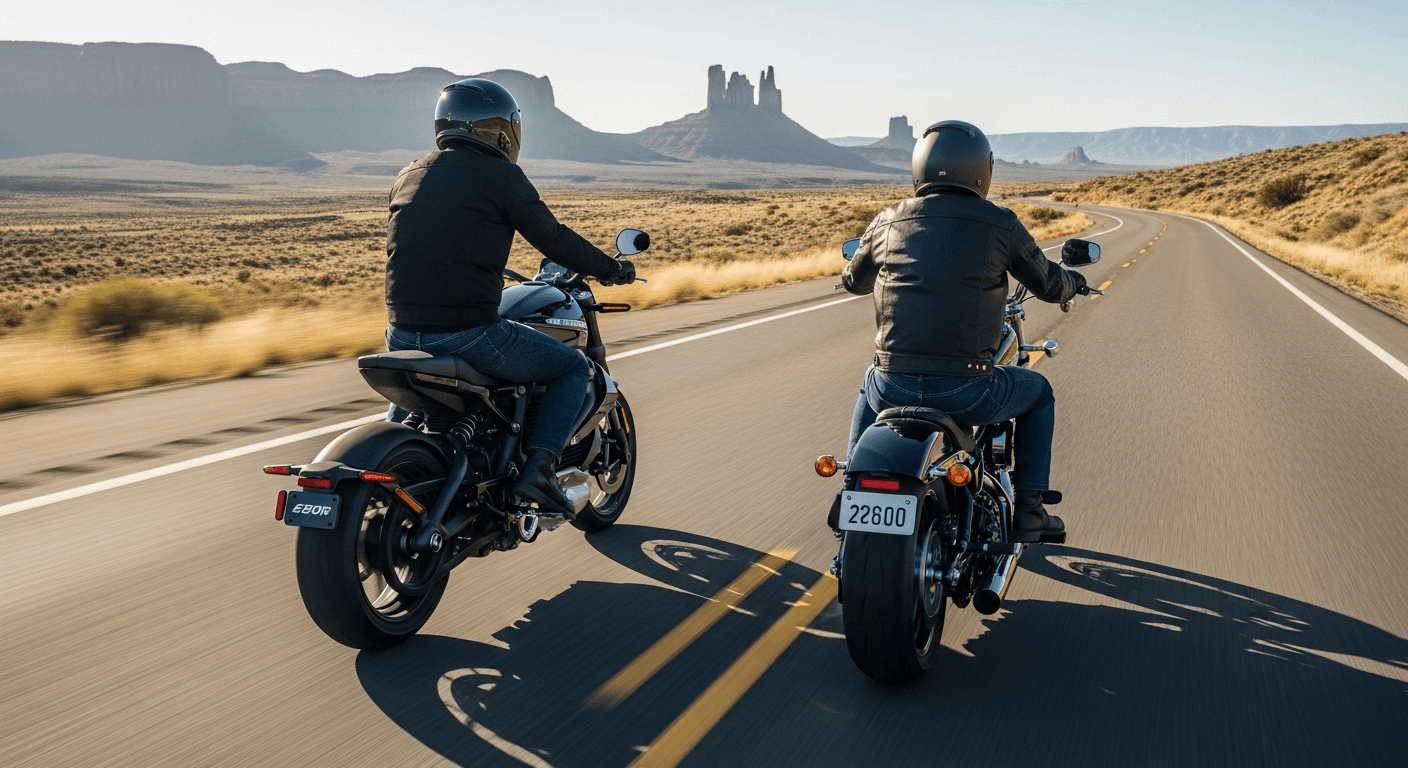
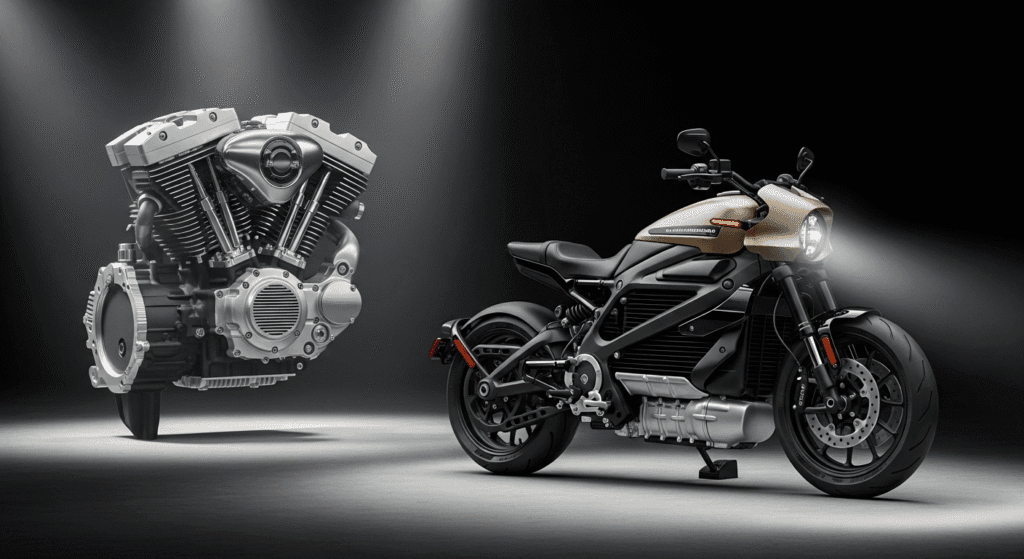
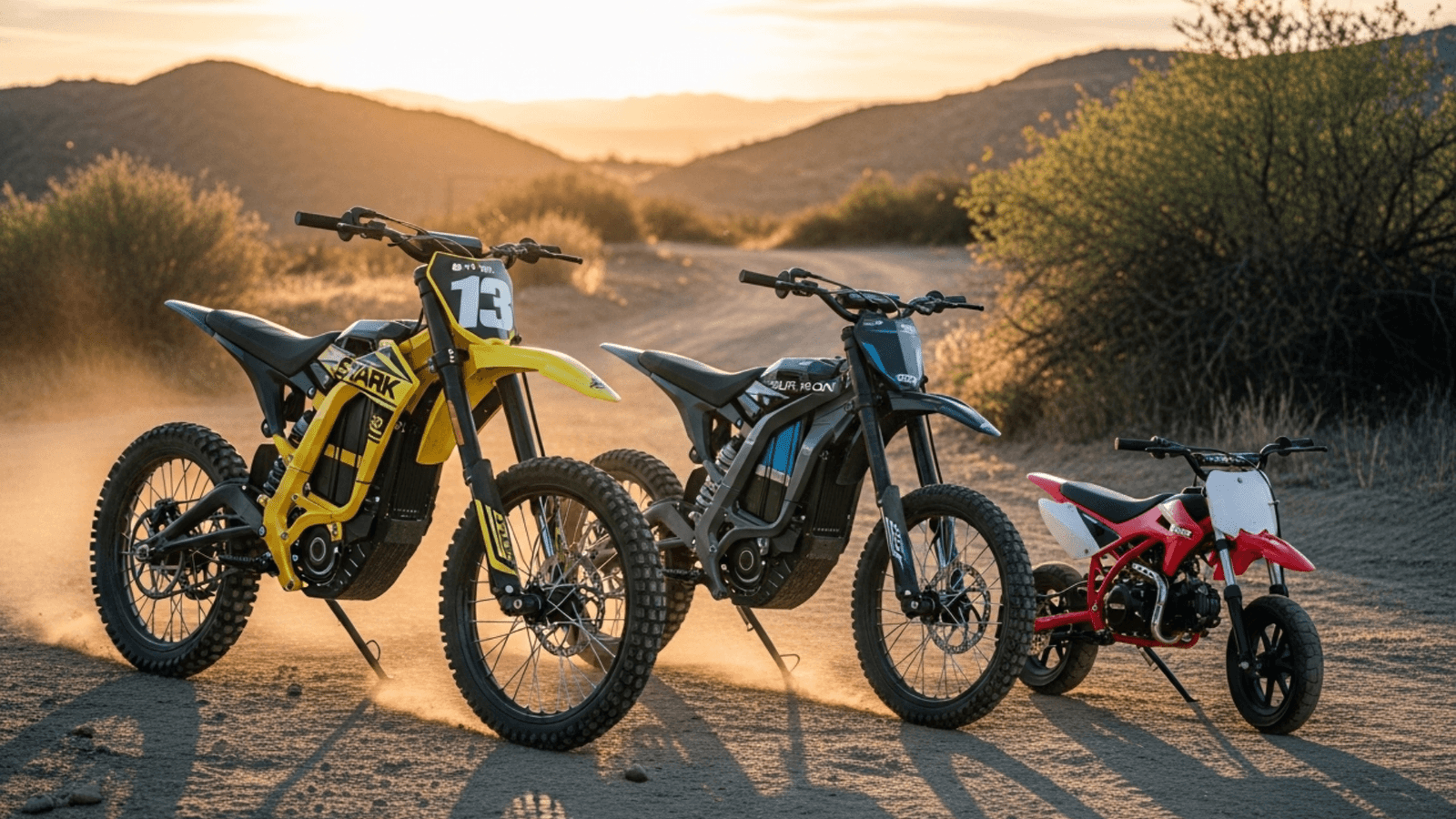
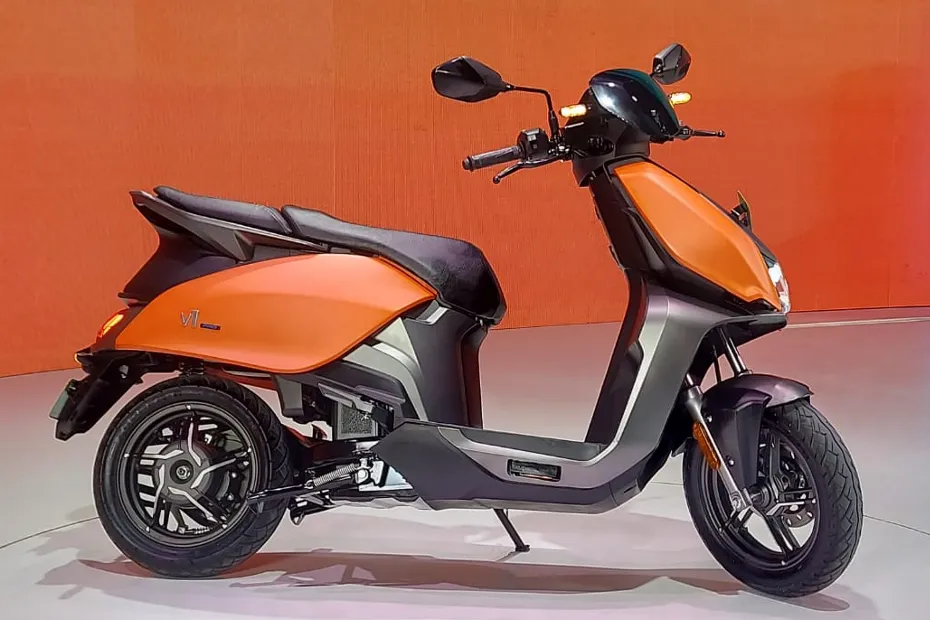
For over a century, the soul of the American motorcycle was forged in sound—the thunderous, chest-thumping rumble of a V-twin engine. It’s the sound of rebellion, of freedom, of the open road.
So, when a motorcycle glides past in near-perfect silence, a fundamental question hangs in the air: can that machine, no matter how fast, ever be a real bike?
This isn’t just an academic debate. It’s a battle for the heart of American riding culture, and the silent rebellion of electric motorcycles is already here. The answer, it turns out, is complicated.
A Sprinter, Not a Marathon Runner
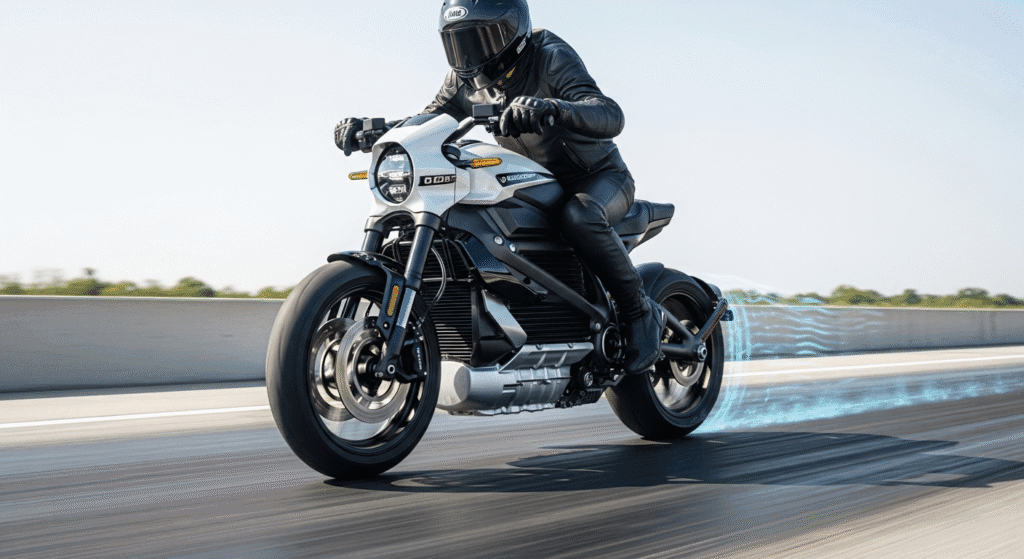
Before we talk about “soul,” let’s be brutally honest about performance. Electric motorcycles are not polite scooters. In a straight line from a standstill, they are absolute rockets.
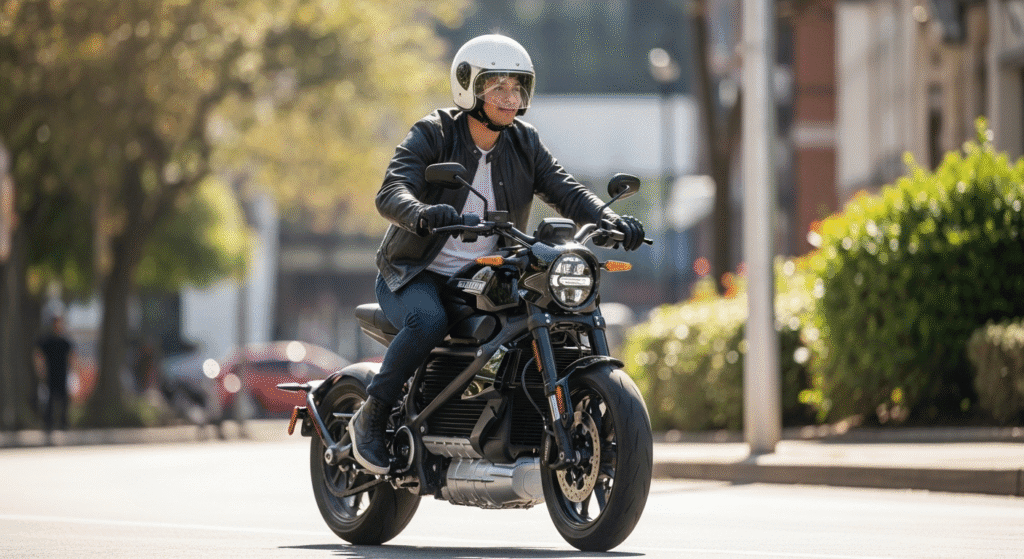
The magic is instant torque. While a petrol engine needs to build revs, an electric motor delivers 100% of its power the instant you twist the throttle. This results in blistering acceleration that can leave many superbikes in the dust. A LiveWire One, for instance, hits 0-60 mph in a neck-snapping 3 seconds.
However, the nuance is critical. While an electric bike is a sprinter, it is not yet a marathon runner. In sustained, high-speed runs, traditional superbikes from Ducati or Kawasaki still dominate due to their endurance.
Electric Motorcycle Model
0-60 mph (approx.)
Range (City)
LiveWire One
3.0 seconds
146 miles
Zero SR/F
3.1 seconds
161 miles
Energica Ego+
2.6 seconds
261 miles
Export to Sheets
(Source: Manufacturer data, 2025)
The American Gamble
Despite this incredible performance, the reality is that electric motorcycles remain a tiny niche in the US, accounting for less than 1% of total sales.
The symbolic battle is being led by America’s most iconic brand. Harley-Davidson, in a move that shocked the industry, made a bold bet on the future by spinning off its LiveWire electric brand. In stark contrast, its chief rival, Indian Motorcycle, has remained on the sidelines, showing concepts but releasing no production electric models for consumers as of late 2025.
For now, the innovation isn’t just coming from Harley. For years, dedicated American electric brands like Zero Motorcycles and Lightning Motorcycle have been the true pioneers pushing the performance envelope.
The Hard Truths of the Open Road
The dream of a silent, cross-country tour faces two major roadblocks that keep this market niche for now.
The Highway Problem: That impressive city range plummets at highway speeds. Constant high-speed riding can cut the effective range by 30-40%, turning a long ride into a stressful exercise in “range anxiety.”
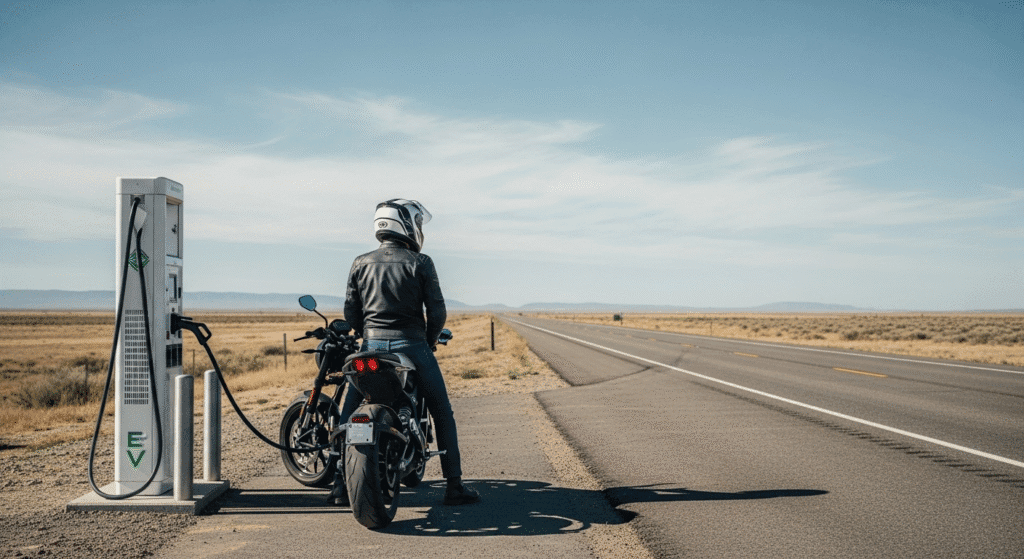
The Charging Desert: While charging infrastructure is growing, finding a fast, compatible charger for a motorcycle on a remote American backroad is still a challenge. The freedom of the open road feels less free when you’re tethered to a charging map.
An Unfinished Chapter
So, can an electric motorcycle win the soul of the American biker? Not yet. But the conversation has started.
The performance is undeniable, and the economic benefits of lower fuel and maintenance costs are compelling. The rebellion may be silent, but as the technology slowly closes the gap on the challenges of the open road, it’s only going to get louder.
I’m a writer and analyst who explores the clean energy transition, with a focus on electric vehicles and solar power.
My journey began five years ago as a firm skeptic. Determined to debunk the hype around EVs, my in-depth research led to an unexpected conclusion: the future I was questioning was already here. This realization didn’t just change my mind; it put me in the driver’s seat of my own EV.
Today, I’m passionate about sharing the clarity I found. I provide the practical, data-driven insights people need to feel confident and excited about navigating their own path to a sustainable future.
Vecharged is the consumer protection and education initiative of Cleanpower.eco, an organization dedicated to providing a clear, unbiased, and authoritative voice in the clean energy transition. The experts at Cleanpower.eco recognized a critical crisis of trust: the shift to electric vehicles and solar power is one of the most important and expensive decisions a family will make. Yet, the landscape is flooded with biased reviews, confusing marketing, and paid-for endorsements. Vecharged was created to be the shield against that confusion. We were founded on a simple, non-negotiable constitution: We are radically independent. We accept no advertising, sponsorships, or paid placements from any product manufacturer. We have no commercial interest in the products we review. Our only metric for success is your empowerment. Our loyalty is to you, the consumer. Full stop. We ground our brutally honest, hands-on analysis in a deep, foundational understanding of the engineering. We are not just reviewers; we are your advocates.
Selling an electric car is very different from selling a petrol or diesel vehicle. Buyers today care less about the odometer and more about battery health, charging history, warranty coverage, and software features. The good news is that a well-maintained EV can still command strong resale value if you prepare it properly. This guide gives
By Rahul — EV owner, reviewer, and long-time clean energy enthusiast Financing or leasing an electric car in early 2026 is not the same as it was just one year ago. The biggest shift was the end of all federal EV tax credits on September 30, 2025, including: Manufacturers can no longer claim any of
By Rahul — EV Enthusiast & Automotive Analyst at VeCharged ⚠️ Important Disclaimer (Must Read) The Clean Vehicle Credit program (new EV $7,500 credit + used EV $4,000 credit) ended on September 30, 2025. This single policy change fundamentally shifts the cost comparison between new and used EVs. If you’re planning to buy or sell
For the last decade, the electric vehicle revolution was defined by range, speed, and charging networks. As we close out 2025, the conversation is fundamentally shifting. For a growing number of buyers, the most important feature of their next car won’t be how it drives—but how it powers their life when it’s parked. Vehicle-to-Home (V2H)