Turn on the news, and it’s easy to feel a sense of uncertainty. Political debates, government shutdowns, and fluctuating economic policies can make planning for the future feel impossible. But while the headlines are filled with noise, a quiet revolution is happening on rooftops across the country, driven by one undeniable fact: the cost of solar power is in a freefall.
See the Solar Price Drop in Action
Use the slider below to see how the average cost of a 6kW home solar installation in the U.S. has plummeted over the last 15 years.
$42,000
Year: 2010
For decades, the price of everything has seemed to go up. But solar panels are a rare exception. Thanks to massive leaps in technology and manufacturing, the cost to install a home solar system has dropped by over 70% in the last 15 years.
This isn’t a political talking point or a temporary sale; it’s one of the most consistent and powerful technological trends of our lifetime.
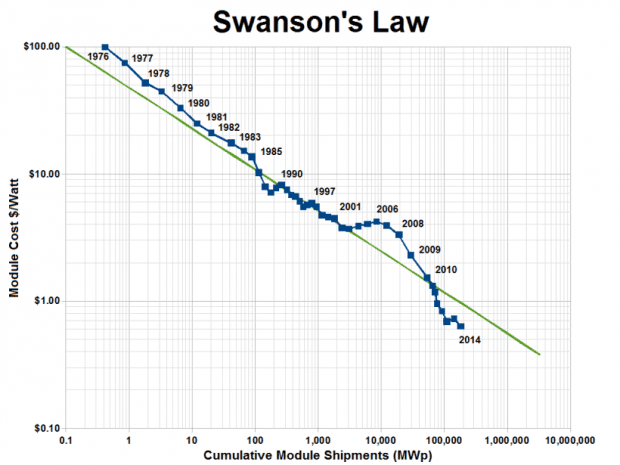
The “Swanson’s Law” Effect
You’ve probably heard of Moore’s Law, which predicted that computers would get exponentially more powerful for the same price. The solar industry has its own version, called “Swanson’s Law.”
It observes that the price of solar photovoltaic (PV) modules tends to drop by 20% for every doubling of manufacturing capacity. As more factories are built and technology improves, the panels themselves become dramatically cheaper to produce. This consistent, predictable price drop is the engine driving the home solar revolution.
It’s Not Just Panels: The Battery Breakthrough
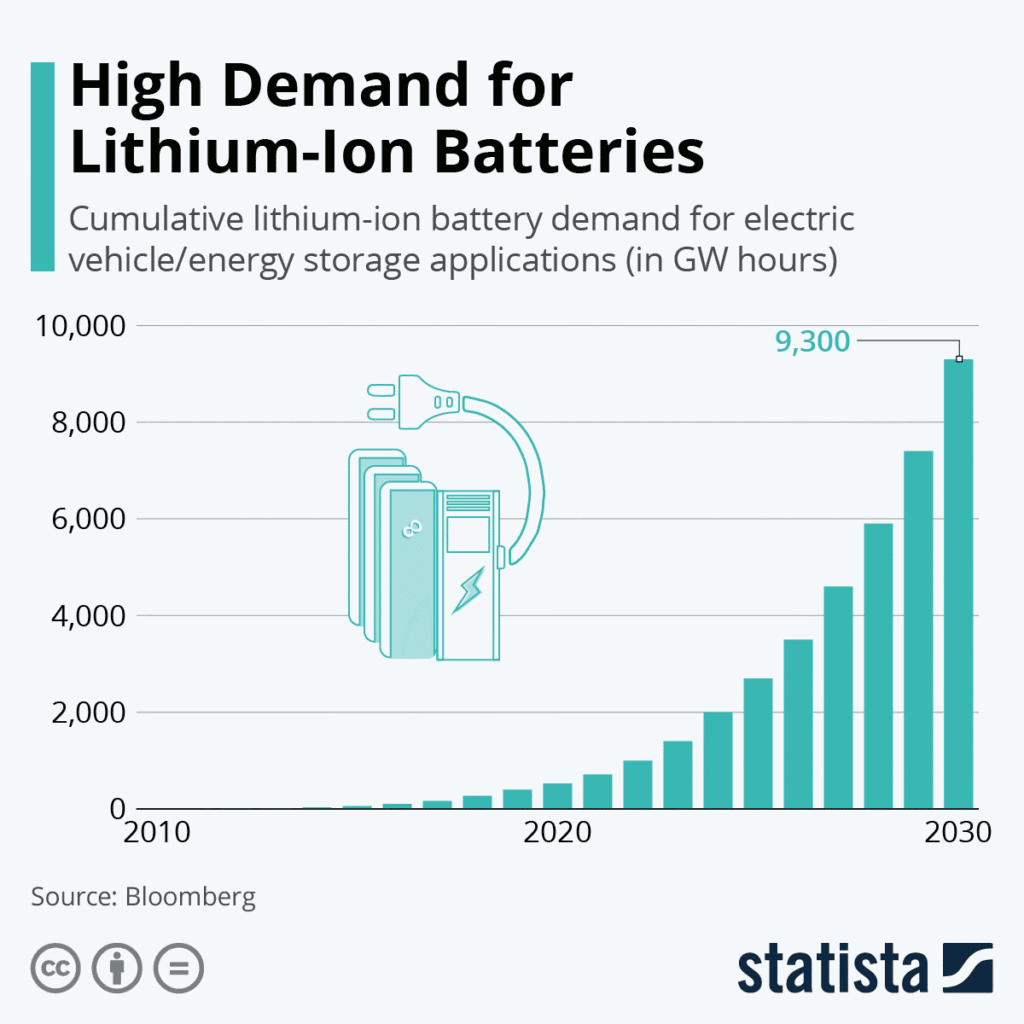
The price drop isn’t limited to the panels on your roof. The cost oflithium-ion batteries—the key to storing your solar energy for use at night or during a blackout—has also plummeted. A decade ago, a home battery was an exotic luxury. Today, it’s an increasingly affordable add-on that completes the energy independence puzzle.
This combination of cheap solar generation and affordable energy storage is what allows modern homeowners to create their own personal, reliable power grid.
What This Means for Your Wallet
While politicians debate energy policy, homeowners are taking matters into their own hands and locking in their energy costs for decades.
Financial Control: A solar system allows you to generate your own electricity at a fixed, predictable cost (the price of your system), protecting you from the volatile and ever-increasing rates charged by utility companies.
A High-Return Investment: With the current 30% federal tax credit, a home solar system is not just an expense; it’s one of the best home improvement investments you can make, often paying for itself in under 10 years and providing free electricity for 15+ years after that.
Energy Security: In an uncertain world, the ability to keep your lights on, your refrigerator cold, and your devices charged during a grid outage is a priceless form of security.
While the noise from Washington can be distracting, the numbers on the ground are clear. The cost of taking control of your home’s energy has never been lower, and the trend is only continuing. It’s a quiet but powerful shift, happening one rooftop at a time.
Suhas Shrikant is the founder of Vecharged and an engineering enthusiast specializing in high-power off-grid solar systems. He has designed and built over a dozen custom systems and uses his hands-on, field-tested experience to create Vecharged’s expert guides and reviews.
Vecharged is the consumer protection and education initiative of Cleanpower.eco, an organization dedicated to providing a clear, unbiased, and authoritative voice in the clean energy transition. The experts at Cleanpower.eco recognized a critical crisis of trust: the shift to electric vehicles and solar power is one of the most important and expensive decisions a family will make. Yet, the landscape is flooded with biased reviews, confusing marketing, and paid-for endorsements. Vecharged was created to be the shield against that confusion. We were founded on a simple, non-negotiable constitution: We are radically independent. We accept no advertising, sponsorships, or paid placements from any product manufacturer. We have no commercial interest in the products we review. Our only metric for success is your empowerment. Our loyalty is to you, the consumer. Full stop. We ground our brutally honest, hands-on analysis in a deep, foundational understanding of the engineering. We are not just reviewers; we are your advocates.
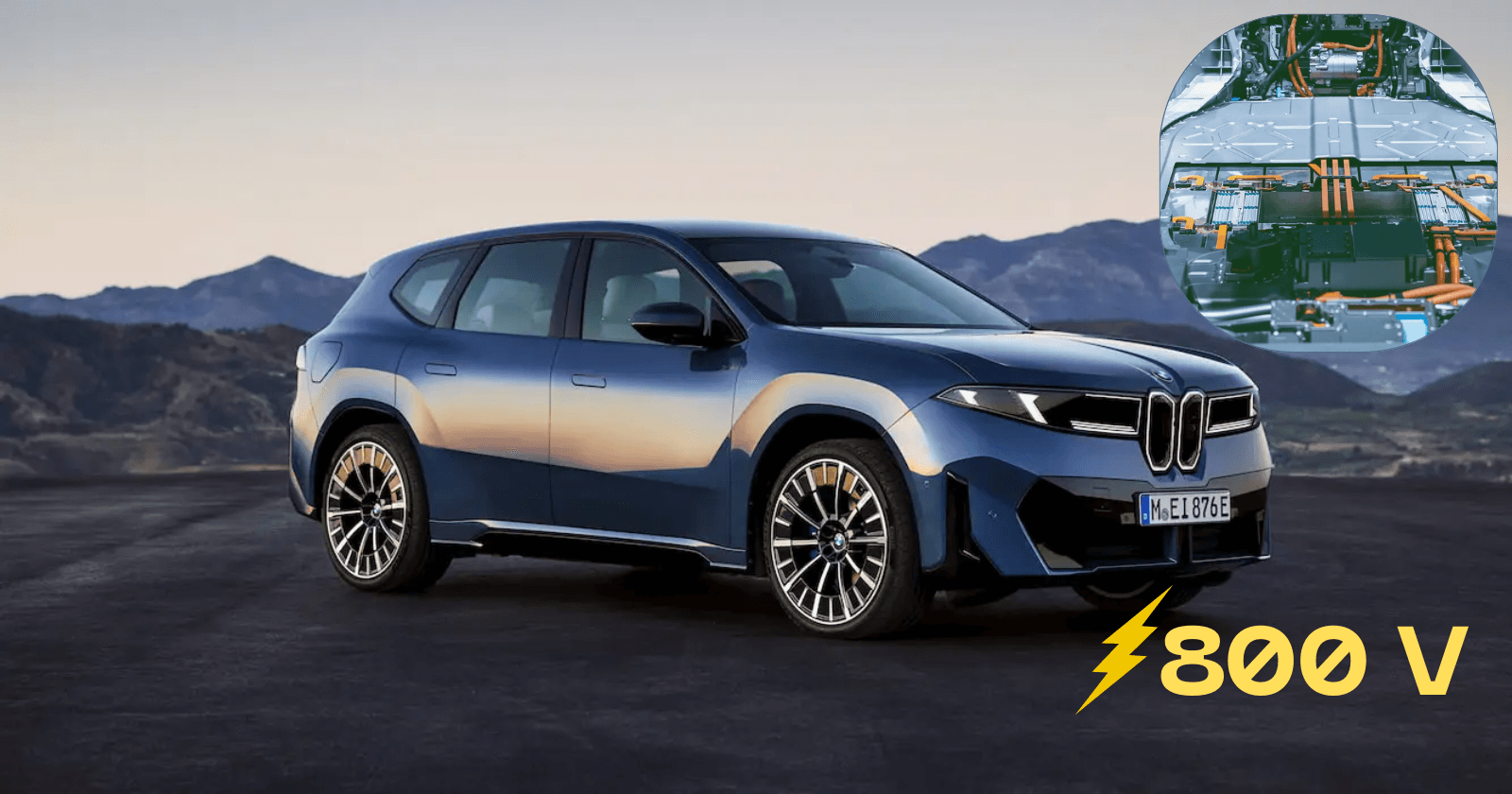
The Bottom Line The 2026 BMW iX3, the first vehicle on the Neue Klasse platform, is a strategic pivot, not an incremental update. Its 800-volt architecture enables a charging speed (400kW) and system efficiency that renders most current 400-volt luxury EVs technically obsolete. This platform isn’t a feature; it’s a new engineering benchmark that forces
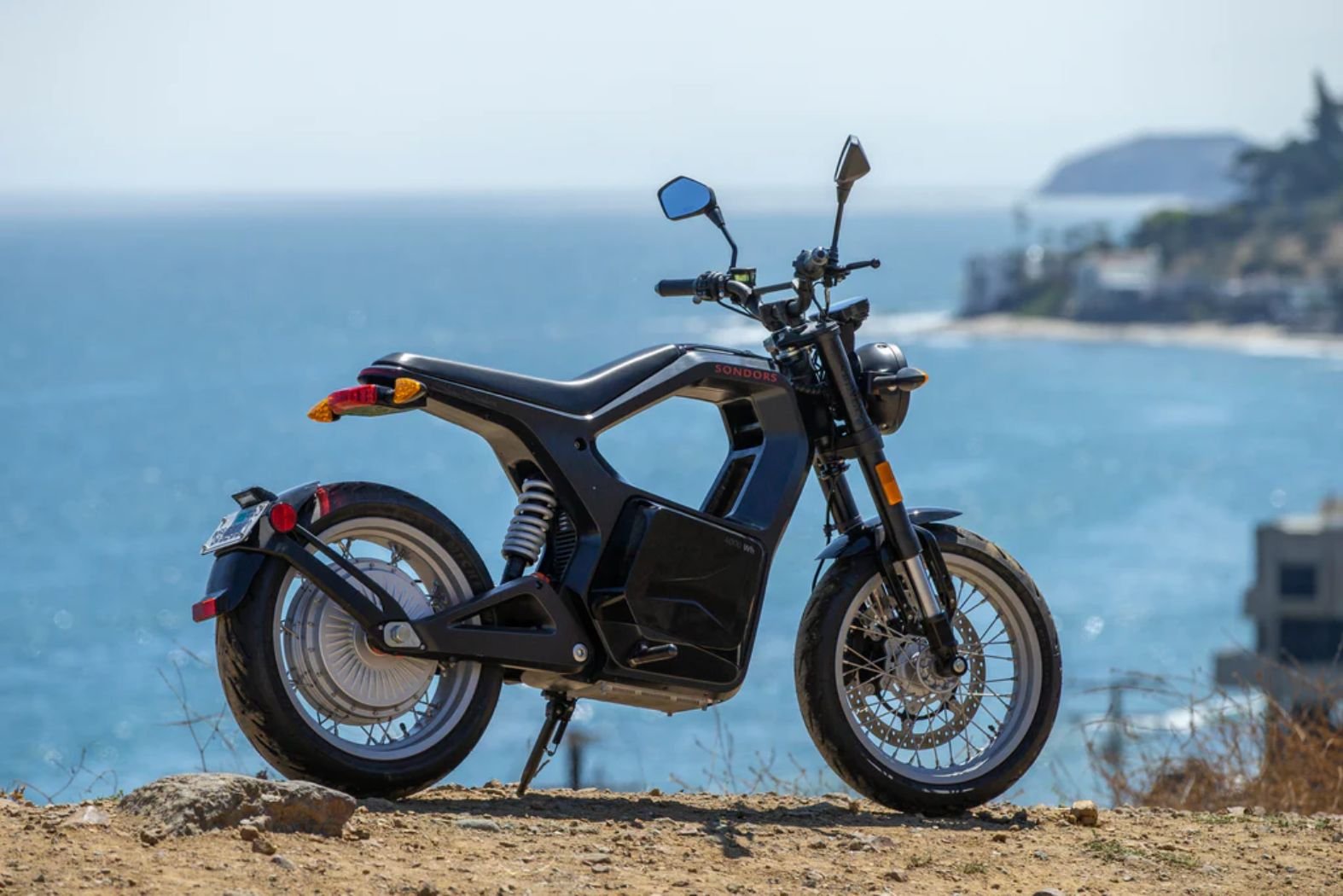
The Bottom Line: The Sondors Metacycle is a cautionary tale. It is a stunning piece of industrial design that promised to revolutionize the electric motorcycle market, but was ultimately crippled by production compromises, broken promises, and a final product that failed to live up to its own revolutionary hype. For the few who received one,
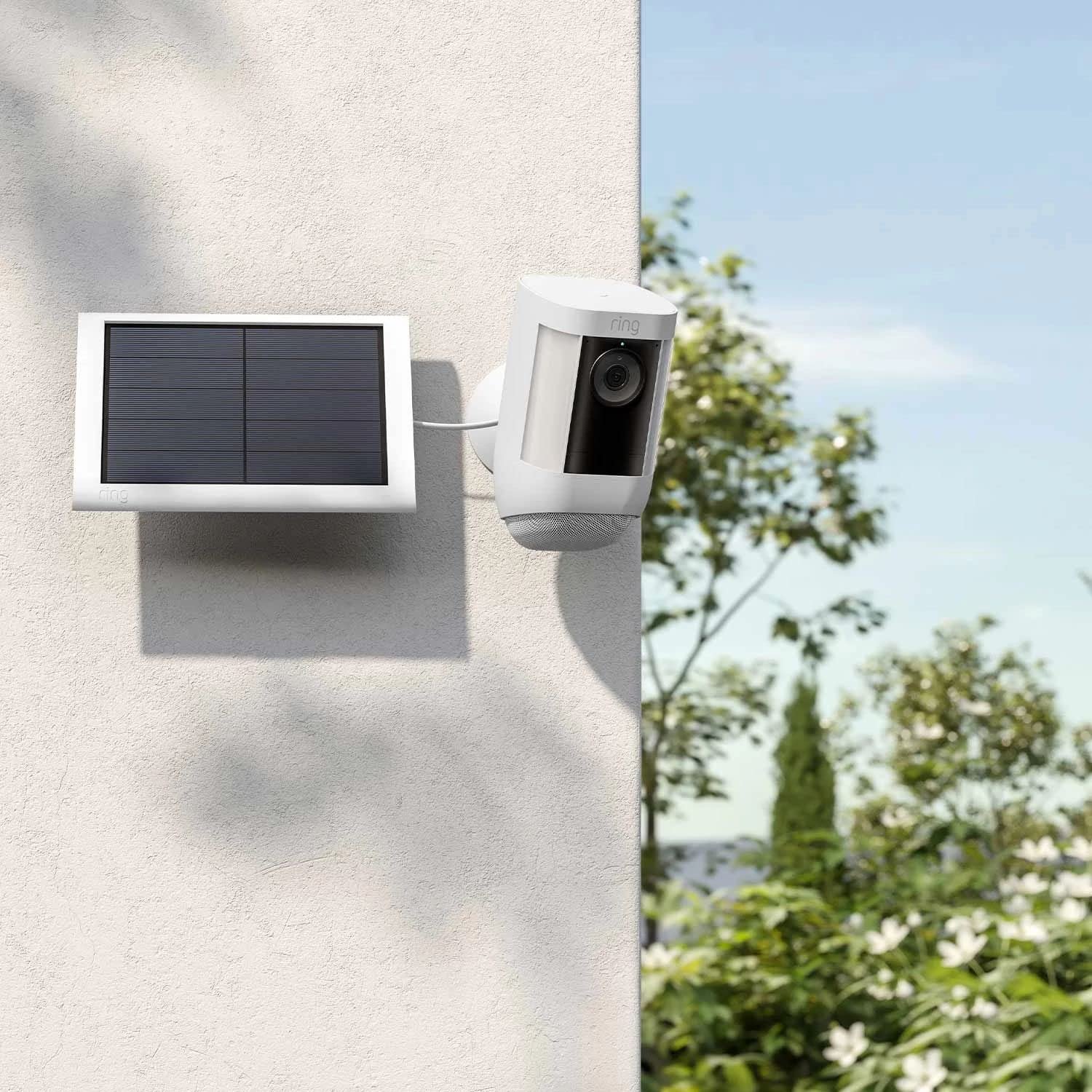
The Bottom Line: A solar panel is an essential, transformative upgrade for any battery-powered Ring device. For guaranteed compatibility and the best weather sealing, Ring’s official 4W Solar Panels are the benchmark. However, for users seeking more placement flexibility and value, leading third-party options from brands like Wasserstein offer more power and longer cables for
Executive Summary: The State of Charger Anxiety in America 1.1 The New Frontier of EV Ownership For the past decade, the primary psychological barrier to mass electric vehicle (EV) adoption has been “range anxiety”—the driver’s fear that their battery will run out before reaching their destination or a charging station. Advances in battery technology have