A slow-motion crisis is unfolding in the tech world. We are building a future powered by brilliant, world-changing AI, but trying to run it on an electrical grid built for the last century. That crisis has now arrived.
Now, a radical idea is gaining serious traction at the highest levels: that every major AI data center should have its own dedicated power plant. This isn’t just a political soundbite; it’s a stark admission of the single biggest threat to the future of technology: the AI revolution is running out of power.
This isn’t a future problem. It’s happening right now, and it’s forcing America’s tech giants into a corner.
The Scale of the Hunger: AI is a Digital Black Hole for Energy
It’s difficult to overstate the colossal energy appetite of artificial intelligence.
Some estimates suggest training a single, frontier AI model can consume the energy equivalent of 100 American homes for an entire year. The new AI “mega campuses” being built across Virginia and Ohio are even more stunning, designed to consume up to 500 megawatts (MW) of constant power the output of a medium sized power plant for a single facility.
These are not just server rooms; they are behemoths of computation, requiring thousands of GPUs and colossal cooling systems running 24/7. And they are pushing our power grid to the breaking point.
America’s Achilles’ Heel: You Can’t Plug In a Supercomputer
The obvious question is: why not just build more power plants? The answer lies in our aging electrical infrastructure, which has become the Achilles’ heel of the AI industry.
While a data center can be built in a couple of years, getting a new power plant and the necessary high-voltage grid connections approved and built can take over a decade. The grid simply wasn’t designed for this. In fact, this energy bottleneck is now the leading cause of delays and cancellations for new data center projects. You can build the world’s most advanced AI, but it’s useless if you can’t plug it in.
The Rise of the “Private Power Plant”
This grid crisis is why the idea of dedicated, on-site power is accelerating from a radical concept to a strategic necessity for America’s tech giants. While many still use grid connections and contracts, the trend for new, AI-specific mega-centers is clear. The Trump administration’s “AI Action Plan” is aggressively encouraging this, offering streamlined permits and significant incentives for data centers exceeding 100 MW that build their own power.
The industry’s biggest players are already making their moves on futuristic energy sources:
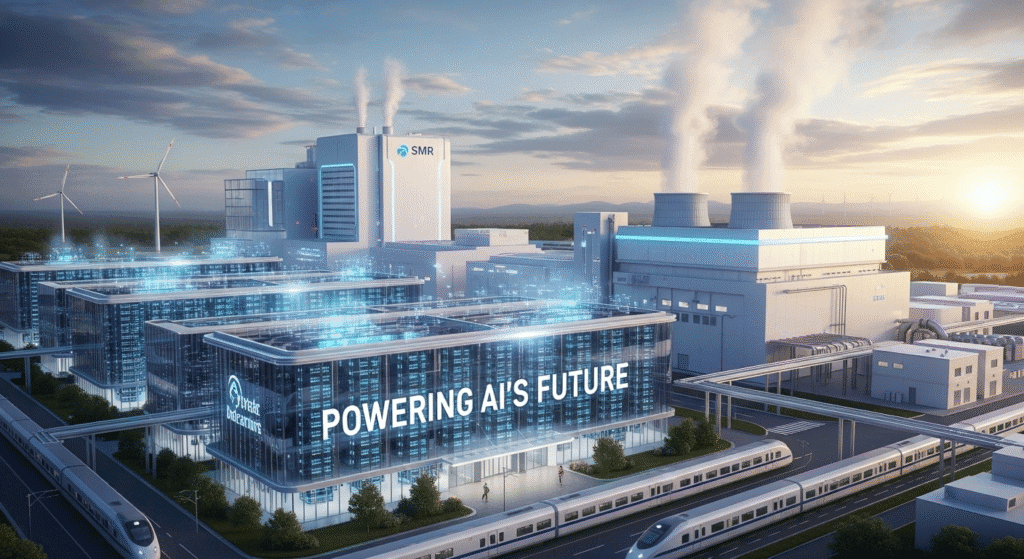
Microsoft is a key investor in Small Modular Reactors (SMRs), a next-generation nuclear technology that promises safe, 24/7 carbon-free power located directly at data center sites.
Google is pioneering advanced geothermal projects in the American West to tap into the Earth’s natural heat for a constant, reliable source of clean electricity.
The Global Echo: A Worldwide Problem
The energy crisis that started in the US is now a preview of a coming global problem.
In Europe, stricter regulations make building new power sources even more challenging.
In India, with a power grid already under immense strain, the idea of adding dozens of these energy hungry facilities is a major concern. On-site power is being discussed not as a luxury, but as a potential necessity for the future.
The trend toward dedicated power is undeniable, but it’s not a silver bullet. Siting any new power generation is a complex process. However, the alternative—throttling AI innovation due to a lack of energy—is worse.
Trump’s statement forced a critical infrastructure problem into the spotlight. The race is no longer just about building the smartest AI; it’s about finding a smart way to power it.
I’m a writer and analyst who explores the clean energy transition, with a focus on electric vehicles and solar power.
My journey began five years ago as a firm skeptic. Determined to debunk the hype around EVs, my in-depth research led to an unexpected conclusion: the future I was questioning was already here. This realization didn’t just change my mind; it put me in the driver’s seat of my own EV.
Today, I’m passionate about sharing the clarity I found. I provide the practical, data-driven insights people need to feel confident and excited about navigating their own path to a sustainable future.
Vecharged is the consumer protection and education initiative of Cleanpower.eco, an organization dedicated to providing a clear, unbiased, and authoritative voice in the clean energy transition. The experts at Cleanpower.eco recognized a critical crisis of trust: the shift to electric vehicles and solar power is one of the most important and expensive decisions a family will make. Yet, the landscape is flooded with biased reviews, confusing marketing, and paid-for endorsements. Vecharged was created to be the shield against that confusion. We were founded on a simple, non-negotiable constitution: We are radically independent. We accept no advertising, sponsorships, or paid placements from any product manufacturer. We have no commercial interest in the products we review. Our only metric for success is your empowerment. Our loyalty is to you, the consumer. Full stop. We ground our brutally honest, hands-on analysis in a deep, foundational understanding of the engineering. We are not just reviewers; we are your advocates.
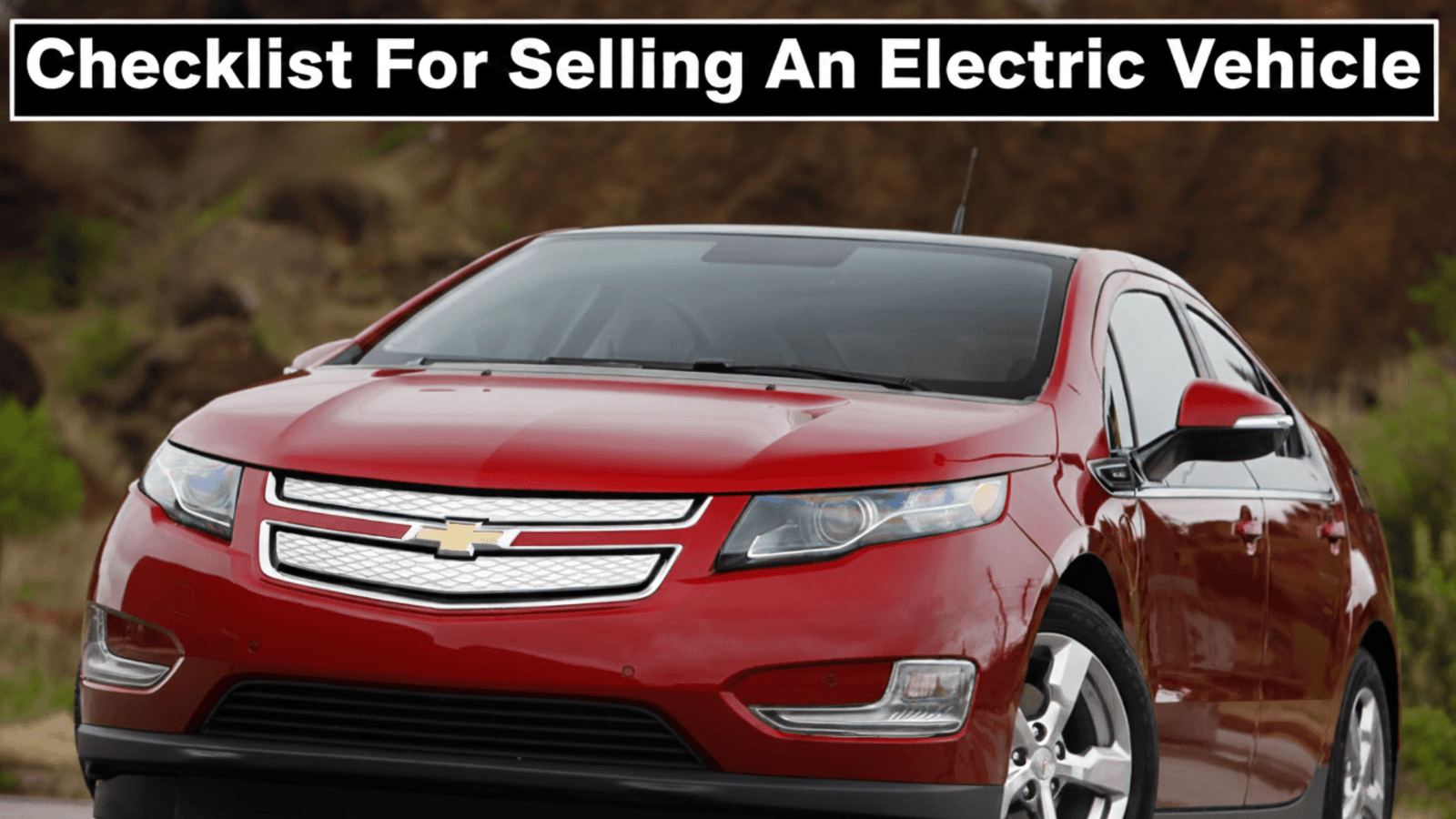
Selling an electric car is very different from selling a petrol or diesel vehicle. Buyers today care less about the odometer and more about battery health, charging history, warranty coverage, and software features. The good news is that a well-maintained EV can still command strong resale value if you prepare it properly. This guide gives
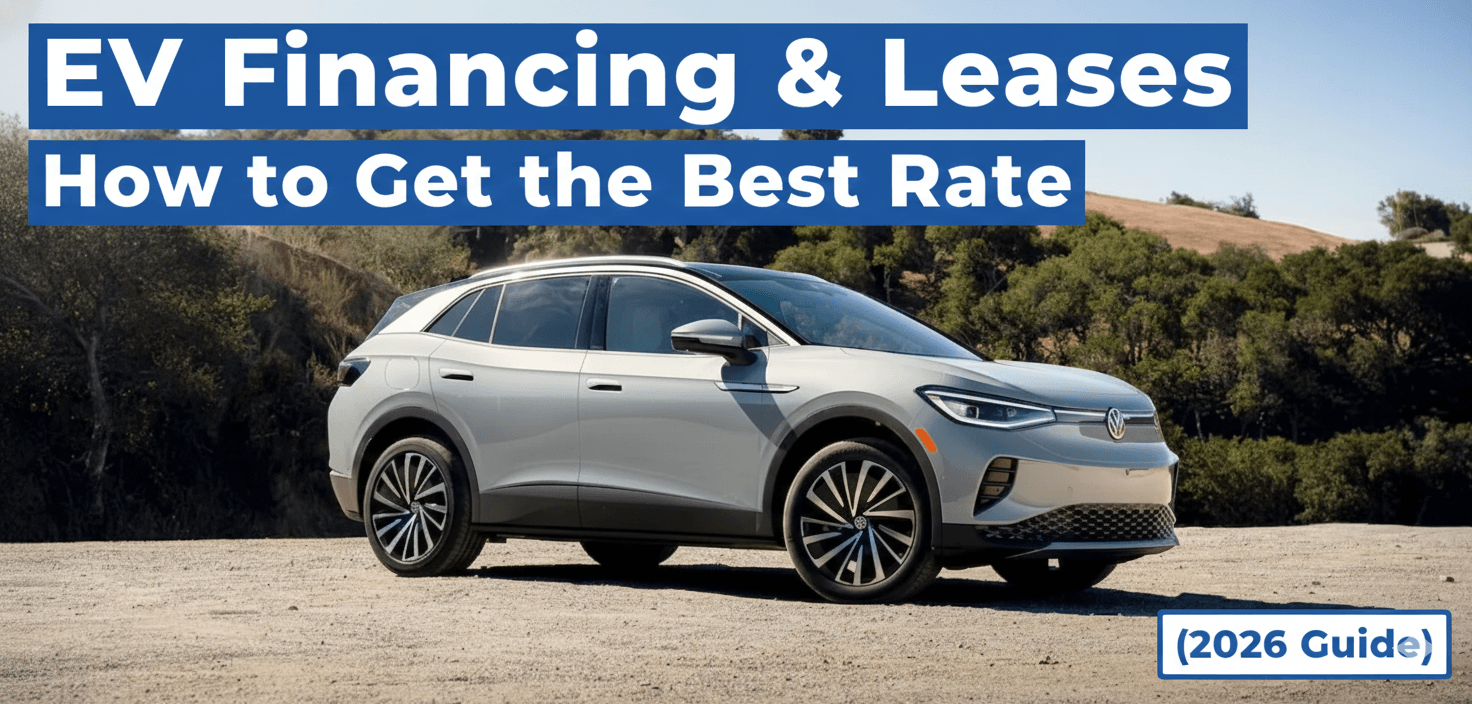
By Rahul — EV owner, reviewer, and long-time clean energy enthusiast Financing or leasing an electric car in early 2026 is not the same as it was just one year ago. The biggest shift was the end of all federal EV tax credits on September 30, 2025, including: Manufacturers can no longer claim any of
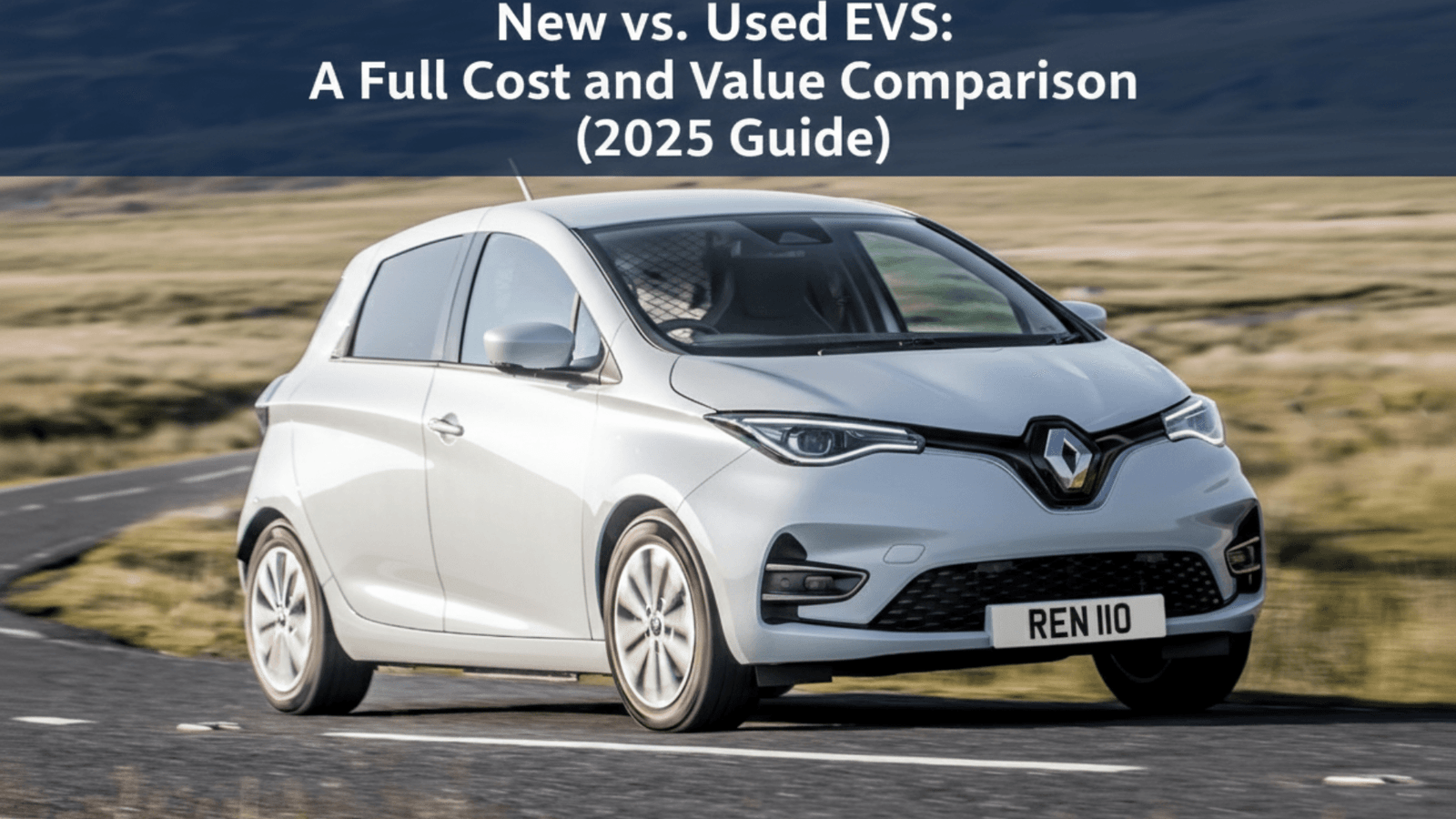
By Rahul — EV Enthusiast & Automotive Analyst at VeCharged ⚠️ Important Disclaimer (Must Read) The Clean Vehicle Credit program (new EV $7,500 credit + used EV $4,000 credit) ended on September 30, 2025. This single policy change fundamentally shifts the cost comparison between new and used EVs. If you’re planning to buy or sell
For the last decade, the electric vehicle revolution was defined by range, speed, and charging networks. As we close out 2025, the conversation is fundamentally shifting. For a growing number of buyers, the most important feature of their next car won’t be how it drives—but how it powers their life when it’s parked. Vehicle-to-Home (V2H)