Portable Power Calculator: Instantly Find Your Real-World Runtime
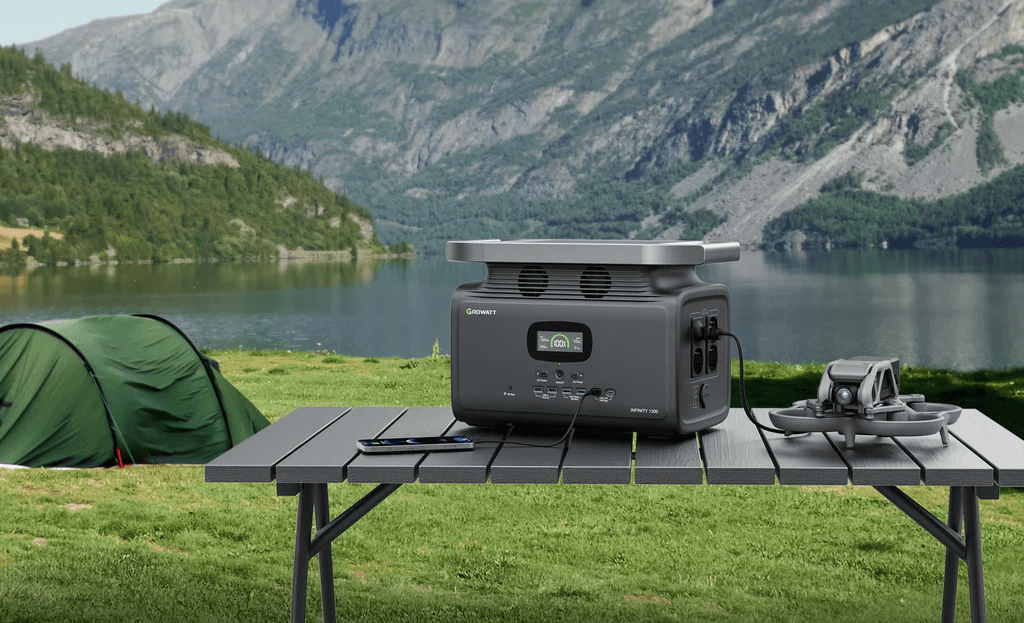
You’ve seen the dream on Instagram: a perfect campsite, a laptop open under the stars, string lights twinkling, all powered by a sleek, silent box. It’s the promise of modern adventure.
Then you decide to buy one.
Suddenly, you’re hit by a wall of numbers and confusing choices. What’s the real difference between a 300Wh, a 500Wh, or a massive 1000Wh power station? They all look the same, but the prices are wildly different. It’s a recipe for confusion and “analysis paralysis.”
I’ve been there. I’ve spent countless hours testing these units in the real world, and I’m here to tell you a secret: you’re not just choosing a battery size. You’re choosing a travel companion. Each size has a distinct personality and a specific mission it was born to accomplish.
In this guide, we’re going to forget the jargon. We’re going to meet the three main characters in the world of portable power. By the end, you won’t just know which one to buy—you’ll know why.
The Runtime Rover 🚀
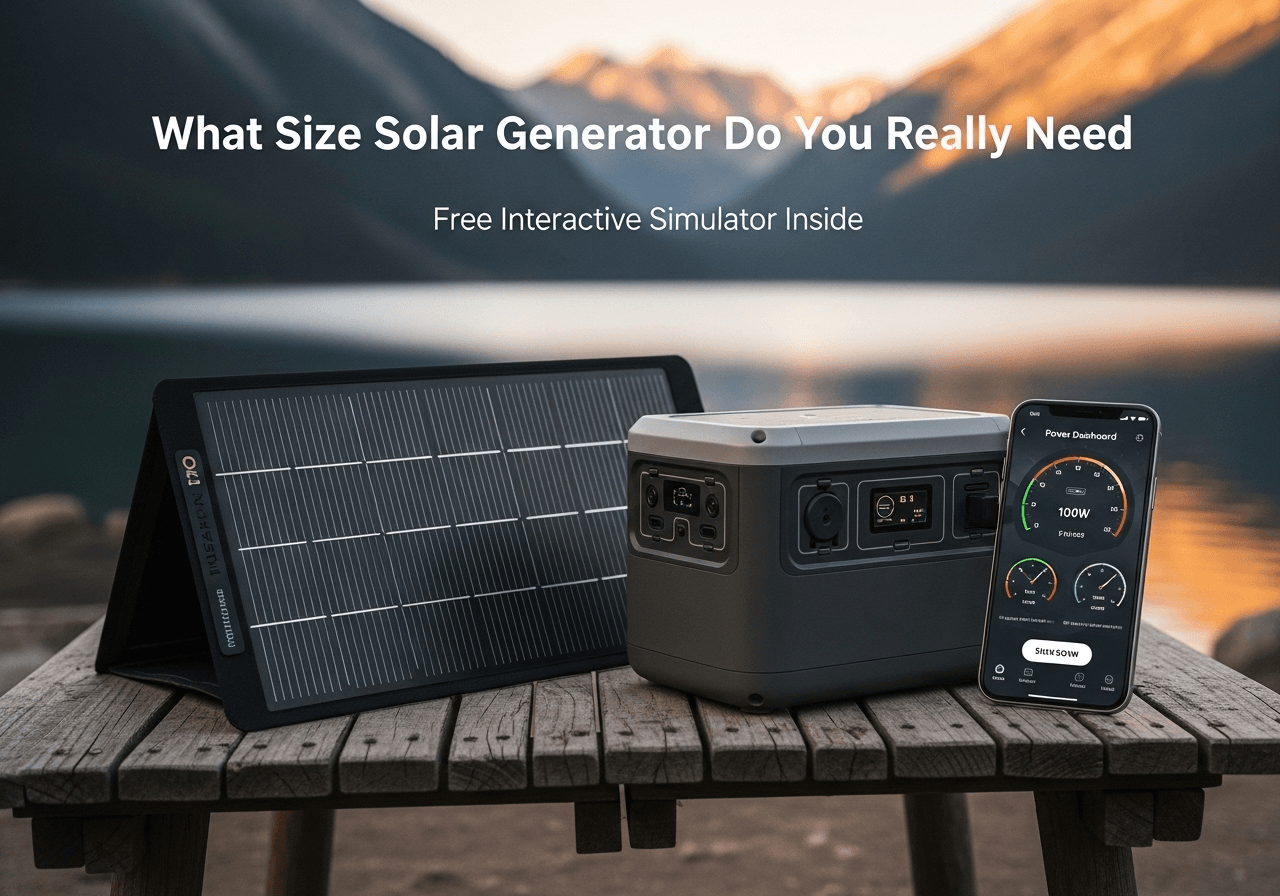
Click one or more appliances to build your setup, then use the slider to see how long different power stations can last. It’s your personal “what-if” machine!
1. Select Your Appliances:
2. Select a Power Station Size:
300 Wh500 Wh1000 Wh
Total Power Draw:
0 Watts
Estimated Runtime:
— Hours
Select one or more items to get started!
First, The One Number That Actually Matters
Before we dive in, let’s simplify everything. When you look at a power station, you’ll see dozens of specs. I want you to ignore them all for a moment and find the big number followed by “Wh”.
“Wh” stands for Watt-hours. This is the single most important number.
Think of it like the size of a fuel tank in a car.
A 300Wh station has a small, 3-litre tank.
A 1000Wh station has a much larger, 10-litre tank.
A bigger tank holds more energy, which means it can run your gear for longer. That’s it. Everything else we discuss comes back to this one simple concept.
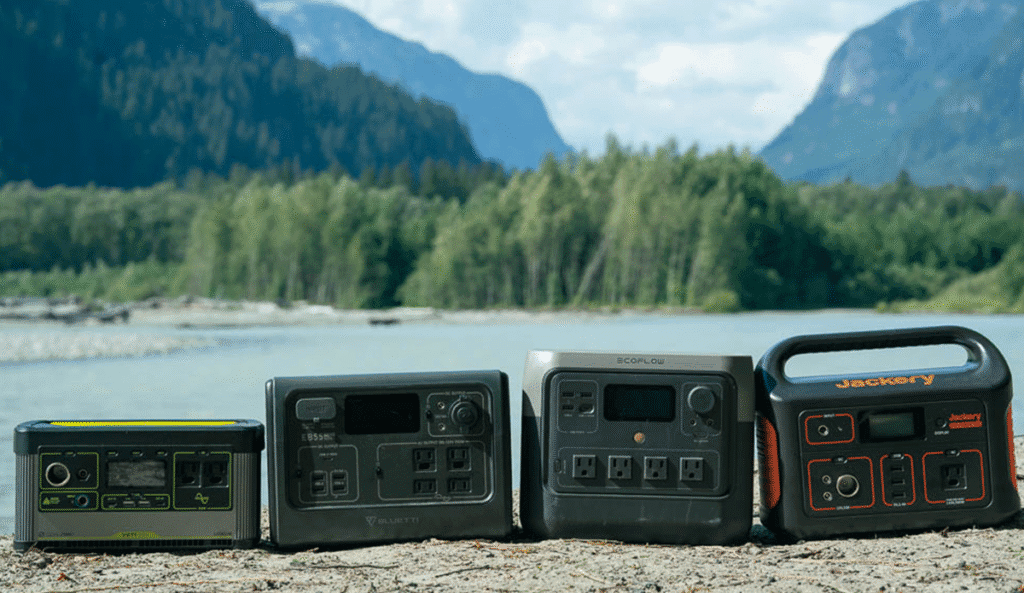
Meet the Contenders: Your Three Power Companions
Let’s meet the team. Each one is a specialist, ready for a different kind of adventure.
1. The 300Wh “Weekend Warrior”
![A small, compact 300Wh power station next to a phone and a laptop at a park bench.]
This is the ultralight, grab-and-go champion. It’s small enough to carry in one hand and powerful enough to completely untether your personal electronics from the wall for a weekend.
Best For: Solo campers, digital nomads working from a park, photographers on a day shoot, or anyone who needs to keep their personal gadgets running.
Its Superpower: Ultimate portability. It doesn’t feel like a chore to bring along.
What Can It Actually Run?
This is where the rubber meets the road. A 300Wh battery can power…
Device
How Many Recharges?
Or How Long Can It Run?
Smartphone
~20-25 times
—
Laptop (MacBook Air)
~4 times
—
Drone
~3-4 times
—
LED Camp Light (10W)
—
~25 Hours
Portable Fan (40W)
—
~6.5 Hours
Wi-Fi Hotspot (5W)
—
~50 Hours
Perfect Solar Pairing: A 100W portable solar panel. This combo is perfectly balanced. A 100W panel can fully recharge a 300Wh station in about 4-5 hours of good sun, making you self-sufficient for days.
The Bottom Line: If your needs revolve around phones, laptops, and cameras, the 300Wh Weekend Warrior is your perfect, lightweight partner.
2. The 500Wh “Campsite Hero”
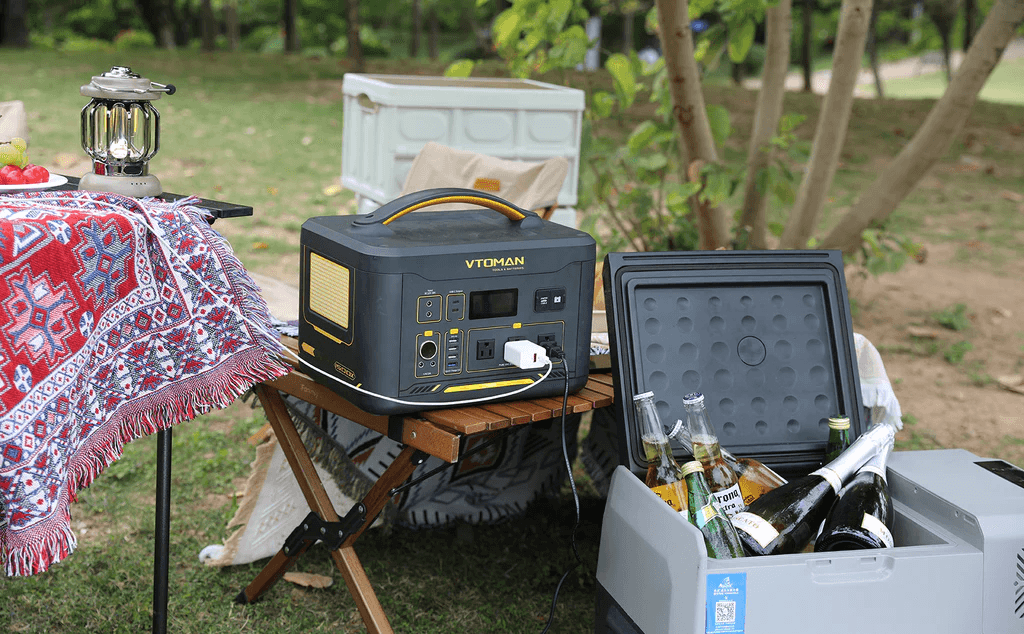
![A mid-size 500Wh power station at a family campsite, with string lights on and a portable cooler plugged in.]
This is the Goldilocks of the power world—not too small, not too big. It has enough grunt to move beyond personal electronics and start powering the creature comforts that turn a good camping trip into a great one.
Best For: Family car camping, overlanding trips, or as a robust emergency power source for a single person.
Its Superpower: Versatility. It’s the sweet spot of power and portability.
What Can It Actually Run?
A 500Wh battery can handle everything the 300Wh can, plus more demanding gear.
Device
How Many Recharges?
Or How Long Can It Run?
Everything from the 300Wh
More of it
Longer
Portable Fridge (60W)
—
~7 Hours
CPAP Machine (75W)
—
~5.5 Hours
32″ LED TV (40W)
—
~10.5 Hours
Perfect Solar Pairing: A 100W or 200W panel. A 100W panel will keep it topped up, but a 200W panel gives you the confidence to run a portable fridge all day and still end with a full battery by sunset.
The Bottom Line: If you’re looking to power a portable fridge or medical equipment like a CPAP, the 500Wh Campsite Hero is your minimum starting point and an incredibly capable choice.
3. The 1000Wh “Off-Grid Workhorse”
![A large 1000Wh power station at an elaborate campsite or during a simulated power outage at home, powering a fridge.]
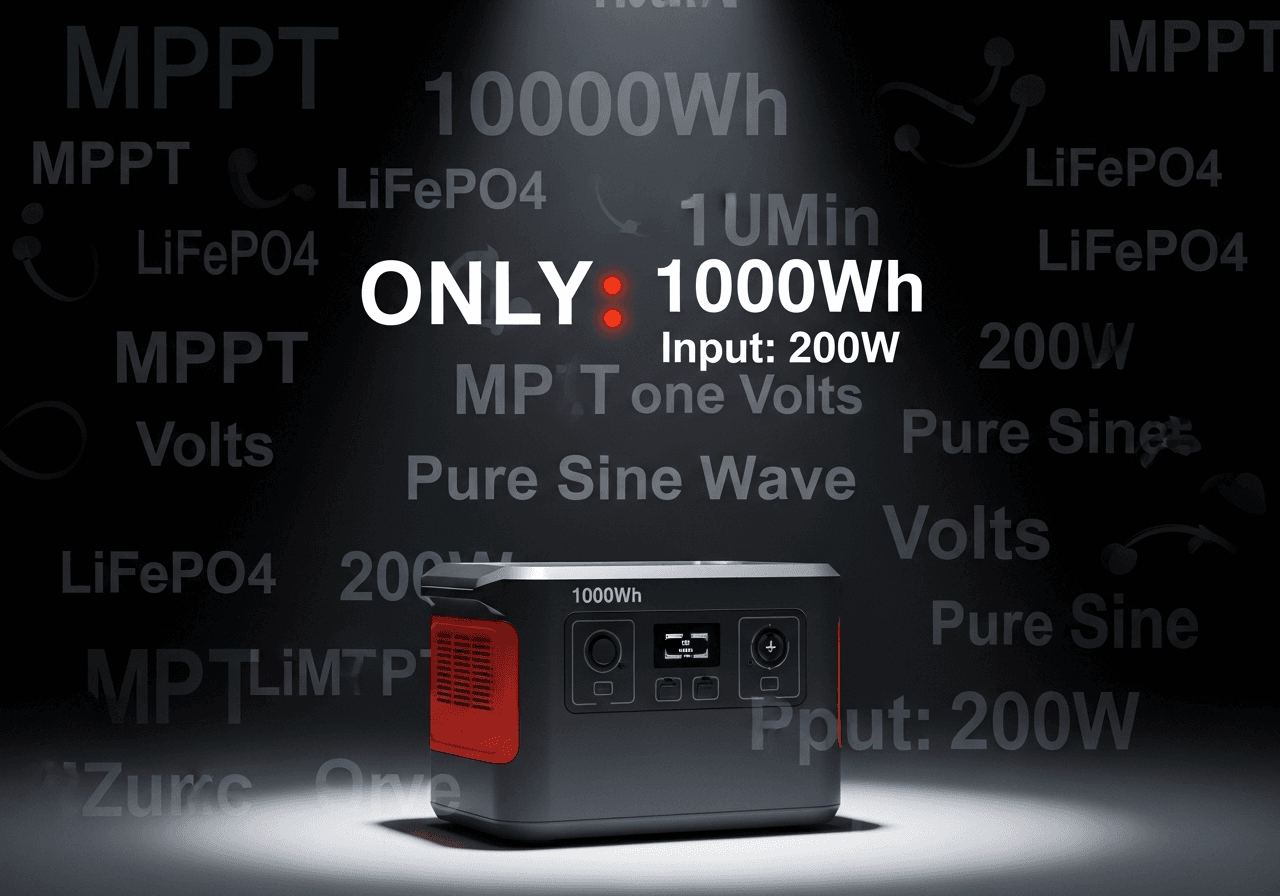
This is the big leagues. A 1000Wh (or 1kWh) station is a serious piece of equipment. It’s less about charging phones and more about running actual appliances. It’s the heart of a true off-grid setup or a genuinely useful home backup system.
Best For: Serious overlanders, long-term van life, or as a reliable home backup system during a power outage.
Its Superpower: Capacity and Confidence. It can handle high-wattage appliances and run essentials for extended periods.
What Can It Actually Run?
This workhorse can handle multiple things at once and isn’t scared of power-hungry appliances.
Device
How Many Recharges?
Or How Long Can It Run?
Everything from the 500Wh
Way more
Way longer
Home Refrigerator (150W)
—
~5.5 Hours
Coffee Maker (1200W)
—
~40 Mins (6-8 cups)
Microwave (1000W)
—
~50 Mins
Power Tools (Drill, Saw)
—
~1-2 Hours of use
Perfect Solar Pairing: A minimum of 200W, but ideally 400W. A 1000Wh battery is a huge tank to fill. You need a powerful solar array to make a meaningful dent in recharge time, especially if you’re using power at the same time.
The Bottom Line: If your plans include running appliances with motors (fridges) or heating elements (coffee makers), the 1000Wh Workhorse is the only reliable choice. It’s a serious tool for serious power needs.
The Side-by-Side Showdown
Let’s put them all together for a final, at-a-glance comparison.
Feature
300Wh “Weekend Warrior”
500Wh “Campsite Hero”
1000Wh “Off-Grid Workhorse”
Best For
Personal electronics, short trips
Family camping, fridges, CPAP
Home backup, appliances, van life
Capacity Analogy
Small 3L Fuel Can
Medium 5L Fuel Can
Large 10L Fuel Can
Example Weekend Loadout
Phone, Laptop, Drone, Light
Fridge, Lights, Phones, Fan
Fridge, Coffee Maker, TV, Laptop
Can it run a fridge?
No
Yes, for about 7 hours
Yes, and a home fridge too
Recommended Solar Panel
100W
100W – 200W
200W – 400W
Portability
Easy (One-handed carry)
Manageable (Like a small cooler)
Heavy (A two-hand lift)
The Honest Truth: The 85% Rule
One last pro tip. If a station is 1000Wh, you won’t get exactly 1000Wh of usable power out of it. You should expect to get about 85% of its rated capacity. The other 15% is lost as heat when the power is converted from the battery (DC) to the plugs you use (AC).
We’ve already factored this into our runtime estimates above, but it’s the secret that separates the beginners from the pros. Always plan for 85% usable capacity.
Conclusion: Match the Tool to the Adventure
As you can see, the question isn’t “which power station is best?” It’s “which power station is best for me?”
If you want to escape with your laptop for a weekend, the 300Wh Weekend Warrior is your champion.
If you need to keep the family happy and the drinks cold, the 500Wh Campsite Hero is your reliable friend.
And if you want to power your life, whether on the road or during a blackout, the 1000Wh Workhorse is the undisputed king.
Stop looking at the watts and the numbers. Start thinking about your adventure. The perfect power companion is waiting for you.
Suhas Shrikant is the founder of Vecharged and an engineering enthusiast specializing in high-power off-grid solar systems. He has designed and built over a dozen custom systems and uses his hands-on, field-tested experience to create Vecharged’s expert guides and reviews.
Vecharged is the consumer protection and education initiative of Cleanpower.eco, an organization dedicated to providing a clear, unbiased, and authoritative voice in the clean energy transition. The experts at Cleanpower.eco recognized a critical crisis of trust: the shift to electric vehicles and solar power is one of the most important and expensive decisions a family will make. Yet, the landscape is flooded with biased reviews, confusing marketing, and paid-for endorsements. Vecharged was created to be the shield against that confusion. We were founded on a simple, non-negotiable constitution: We are radically independent. We accept no advertising, sponsorships, or paid placements from any product manufacturer. We have no commercial interest in the products we review. Our only metric for success is your empowerment. Our loyalty is to you, the consumer. Full stop. We ground our brutally honest, hands-on analysis in a deep, foundational understanding of the engineering. We are not just reviewers; we are your advocates.
The Government of India’s National Portal for Rooftop Solar aims to simplify the process of installing solar panels on your home or business. This guide walks you through every step, from registering on the portal to commissioning your system and enjoying the benefits of clean energy. Prerequisites: Steps to Apply on the National Portal for
Harnessing the sun’s energy for hot water is a practical and sustainable solution, and India, with its abundant sunshine, is a prime candidate for solar water heaters. This guide dives deep into everything you need to know about solar water heaters in India, empowering you to make informed decisions for your home or business. We’ll
Tesla has rolled out a substantial new software update, bringing significant refinements to the user interface, the highly-anticipated Auto Shift feature, and much more. Let’s break down the key changes and what they mean for Tesla owners. New User Interface (UI): Designed for Immersion The most noticeable change is the redesigned UI. Tesla aims to
The market for best luxury electric suvs is rapidly evolving. If you’re searching for the ultimate in zero-emissions luxury, let’s explore the top options for 2024 and beyond Top Performers on the Market Now Tesla Model X: This iconic SUV, known for its “Falcon Wing” doors, offers incredible acceleration, range and space. It’s a true