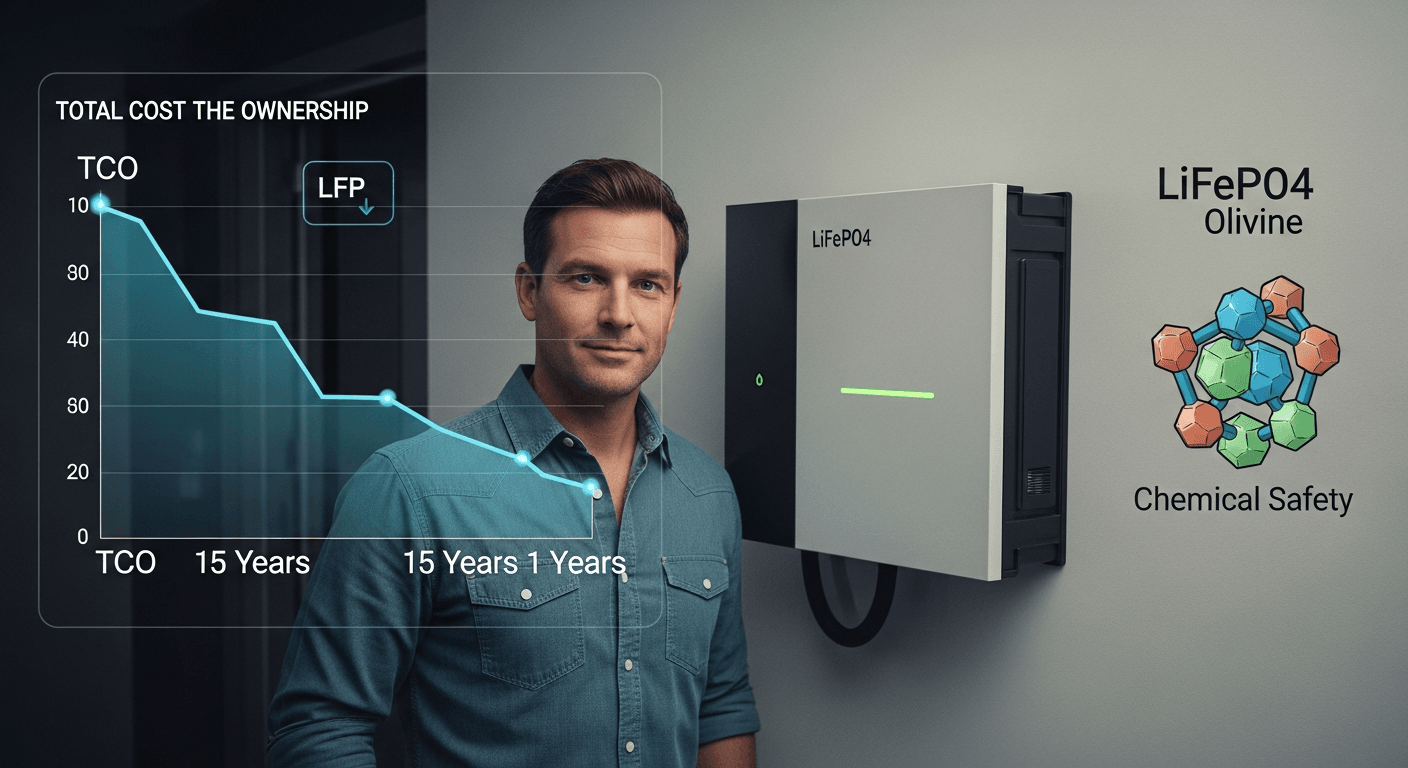
You’re standing on the edge of a $15,000 decision, and the sales world is throwing buzzwords like “Solid-State” and “V2G” at you. Let me be blunt: most of it is noise designed to make you wait or overpay. As an expert who has been hands-on with these systems for a decade, I can tell you that the true king of home energy storage for 95% of Americans isn’t a prototype—it’s the proven, safe, workhorse Lithium Iron Phosphate (LiFePO4). My primary advice? Stop obsessing over the spec sheet and start calculating the Total Cost of Ownership (TCO). I’m going to cut through the marketing, show you the real math, and protect you from buying a system that will fail the one job it has: keeping your lights on, reliably, for the next two decades.
I. The Foundation: Why LiFePO4 (LFP) is the Safety-First Choice
At Vecharged, our primary directive is empowerment through protection. When considering an energy storage system (ESS), safety—specifically, resistance to fire and thermal events—is non-negotiable. This is where LiFePO4 stands alone.
The Vecharged Analogy: The Battery as a Car (The Safety Test)
NMC (Nickel Manganese Cobalt): The High-Performance Racecar. It’s built for maximum energy density in a tight space (ideal for long-range EVs). However, this density comes with a compromise: lower thermal stability.
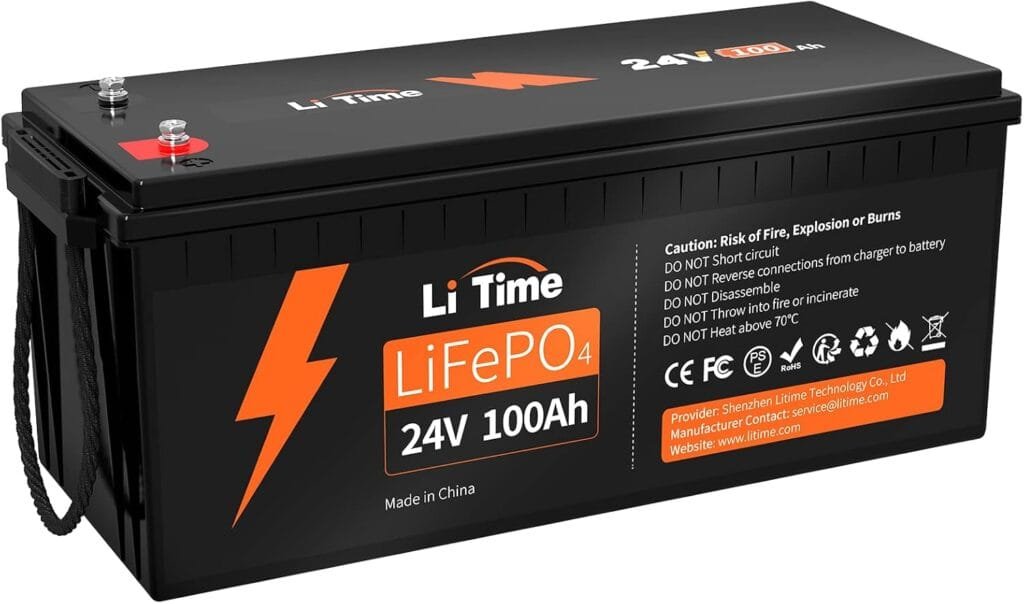
LiFePO4 (Lithium Iron Phosphate): The Heavy-Duty, Reliable SUV. It sacrifices compact size for a chemically stable structure. Its core is made of an inherently safe olivine crystal that releases heat much slower and less intensely.
Safety Parameter
LiFePO4 (LFP)
NMC (Typical Home ESS)
The Vecharged Verdict
Thermal Runaway Onset
~230–270 Degree Celsius
~160–210 Degree Celsius
LFP Wins. Its higher threshold provides a larger safety margin against thermal events.
Peak Runaway Temperature
~620 Degree Celsius
~800 Degree Celsius
LFP Wins. Produces significantly less heat, making fire containment much easier.
Energy Density (Wh/kg)
Lower (Bulky)
Higher (Compact)
NMC Wins. But for stationary, residential use, this is irrelevant.
II. The Core Financial Reality: Levelized Cost of Storage (LCOS)
The primary reason LFP dominates the home energy market is its superior Levelized Cost of Storage (LCOS). This is the true cost of every kilowatt-hour (kWh) of energy your battery delivers over its operational life.
The Metric That Matters: Lifetime Cycle Count
While the initial price for a 10kWh LFP system (installed ~ $9,600–$16,500) is comparable to or slightly lower than NMC (~ $11,000–$20,600), the difference lies in the replacement cost.
Parameter
LiFePO4 (LFP)
NMC (Typical Home ESS)
Impact on TCO
Cycle Life (to 80% Cap)
3,000 – 6,000+ cycles
$1,000 – 2,500$ cycles
LFP Wins. Translates to 10-16+ years of daily use vs. 3-6 years for NMC.
IRA Tax Credit
30% Uncapped (≥3kWh)
30% Uncapped (≥3kWh)
Both benefit, but LFP’s lower replacement costs maximize the long-term ROI.
The Vecharged Replacement Math (15-Year View)
Assuming daily cycling (365 cycles/year) for peak-shaving:
Premium LFP (6,000 cycles): 6000 cycles/365 days = 16.4 years. One system covers the entire 15-year period.
Standard NMC (1,500 cycles): 1500 cycles/365 days = 4.1 years. You will need 3-4 replacements in 15 years.
This disparity is why the calculated LCOS for LFP is often ~ $0.06 per kWh vs. the ~ $0.20 per kWh you might pay for a lower-cycle NMC alternative.
III. The Hype Killers: Marketing vs. The Reality (The Vecharged Reality Check)
A. The Marketing vs. The Reality: Solid-State Batteries
Marketing Hype
The Vecharged Reality Check
“Solid-State is here! Wait and don’t invest in older chemistry.”
Solid-State technology is progressing, with limited commercial rollout expected 2026–2030. But it remains prohibitively expensive and complex for mainstream residential use in the short term. The cost-benefit analysis overwhelmingly favors the proven, safe LFP for investments made today. Do not wait for tomorrow’s technology; secure your energy independence with the best available solution today.
B. The Marketing vs. The Reality: Vehicle-to-Home (V2H)
The Promise is real, but the fine print is complex.
Marketing Hype
The Vecharged Reality Check
“Your EV is a giant home battery!”
V2H/V2G requires a specialized $5,000–$15,000 bi-directional charger and a compatible EV (including many Ford, GM, Hyundai/Kia, and Nissan models). The risk remains: The Vecharged Degradation Check—Daily cycling for home power subjects the EV battery to thousands of micro-cycles. Unless your EV manufacturer explicitly approves this usage under warranty, you risk accelerating the degradation of a high-value asset. A dedicated LFP unit is the safer, more protective, and lower-risk choice.
IV. The Vecharged Verdict: A Protective Buying Guide
Our final, protective, and actionable recommendation:
UL Certification: Demand evidence of the UL 9540 certification (full system safety) and the UL 9540A fire propagation test report. This proves the system is safe for installation.
Warranty and Throughput: A 10-year warranty is standard, but you must check the guaranteed energy throughput. A premium 10kWh LFP system should ideally guarantee around 60 MWh of total energy delivery over the warranty period (equating to ~ 6,000$ cycles). Verify this specific throughput guarantee for the model you choose.
BMS Quality: Ensure the Battery Management System (BMS) is sophisticated, cloud-connected, and actively monitors the system’s cell-level health, protecting your investment long-term.
I’m a writer and analyst who explores the clean energy transition, with a focus on electric vehicles and solar power.
My journey began five years ago as a firm skeptic. Determined to debunk the hype around EVs, my in-depth research led to an unexpected conclusion: the future I was questioning was already here. This realization didn’t just change my mind; it put me in the driver’s seat of my own EV.
Today, I’m passionate about sharing the clarity I found. I provide the practical, data-driven insights people need to feel confident and excited about navigating their own path to a sustainable future.
Vecharged is the consumer protection and education initiative of Cleanpower.eco, an organization dedicated to providing a clear, unbiased, and authoritative voice in the clean energy transition. The experts at Cleanpower.eco recognized a critical crisis of trust: the shift to electric vehicles and solar power is one of the most important and expensive decisions a family will make. Yet, the landscape is flooded with biased reviews, confusing marketing, and paid-for endorsements. Vecharged was created to be the shield against that confusion. We were founded on a simple, non-negotiable constitution: We are radically independent. We accept no advertising, sponsorships, or paid placements from any product manufacturer. We have no commercial interest in the products we review. Our only metric for success is your empowerment. Our loyalty is to you, the consumer. Full stop. We ground our brutally honest, hands-on analysis in a deep, foundational understanding of the engineering. We are not just reviewers; we are your advocates.
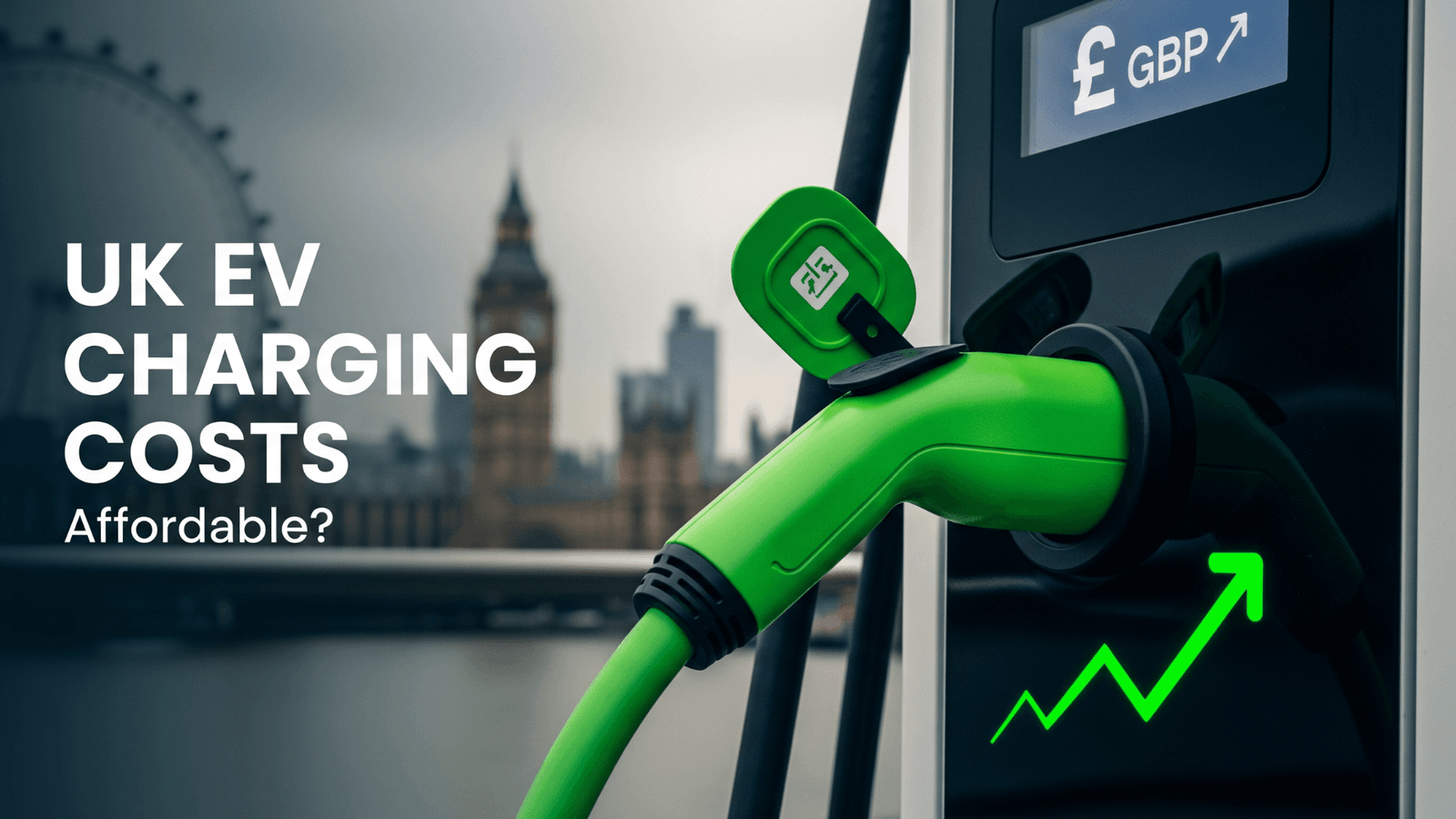
If you’re driving an electric vehicle (EV) in the UK, you already know the promise: lower running costs. But the moment you leave your driveway, you enter a confusing marketplace of rapid chargers, p/kWh pricing, and membership fees. Is public charging really affordable, or is it a hidden tax on convenience? I’m going to give
Choosing between electric trucks and SUVs in the U.S. is more than just a preference; it’s a decision shaped by lifestyle, practicality, and personality. Here’s a fact-packed guide that compares 2025’s leading electric trucks and SUVs for American buyers, followed by top global options. U.S. Electric Showdown: Trucks vs. SUVs Utility, Power, and Versatility Range
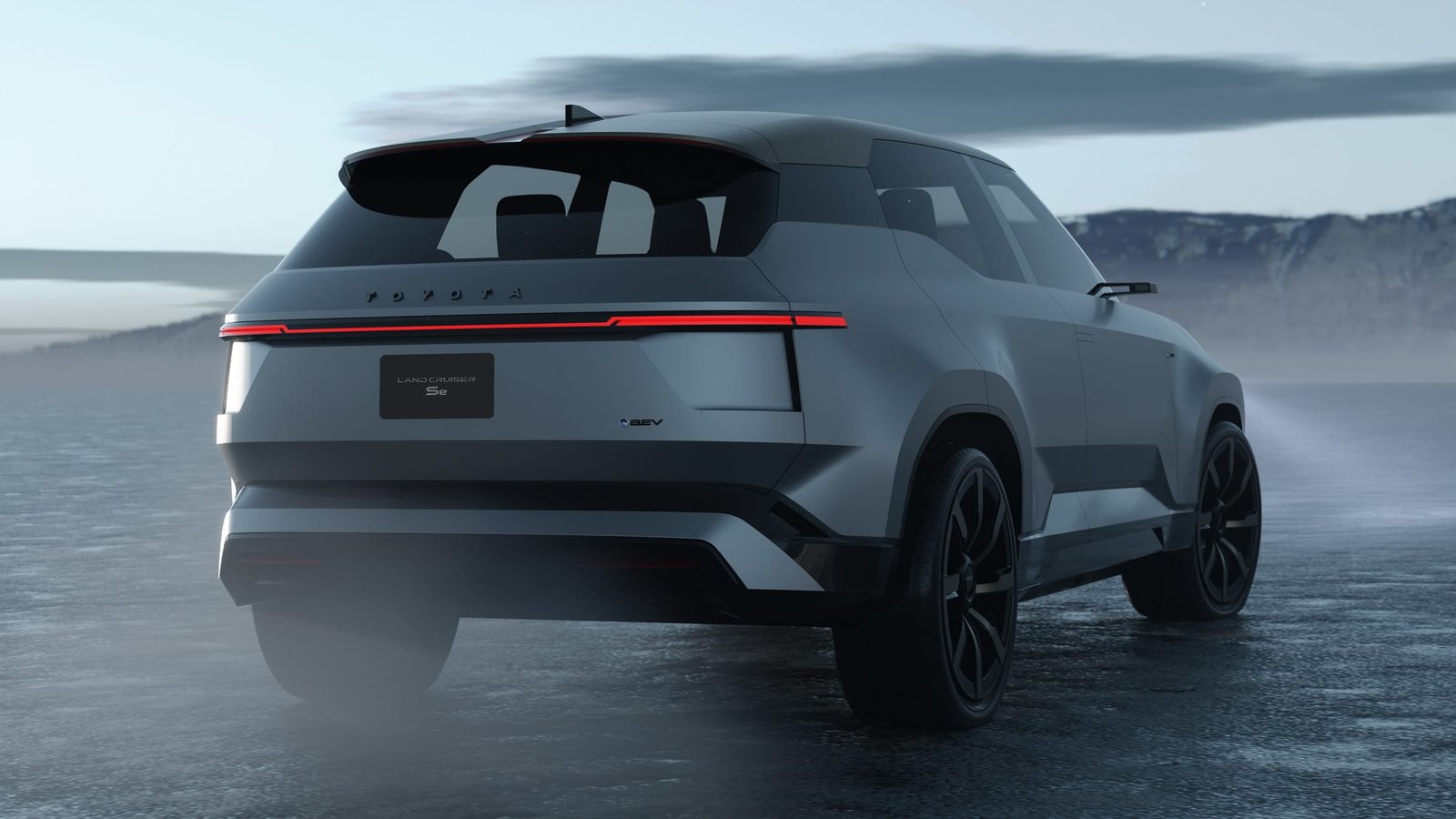
For over 70 years, the Toyota Land Cruiser hasn’t just been an SUV; it’s been a global symbol of unstoppable capability. It’s the vehicle trusted across deserts, mountains, and conflict zones – a legend forged in relentless reliability. But the world is changing, and even icons must evolve. Toyota is preparing for a monumental shift:
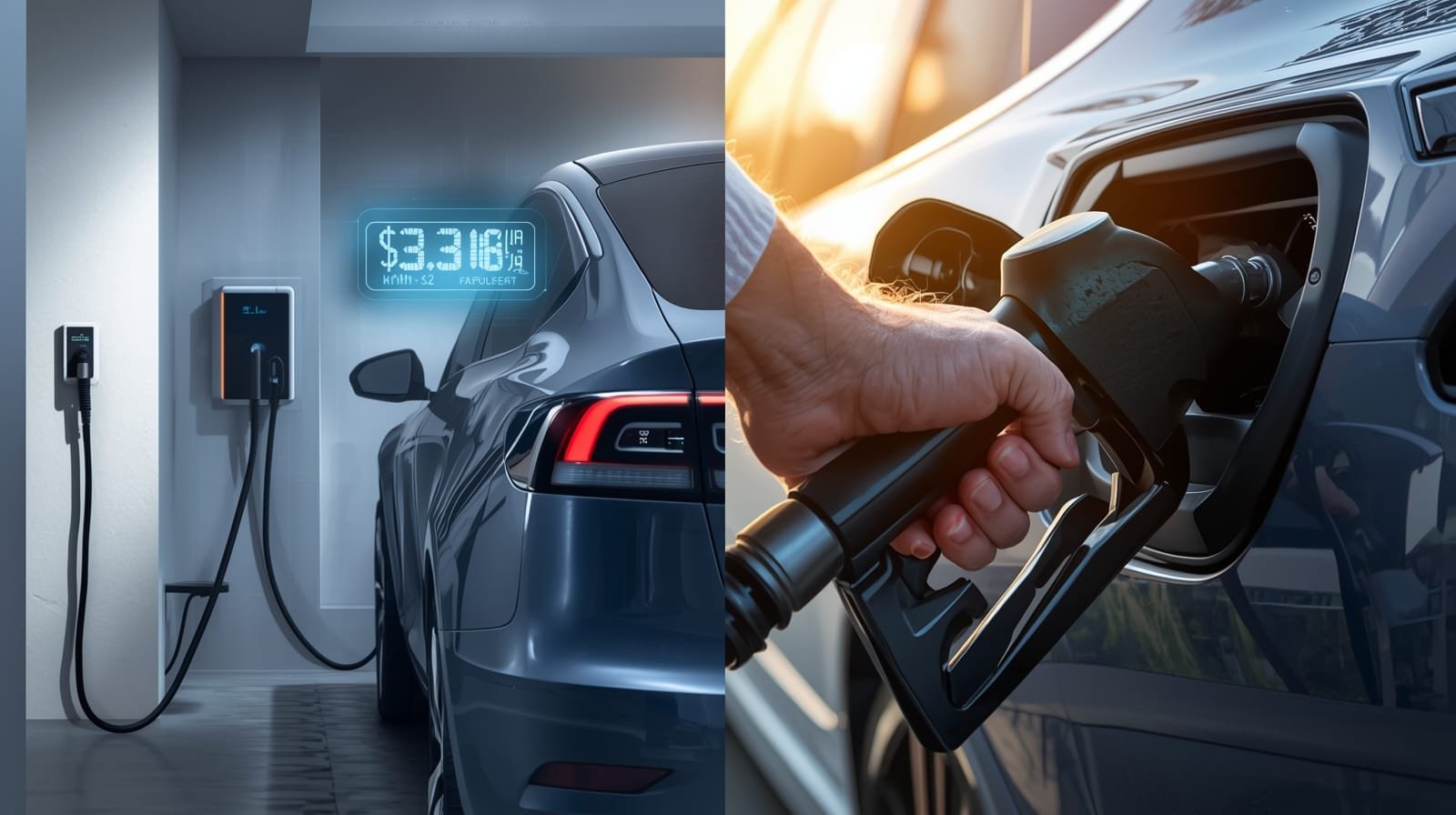
It’s the question I get asked more than any other: “Will I really save money with an electric car compared to buying gas?” You hear the hype, tiny electric bills! Then you hear the horror stories, shocking costs at public chargers! So, what’s the real deal in late 2025? Let’s cut through the noise. I’ve