The “bigger is better” argument seems obvious, but the reality of weight, roof space, and system design is far more complex. As a systems designer, I’m here to tell you why the smartest choice isn’t always the biggest panel.
My name is Suhas, and in the world of solar design, the debate between using larger, more powerful 500-watt panels versus their smaller 400-watt brethren is a constant. On the surface, the math seems simple: fewer panels to install, less racking, and potentially lower labor costs. It’s a tempting proposition.
But I’m here to tell you that the numbers on a spec sheet don’t tell the whole story. The real-world performance of your solar array has less to do with the maximum wattage of a single panel and everything to do with how the system functions as a whole.
This is my definitive guide to the 500W vs. 400W debate. We’re going to go beyond the marketing and look at this from an engineer’s perspective, focusing on the factors that truly matter: logistics, system design, and the technology that ties it all together.
The Physics You Can’t Ignore: It’s a Game of Size and Weight
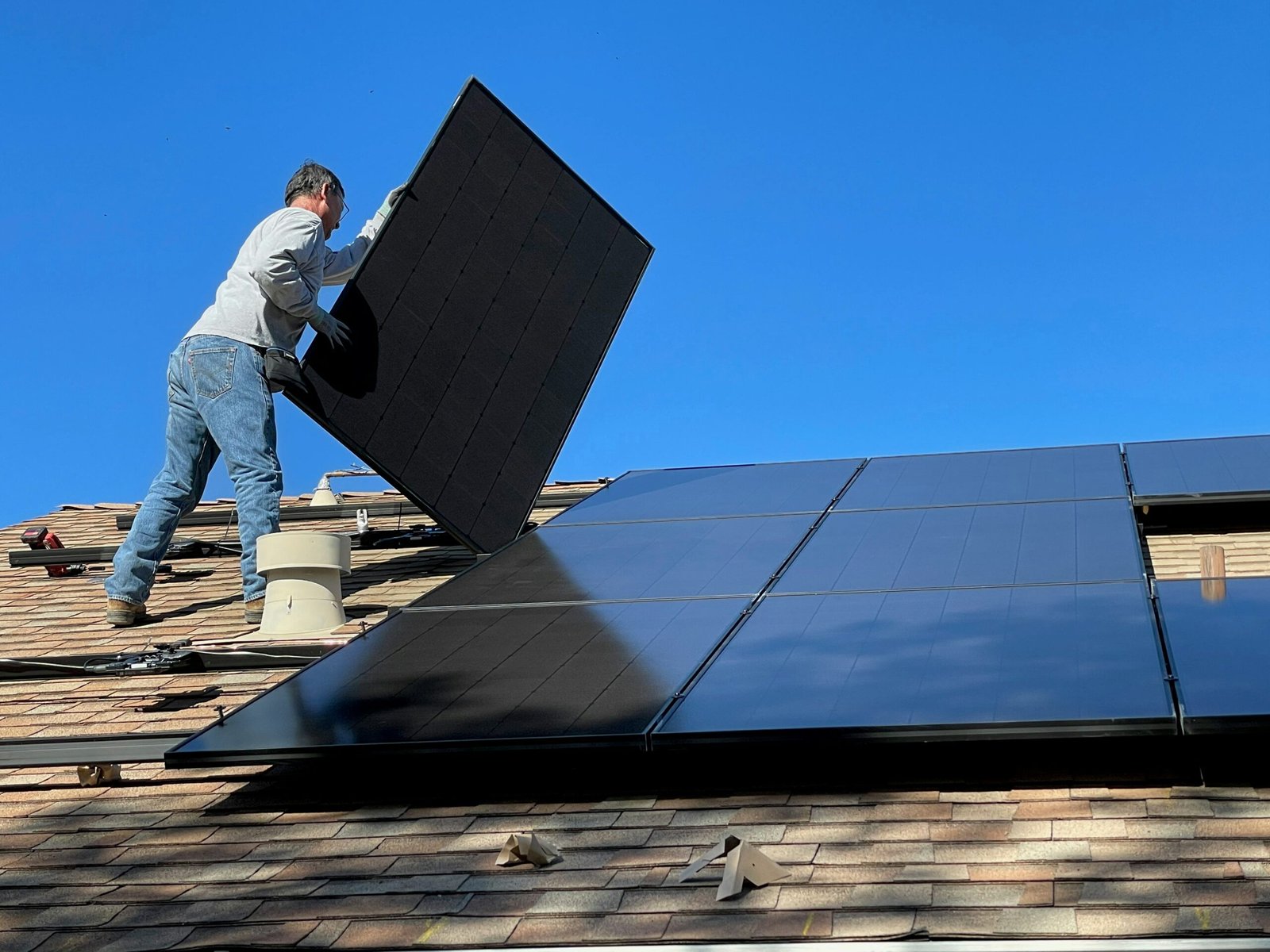
Here’s the part that most spec sheets won’t tell you in bold letters: a 500W panel isn’t just more powerful; it is significantly larger and heavier. This isn’t a minor detail; it’s a foundational challenge that impacts everything from shipping to installation safety.
Metric
Typical 400W Panel
Typical 500W Panel
The Real-World Impact
Dimensions (approx.)
6.6 ft x 3.3 ft (2.2m x 1.1m)
7.4 ft x 3.8 ft (2.4m x 1.2m)
Larger panels are much harder to handle on a pitched roof, especially in windy conditions.
Weight (approx.)
50 lbs (22.7 kg)
65+ lbs (29.5+ kg)
That extra 15+ lbs is a significant safety and fatigue factor for installers working all day.
Surface Area
~21.8 sq ft
~28.1 sq ft
You have fewer layout options on complex roofs with vents, chimneys, and multiple angles.
My Expert Take: The push for larger panels is primarily driven by the utility-scale solar industry, where giant fields of panels are installed by machines. For residential rooftops, the ergonomic and logistical challenges of these oversized panels are a serious consideration.
The On-the-Roof Reality: Which Panel Wins in Which Scenario?
The right panel is the right tool for the job. Here’s how I advise my clients to think about it.
Scenario 1: The Big, Simple Roof
Imagine a large, south-facing rectangular roof with no chimneys or vents.
The Winner: The 500W Panel. In this ideal scenario, the benefits of larger panels shine. You can fit a massive system with fewer mounting points and potentially lower the overall labor time. The simple layout makes handling the larger panels more manageable.
Scenario 2: The Complex, Shaded Roof
Now, imagine a more typical roof: multiple small sections, a few vents, a chimney, and a tree that casts a shadow in the afternoon.
Why You Might “Skip the Fight” Entirely
This is where I urge my clients to pause. The debate between 400W and 500W panels is often a distraction from a far more important decision: your inverter technology.
If you’re using a standard String Inverter: The shade issue is your biggest enemy. In this case, the flexibility of 400W panels is almost always the superior choice for maximizing a complex roof’s potential.
If you’re using Microinverters or Power Optimizers: This technology changes the game entirely. Each panel performs independently. If one panel is shaded, it doesn’t affect the others at all. In this scenario, the primary question becomes logistics. You can choose 500W panels if you have the space, or 400W panels if you need to work around obstructions.
My Final Advice:Don’t start by choosing a panel. Start by choosing your inverter technology. An investment in microinverters will have a much greater impact on your system’s lifetime performance than the choice between a 400W and a 500W panel.
The Interactive Tool: System Size & Roof Space Visualizer
A list of numbers is one thing, but seeing the impact is another. I’ve built this simple tool to help you visualize the real-world trade-off between panel size and roof space.
Enter your desired total system size, and see how the numbers change.
Suhas Shrikant is the founder of Vecharged and an engineering enthusiast specializing in high-power off-grid solar systems. He has designed and built over a dozen custom systems and uses his hands-on, field-tested experience to create Vecharged’s expert guides and reviews.
Vecharged is the consumer protection and education initiative of Cleanpower.eco, an organization dedicated to providing a clear, unbiased, and authoritative voice in the clean energy transition. The experts at Cleanpower.eco recognized a critical crisis of trust: the shift to electric vehicles and solar power is one of the most important and expensive decisions a family will make. Yet, the landscape is flooded with biased reviews, confusing marketing, and paid-for endorsements. Vecharged was created to be the shield against that confusion. We were founded on a simple, non-negotiable constitution: We are radically independent. We accept no advertising, sponsorships, or paid placements from any product manufacturer. We have no commercial interest in the products we review. Our only metric for success is your empowerment. Our loyalty is to you, the consumer. Full stop. We ground our brutally honest, hands-on analysis in a deep, foundational understanding of the engineering. We are not just reviewers; we are your advocates.
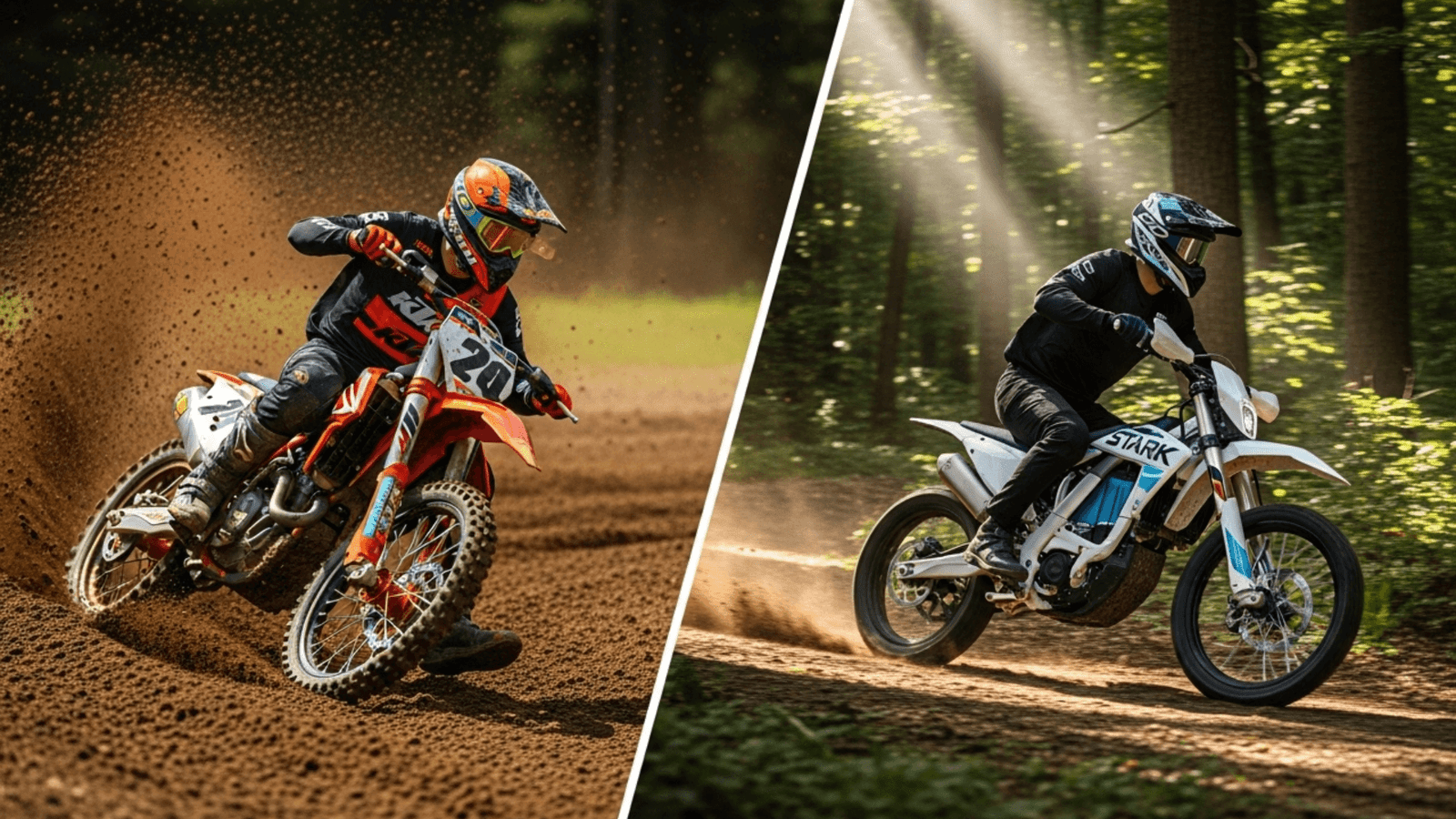
It’s the biggest debate in the off-road world: the visceral roar of a two-stroke versus the silent surge of a lithium-ion battery. We’re cutting through the tribalism to give you the real, data-driven expert breakdown. In the world of off-road riding, no debate is more passionate, more tribal, than gas versus electric. To the traditionalist,
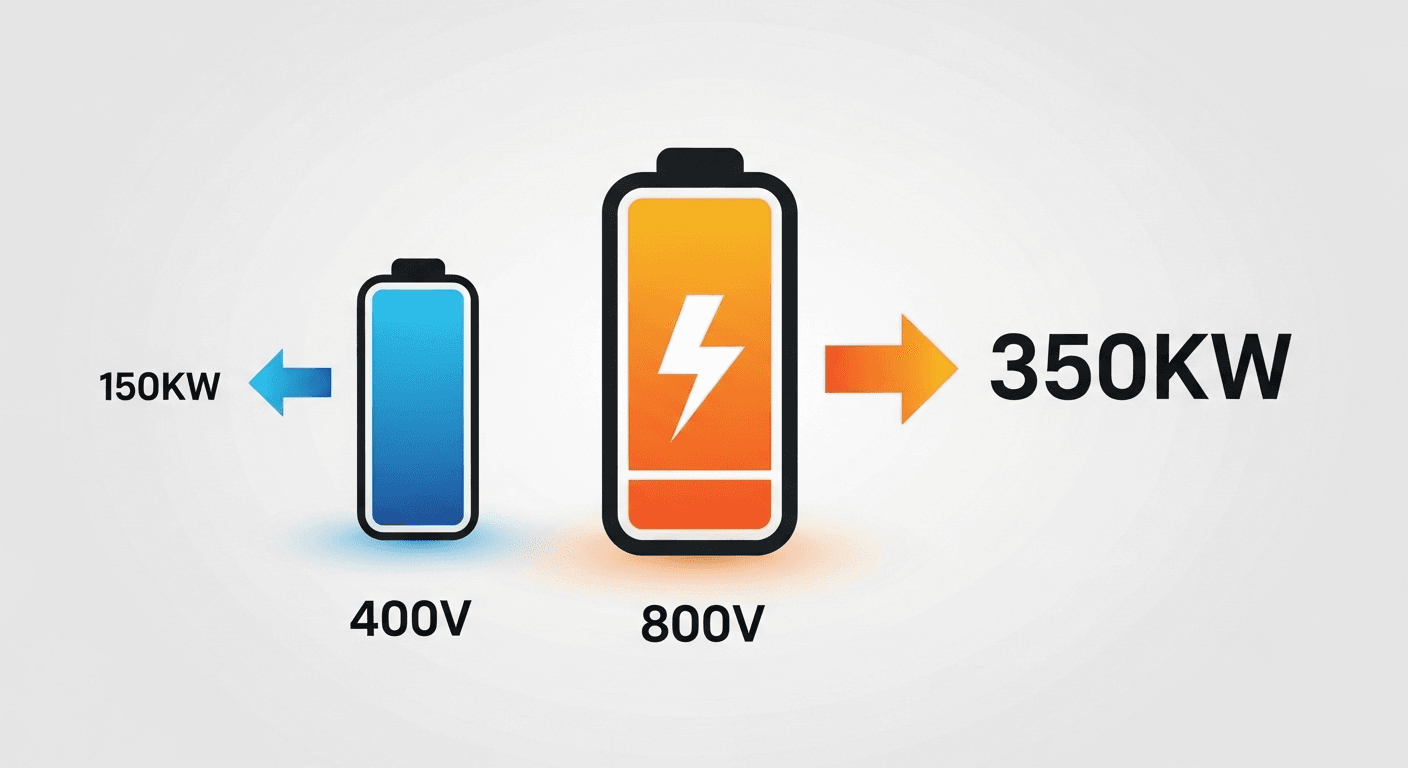
It’s the most important EV innovation you’ve probably never heard of. We break down the science of 800-volt architecture, why it’s a game-changer for charging speed, and which cars have it. We’ve all been there: standing at a public charger, watching the minutes tick by. While everyone focuses on building bigger batteries, the real secret
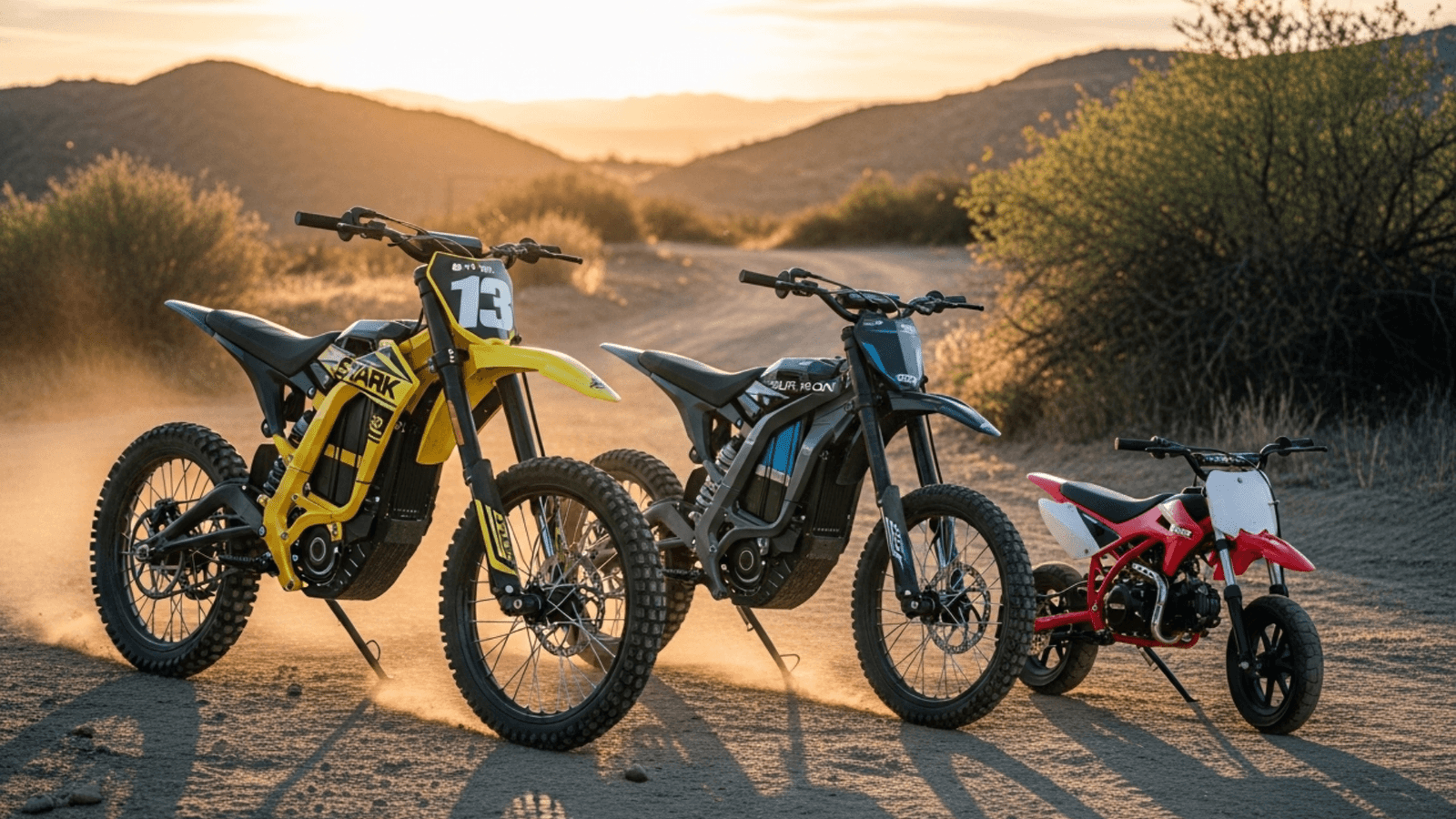
We cut through the hype to review the top models for every budget and use case—from silent trail warriors to safe backyard fun. This is the only guide you need to read before you buy. The world of off-road riding is undergoing a silent revolution. The roar of a two-stroke engine is being replaced by
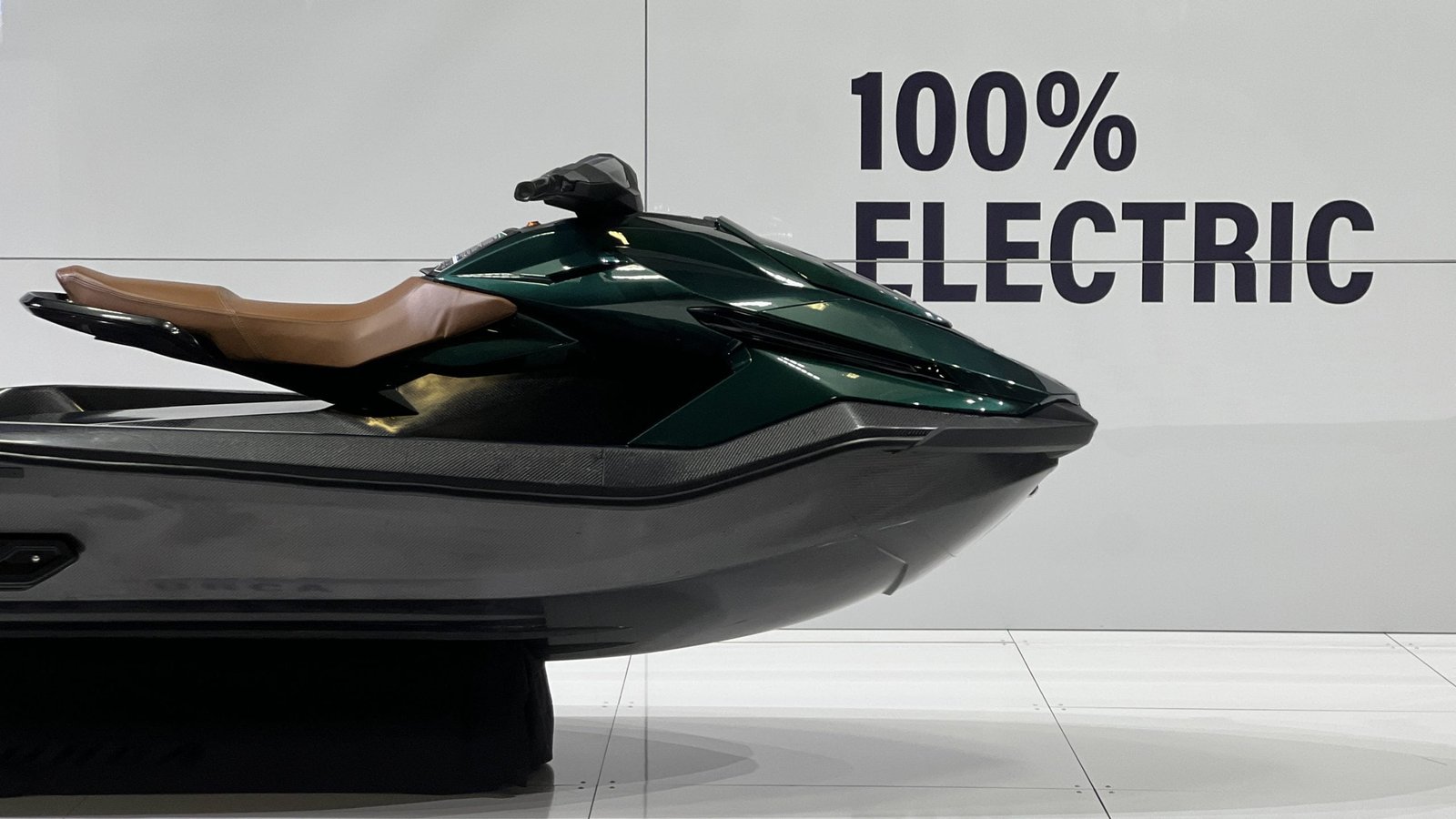
Electric jet skis are carving a path towards a cleaner and quieter future for personal watercraft (PWC) enthusiasts. Here’s a dive into this exciting world: Top Electric Jet Ski Brands 2025: 1. Taiga Orca Review: The Taiga Orca is the pioneer of commercially available electric jet skis. It comes in two models: Orca Leisure: Perfect for