The grey shroud is back. As Delhi gasps for breath under Air Quality Index (AQI) levels soaring past 450 (“severe”) just after Diwali this year, the city faces its grim annual reality. Masks reappear, schools weigh closures, and the health cost becomes terrifyingly real. Studies confirm this toxic air slashes nearly a decade (9.7 years) off the average resident’s life expectancy.
While seasonal stubble burning grabs headlines, a relentless, year-round contributor keeps pumping poison into our air at street level: vehicular pollution. But what if the vehicles themselves could transform from a primary source of the problem into a powerful part of the solution? What if the answer is already silently rolling onto our roads?
The Daily Dose of Poison: What Traffic Does to Our Lungs
It’s easy to blame distant factors, but the emissions from lakhs of vehicles navigating Delhi’s congested roads are a major source of the invisible killer – PM2.5. These microscopic particles, along with Nitrogen Oxides (NOx), lodge deep in our lungs, driving the city’s health crisis.
The Hard Data: While exact figures fluctuate, recent government reports consistently show that transport emissions account for a significant 14-17% chunk of Delhi’s average annual PM2.5 pollution. In high-traffic areas during peak hours, this contribution can spike dramatically, reaching up to 40%.
Key Pollutants Emitted by Petrol/Diesel Vehicles:
Pollutant
Primary Health Impact
PM2.5
Respiratory & Cardiovascular Disease
NOx
Respiratory Issues, Smog Formation
CO
Reduces Oxygen Transport in Blood
VOCs
Smog Formation, Carcinogenic Effects
This isn’t a minor issue; it’s a daily assault generated right where we live, work, and breathe.
Delhi’s Big Bet on EVs: Leading India’s Charge
Electric vehicles (EVs) offer a direct counterattack: zero tailpipe emissions. Imagine the immediate impact on street-level air quality if a significant portion of Delhi’s fleet stopped pumping out pollutants.
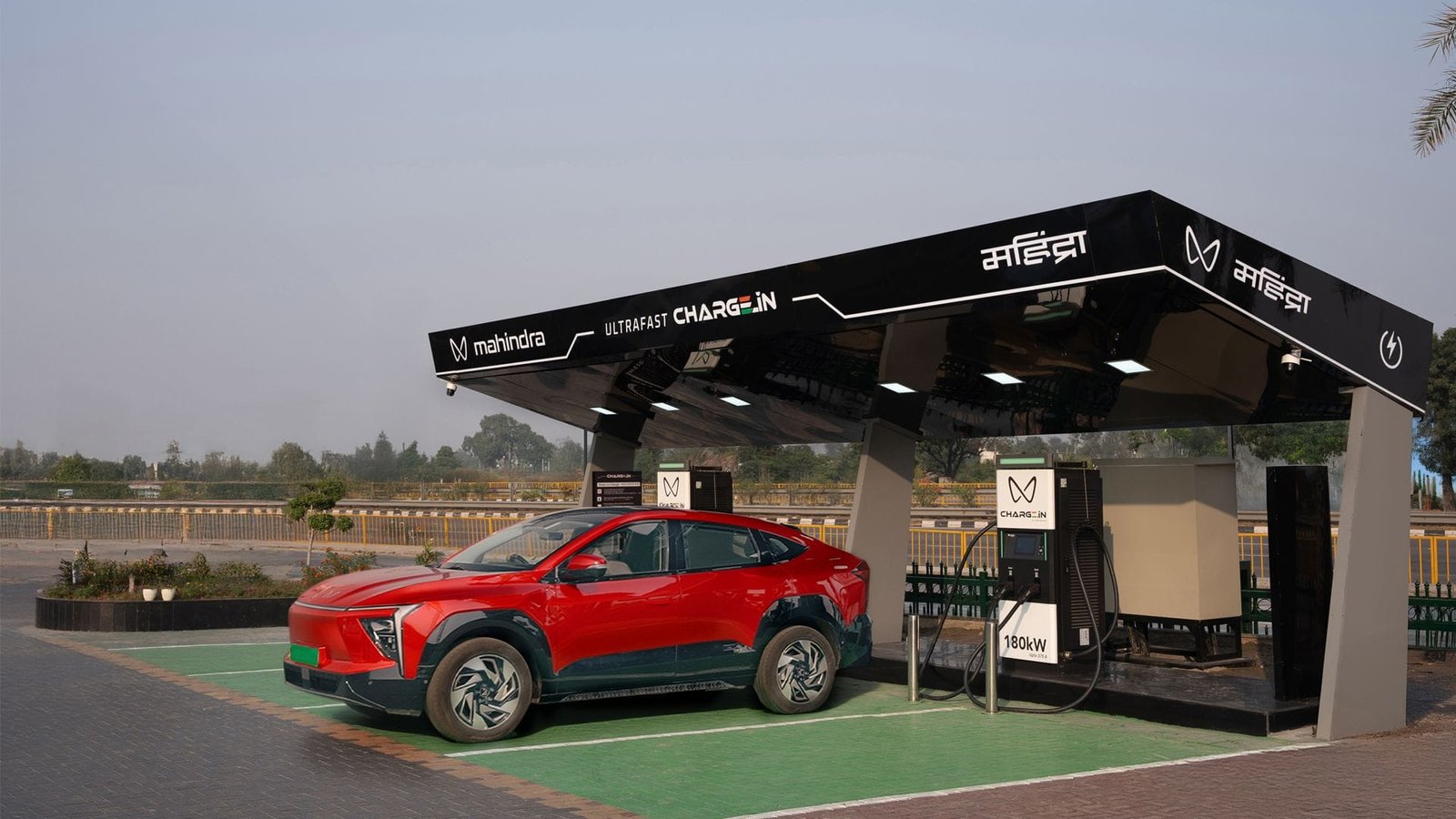
Recognizing this, Delhi has become India’s EV pioneer. While the ambitious goal of 25% EV share in new registrations by 2024 wasn’t fully met, the city achieved a remarkable 12% EV share in 2024-2025 – the highest in India, showing rapid public adoption.
Delhi’s EV Ecosystem at a Glance (Late 2025):
Metric
Status
Target
EV Share (New Sales)
~12%
25% (Original)
Public Charging Points
Over 5,000
13,700 by 2030
Share of India’s EV Charging
~40%
N/A
Delhi’s commitment is clear, fueled by strong subsidies and the most extensive public charging network in the country.
But Isn’t the Electricity Still “Dirty”? The Lifecycle Truth
It’s the question every skeptic asks: If coal powers the grid, are EVs really cleaner? The data provides a clear answer, even for India’s current energy mix:
The Lifecycle Advantage: Multiple studies confirm that, over their entire lifetime (including manufacturing), EVs in India produce 30-40% lower CO2 emissions and significantly fewer local air pollutants than comparable petrol or diesel cars, even when charged predominantly by the current grid.
The Solar Supercharge: This advantage becomes even more significant as the grid gets cleaner. Delhi aims for EV charging to be powered by 50% renewables during the day by 2026. Pairing your home EV charger with rooftop solar makes your commute truly emission-free.
Lifecycle Emissions Comparison (Illustrative):
Vehicle Type
Relative Lifetime Emissions
Petrol Car
High
EV (Current India Grid)
Medium (30-40% Lower)
EV (Charged with Solar)
Very Low
A Powerful Weapon, Not a Magic Wand
Let’s be realistic: EVs alone won’t magically solve Delhi’s entire pollution crisis overnight. Addressing stubble burning, industrial emissions, and construction dust requires urgent, parallel action.
But electrifying Delhi’s massive transport fleet offers a tangible, impactful, and immediate way to slash the toxic emissions generated within the city limits. It’s a direct investment in reclaiming breathable air and improving the health of every citizen. The silent revolution on our roads might just be the most vital lifeline our choking city has.
I’m a writer and analyst who explores the clean energy transition, with a focus on electric vehicles and solar power.
My journey began five years ago as a firm skeptic. Determined to debunk the hype around EVs, my in-depth research led to an unexpected conclusion: the future I was questioning was already here. This realization didn’t just change my mind; it put me in the driver’s seat of my own EV.
Today, I’m passionate about sharing the clarity I found. I provide the practical, data-driven insights people need to feel confident and excited about navigating their own path to a sustainable future.