Electric vehicles (EVs) are becoming increasingly popular, and Tesla is a leading automaker in this space. One of the most common questions people have about EVs is charging time. How long does it take to charge a Tesla?
The answer depends on a few factors, including:
Battery size: Larger battery packs take longer to charge than smaller ones.
Temperature: Extreme temperatures can slow down charging.
Type of charger: Tesla offers a variety of charging options, from home chargers to Superchargers. Superchargers are the fastest way to charge a Tesla, delivering up to 250 kilowatts (kW) of power. This can charge a Tesla Model 3 to 80% in just 15-20 minutes.
How Long Does it Take to Charge a Tesla with a Supercharger?
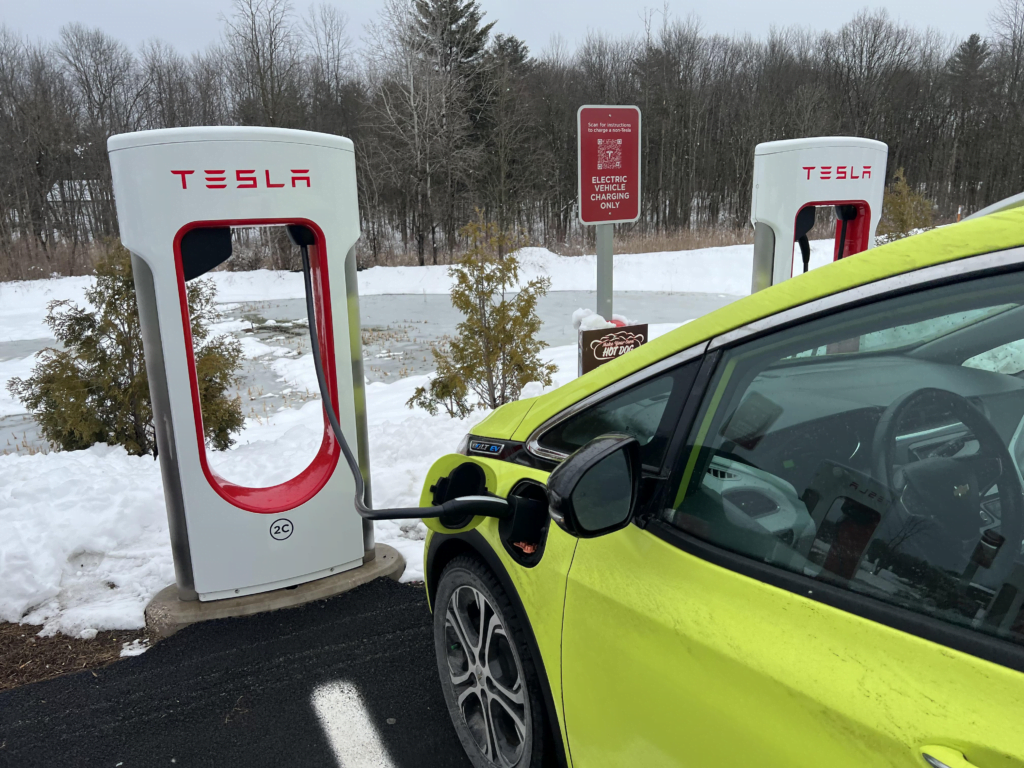
Tesla Superchargers are the fastest way to charge a Tesla. They can deliver up to 250 kW of power, which can charge a Tesla Model 3 to 80% in 15-20 minutes. This is significantly faster than other charging options.
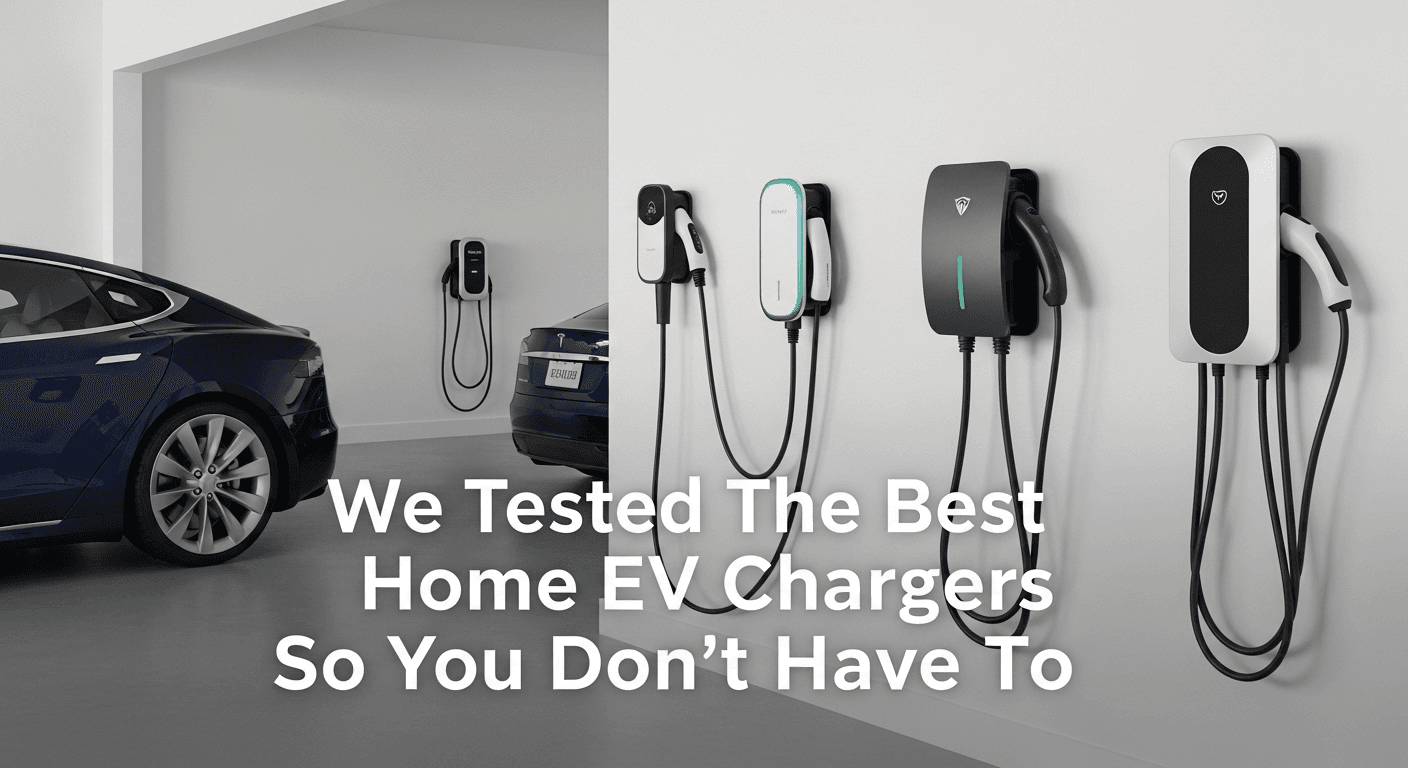
How Long Does it Take to Charge a Tesla with a Home Charger?
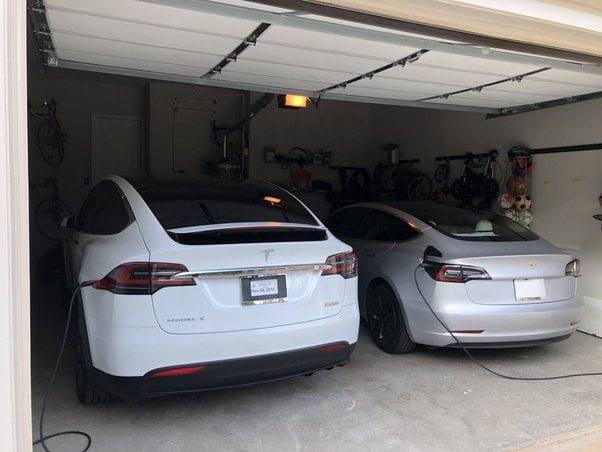
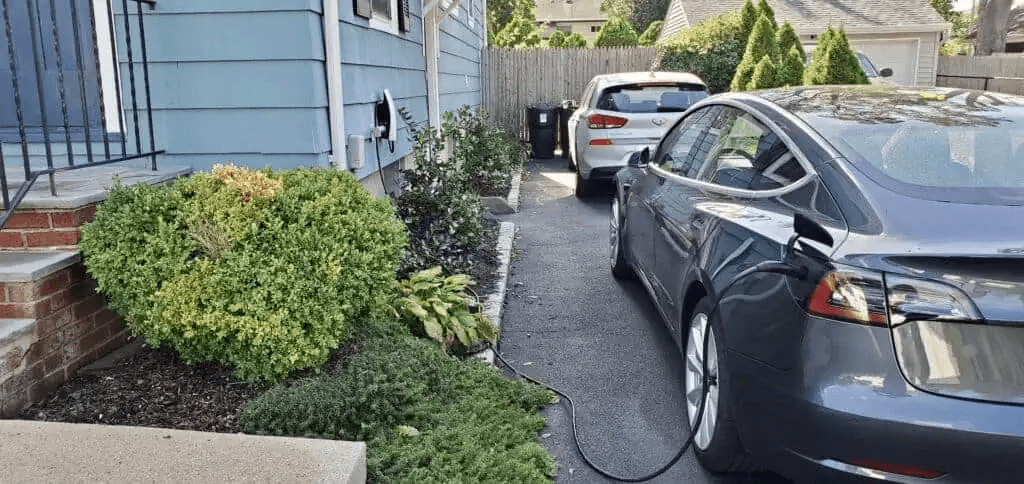
Tesla offers a variety of home charging options, including the Wall Connector and the Mobile Connector. The Wall Connector is a more powerful option that can charge a Tesla Model 3 in about 6-10 hours. The Mobile Connector is a less powerful option that can take up to 48 hours to charge a Tesla Model 3.
How Long Does it Take to Charge a Tesla with a Standard Outlet?
It is not recommended to charge a Tesla with a standard outlet (120v). This is the slowest charging option and can take up to 3-4 days to fully charge a Tesla Model 3. It is only recommended for emergencies.
Factors Affecting Charging Speed
As mentioned earlier, a few factors can affect how long it takes to charge a Tesla. These include:
Battery size: Larger battery packs take longer to charge than smaller ones.
Temperature: Extreme temperatures can slow down charging. Ideally, you want to charge your Tesla in a temperature-controlled environment.
Charger type: Tesla Superchargers are the fastest way to charge a Tesla. Home chargers and standard outlets are slower.
Tesla model: Different Tesla models have different battery sizes. For example, a Tesla Model S has a larger battery pack than a Tesla Model 3 and will take longer to charge.
In conclusion, the time it takes to charge a Tesla depends on a few factors. However, with Tesla’s Supercharger network, you can quickly charge your Tesla on the go. Home chargers are a convenient option for overnight charging, but they are not as fast as Superchargers. Standard outlets are the slowest charging option and should only be used in emergencies.
Suhas Shrikant is the founder of Vecharged and an engineering enthusiast specializing in high-power off-grid solar systems. He has designed and built over a dozen custom systems and uses his hands-on, field-tested experience to create Vecharged’s expert guides and reviews.
Vecharged is the consumer protection and education initiative of Cleanpower.eco, an organization dedicated to providing a clear, unbiased, and authoritative voice in the clean energy transition. The experts at Cleanpower.eco recognized a critical crisis of trust: the shift to electric vehicles and solar power is one of the most important and expensive decisions a family will make. Yet, the landscape is flooded with biased reviews, confusing marketing, and paid-for endorsements. Vecharged was created to be the shield against that confusion. We were founded on a simple, non-negotiable constitution: We are radically independent. We accept no advertising, sponsorships, or paid placements from any product manufacturer. We have no commercial interest in the products we review. Our only metric for success is your empowerment. Our loyalty is to you, the consumer. Full stop. We ground our brutally honest, hands-on analysis in a deep, foundational understanding of the engineering. We are not just reviewers; we are your advocates.
It’s midnight. The house is quiet, the day is done, and everything is turned off. But look closer. A tiny green light glows on your TV. A soft blue LED pulses from your game console. Your phone charger, laptop adapter, and coffee maker are all sitting there, silently waiting. They may seem off, but they
In the world of portable power, four titans dominate the landscape: EcoFlow, Jackery, Bluetti, and Anker. Each brand commands a loyal following, but choosing between them can be overwhelming. Are you looking for the fastest charging, the longest-lasting battery, the most power, or the best overall value? Forget sorting through dozens of spec sheets and
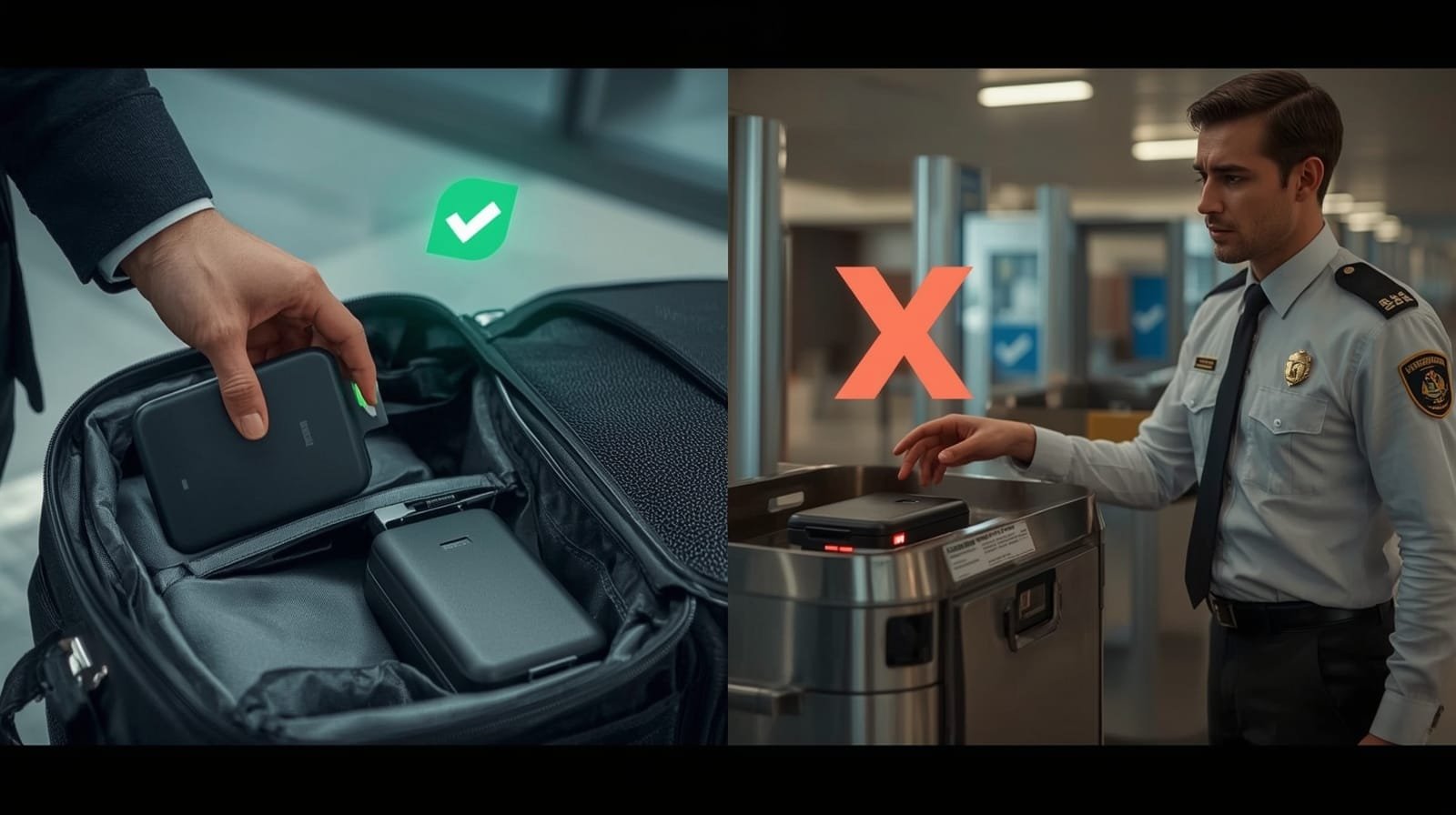
You’re standing in the airport security line. You’ve got your laptop, your phone, a big new power bank for your trip, maybe even some drone batteries. And a nagging, expensive thought hits you: “Am I allowed to fly with this?” You have a vague memory of some rule, a story from a friend who had a
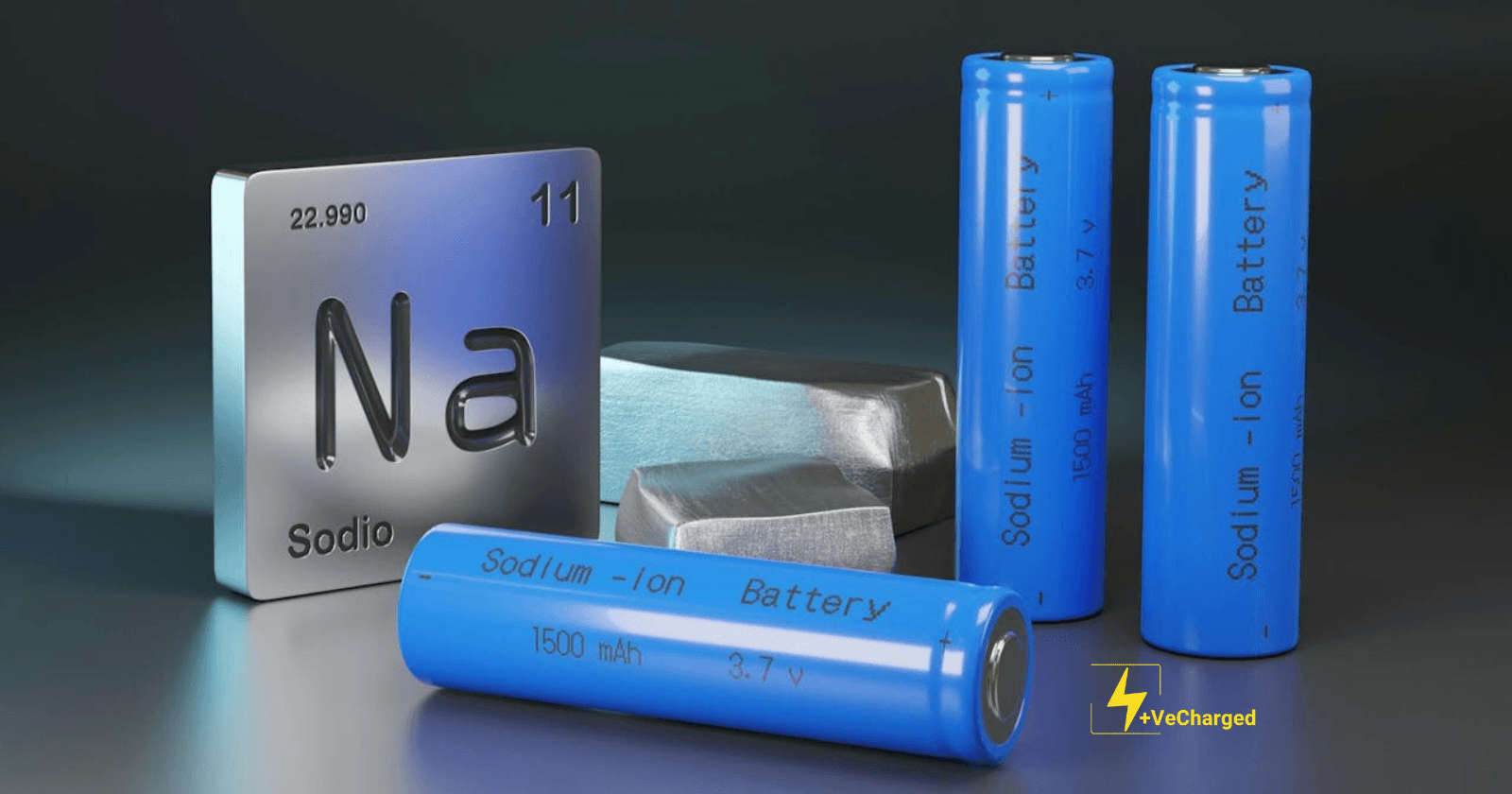
You’ve seen the headlines about the new ‘salt’ battery. Tech sites are buzzing, calling it a potential “lithium killer.” They’ll tell you about its chemistry, its performance in the cold, and the first few products to use it. This is not one of those articles. They are missing the real story. As an engineer, I