By Rahul — EV Enthusiast & Automotive Analyst at VeCharged
⚠️ Important Disclaimer (Must Read)
The Clean Vehicle Credit program (new EV $7,500 credit + used EV $4,000 credit) ended on September 30, 2025.
This applies to both new and previously-owned EV credits.
Purchases after this date do not qualify for federal EV tax credits of any kind.
Some manufacturers (Ford, GM) still offer temporary, lease-only incentives through December 2025, but these apply only to leases on in-stock dealer inventory, not purchases.
This single policy change fundamentally shifts the cost comparison between new and used EVs.
I’ve driven EVs for years — from first-gen Leafs to today’s Tesla, Hyundai, and Rivian models — and the math has changed dramatically in late 2025. With federal credits gone, the cost gap between new and used EVs has widened, and real-world depreciation data is finally mature enough to compare confidently.
If you’re buying an EV in late 2025, here’s the actual new vs. used cost breakdown you should rely on.
Upfront Cost Comparison (2025 Pricing Reality)
New EVs (U.S. 2025)
Average transaction price (ATP): $59,205 (Cox Automotive, Mar 2025)
Manufacturer cash rebates exist but vary by model and region
Lease-only incentives still exist for some Ford & GM cars (temporary)
Used EVs (2025)
Typical range for 2–4 year-old models: $25,000–$35,000
Prices vary based on battery SOH, mileage, and brand
No used EV tax credit after Sept 30, 2025
📌 Bottom Line: Without federal credits, the price gap between new and used EVs is significantly larger, making used EVs far more financially attractive for cost-focused buyers.
The #1 Factor for Used EV Value
Battery SOH (State of Health) determines both purchase value and resale value.
2025 Battery Health Benchmarks
Industry average degradation: ~1.8% per year
Tesla average: ~1% per year (best-in-class)
Healthy used EV threshold:≥80% SOH
Excellent:85–90%+ SOH
Walk away: <75% SOH
🔍 Your Rule: If a used EV seller won’t provide a battery health report (OEM diagnostic or RecurrentAuto), do not proceed.
🔋 Battery SOH Impact Estimator
See how battery health affects range + resale value.
Estimated Stats:
Depreciation: The Real, Verified Numbers (Not the Myths)
Most EVs depreciate faster than ICE cars — especially in the first 3 years.
I’ve been driving, testing, and living with electric vehicles for years — from early compact EVs to today’s high-performance models. My journey into e-mobility started out of curiosity but quickly turned into a mission to help others make smarter EV choices. At VeCharged, I break down real-world ownership insights, cost analysis, and charging know-how so you can buy, sell, or switch to an EV with total confidence.
Vecharged is the consumer protection and education initiative of Cleanpower.eco, an organization dedicated to providing a clear, unbiased, and authoritative voice in the clean energy transition. The experts at Cleanpower.eco recognized a critical crisis of trust: the shift to electric vehicles and solar power is one of the most important and expensive decisions a family will make. Yet, the landscape is flooded with biased reviews, confusing marketing, and paid-for endorsements. Vecharged was created to be the shield against that confusion. We were founded on a simple, non-negotiable constitution: We are radically independent. We accept no advertising, sponsorships, or paid placements from any product manufacturer. We have no commercial interest in the products we review. Our only metric for success is your empowerment. Our loyalty is to you, the consumer. Full stop. We ground our brutally honest, hands-on analysis in a deep, foundational understanding of the engineering. We are not just reviewers; we are your advocates.
The rumble of diesel engines is gradually fading as the quiet hum of electric motors takes over fields and farms. Electric tractors are revolutionizing agriculture, offering a sustainable, efficient, and surprisingly powerful alternative to traditional machinery. Let’s take a closer look at the top contenders in the electric tractor arena: Solectrac e25: This compact workhorse
They promise zero fuel costs and insane torque, but can they handle the brutal reality of a full day’s work? As a systems designer, I’m here to tell you: they’re not just a new tractor; they’re a new way of thinking about the farm itself. My name is Suhas. For years, I’ve designed systems to
Electric boating is the wave of the future! quieter, cleaner, and easier to maintain than traditional gasoline-powered boats. Whether you’re a seasoned sailor or a curious newcomer, this guide provides everything you need to know about electric boating in 2024. Unveiling the Electric Motor: Powering Your Boating Journey Electric boat motors are similar to their
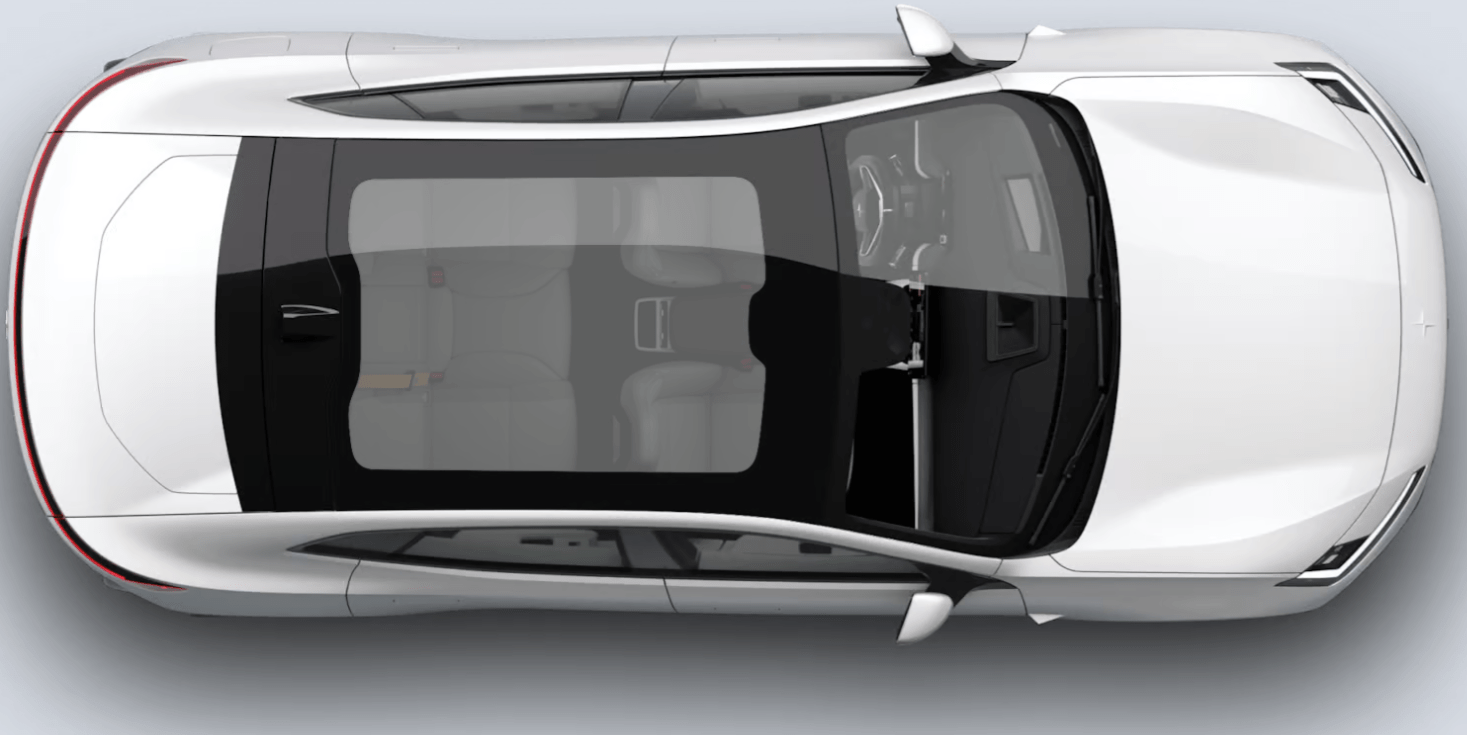
Have you guys seen the new Polestar 4? This electric SUV is setting the competition ablaze, and for good reason. Polestar, the Swedish automaker co-owned by Volvo and Geely, is coming in hot with a serious contender to the Tesla Model Y throne. Alright Gearheads, buckle up! We’re about to dissect this electric beast and