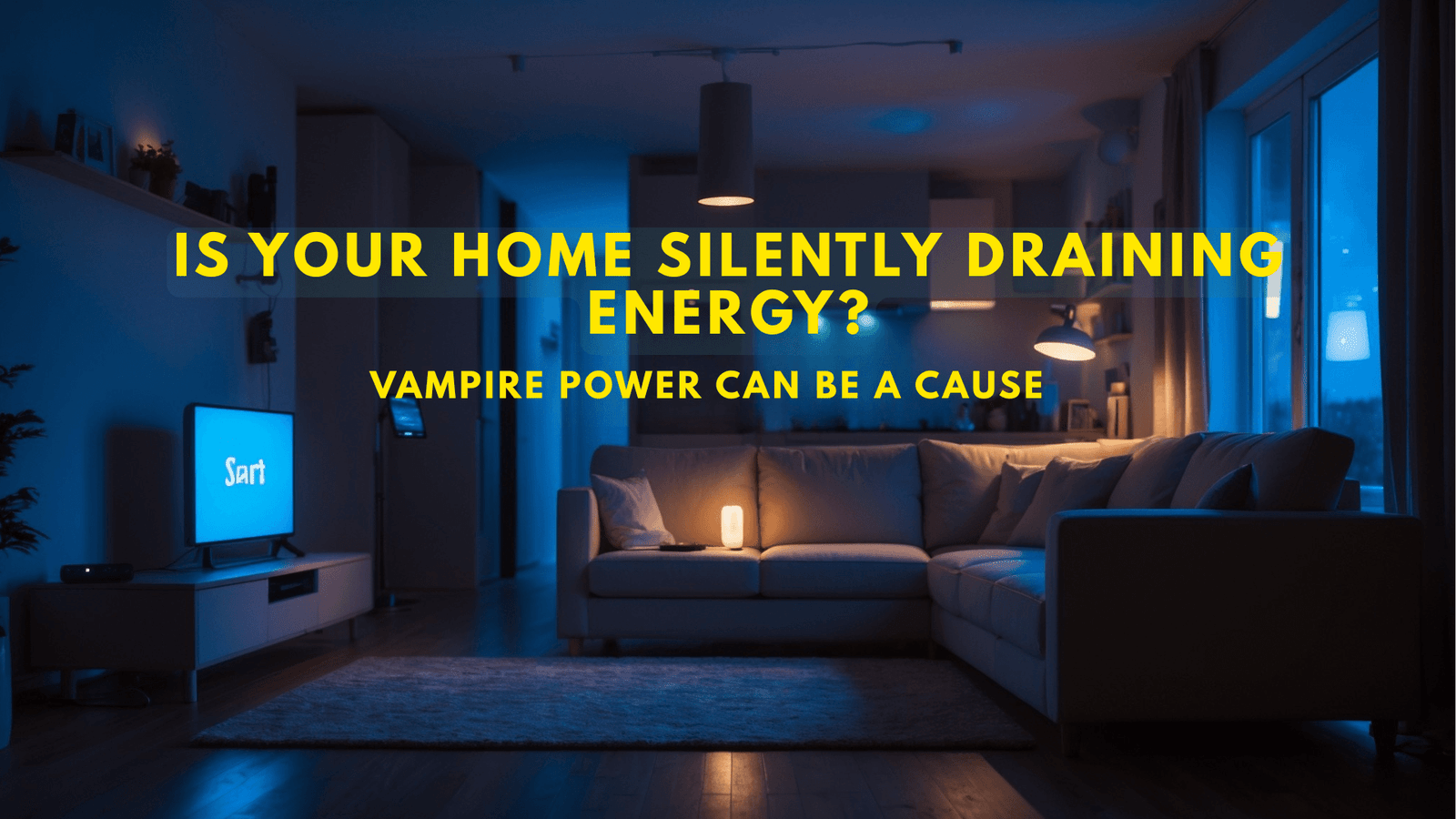
It’s midnight. The house is quiet, the day is done, and everything is turned off. But look closer. A tiny green light glows on your TV. A soft blue LED pulses from your game console. Your phone charger, laptop adapter, and coffee maker are all sitting there, silently waiting.
They may seem off, but they are all still drawing power from your outlets—a phenomenon known as “vampire power” or “phantom load.” While a single device might only sip a tiny amount of electricity, a house full of these silent drains can add up to a surprising amount on your yearly energy bill.
So, how much is this army of sleeping electronics actually costing you? We break down the numbers.
The Real Cost of “Vampire Power”
“Vampire power” refers to the energy consumed by an electronic device when it is turned off or in standby mode. This accounts for a staggering 5-10% of total residential energy use in the United States. For an average household, that can translate to over $100 a year spent on electricity you’re not even actively using.
Vampire Power Slayer
Can you find the hidden energy waste?
Click on the plugged-in devices to “unplug” them and see how much you can save in 15 seconds!
Time Left: 15s
Savings: $0/year
Time’s Up!
You found annual savings of:
Imagine what you could save by being mindful all year. Read our full guide to learn more powerful ways to cut your energy bill.
Here's a look at some of the most common culprits and what they might be costing you annually, just by being plugged in:
Appliance
Avg. Standby Power (Watts)
Estimated Yearly Cost (at $0.17/kWh)
Desktop Computer (in sleep mode)
2-5 W
$3 - $7.50
Laptop Charger (plugged in without laptop)
1-3 W
$1.50 - $4.50
Television (modern smart TV)
1-3 W
$1.50 - $4.50
Game Console (in standby/rest mode)
5-10 W
$7.50 - $15.00
Cable Box / DVR
15-25 W
$22 - $37
Coffee Maker (with clock)
1-2 W
$1.50 - $3.00
Microwave (with clock)
2-3 W
$3.00 - $4.50
Phone Charger (plugged into wall)
0.1-0.5 W
~$0.50
The Worst Offenders: It's Not What You Think
While it's easy to blame your phone charger, the real energy vampires are the devices designed for convenience and "instant-on" functionality.
Entertainment Systems: Your cable box, DVR, and modern game consoles are the biggest culprits. They are designed to constantly listen for remote signals, download updates, and record shows, consuming a significant amount of power even when you're not using them.
Older Electronics: That old VCR or stereo system in the guest room? Older devices are notoriously inefficient and can draw much more standby power than their modern counterparts.
Anything with a Remote or "Soft" Power Button: If you can turn it on with a remote, it's never truly off. It's always waiting, consuming power.
How to Slay the Energy Vampires and Save Money
You don't have to run around unplugging everything constantly. Here are a few simple, effective strategies:
Use Smart Power Strips: These are the ultimate vampire slayers. A smart power strip can automatically cut power to all connected devices (like your entire entertainment center) when you turn off the main one (the TV).
Unplug Seasonal or Infrequent Devices: The charger for your power tools or the old printer you use twice a year? Unplug them until you need them.
Choose Energy Star Appliances: When buying new electronics, look for the Energy Star logo. These products are certified to have low standby power consumption.
The Ultimate Solution: Taking Control of Your Power
Becoming aware of phantom load is the first step. The ultimate way to control your energy costs and decide exactly where every watt goes is to produce and manage your own power.
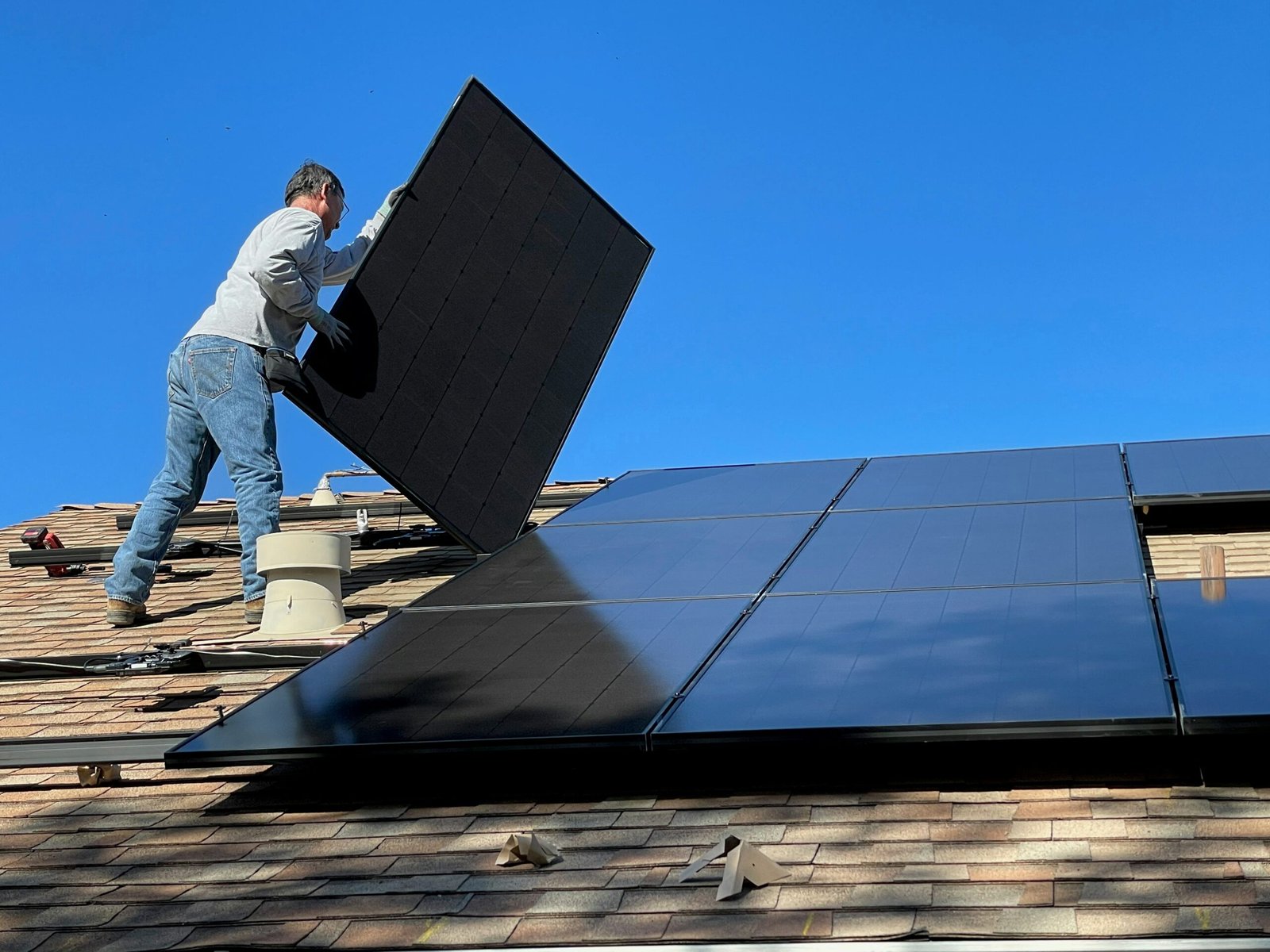
For Total Home Control: A home solar installation puts you in the driver's seat, letting you generate clean, free energy from the sun.
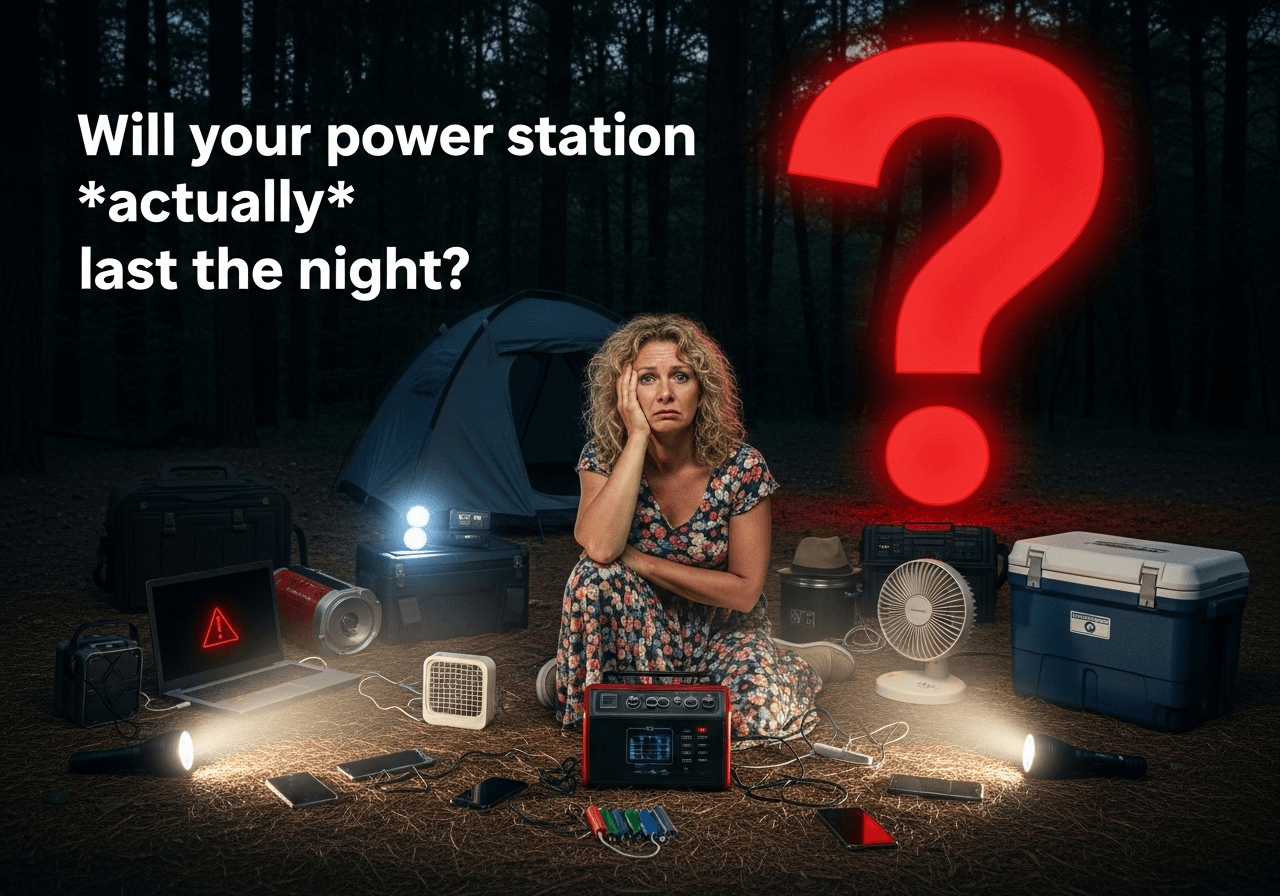
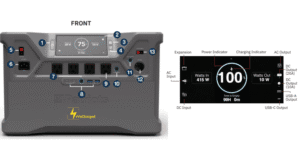
For Targeted Power: A portable power station is a fantastic tool to understand energy. You can see exactly how much power your devices are using and run your essentials silently and efficiently, without being tethered to a wall outlet.
By being mindful of what's plugged in, you can take a significant bite out of your annual electricity bill.
Suhas Shrikant is the founder of Vecharged and an engineering enthusiast specializing in high-power off-grid solar systems. He has designed and built over a dozen custom systems and uses his hands-on, field-tested experience to create Vecharged’s expert guides and reviews.
Vecharged is the consumer protection and education initiative of Cleanpower.eco, an organization dedicated to providing a clear, unbiased, and authoritative voice in the clean energy transition. The experts at Cleanpower.eco recognized a critical crisis of trust: the shift to electric vehicles and solar power is one of the most important and expensive decisions a family will make. Yet, the landscape is flooded with biased reviews, confusing marketing, and paid-for endorsements. Vecharged was created to be the shield against that confusion. We were founded on a simple, non-negotiable constitution: We are radically independent. We accept no advertising, sponsorships, or paid placements from any product manufacturer. We have no commercial interest in the products we review. Our only metric for success is your empowerment. Our loyalty is to you, the consumer. Full stop. We ground our brutally honest, hands-on analysis in a deep, foundational understanding of the engineering. We are not just reviewers; we are your advocates.
Selling an electric car is very different from selling a petrol or diesel vehicle. Buyers today care less about the odometer and more about battery health, charging history, warranty coverage, and software features. The good news is that a well-maintained EV can still command strong resale value if you prepare it properly. This guide gives
By Rahul — EV owner, reviewer, and long-time clean energy enthusiast Financing or leasing an electric car in early 2026 is not the same as it was just one year ago. The biggest shift was the end of all federal EV tax credits on September 30, 2025, including: Manufacturers can no longer claim any of
By Rahul — EV Enthusiast & Automotive Analyst at VeCharged ⚠️ Important Disclaimer (Must Read) The Clean Vehicle Credit program (new EV $7,500 credit + used EV $4,000 credit) ended on September 30, 2025. This single policy change fundamentally shifts the cost comparison between new and used EVs. If you’re planning to buy or sell
For the last decade, the electric vehicle revolution was defined by range, speed, and charging networks. As we close out 2025, the conversation is fundamentally shifting. For a growing number of buyers, the most important feature of their next car won’t be how it drives—but how it powers their life when it’s parked. Vehicle-to-Home (V2H)