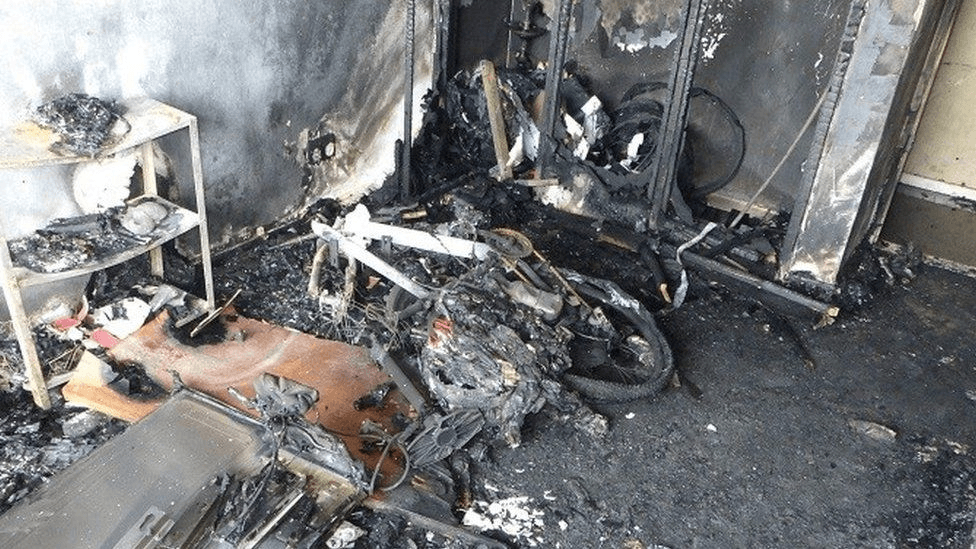
Videos showing e-bike batteries igniting into flames have shocked owners worldwide. While these incidents are rare, the consequences can be devastating. Almost every fire incident shares one common factor: the battery system involved lacked proper safety certification. As electric mobility grows globally, understanding battery safety becomes critical—not just to protect your investment but your life.
What Is UL 2849 Certification and Why It Matters
UL 2849 is a globally recognized safety standard developed by Underwriters Laboratories (UL), ensuring that the entire e-bike electrical system—battery, charger, motor, and controller—undergoes rigorous testing. This includes:
Protection against overcharging and overdischarging
Resistance to short circuits and electrical faults
Robustness against physical damages like punctures or impacts
Water and dust ingress protection
Thermal and fire safety testing
This certification is the gold standard used by top manufacturers worldwide to guarantee their e-bike systems are safe and reliable. In the US and many global markets, UL 2849 compliance is mandatory for legal sales—but in other markets, it’s often optional, which creates risks for consumers.
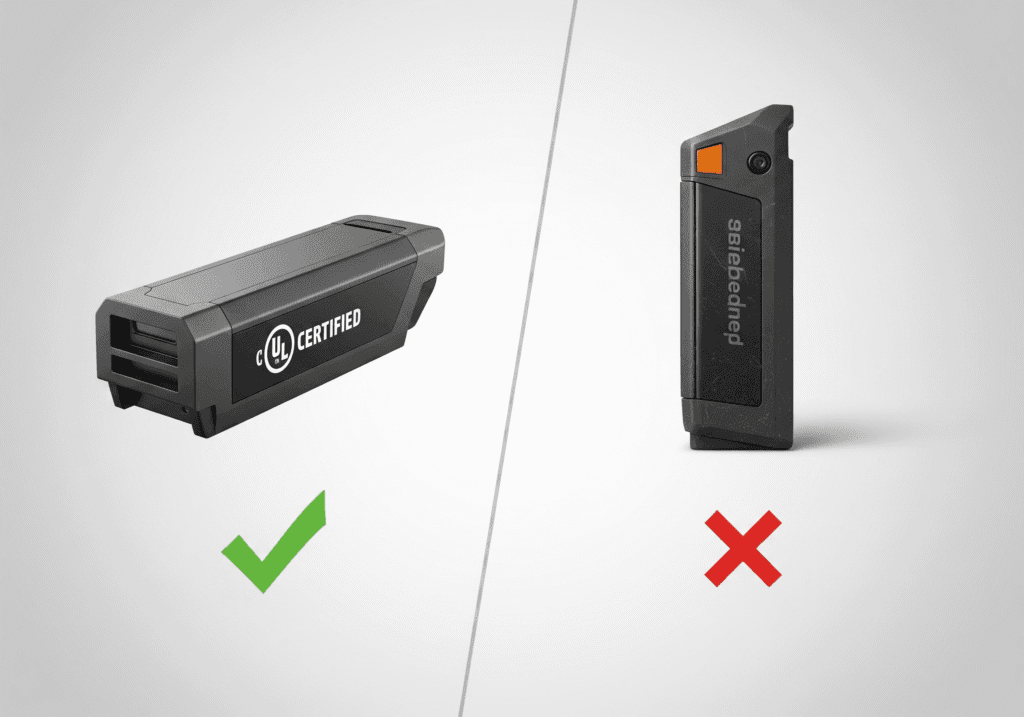
How to Find the UL Certification on Your E-Bike
When shopping for or inspecting an e-bike, keep an eye out for the UL mark, usually found:
On the battery pack casing
On the charger unit
Near the motor controller or on the frame
The label typically features the UL logo alongside the number “UL 2849” or a similar certification code.
If you can’t find this mark visually, ask the dealer for certification documentation or check manufacturer resources online.
The Risks of Buying an Uncertified E-Bike Battery System
Uncertified batteries often lack adequate Battery Management Systems (BMS), safety cutoffs, or quality cell construction. Common risks include:
Overheating and thermal runaway leading to fires
Unexpected battery failure or explosions under stress
Damage caused by incompatible or substandard chargers
Increased risk of injury or property damage
The cost savings from uncertified cheaper batteries pale in comparison to the potential consequences.
What You Should Do If Your Battery Lacks Certification
Avoid using third-party or generic chargers that are not specified by your manufacturer.
Charge your e-bike in a well-ventilated space away from living areas.
Never leave the e-bike charging unattended for long periods.
Consider upgrading to a certified battery system if available from your manufacturer.
The Vecharged Expert Verdict
In today’s crowded and varied e-bike market, UL 2849 certification is the baseline for safety—not a luxury or regional requirement. If your bike’s battery system isn’t UL certified, you’re exposing yourself to unnecessary, potentially dangerous risks.
Our expert advice is simple and clear: do not buy it without UL certification.
Safety certifications mean lives saved, property protected, and peace of mind every time you hit the road.
Share the Knowledge—Protect Your Loved Ones
Share this guide with family, friends, and communities considering or owning electric bikes.
Always insist on UL 2849 certification when purchasing or replacing batteries.
Keep yourself informed to fight unsafe products flooding the market.
Suhas Shrikant is the founder of Vecharged and an engineering enthusiast specializing in high-power off-grid solar systems. He has designed and built over a dozen custom systems and uses his hands-on, field-tested experience to create Vecharged’s expert guides and reviews.
Vecharged is the consumer protection and education initiative of Cleanpower.eco, an organization dedicated to providing a clear, unbiased, and authoritative voice in the clean energy transition. The experts at Cleanpower.eco recognized a critical crisis of trust: the shift to electric vehicles and solar power is one of the most important and expensive decisions a family will make. Yet, the landscape is flooded with biased reviews, confusing marketing, and paid-for endorsements. Vecharged was created to be the shield against that confusion. We were founded on a simple, non-negotiable constitution: We are radically independent. We accept no advertising, sponsorships, or paid placements from any product manufacturer. We have no commercial interest in the products we review. Our only metric for success is your empowerment. Our loyalty is to you, the consumer. Full stop. We ground our brutally honest, hands-on analysis in a deep, foundational understanding of the engineering. We are not just reviewers; we are your advocates.
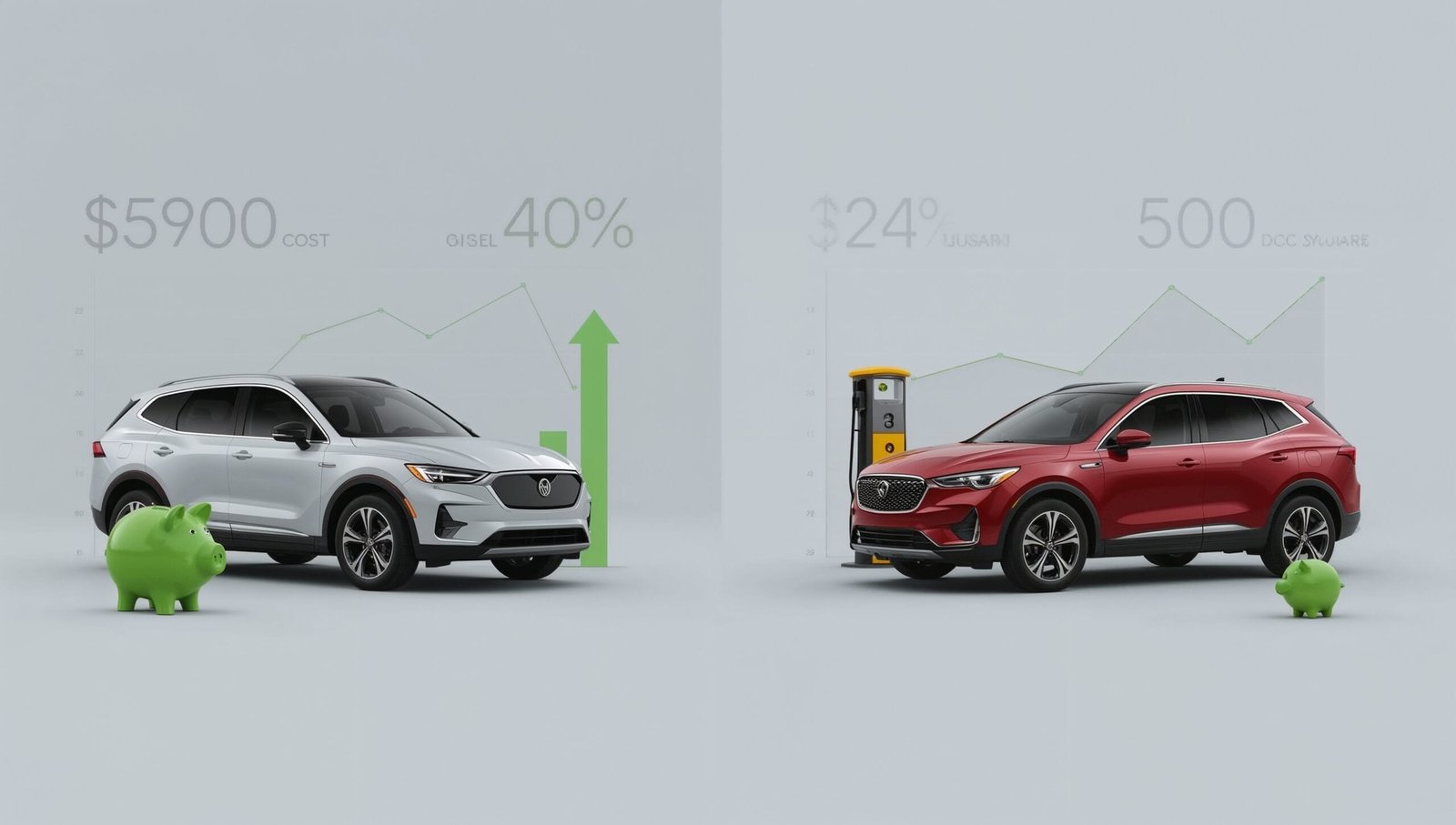
The Bottom Line: After a 5-year analysis of all costs—including depreciation, incentives, fuel, insurance, and maintenance—the average American driver will save approximately $6,000 to $10,000 by choosing a mid-range EV over a comparable gasoline-powered SUV. While the initial purchase price is higher, the significantly lower fuel and maintenance costs create substantial long-term savings. Why This
The Bottom Line: The EcoFlow Delta Pro Ultra is a modular, high-output power station that directly challenges traditional home backup systems. With a massive 7.2kW continuous output and stackable 6kWh batteries, it’s a powerful solution for tech-savvy homeowners who need immense, portable power and want to avoid the complexity of a permanent installation. However, its
The Bottom Line: For most homeowners in 2026, the optimal setup is a 240-volt, 48-amp hardwired smart charger on a dedicated 60-amp circuit. This provides future-proof charging speeds for the next generation of EVs. Expect to pay between $700 and $2,500+ for a professionally installed system, with the final cost heavily dependent on the current
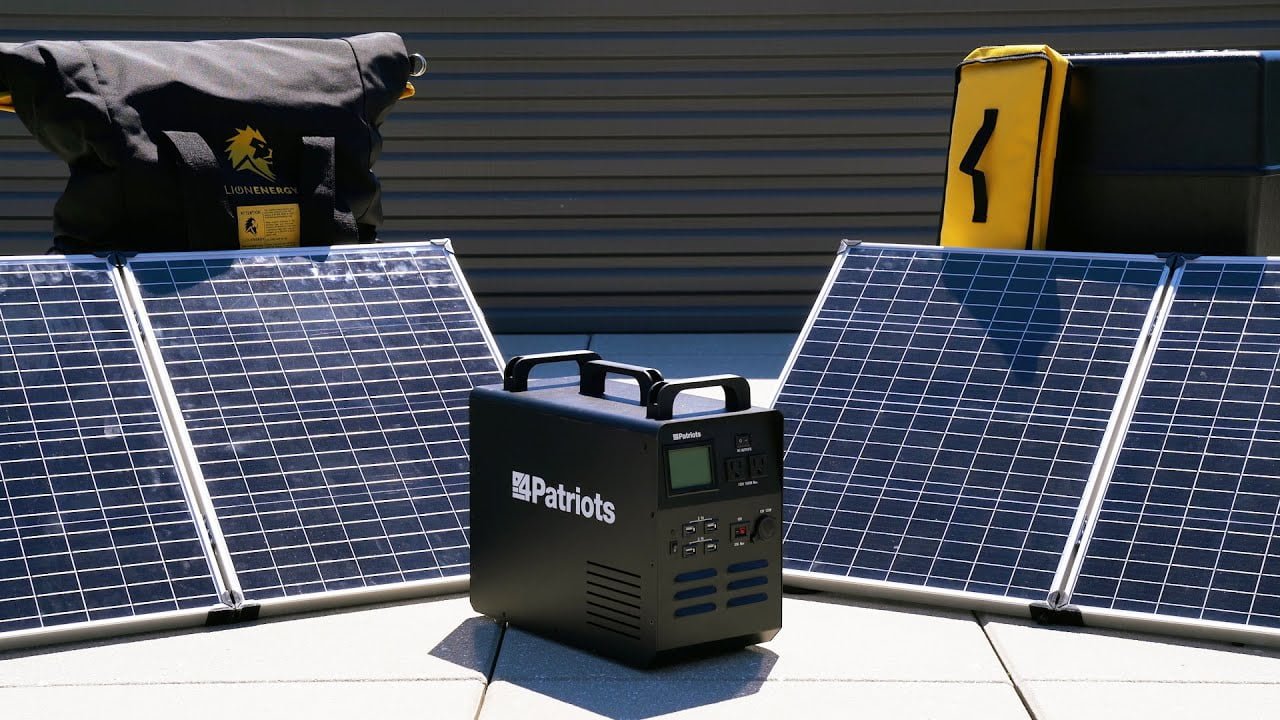
The Bottom Line: For homeowners seeking a simple, reliable backup power solution for essential devices during a short-term outage, the 4Patriots Patriot Power Generator delivers on its core promise. It is an easy-to-use, fume-free alternative to a small gas generator. However, users with higher power needs or those looking for the best value in terms








[…] DANGER: The Risks of Uncertified Batteries Using a battery without a proper safety certification like UL is extremely hazardous. These […]