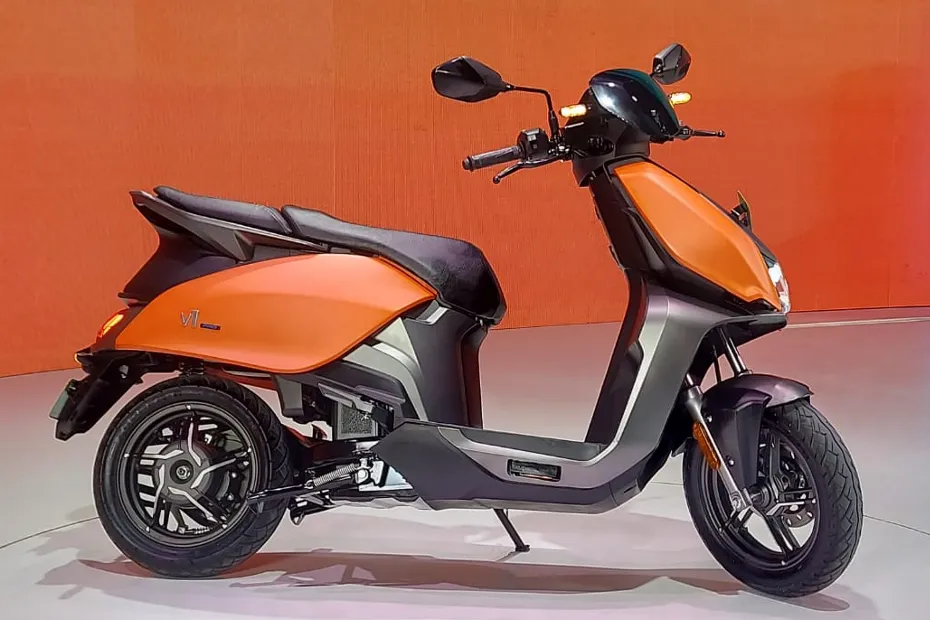
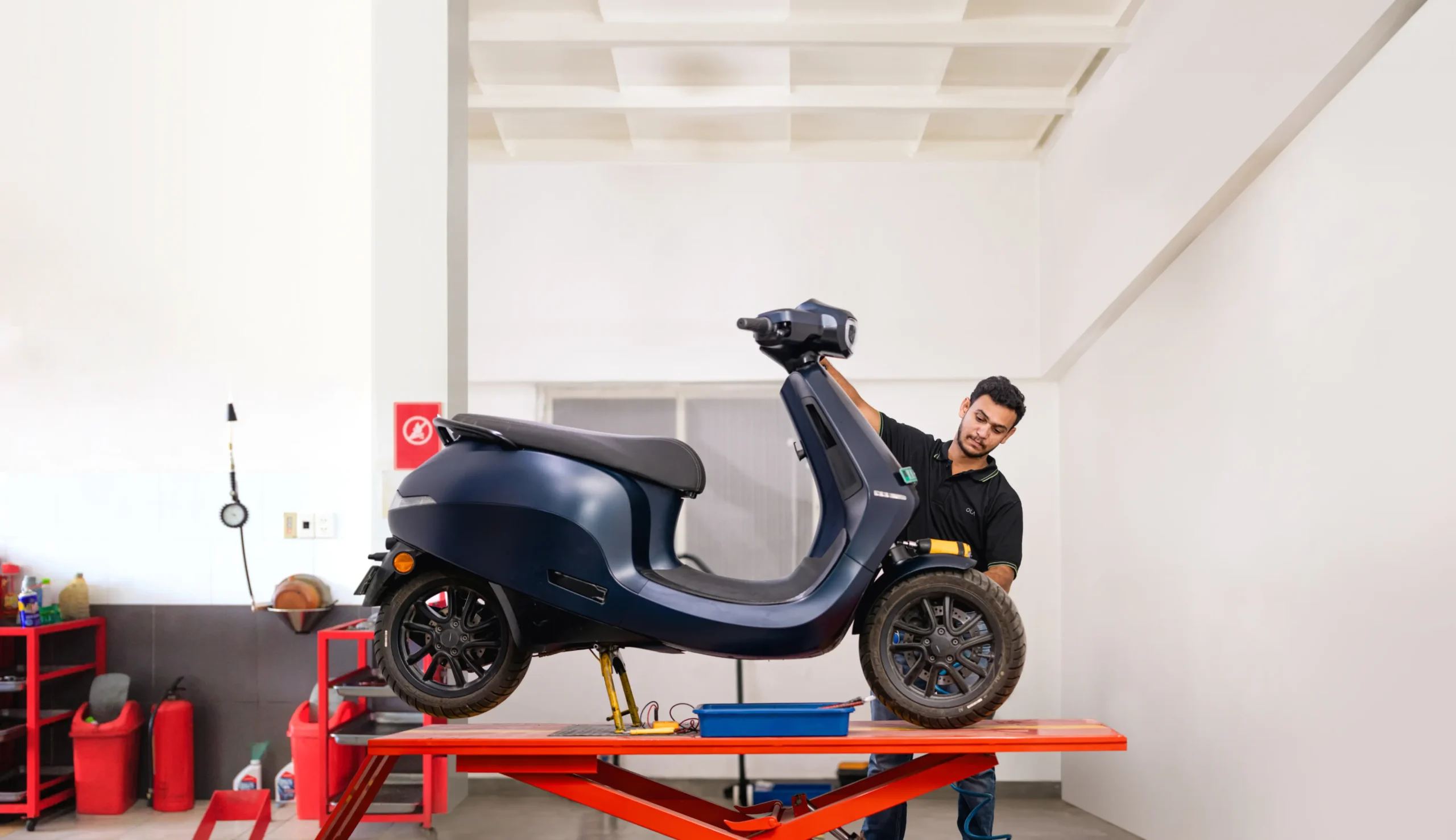
The initial cost of an E-Commuter or EV scooter is more than a traditional bicycle, but I believe its running cost isn’t measured in pennies—it’s measured in years of savings. Before I recommend any investment, I always perform a deep financial audit that accounts for the complete reality: the actual $0.82 per mile cost of a car and the often-ignored $700+ battery replacement risk.
My goal here is to provide you with the verifiable metrics to prove why the high-performance electric two-wheeler is the smartest, most cost-effective transportation investment you can make for your commute.
1. Calculating Your True Cost-Per-Mile (CPM)
Most analyses you read fail because they wildly underestimate the actual cost of car ownership. My audit uses current data to calculate the Total Cost of Ownership (TCO), amortized over five years.
My Audited Cost-Per-Mile Breakdown
The single biggest cost difference I found between a car and a high-performance EV commuter is not fuel, but total overhead.
Cost Component
Car (Average Sedan, Per Mile)
EV Commuter (High-End Scooter/Bike, Per Mile)
Strategic Takeaway
Total Ownership Cost
∼$0.50 (Depreciation, Fees, Insurance)
∼$0.06 (Depreciation, Minimal Fees)
This is the bulk of the cost. EV Commuters nearly eliminate it.
Fuel / Electricity
∼$0.13 (Gas)
∼$0.002 (Electricity)
The energy cost is negligible.
Maintenance & Tires
∼$0.19 (Oil, Tires, Repairs)
∼$0.04 (Brake pads, chain lube)
We save here. Electric two-wheelers require significantly less mechanical work.
Total True Cost-Per-Mile (CPM)
∼$0.82 (Actual AAA Average)
∼$0.10
An EV Commuter is 8x cheaper to operate per mile.
E-Bike Payback & ROI Calculator
How fast will your E-Commuter pay for itself?
1. Your E-Commuter Investment
Includes tune-ups and consumables (tires, chain, brake pads).
2. Your Commuting Habits (Cost Baseline)
US Average is ~17.47¢/kWh. Your local rate is key.
3. Your Payback Results
E-Commuter Energy Cost per Mile
$0.00
Annual Savings vs. Car
$0
Break-Even Point (Payback Period)
0.0 Years
**DISCLAIMER:** Savings are calculated by replacing the car’s **$0.82 CPM** operating costs with the e-bike’s actual operating costs. This assumes **partial car replacement** and does not account for depreciation of the car.
2. Mitigating the $700 Battery Replacement Risk
I know the battery is the financial bottleneck. It’s the most valuable and expensive component on your high-performance commuter, often costing between $700 and 1,500 to replace. It’s designed to last 3 to 5 years or approximately 500 to 1,000 charge cycles before experiencing significant range degradation.
Ignoring this replacement cost destroys your ROI.
Battery Lifespan: The True Financial Cycle
The key to maximizing your ROI is pushing the replacement date as far out as possible.
The Cost
My Risk Mitigation Strategy (The Hack)
Initial Purchase
Your EV Commuter pays for itself in 18–24 months through saved fuel, parking, and maintenance costs alone.
Battery Replacement ($700–$1,500)
Use Zero-Depreciation Insurance. This specialized add-on ensures the insurer pays the full replacement cost. Note: Specialized e-bike insurance with zero-depreciation coverage remains uncommon in most US markets.
Degradation
Avoid Temperature Extremes. Battery lifespan is optimized in the 10∘C−25∘C (50∘F−77∘F) range. I never charge my battery when it is freezing cold or leave it in direct sunlight (Source: Technical Guidance).
3. The Smart Investment: Qualified ROI and Savings
We must be realistic: most users cannot replace their car entirely. The true financial value of the electric commuter lies in the partial replacement of high-cost commuting miles.
Our Final Return on Investment (ROI)
The following math assumes you use the electric commuter for your commute (5,000 miles annually) but keep your car for long-distance travel and hauling.
Scenario
Financial Projection
Cautionary Caveat
Fuel & Maintenance Savings (5 Years)
$1,700 – $2,500 Saved
This does not include saved insurance, registration, or parking fees, as those costs remain tied to the car.
Depreciation Mitigation
$0.00
You do not mitigate the car’s depreciation unless you sell it. Your savings are limited to operating costs.
Total Annual Savings (Operating)
∼$800 to $$$1,200
This is the realistic annual amount you save by choosing the $0.10 CPM electric commuter over the $0.82 CPM car for your daily miles.
The electric commuter is not a car replacement; it is a rapid financial asset. Its ability to save $800 to $1,200 annually on operating costs alone means your purchase price is paid back entirely by savings within three years—a powerful and immediate return on investment.
I’ve been driving, testing, and living with electric vehicles for years — from early compact EVs to today’s high-performance models. My journey into e-mobility started out of curiosity but quickly turned into a mission to help others make smarter EV choices. At VeCharged, I break down real-world ownership insights, cost analysis, and charging know-how so you can buy, sell, or switch to an EV with total confidence.
Vecharged is the consumer protection and education initiative of Cleanpower.eco, an organization dedicated to providing a clear, unbiased, and authoritative voice in the clean energy transition. The experts at Cleanpower.eco recognized a critical crisis of trust: the shift to electric vehicles and solar power is one of the most important and expensive decisions a family will make. Yet, the landscape is flooded with biased reviews, confusing marketing, and paid-for endorsements. Vecharged was created to be the shield against that confusion. We were founded on a simple, non-negotiable constitution: We are radically independent. We accept no advertising, sponsorships, or paid placements from any product manufacturer. We have no commercial interest in the products we review. Our only metric for success is your empowerment. Our loyalty is to you, the consumer. Full stop. We ground our brutally honest, hands-on analysis in a deep, foundational understanding of the engineering. We are not just reviewers; we are your advocates.
Portable Power Stations: Ignore the Specs & Learn These 2 Numbers I’ve been there. You’re standing in a store or scrolling online, looking at a wall of orange, black, and grey boxes all promising “power anywhere.” They’re called power stations, solar generators, and they all look vaguely the same. The specs are a nightmare: Wh,
Home Solar for My EV: My Surprising 4-Year Payback Period That first sip of morning coffee hits different when you know your car is in the driveway, filling up with sunshine. No gas stations, no volatile fuel prices, and an electricity bill so low it looks like a typo. This was the dream that sent
How to Keep Your EV Battery Healthy (And Maximize Its Value) Let’s talk about the elephant in the room: the battery. When I got my first electric car, I was thrilled. The silent acceleration, the smooth ride, the freedom from petrol bunks… it was amazing. But a tiny, nagging thought was always in the back
Introduction: Ending the Confusion Around Home EV Chargers Choosing the right home EV charger can feel overwhelming. Different voltage standards, charging speeds, safety considerations, installation costs, and government incentives vary widely across regions—especially the US, UK, and Australia. At Vecharged, we understand your frustration with generic lists that don’t reflect your specific situation. This definitive