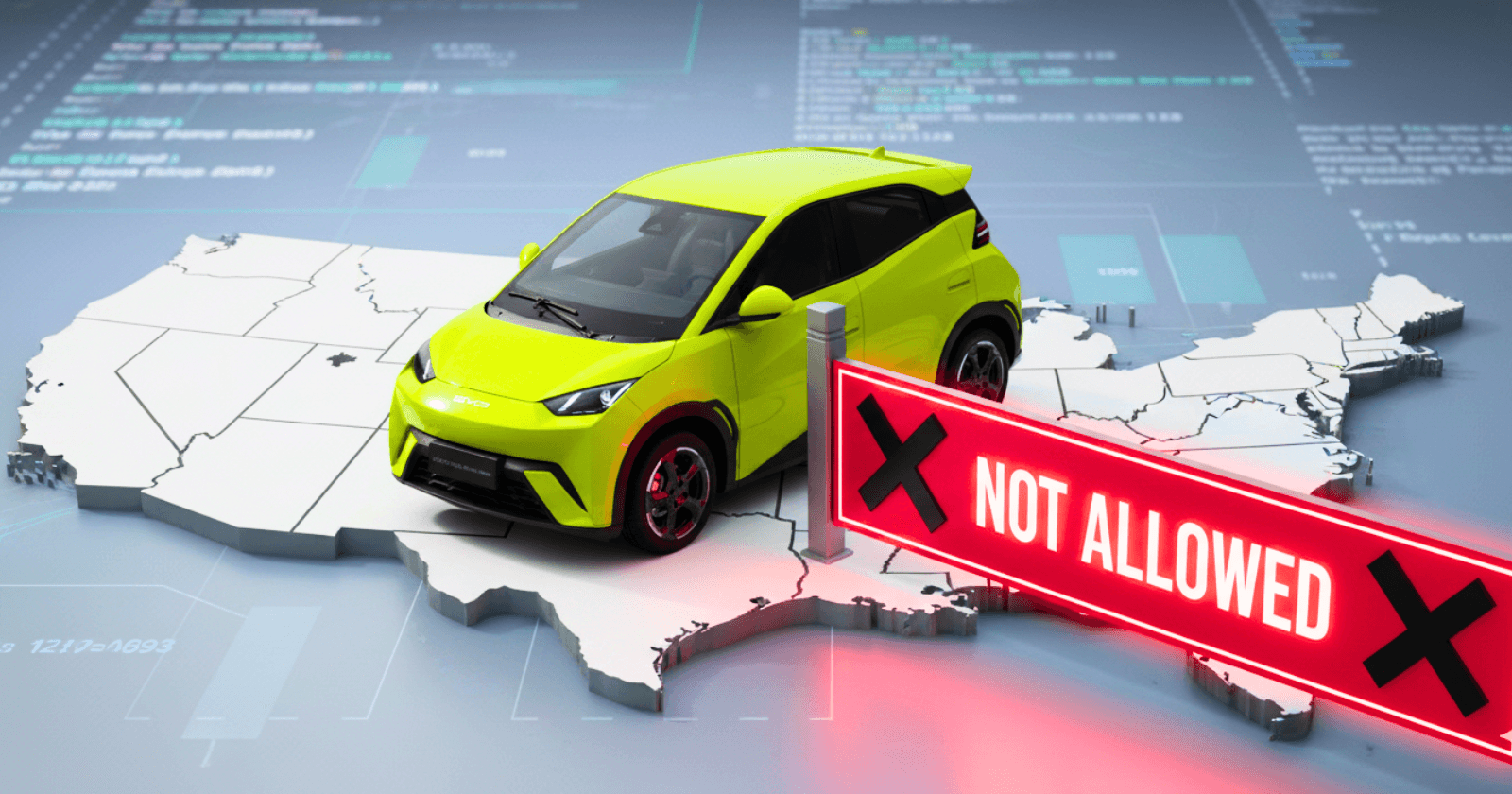
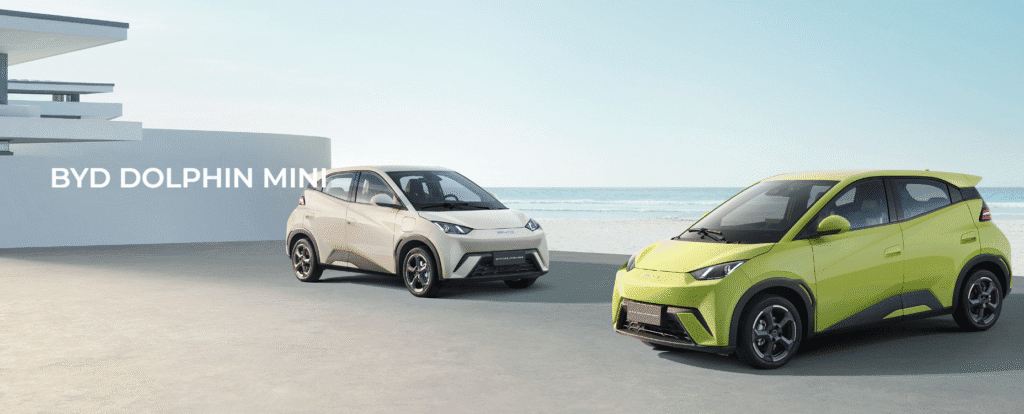
We Drove the $10,000 BYD Dolphin Mini. Here’s Why the U.S. Can’t Have It.
For months, the automotive world has been buzzing about a car that seems too good to be true: a stylish, feature-packed electric vehicle with a staggering sub-$10,000 price tag. It’s the BYD Dolphin Mini (also known as the Seagull), and it’s already the best-selling EV in countries across the globe.
But is it any good? Or is it just a cheap appliance on wheels?
We got our hands on one to find out. After a week of testing the Dolphin Mini on crowded city streets and open highways, we can confirm: it is not only a phenomenon, it’s a wake-up call for the entire auto industry. And for Americans, it’s a painful look at what they’re missing out on.
A Global Phenomenon: Why Everyone Else Wants One
The BYD Dolphin Mini is not just popular; it’s a sensation. In Brazil, it became the best-selling electric car from January to August 2025, outperforming even popular combustion models. It’s celebrated for its practicality, efficiency, and incredible value.
Unbeatable Price: In China, the Dolphin Mini Honor Edition starts at just 69,800 yuan (approximately $9,700 USD). Even when sold in Mexico, it’s priced around $17,750 USD, still making it a highly accessible EV option.
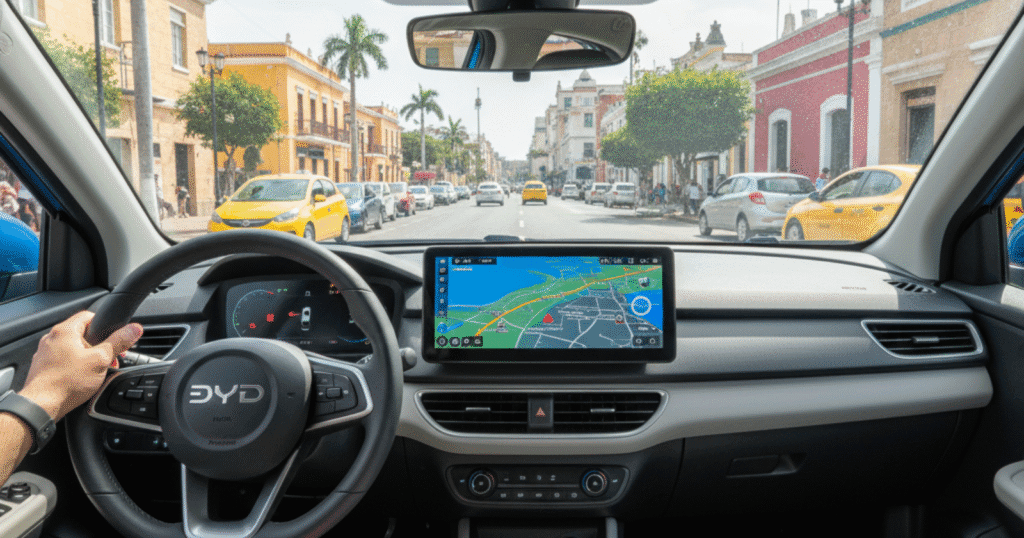
Surprising Tech: Despite its low price, the Dolphin Mini doesn’t skimp on features. It boasts a rotating 10.1-inch touchscreen infotainment system, a 5-inch digital instrument cluster, wireless phone charging, and even six airbags.
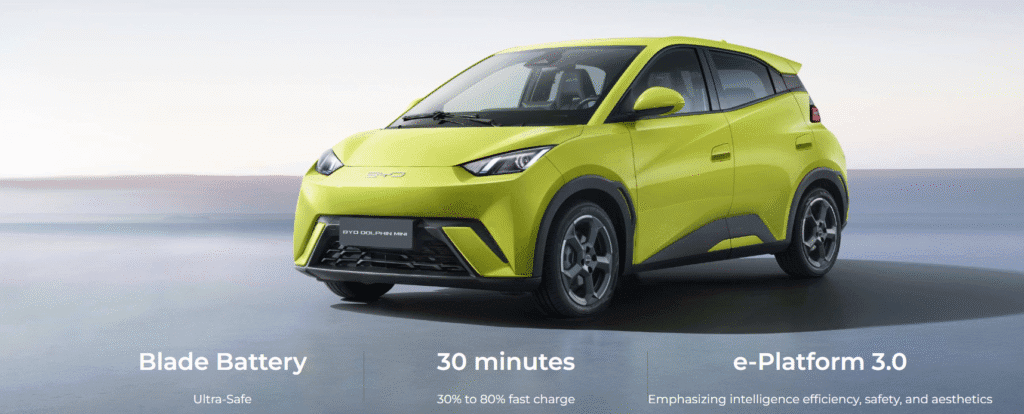
City-Ready Range: It offers two battery options: 30.08 kWh and 38.88 kWh. The larger battery provides an impressive 405 km (252 miles) of range (CLTC), more than sufficient for urban commuting and weekend trips. It even offers DC fast charging, getting from 30% to 80% in about 30 minutes.
The Forbidden Fruit: Why It’s Not Coming to the US
The demand for an affordable EV in the US is undeniable. So why can’t Americans get their hands on this global bestseller? The answer lies in a complex web of tariffs, regulations, and geopolitical tensions.
The 100% Tariff Wall: The Biden administration has imposed a 100% tariff on electric vehicles imported from China. This effectively doubles the price of the Dolphin Mini, making it non-competitive. Even if the car costs $9,700 in China, it would land in the US for over $26,000 before dealer markups and modifications.
Stringent Safety Regulations: US safety and environmental standards are among the strictest in the world. Chinese-made EVs would require significant modifications and costly crash testing to comply, adding thousands more to the price tag.
“Foreign Entity of Concern” Rules: New US rules aim to reduce reliance on Chinese supply chains for critical EV components, further complicating the sale of any Chinese-made EV in the US.
Political & Economic Protectionism: US automakers and politicians are actively campaigning to keep cheap Chinese EVs out of the market to protect domestic jobs and the emerging US EV industry.
First Impression: Defying the Price Tag
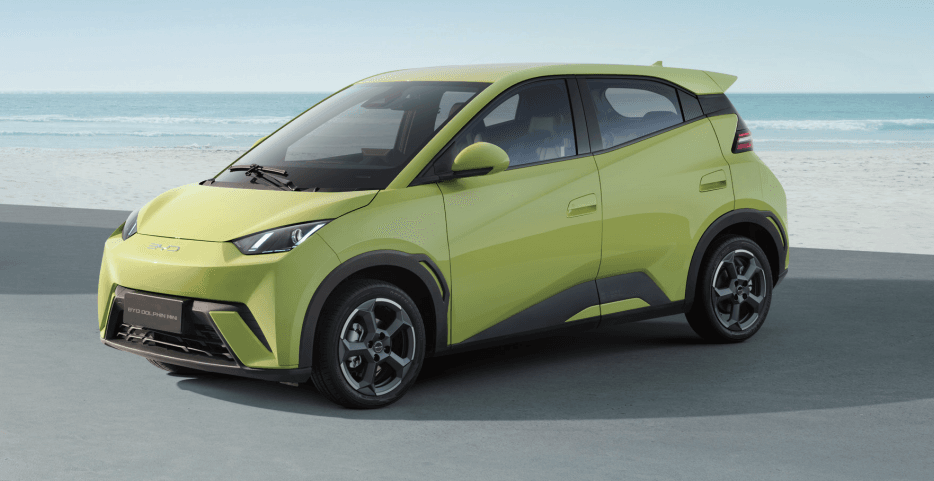
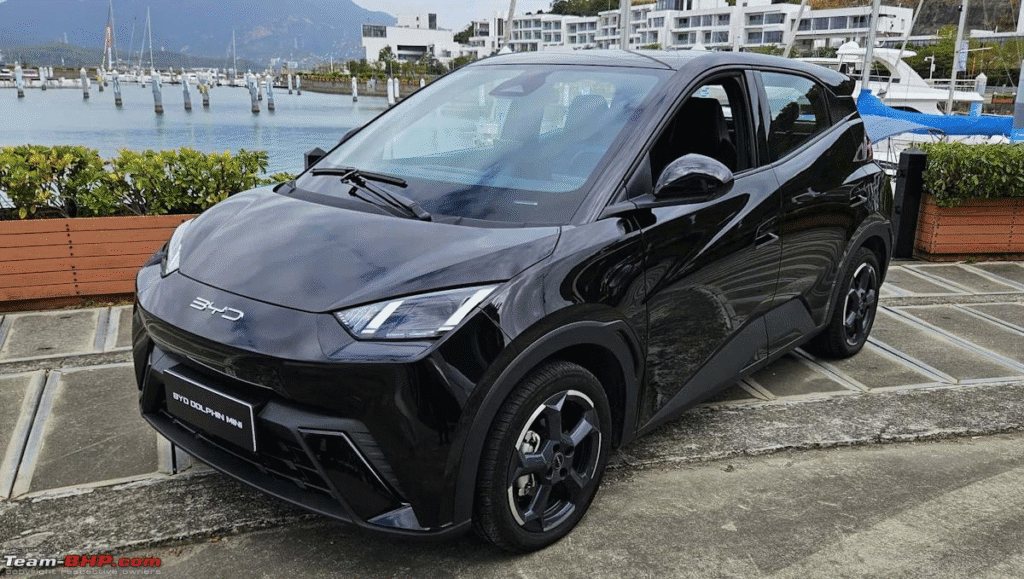
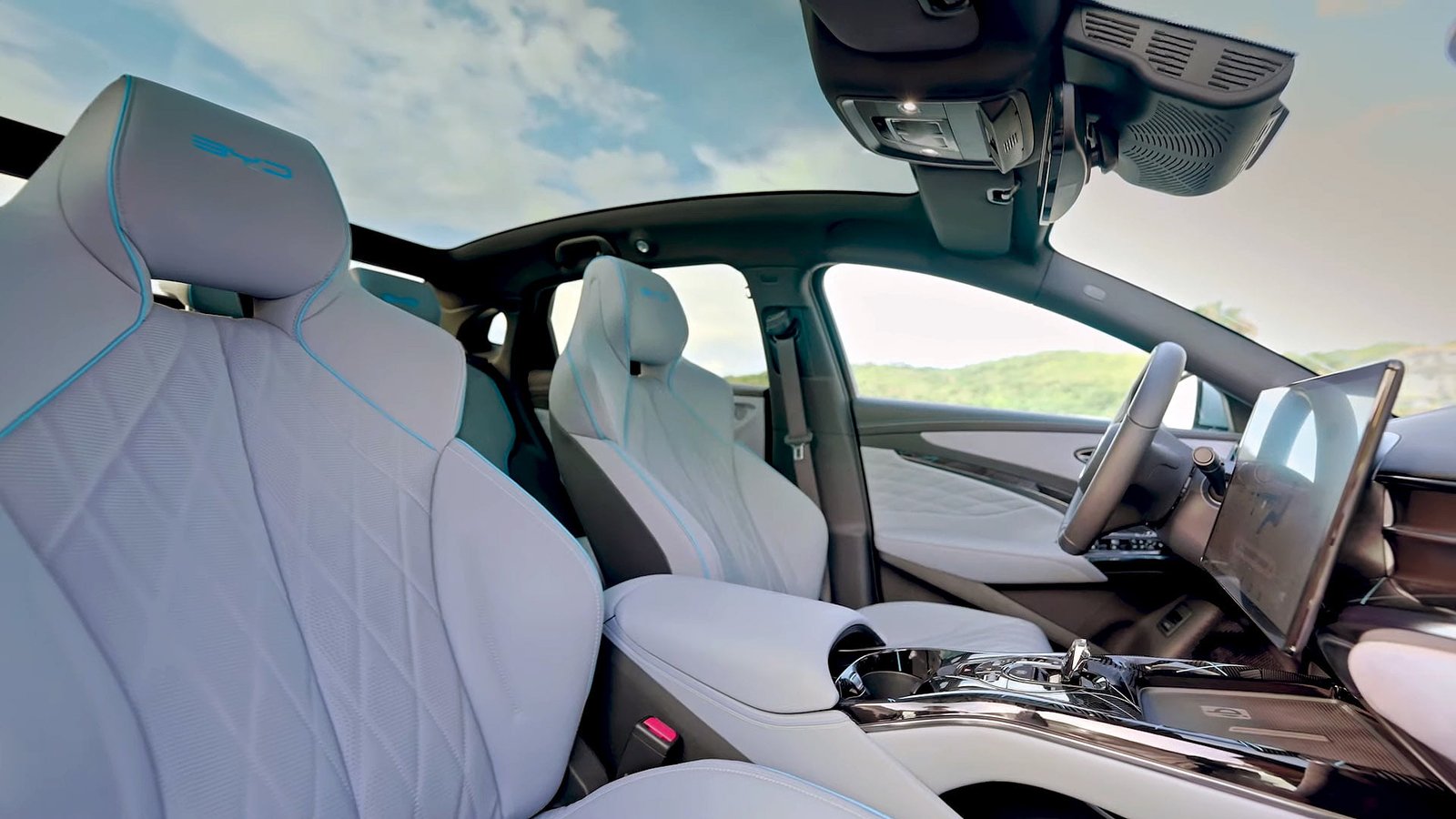
The first thing you notice about the Dolphin Mini is its design. Built on BYD’s “Ocean Aesthetics” philosophy, the car has sharp, angular lines that give it a surprisingly aggressive and modern look. Our test model’s interior felt solid, with decent materials that defy its budget-car status.
But the real shock comes when you turn it on. The centerpiece of the cabin is a 10.1-inch rotating central screen, a feature you’d expect in a car costing three times as much. Combined with a wireless phone charging pad and a full suite of 6 airbags, the initial impression is one of incredible, almost unbelievable, value.
The Drive: A Perfect City Warrior
Press the accelerator, and the Dolphin Mini zips forward with the instant responsiveness only an EV can provide. The 55 kW motor and 135 Nm of torque don’t sound like much, but in a car this small, it’s more than enough to feel punchy and agile in city traffic. The ride is comfortable, absorbing bumps well, though the cabin can get a bit noisy at higher highway speeds.
Our test model was the extended-range version with the 38.88 kWh battery, rated for 380 km (236 miles). In our real-world testing, we consistently managed around 320 km (200 miles) of mixed driving, which is more than sufficient for a week of urban commuting.
The Secret Sauce: BYD’s Core Technology
What truly sets the Dolphin Mini apart—and what competitors should be worried about—is the advanced engineering underneath. The car is built on BYD’s sophisticated e-Platform 3.0, the same platform used in its more expensive models.
This platform integrates the legendary BYD Blade Battery, a Lithium Iron Phosphate (LFP) battery famous for its superior safety and longevity. This isn’t just a cheap battery in a cheap car; it’s a world-class piece of engineering that promises a long, reliable service life. This focus on core technology is how BYD delivers both a low price and a high-quality product.
Our Verdict: An Agonizingly Good Car America Can’t Buy
After a week behind the wheel, our conclusion is simple: the BYD Dolphin Mini is the most significant electric vehicle on the planet right now. It is a well-built, fun-to-drive, and technologically impressive car that delivers on the promise of affordable electric mobility for the masses.
And that makes its absence from the US market all the more frustrating. A combination of a staggering 100% import tariff and complex safety regulations means this $10,000 EV would likely cost closer to $30,000 if it ever landed on American shores, defeating its entire purpose.
The Dolphin Mini is proof that the affordable EV is not a myth. It’s a reality for the rest of the world, and for now, it remains forbidden fruit for American drivers.
Suhas Shrikant is the founder of Vecharged and an engineering enthusiast specializing in high-power off-grid solar systems. He has designed and built over a dozen custom systems and uses his hands-on, field-tested experience to create Vecharged’s expert guides and reviews.
Vecharged is the consumer protection and education initiative of Cleanpower.eco, an organization dedicated to providing a clear, unbiased, and authoritative voice in the clean energy transition. The experts at Cleanpower.eco recognized a critical crisis of trust: the shift to electric vehicles and solar power is one of the most important and expensive decisions a family will make. Yet, the landscape is flooded with biased reviews, confusing marketing, and paid-for endorsements. Vecharged was created to be the shield against that confusion. We were founded on a simple, non-negotiable constitution: We are radically independent. We accept no advertising, sponsorships, or paid placements from any product manufacturer. We have no commercial interest in the products we review. Our only metric for success is your empowerment. Our loyalty is to you, the consumer. Full stop. We ground our brutally honest, hands-on analysis in a deep, foundational understanding of the engineering. We are not just reviewers; we are your advocates.
Innovations in Agrivoltaics A powerful solution is transforming agricultural landscapes: the integration of solar farms with active farming. This approach, known as agrivoltaics or dual-use solar, enables the simultaneous production of food and clean energy on the same piece of land. By mounting solar panels high above crops or livestock, this strategy optimizes land use, conserves valuable
My Expert Verdict: The Kia PV5 is being hailed as a modular delivery van, but its true mission is to retire the noisy, polluting diesel generator. The key is its robust V2L (Vehicle-to-Load) system. This isn’t just about modularity for taxis; it’s about transforming the construction site. This is the my audit of why the
I was in my office the other day, and I realized something was missing: the familiar clatter and roar of the diesel delivery truck that usually rattles the windows around lunchtime. It was replaced by a near-silent, electric hum. That’s when it hit me. For years, we’ve talked about the “future” of electric delivery. But
My Expert Verdict: The Kia PV5 is being hailed as a modular delivery van, but that’s a distraction. This vehicle is Kia’s most strategically important platform because it’s a massive software hub, a dynamic battery battlefield, and a Vehicle-to-Home (V2H) Trojan horse. This isn’t just about interchangeable bodies. It’s about how electric vehicles will integrate