The next 18 months will redefine the EV landscape. From affordable Tesla rivals to game-changing electric trucks, here is our definitive, expert-vetted list of the cars you should hold out for.
2026 could finally be the year electric cars go mainstream for everyone – and these are the models that promise to change the game.
The last few years have seen wild swings in electric car pricing and incentives, with new tech and political cycles making headlines. But real EV affordability and innovation are finally around the corner. Why? Carmakers from GM and Nissan to Kia and Volkswagen are racing to launch fresh EVs—many with true mainstream pricing, longer range, and faster charging. Ready for your first (or next) electric car? These are the EVs you should wait for.
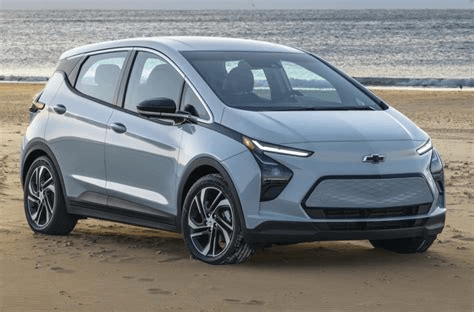
1. Chevrolet Bolt (Next-Gen)
Why it’s worth the wait: The iconic EV hatch is coming back, cheaper and better! Built on GM’s Ultium platform with new LFP batteries, it should offer more space, lower prices (target: under $30,000), and a far better driving experience.
Who it’s for: First-time buyers, city drivers who want reliability and cost savings.
What to expect: A more SUV-like profile, up to 250+mi EPA range, and new tech.
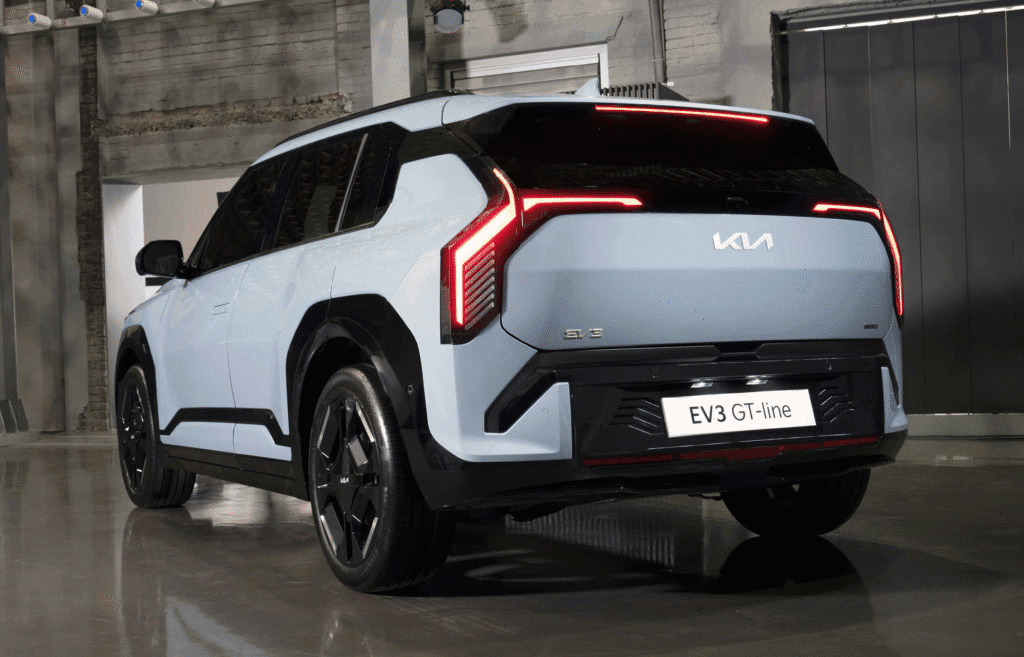
2. Kia EV3
Why it’s worth the wait: Compact, loaded with tech, and targeting over 370 miles (WLTP) on a charge. Stylish, practical, and expected to undercut rivals on price.
Who it’s for: Those who want a small SUV with a premium feel and maximum efficiency.
What to expect: Roomy cargo, a playful driving experience, and AWD in higher trims.
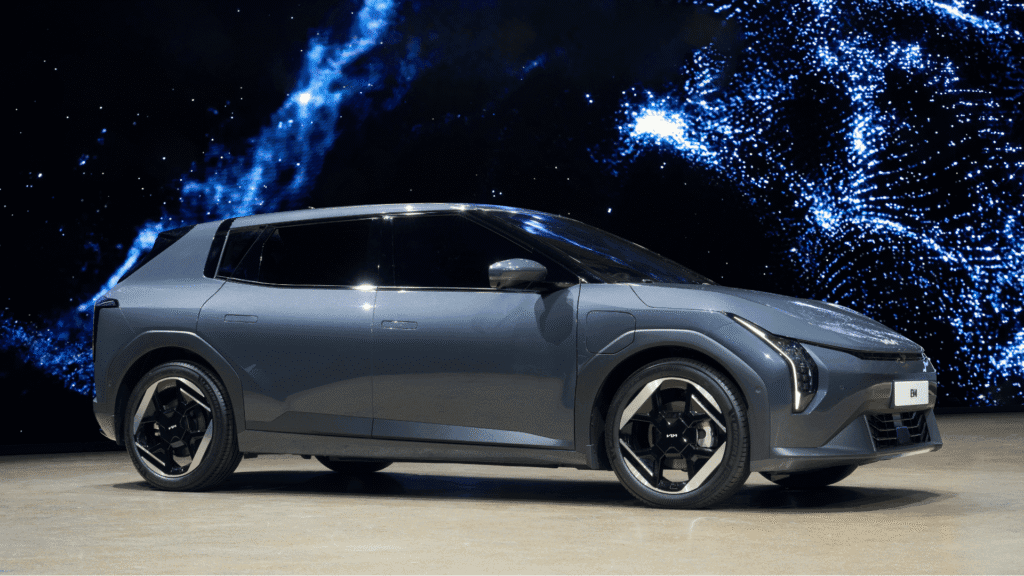
3. Kia EV4
Why it’s worth the wait: Imagine a shrunken EV6 with the latest battery and interface tech—but at a friendlier price (rumors say around $35,000). Multiple battery options, zippy 201 hp, and DC fast charging.
Who it’s for: Urban families, style-conscious drivers, anyone wanting the “Kia look.”
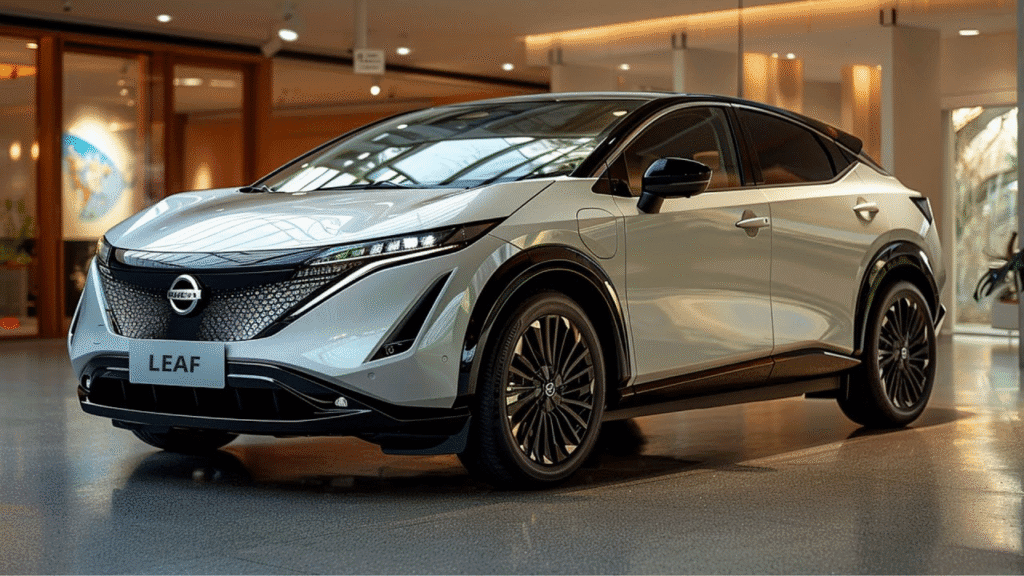
4. Nissan Leaf (Next-Gen)
Why it’s worth the wait: The Leaf is expected to “grow up” on the Ariya’s platform, offering AWD, more space, 300+ mi range, and even more competitive pricing (aiming for $30,000).
Who it’s for: Budget-minded buyers, those wanting classic Nissan reliability with new tech.
What to expect: More fun to drive, modern design, and possibly LFP battery tech to keep costs down.
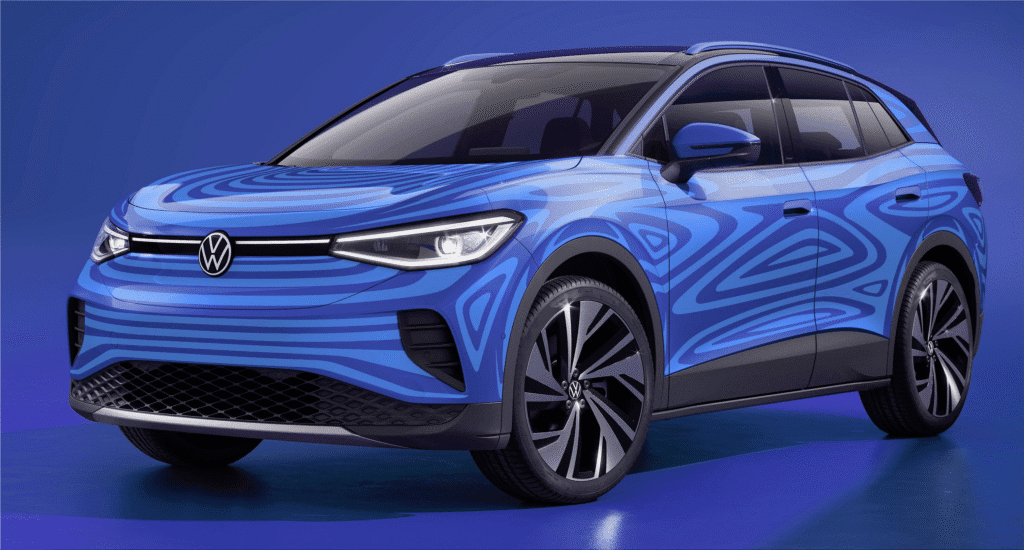
5. Volkswagen ID.4 (Facelift/New Tier)
Why it’s worth the wait: VW is set for a major ID.4 update—more Golf-like looks, bigger range, and potentially introducing cheaper LFP battery versions.
Who it’s for: Crossover fans who want VW’s badge, practicality, and evolving tech.
What to expect: Lower entry prices, better efficiency, and smarter infotainment.
6. Hyundai Kona Electric (Next Gen US/Global)
Why it’s worth the wait: The new Kona EV promises more interior space, sharper looks, and a step up in both range and charging tech.
Who it’s for: Value seekers, commuters, and small families.
What to expect: 260–300mi range, rapid DC charging, and a more refined cabin.
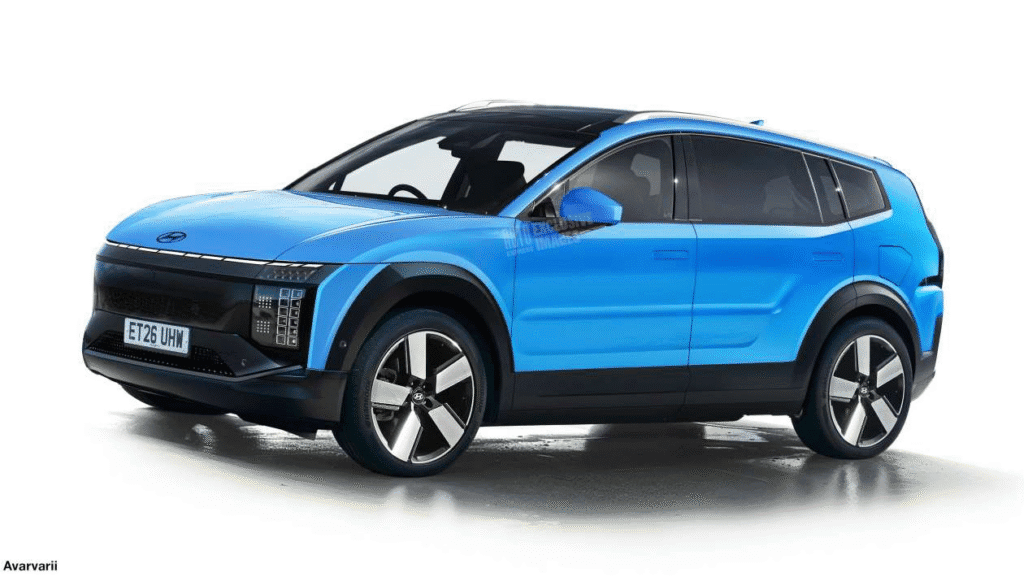
7. Hyundai Ioniq 3
Why it’s worth the wait: Hyundai’s new compact SUV EV is set to rival the Leaf and Bolt on price but leap ahead on design and user tech. Expect big value in a small package.
Who it’s for: Young professionals, urbanites, and tech fans.
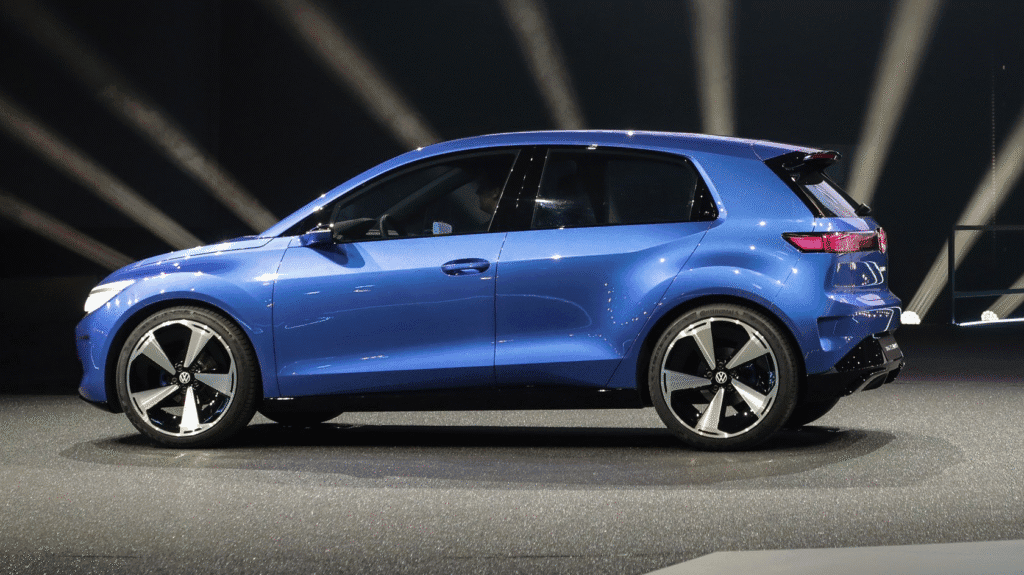
8. Volkswagen ID.1 / ID.2
Why it’s worth the wait: VW’s long-awaited truly affordable electric hatchbacks. Expected to be priced in the mid-$20,000s (yes, really!), likely launching in Europe first but possibly expanding.
Who it’s for: Entry-level EV buyers ready to ditch their old gas hatch.
What to expect: City-friendly size, fun-to-drive factor, affordable urban mobility.
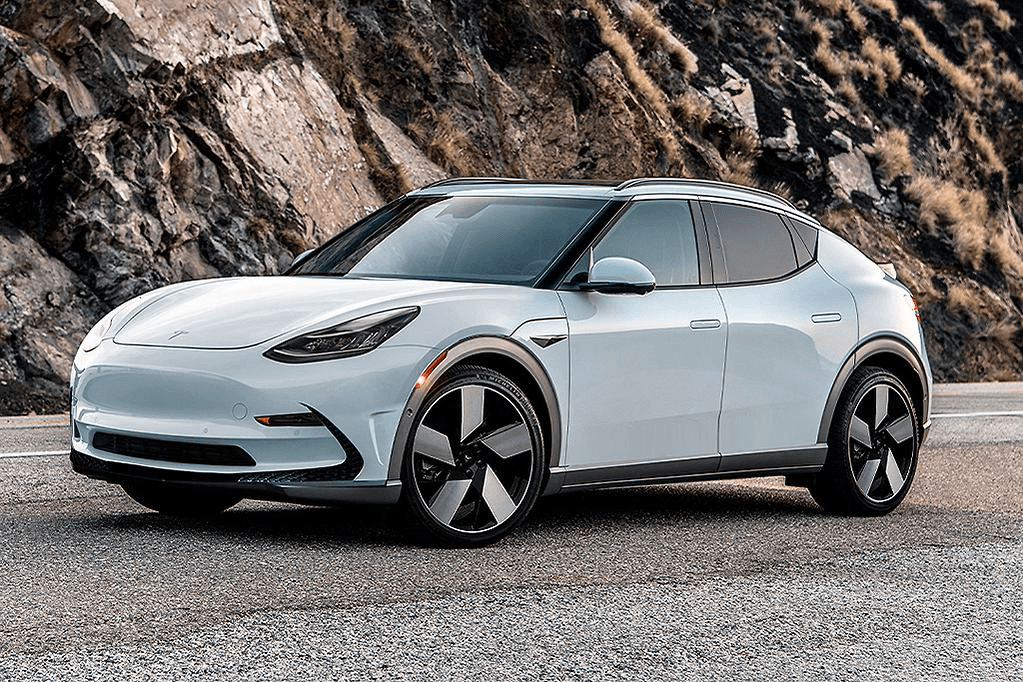
9. Tesla Model 2 (Rumored)
Why it’s worth the wait:Tesla may finally break into the truly mass market with an affordable compact, possibly built in the US and Europe. Ambitious targets include under $30,000 pricing and everyday practicality.
Who it’s for: Anyone who wants Tesla tech without the big price tag.
10. Secondhand EVs – Flood of Used Models
Why it’s worth the wait: 2026 will bring a tidal wave of 3–5-year-old Teslas, Leafs, Bolts, Konas, and ID.4s off lease, plummeting prices for used buyers. Expect certified pre-owned programs, battery health guarantees, and new startups making EV ownership even more accessible.
Bonus: What to Watch For
Battery Tech: Wide adoption of LFP (lithium iron phosphate) means lower costs and less worry about battery replacement.
Charging Speeds: Most major 2026 EV launches will support 10-80% charging in 20–30 minutes.
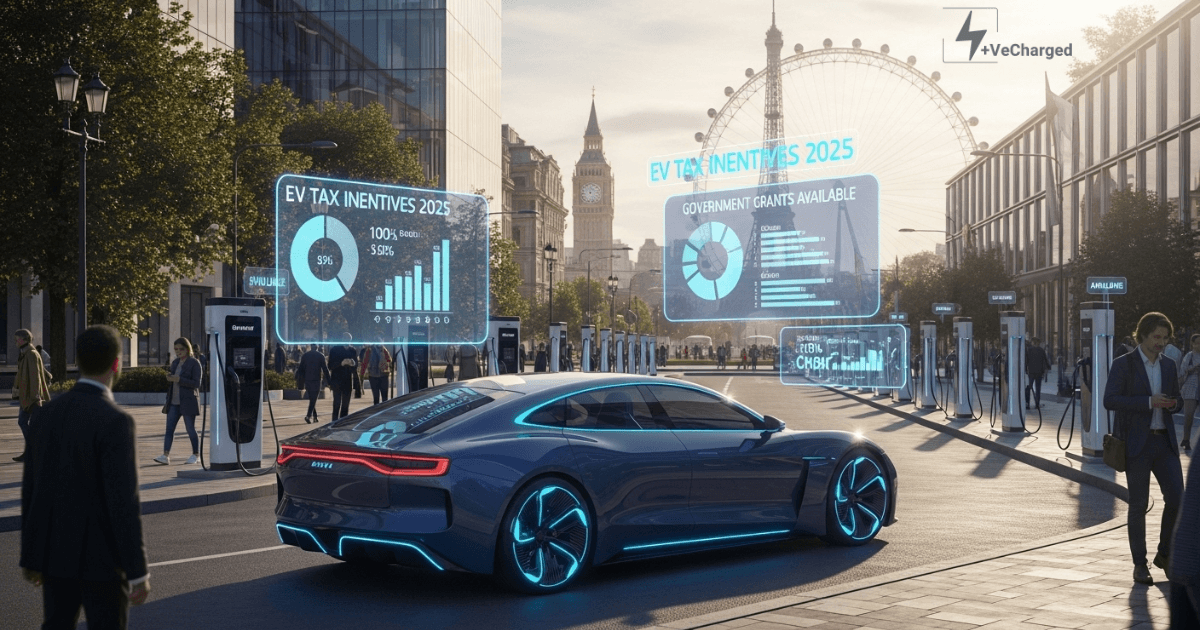
Incentives: Even if federal credits change, most states and countries will offer local grants—research before you buy.
New Brands: Watch for surprises from Rivian, Fisker, and Chinese upstarts like BYD expanding in Europe and North America.
Why 2026 is Different: It’s About Real Access and Value
Older EV stories were about early adopters and high-tech dreams. 2026’s new electric cars finally make EVs a smart buy for regular drivers with regular budgets. Expect more choice under $35K, real world-ready range, and the best blend of design, tech, and price yet.
Ready for the Revolution?
Follow VeCharged for more up-to-date leaks, expert analysis, and first drives as these and other 2026 electric cars are revealed. The future of driving is truly getting exciting—and finally, it’s affordable.
Know a friend searching for their first EV? Share this list and help them shop smarter for 2026!
Suhas Shrikant is the founder of Vecharged and an engineering enthusiast specializing in high-power off-grid solar systems. He has designed and built over a dozen custom systems and uses his hands-on, field-tested experience to create Vecharged’s expert guides and reviews.
Vecharged is the consumer protection and education initiative of Cleanpower.eco, an organization dedicated to providing a clear, unbiased, and authoritative voice in the clean energy transition. The experts at Cleanpower.eco recognized a critical crisis of trust: the shift to electric vehicles and solar power is one of the most important and expensive decisions a family will make. Yet, the landscape is flooded with biased reviews, confusing marketing, and paid-for endorsements. Vecharged was created to be the shield against that confusion. We were founded on a simple, non-negotiable constitution: We are radically independent. We accept no advertising, sponsorships, or paid placements from any product manufacturer. We have no commercial interest in the products we review. Our only metric for success is your empowerment. Our loyalty is to you, the consumer. Full stop. We ground our brutally honest, hands-on analysis in a deep, foundational understanding of the engineering. We are not just reviewers; we are your advocates.
Imagine flying effortlessly above the water’s surface, powered by nothing but silence and cutting-edge technology. That’s the magic of the Lift eFoil, a revolutionary electric hydrofoil surfboard that’s redefining the way we interact with water. What is a Lift eFoil? In simple terms, a Lift eFoil is a surfboard with a high-tech twist. Underneath
The Different Types of Outdoor Solar Lights Outdoor solar lights have become increasingly popular in recent years due to their energy efficiency and convenience. These lights harness the power of the sun to provide illumination for outdoor spaces, without the need for traditional electrical wiring or batteries. In this article, we will explore the different
Benefits of Using a Solar Pool Heater Tired of your pool being too cold for half the year? Want to cut your energy bills and reduce your environmental impact? Solar pool heaters offer the perfect solution. They harness the sun’s free energy to extend your swim season, save you money, and boost your sustainability efforts.
Interactive: Roof Space & Panel Count Visualizer Desired System Size (kW) 8.0 kW Using 400W Panels — Panels Needed — m² Est. Roof Space Using 500W Panels — Panels Needed — m² Est. Roof Space The “bigger is better” argument seems obvious, but the reality of weight, roof space, and system design is far more