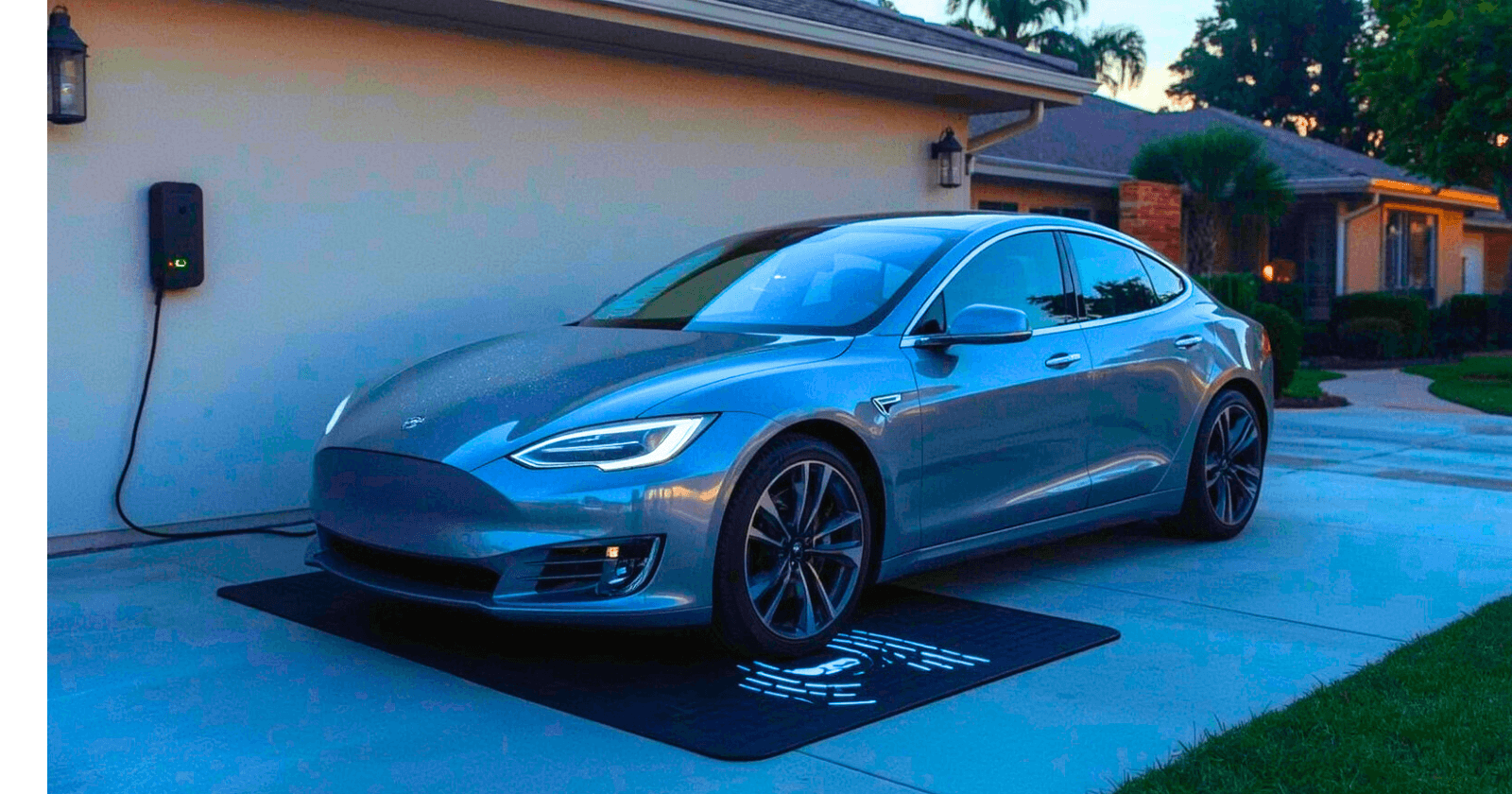
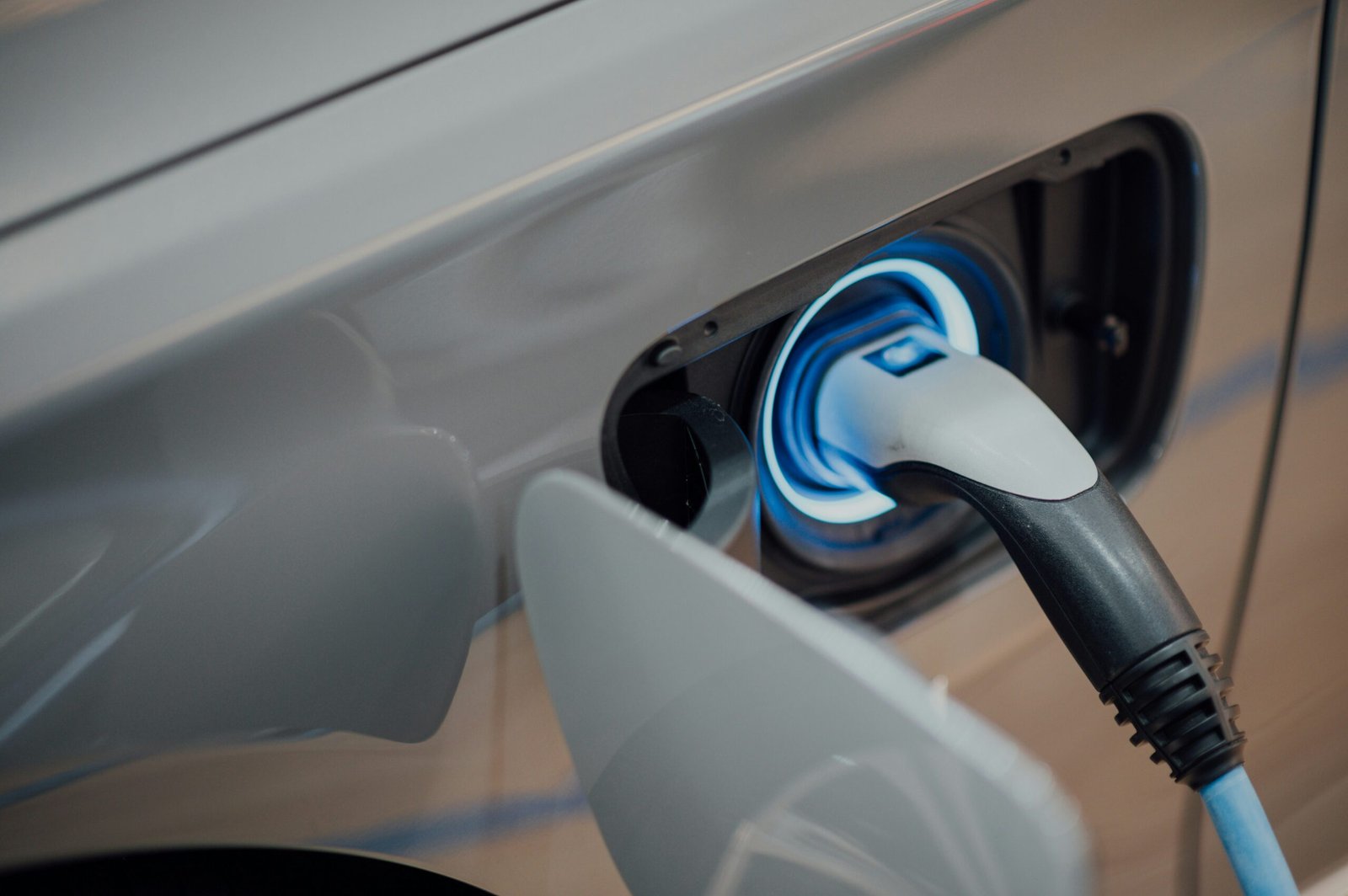
For all the incredible advancements in electric vehicles, one ritual remains stubbornly analog: the charging cable. It’s the last piece of physical friction in an otherwise seamless experience—a heavy, often dirty cord you have to wrestle with in the rain, snow, or a dark garage.
But what if that final, clumsy step was about to disappear forever? What if charging your car was as simple as parking it and walking away?
This isn’t science fiction. This is the world of wireless EV charging, a technology that is rapidly moving from the lab to our driveways. As an expert in energy systems, I want to break down how this “magic” actually works, the serious engineering hurdles being overcome, and what it means for the future of every car on the road.
How It Really Works: More Than Just a Big Phone Charger
At its core, the principle is the same as the wireless charger for your smartphone: inductive power transfer. Think of it as two halves of a transformer separated by air.
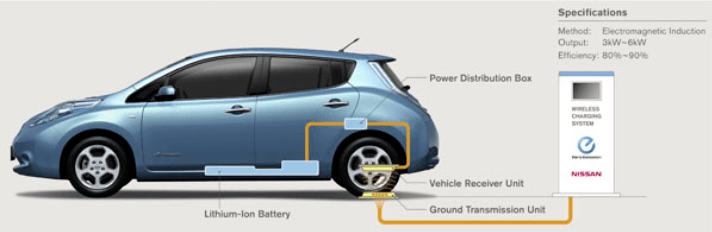
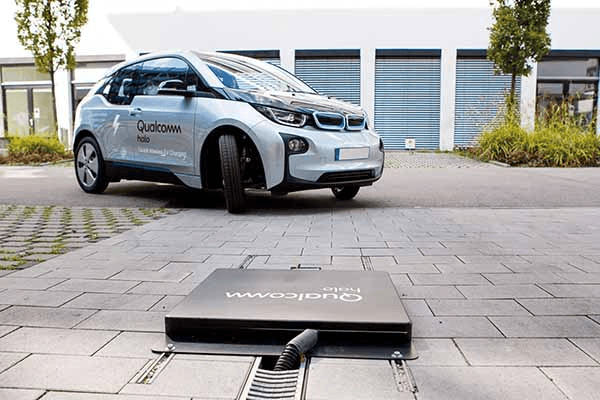
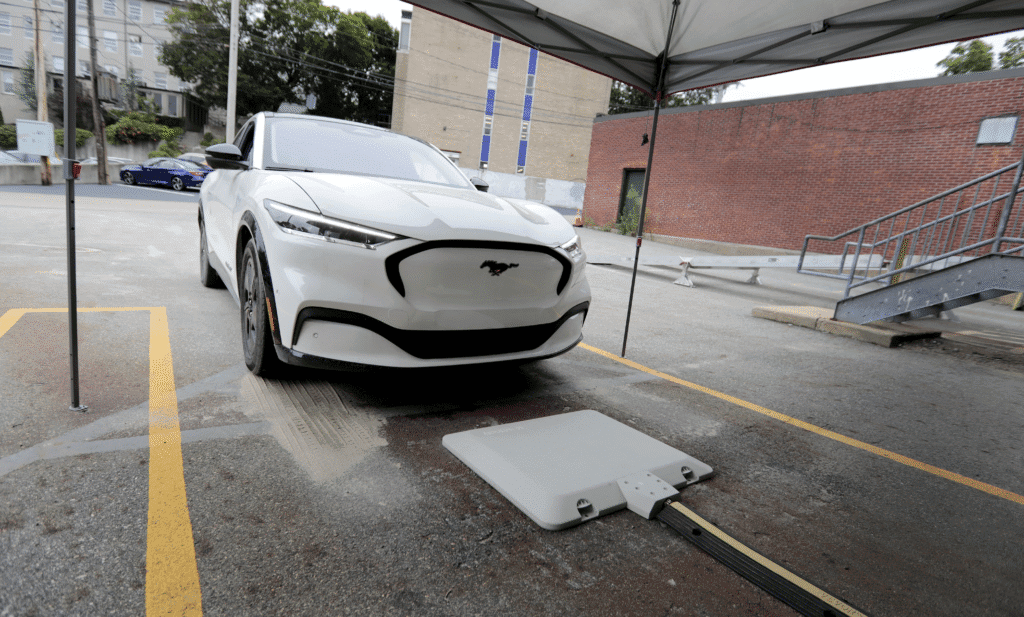
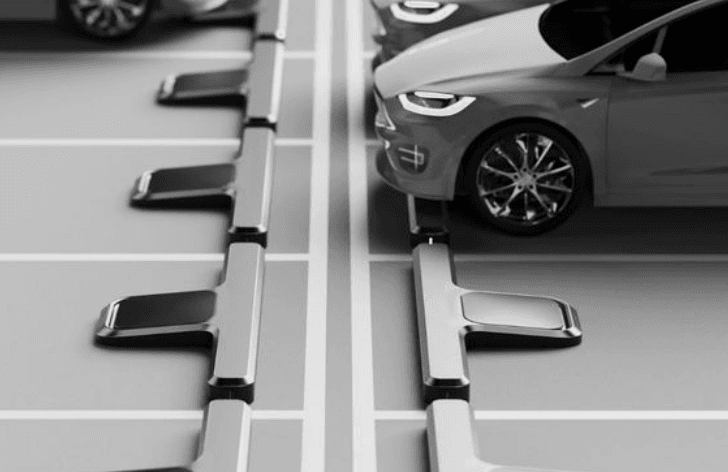
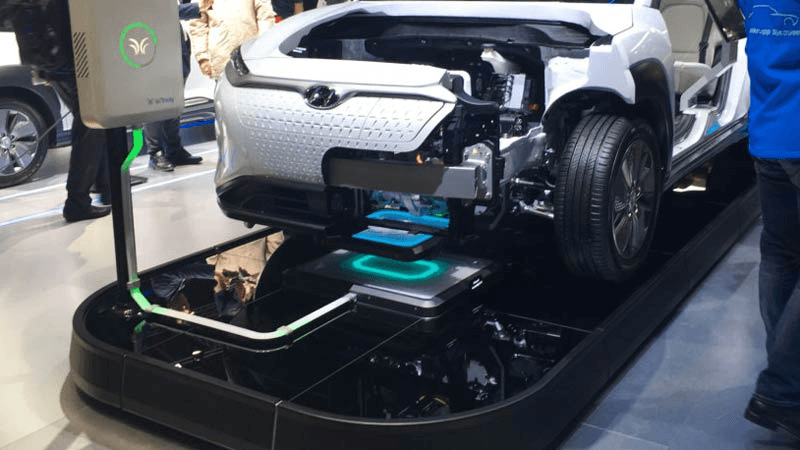
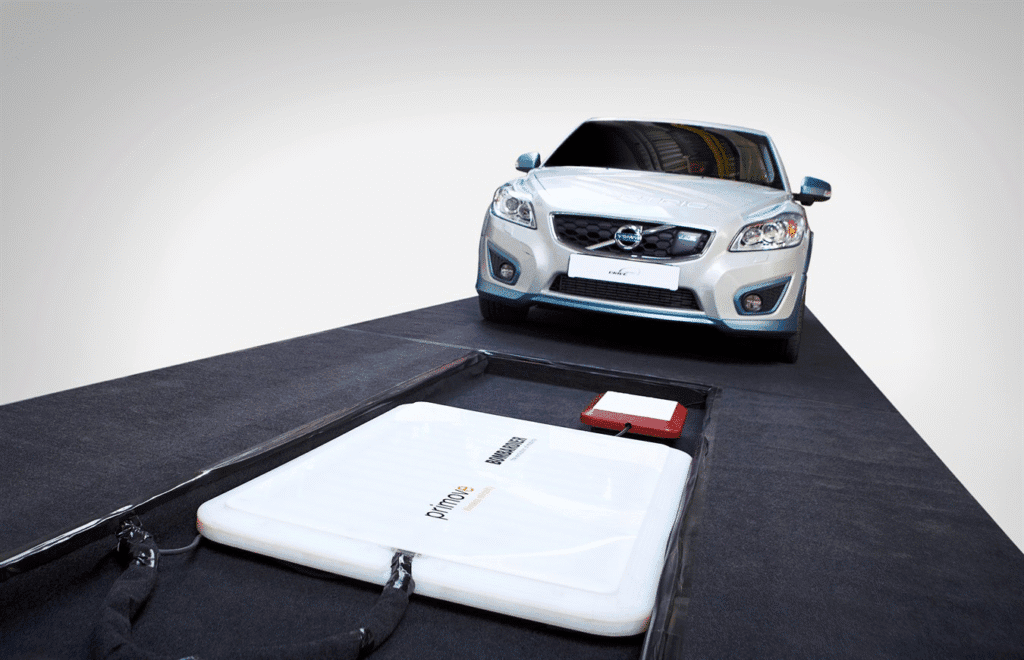
The Ground Assembly Unit (GA): This is a charging pad, either mounted on or embedded into your garage floor or a parking spot. When activated, an alternating current flows through a coil inside, creating a powerful, oscillating magnetic field.
The Vehicle Assembly Unit (VA): This is a receiving pad attached to the underside of your EV. When the car parks over the ground pad, the magnetic field from the GA induces an electric current in the coil of the VA.
Conversion and Charging: This newly created AC electricity is then converted to DC power onboard the vehicle and used to charge the main battery, just as if it were plugged in.
This entire process is governed by a global standard, SAE J2954, which ensures that any certified car can charge on any certified pad, creating a universal system much like the plugs we use today.
The Expert’s View: It’s Not Magic, It’s Physics
While the concept is simple, making it work efficiently and safely for a 2-ton vehicle is a massive engineering challenge. My analysis of the research, including a recent comprehensive review in the journal Renewable and Sustainable Energy Reviews, highlights three critical hurdles that engineers are solving right now.
1. The Efficiency Gap: Every time you transfer energy without wires, some is lost as heat. Early systems struggled with this, but modern, high-performance systems based on magnetic resonance technology (like those pioneered by companies like WiTricity) can now achieve over 90-93% efficiency from the grid to the battery. This is very close to the ~95% efficiency of a typical plug-in charger, making the convenience trade-off incredibly small.
2. The Parking Problem (Misalignment): The biggest challenge is ensuring the two pads are perfectly aligned. If you park slightly off-center, the efficiency of the power transfer can drop dramatically. To solve this, advanced systems use a combination of smart communication between the car and the charger and sophisticated coil designs that create a larger, more forgiving “sweet spot” for charging. The goal is to allow for significant parking tolerance without the driver having to think about it.
3. The Safety Factor (Foreign Object Detection): What happens if a pet walks between the pads, or a piece of metallic trash blows underneath the car while it’s charging? The system must be able to detect this instantly. All SAE J2954 certified systems include advanced Foreign Object Detection (FOD) that can identify foreign materials and immediately shut down the power transfer to prevent any risk of overheating or harm.
Who is Making This a Reality?
This technology is no longer a concept.
Genesis was the first automaker to offer a factory-installed wireless charging option on its GV60 electric SUV in a pilot program.
Volvo has been successfully testing wireless charging on a fleet of electric taxis in Sweden, proving its viability for commercial use.
Companies like WiTricity are working directly with automakers to integrate this technology into their next generation of EVs.
The Verdict: The Inevitable Future of Charging
While the upfront cost of wireless charging systems is still higher than a standard wall charger, the trend is clear. The sheer convenience, combined with the critical need for autonomous vehicles to charge themselves without human intervention, makes wireless charging an inevitability.
The charging cable has served us well, but its days are numbered. The future of charging is not about plugging in; it’s about simply parking.
Suhas Shrikant is the founder of Vecharged and an engineering enthusiast specializing in high-power off-grid solar systems. He has designed and built over a dozen custom systems and uses his hands-on, field-tested experience to create Vecharged’s expert guides and reviews.
Vecharged is the consumer protection and education initiative of Cleanpower.eco, an organization dedicated to providing a clear, unbiased, and authoritative voice in the clean energy transition. The experts at Cleanpower.eco recognized a critical crisis of trust: the shift to electric vehicles and solar power is one of the most important and expensive decisions a family will make. Yet, the landscape is flooded with biased reviews, confusing marketing, and paid-for endorsements. Vecharged was created to be the shield against that confusion. We were founded on a simple, non-negotiable constitution: We are radically independent. We accept no advertising, sponsorships, or paid placements from any product manufacturer. We have no commercial interest in the products we review. Our only metric for success is your empowerment. Our loyalty is to you, the consumer. Full stop. We ground our brutally honest, hands-on analysis in a deep, foundational understanding of the engineering. We are not just reviewers; we are your advocates.
How to Clean Solar Panels Safely & Effectively (DIY Guide) Solar panels are fantastic eco-friendly power generators, but like any system exposed to the elements, they require occasional cleaning to maintain optimal efficiency. Dust, dirt, bird droppings, and even pollen buildup can reduce the amount of sunlight reaching the photovoltaic cells, impacting your energy production.
Choosing the right electric lawn mower depends on the size of your lawn and your desired features. Here’s a breakdown of some top contenders in India, categorized by lawn size: For Small Lawns (up to 1000 sqft) Black+Decker BEMW471BH 1600W 38cm: 1.6 kilowatt electric motor 45-liter grass collection box Easy to use [according to some
Ready to transform your living space into a cozy haven? Electric fireplaces offer the perfect blend of style, efficiency, and warmth. Here are some of the top-rated electric fireplaces you can purchase on Amazon right now: 1. Dimplex Opti-Myst Electric Fireplace 2. PuraFlame Infrared Electric Fireplace 3. Real Flame Electric Fireplace 4. Home Depot Electric
Electric fireplaces have revolutionized the way we experience warmth and ambiance in our homes. Gone are the days of smoky chimneys and messy logs. Today, these sleek and sophisticated appliances offer a clean, efficient, and stylish way to elevate your living space. Why Choose Electric? A Closer Look Electric fireplaces offer a compelling blend of