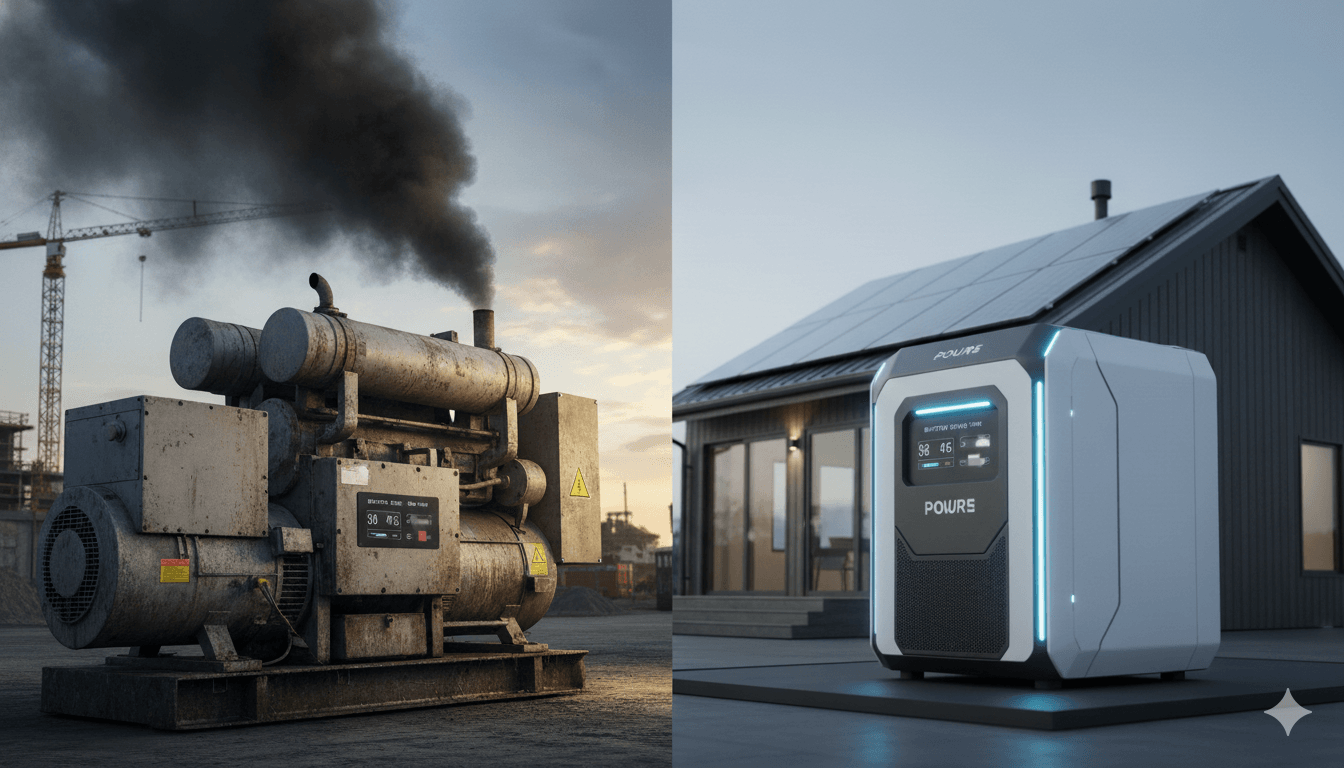
Portable Power Stations: Ignore the Specs & Learn These 2 Numbers
I’ve been there. You’re standing in a store or scrolling online, looking at a wall of orange, black, and grey boxes all promising “power anywhere.” They’re called power stations, solar generators, and they all look vaguely the same. The specs are a nightmare: Wh, W, LiFePO4, MPPT… what does any of it even mean?
It’s confusing enough to make you give up and just pack an extra phone battery bank.
After years of testing this gear for camping, overlanding, and home emergencies, I’ve learned a secret: you only need to understand two key numbers to make a great decision. Everything else is just noise.
In this guide, I’m going to make this crystal clear. We’re going to ignore the jargon, build the perfect power kit for your needs, and I’ll give you a couple of my favorite, road-tested options.
The #1 Thing to Understand: You’re Buying a Two-Part System
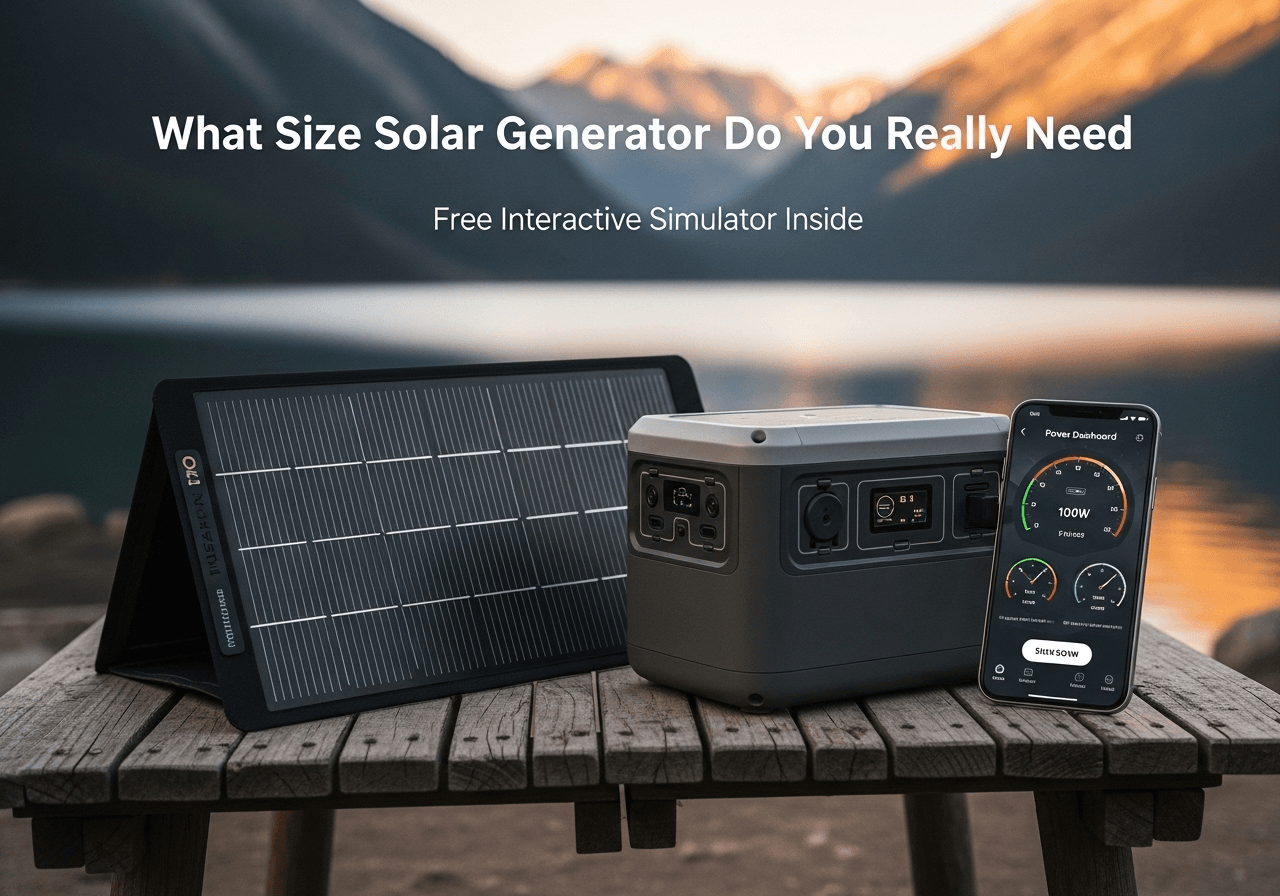
Before we even look at a product, let’s get this straight. A “solar generator” isn’t one thing. It’s a team of two:
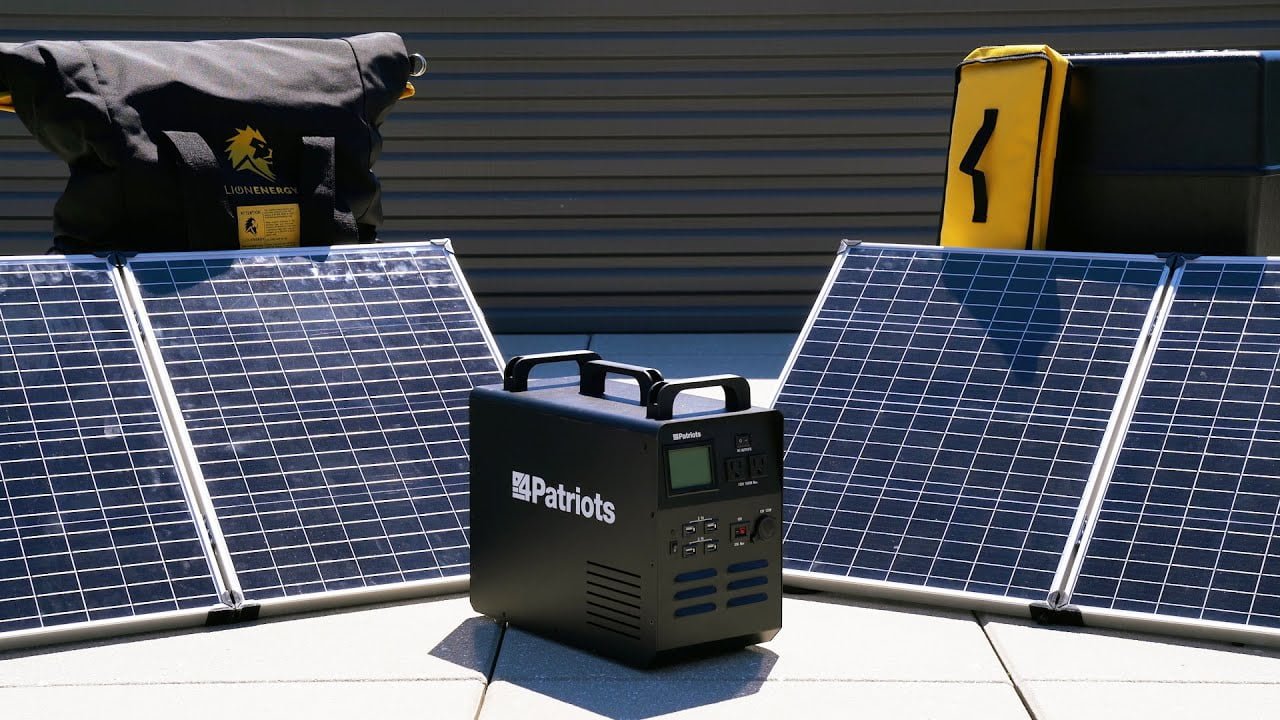
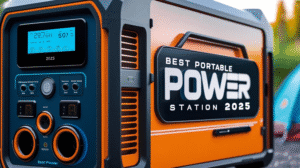
The Power Station: This is the box with all the plugs. It’s a big, smart battery that stores electricity.
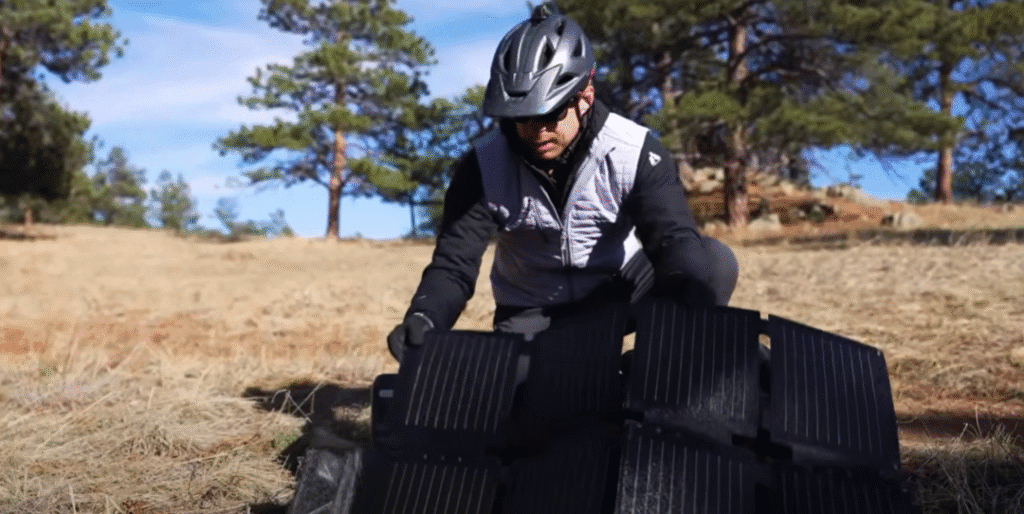
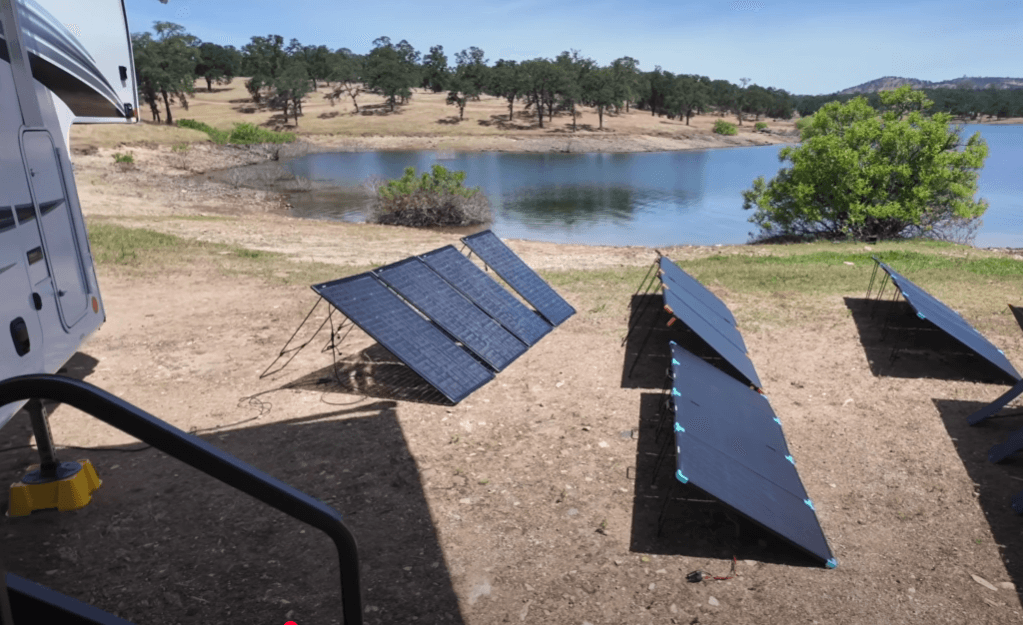
The Solar Panel: This is the foldable mat that makes electricity from the sun.
Think of it like a rain barrel. The solar panel is the roof catching the rain (sunlight), and the power station is the barrel holding the water (energy) for you to use later. You need both for the system to work off-grid.
Forget the Jargon. Focus on These Two Numbers Only.
When you look at a power station or a solar panel, you’re going to be hit with a dozen specs. I want you to ignore almost all of them and find just these two.
For the Power Station: Look for Watt-hours (Wh)
What it means: This is the size of the battery’s “gas tank.” A bigger number means it holds more electricity.
Simple Guide:
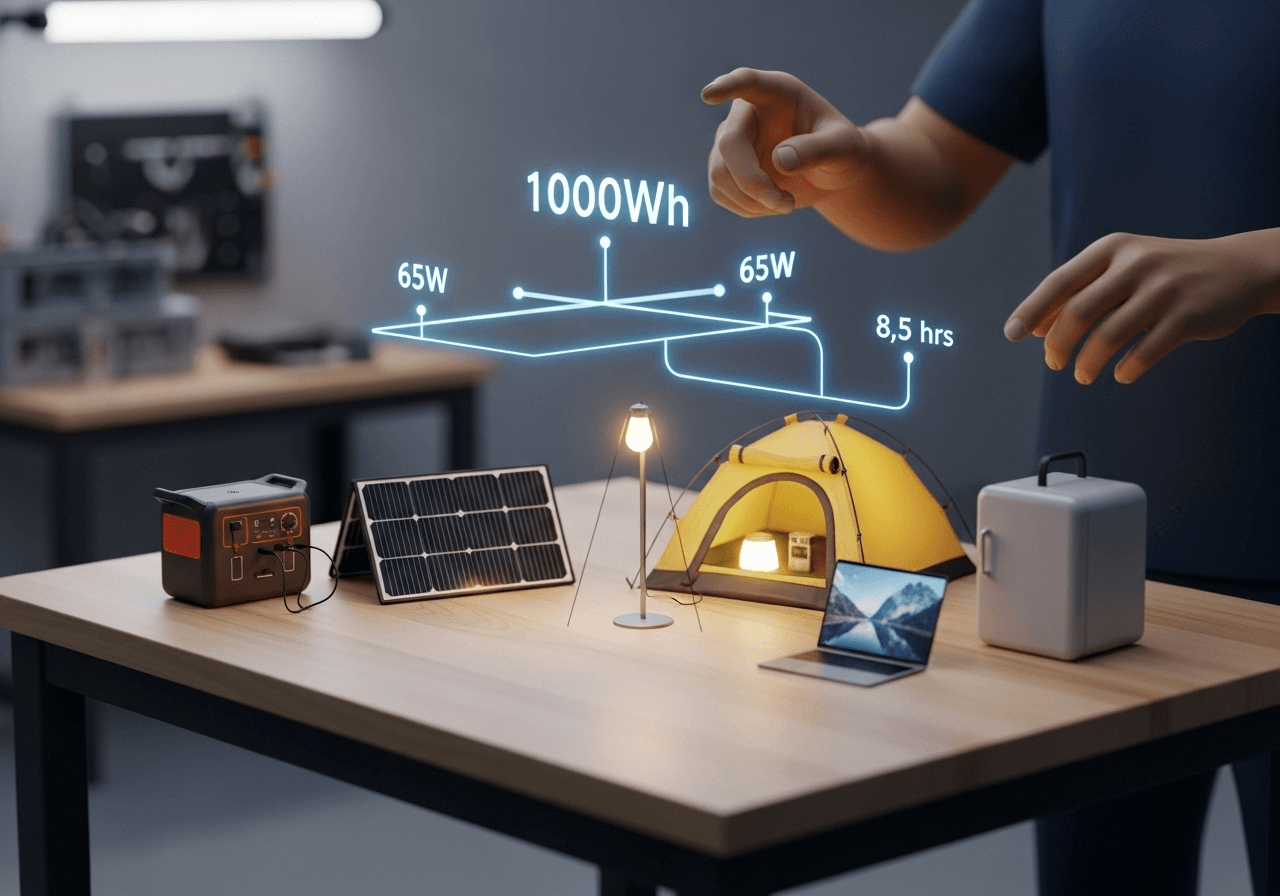
300Wh: Perfect for a weekend. Can charge your phone ~20 times and a laptop ~4 times.
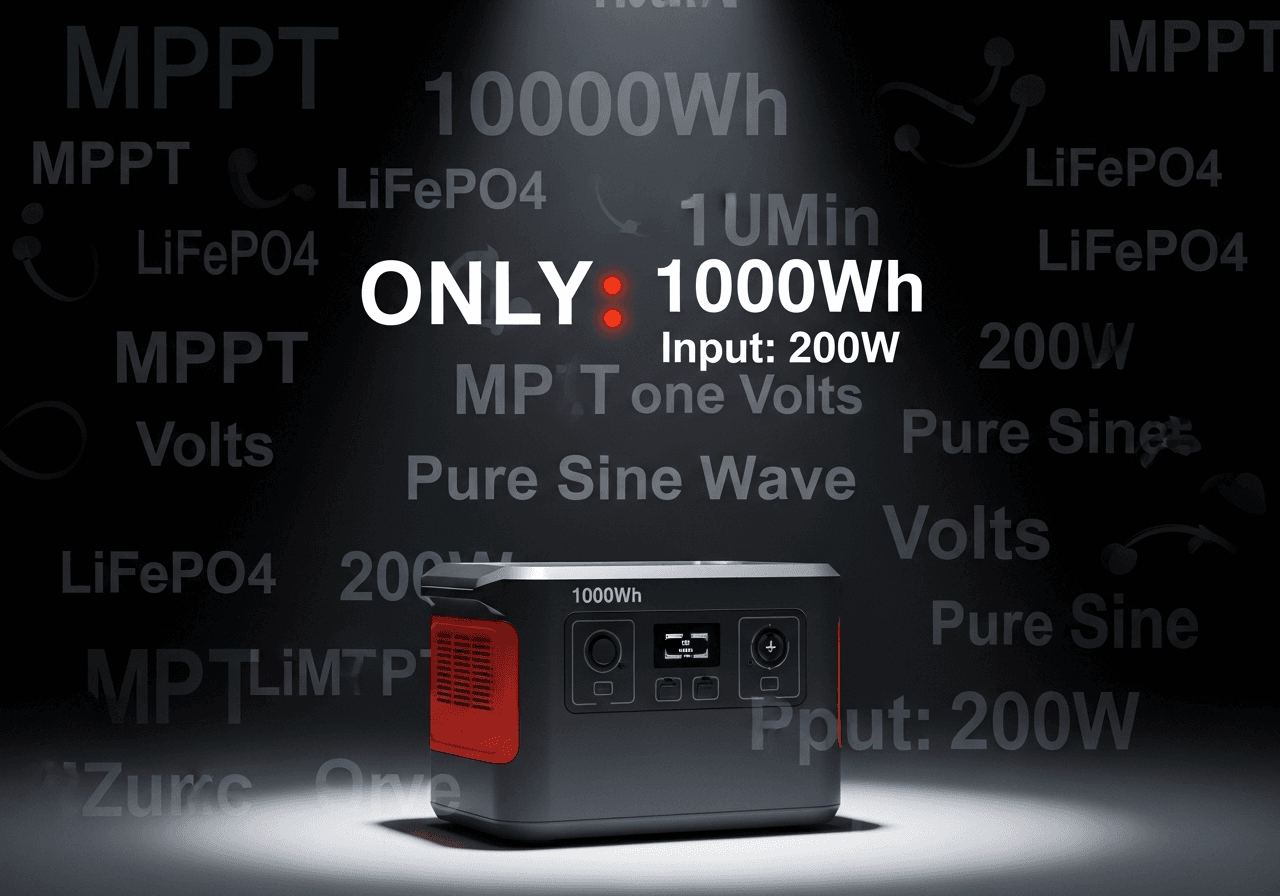
1000Wh: A serious workhorse. Can run a portable electric cooler for a full day, power lights, and charge all your devices.
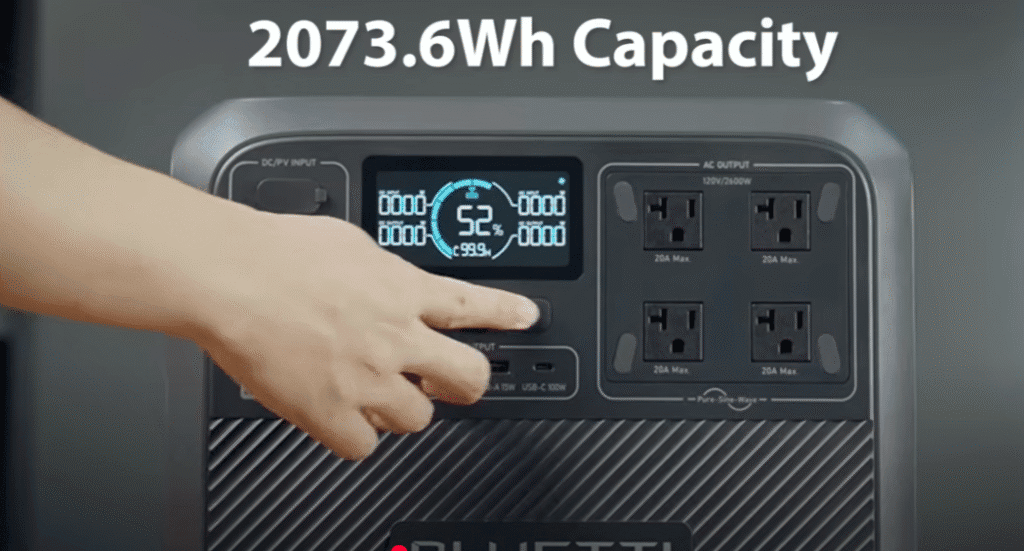
2000Wh: A home backup beast. Can run a full-size refrigerator for several hours during a power outage.
For the Solar Panel: Look for Watts (W)
What it means: This is the speed of the “fuel pump.” A bigger number means it can refill your power station’s “tank” faster.
The Matching Rule: You need to match the panel size to your power station. A tiny panel on a huge station is like trying to fill a swimming pool with a garden hose.
For a 300Wh station, a 100W panel is a perfect match.
For a 1000Wh station, you’ll want at least a 200W panel.
For a 2000Wh station, you need 400W or more of solar input.
My Most Important Piece of Advice: Real-World vs. Lab-Perfect
Here’s the honest truth most brands won’t tell you: a 100W solar panel will almost never give you 100 watts of power. That number comes from a perfect lab with the sun directly overhead.
In the real world, with a cloudy sky or the sun low in the sky, you should only expect to get about 60-75% of the rated wattage. This is why you should always buy a panel setup that’s a little bigger than you think you need.
Building Your Perfect Kit: Three Scenarios, Three Simple Solutions
Now let’s put it all together. Forget shopping for individual products. Shop for a solution to your specific need.
Kit #1: The Weekend Warrior
Your Mission: A weekend camping trip. You need to keep your phones, a laptop, a speaker, and maybe a drone charged and ready.
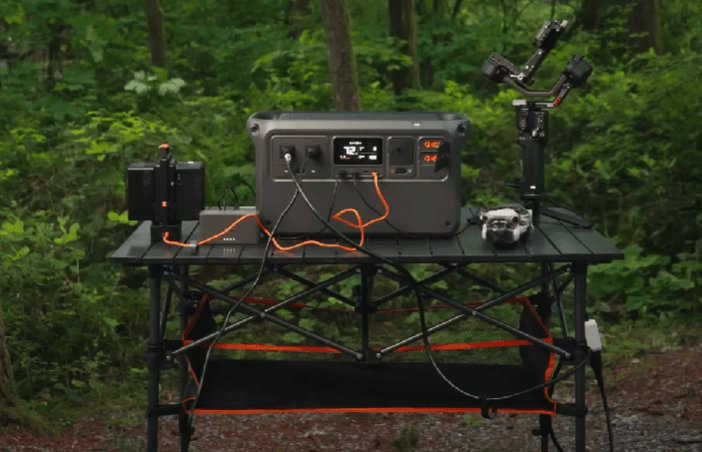
Your Perfect Kit: A 300-500Wh power station and a 100W solar panel. This combination is small enough to be easily portable but powerful enough to keep all your personal electronics alive for days.
My Top Pick: The Jackery Explorer 300 Plus + SolarSaga 100W Panel. Jackery is the original player in this space for a reason: their products are incredibly reliable, user-friendly, and just plain work. It’s the perfect starter kit.
Kit #2: The Overlander / Family Camper
Your Mission: You’re going for longer, and you’re powering more serious gear, especially an electric cooler or portable fridge, which is a constant power draw.
Your Perfect Kit: A 1000-1500Wh power station and a 200W solar panel. This gives you the battery capacity to run a fridge overnight and the solar power to recharge it effectively the next day.
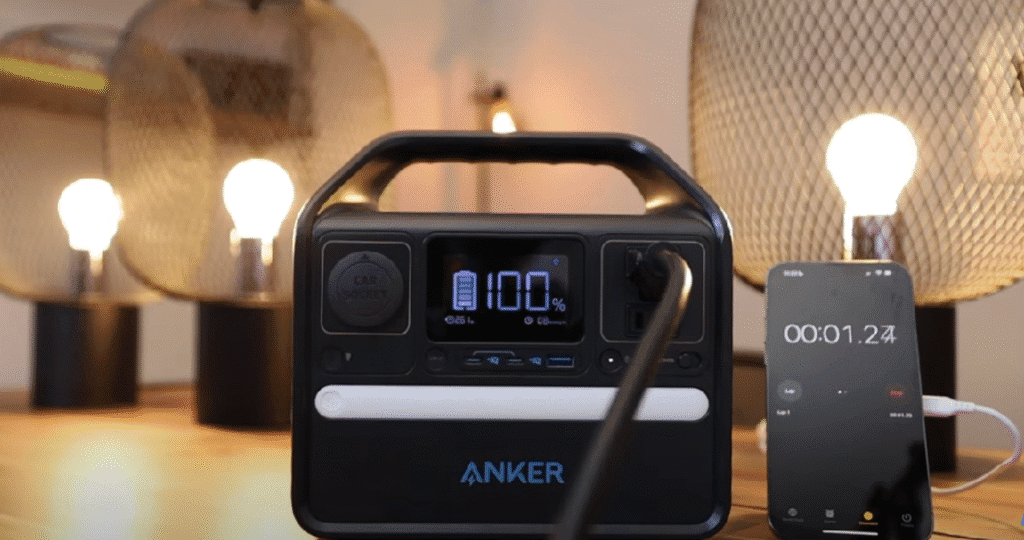
My Top Pick: The Anker SOLIX C1000 Power Station + Anker 200W Panel. Anker brings its tech expertise to this space. This unit uses a newer battery chemistry called LiFePO4, which gives it a lifespan that’s 5-6 times longer than older models. For a serious investment, that longevity is a game-changer.
Kit #3: The Home Backup Pro
Your Mission: A power outage hits. You need to keep your real refrigerator cold, your internet router on, and your essential lights and medical devices running for a day or more.
Your Perfect Kit: A 2000Wh+ power station and at least 400W of solar panels. This is a true home backup system that can provide genuine peace of mind.
My Top Pick: The EcoFlow DELTA Pro. This is a beast. It’s a modular system you can expand over time, and it’s powerful enough to run almost anything you can throw at it. It’s a serious investment, but for home security, it’s in a class of its own.
The Bottom Line: Stop Worrying About Specs, Start Thinking About a System
You can spend weeks comparing every last feature, but it all comes down to this:
Decide what you need to power to determine your Watt-hours (Wh).
Choose a Watts (W) solar panel that can realistically recharge it.
That’s it. You now know more than 90% of the people shopping for this gear. By choosing a kit that matches your mission, you can buy with confidence and enjoy the freedom of having your own power, wherever you go.
Suhas Shrikant is the founder of Vecharged and an engineering enthusiast specializing in high-power off-grid solar systems. He has designed and built over a dozen custom systems and uses his hands-on, field-tested experience to create Vecharged’s expert guides and reviews.
Vecharged is the consumer protection and education initiative of Cleanpower.eco, an organization dedicated to providing a clear, unbiased, and authoritative voice in the clean energy transition. The experts at Cleanpower.eco recognized a critical crisis of trust: the shift to electric vehicles and solar power is one of the most important and expensive decisions a family will make. Yet, the landscape is flooded with biased reviews, confusing marketing, and paid-for endorsements. Vecharged was created to be the shield against that confusion. We were founded on a simple, non-negotiable constitution: We are radically independent. We accept no advertising, sponsorships, or paid placements from any product manufacturer. We have no commercial interest in the products we review. Our only metric for success is your empowerment. Our loyalty is to you, the consumer. Full stop. We ground our brutally honest, hands-on analysis in a deep, foundational understanding of the engineering. We are not just reviewers; we are your advocates.
Let’s be brutally honest. The electric bike revolution in America isn’t being led by classic brands like Schwinn or Trek. While they hold significant market share, the real story, the one driving explosive growth and getting millions of new riders on the road, is the rise of a new guard: fast-moving, hyper-aggressive, and incredibly affordable
By Rahul — EV Engineer, long-time electric car owner, and clean-energy nerd at Vecharged I’ve Driven Electric Cars for a Decade & Here’s What I’ve Learned When I bought my first electric car back in 2015, people warned me — “Batteries don’t last in American summers.”They weren’t entirely wrong. Early EVs like the Nissan Leaf
Let’s be brutally honest. The power goes out. You hear your neighbor’s “cheap” diesel generator roar to life as a loud, smelly, but effective solution. You, on the other hand, are considering a modern, silent battery power station, but the high upfront price makes you hesitate. Are you being smart by saving money with the
If you’re shopping for a used electric vehicle, you are holding a golden ticket to freedom from the gas pump. But I have a critical warning for you, and it could save you the cost of a down payment. The single most valuable component—the battery—is also the easiest to hide. You can’t see its true