How to Keep Your EV Battery Healthy (And Maximize Its Value)
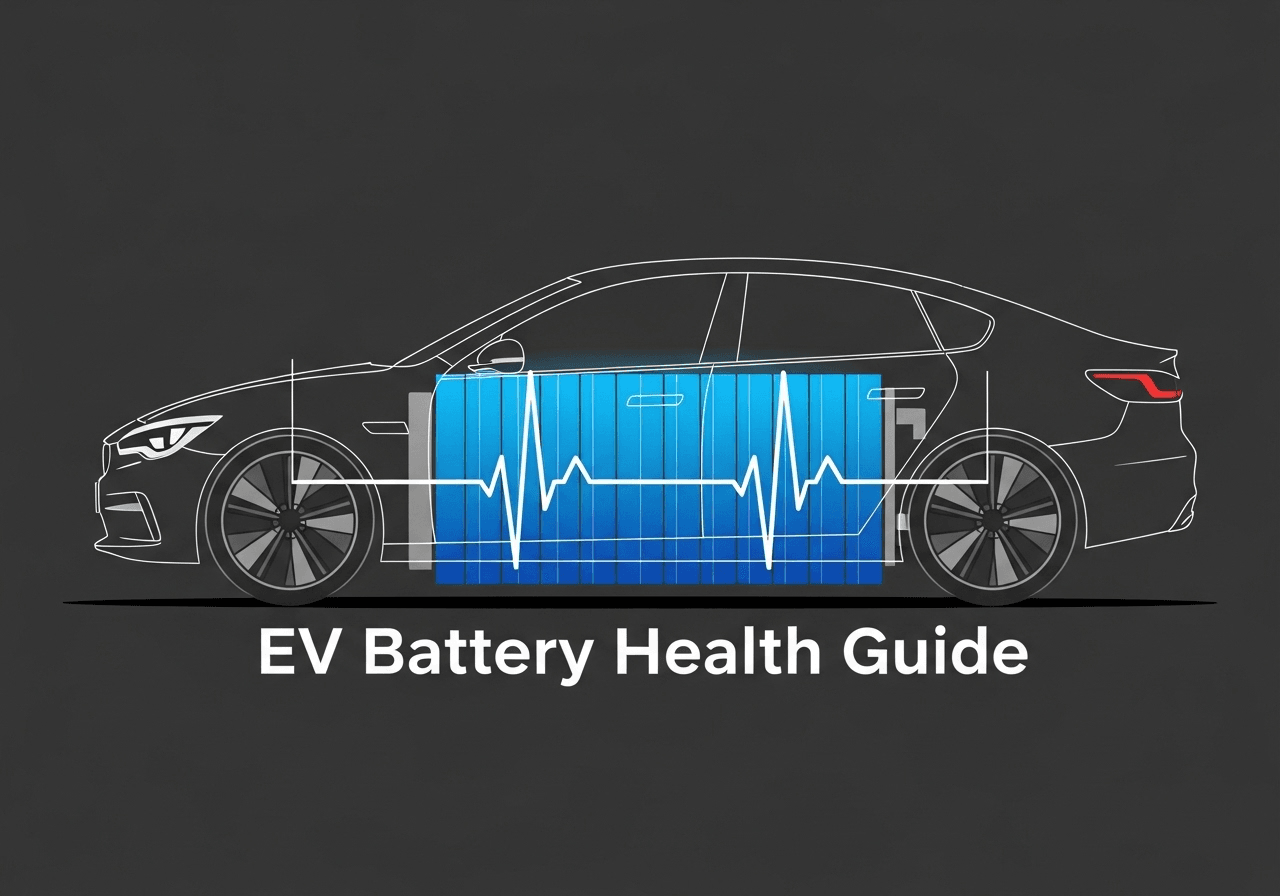
Let’s talk about the elephant in the room: the battery.
When I got my first electric car, I was thrilled. The silent acceleration, the smooth ride, the freedom from petrol bunks… it was amazing. But a tiny, nagging thought was always in the back of my mind: “Am I hurting the battery?”
The battery is the heart of your EV, and let’s be honest, it’s the most expensive part. You hear all sorts of crazy advice online—charge it to 100%, never charge it to 100%, don’t use fast chargers, only use fast chargers. It’s enough to give you anxiety every time you plug in.
After years of owning EVs and spending countless hours sifting through engineering manuals and talking to experts, I’ve learned a simple truth: keeping your battery healthy is actually easy. You just need to build a few simple habits.
Forget the complicated science. I’m going to break down the five simple, golden rules I follow to protect my car’s battery and its long-term value.
The 5 Golden Rules of a Happy EV Battery
Think of these less as “rules” and more as “gentle suggestions” from your car’s battery.
Rule #1: Think of Your Battery Like Your Phone (The 80/20 Rule)
This is the most important rule of all. Do you charge your phone to 100% and then run it until it dies every single day? Probably not. Your phone and your car use the same type of battery (lithium-ion), and they both have the same preference: they are happiest when they aren’t completely full or completely empty.
Your New Daily Habit: For your day-to-day driving, try to keep your battery’s charge level somewhere between 20% and 80%.
How to do it: Most EVs have a simple setting where you can set a charging limit. I have mine set to 80%. I plug it in when I get home, and it automatically stops when it hits that level. I only charge to 100% when I know I’m going on a long road trip the next day. It’s that simple.
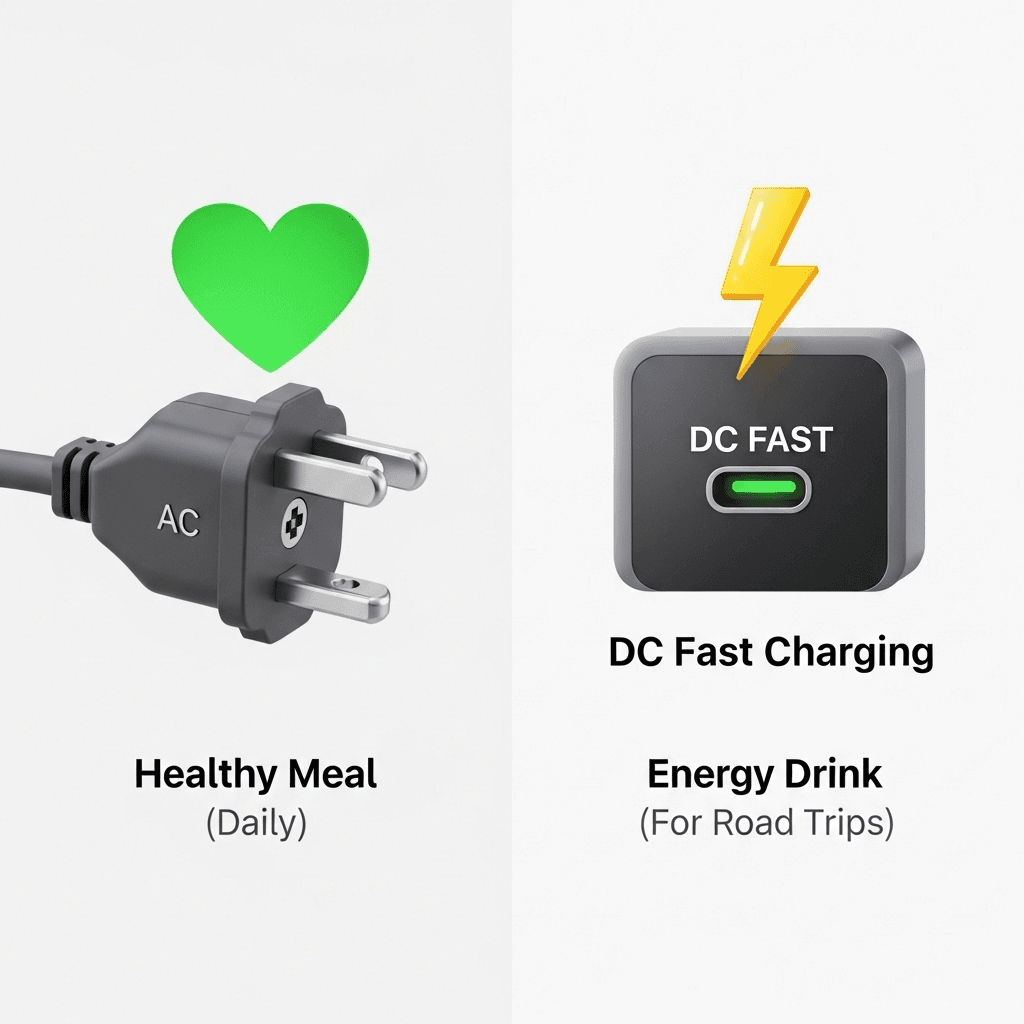
Rule #2: Home Charging is a “Meal,” DC Fast Charging is “Energy Drink”
You’ll hear people worry that DC Fast Charging (the big, powerful chargers you find on the highway) will “damage” your battery. Let’s clear this up.
AC Charging (Your Home Charger): This is a slow, gentle charge. Think of it as a healthy, balanced meal for your battery. It’s the best way to charge on a regular basis.
DC Fast Charging (On the Highway): This is a powerful blast of energy. Think of it as a can of Red Bull. It’s incredibly useful when you need energy quickly on a road trip, but you wouldn’t want to live on it every single day.
The Simple Truth: Using a DC fast charger on road trips is perfectly fine. Your car is designed for it. But if you have the choice, charging at home is always the healthiest option for the battery’s long-term lifespan.
Rule #3: Your Battery Likes the Same Weather You Do
Your battery is a bit like you—it doesn’t like being left in extreme heat or extreme cold for long periods. This is especially true if the battery is at 100% or very low (under 10%).
Your New Habit: You don’t need to build a climate-controlled garage. Just use common sense. On a scorching hot day, park in the shade if you can. If you’re leaving your car parked for a week during a freezing cold snap, try to leave it with a medium state of charge, not nearly empty.
Rule #4: Drive Smoothly (Most of the Time)
One of the best things about an EV is that instant, thrilling acceleration. It’s fun, and you should definitely enjoy it! But just know that flooring it from every single traffic light puts a lot of strain on the battery, just like sprinting everywhere would be exhausting for a person.
The Simple Truth: A smooth driving style is healthier for the battery (and your range!). You don’t have to drive like a grandparent, but just being mindful that aggressive acceleration draws a massive amount of power will naturally help you be a bit gentler on your battery day-to-day.
Rule #5: Don’t Store It Full or Empty
If you’re going on vacation and leaving your car unplugged for a few weeks, what should you do? It’s simple.
The Hibernation Rule: The ideal state to leave an EV battery for long-term storage is around 50% to 60% charge. Leaving it at 100% for weeks puts stress on the battery cells, and leaving it near 0% risks it draining too far.
Okay, But How Do I Know if My Battery is Healthy?
You might hear the term “State of Health” or SOH. Think of it like a report card for your battery. When your car was new, its SOH was 100%. Over time, it might drop to 98%, 95%, and so on. This is called degradation, and it’s a completely normal and expected part of owning an EV. A 1-2% drop per year is typical.
Most cars don’t show you this number on the dashboard. If you’re really curious, you can check it using third-party apps with a device called an OBD2 scanner, but honestly, you don’t need to obsess over it.
The most important thing to know is that your car’s battery is covered by a very long warranty (usually 8 years) that guarantees it won’t degrade past a certain point (usually 70%).
Let’s Bust Some Myths
Myth: You should drain your battery to 0% every once in a while.
The Truth: Nope! That was for old-school batteries. For modern EV batteries, this is actually a bad habit.
Myth: My battery could just die suddenly one day.
The Truth: EV batteries don’t just “die” like a phone. They degrade very, very slowly over many years. Your car’s management system gives you plenty of warning if there’s ever an issue.
The Bottom Line: Don’t Stress, Just Drive
You bought an EV to enjoy it, not to have another thing to worry about. The truth is, modern EV batteries are incredibly robust. You don’t have to follow these rules perfectly. They are simply guidelines to help you form gentle habits.
So, to summarize:
Charge to 80% for daily driving.
Use your home charger when you can.
Try to avoid extreme heat when parked.
Drive smoothly most of the time.
Do that, and you’ll be giving your battery a long, healthy, and happy life. Now go enjoy your drive.
Suhas Shrikant is the founder of Vecharged and an engineering enthusiast specializing in high-power off-grid solar systems. He has designed and built over a dozen custom systems and uses his hands-on, field-tested experience to create Vecharged’s expert guides and reviews.
Vecharged is the consumer protection and education initiative of Cleanpower.eco, an organization dedicated to providing a clear, unbiased, and authoritative voice in the clean energy transition. The experts at Cleanpower.eco recognized a critical crisis of trust: the shift to electric vehicles and solar power is one of the most important and expensive decisions a family will make. Yet, the landscape is flooded with biased reviews, confusing marketing, and paid-for endorsements. Vecharged was created to be the shield against that confusion. We were founded on a simple, non-negotiable constitution: We are radically independent. We accept no advertising, sponsorships, or paid placements from any product manufacturer. We have no commercial interest in the products we review. Our only metric for success is your empowerment. Our loyalty is to you, the consumer. Full stop. We ground our brutally honest, hands-on analysis in a deep, foundational understanding of the engineering. We are not just reviewers; we are your advocates.
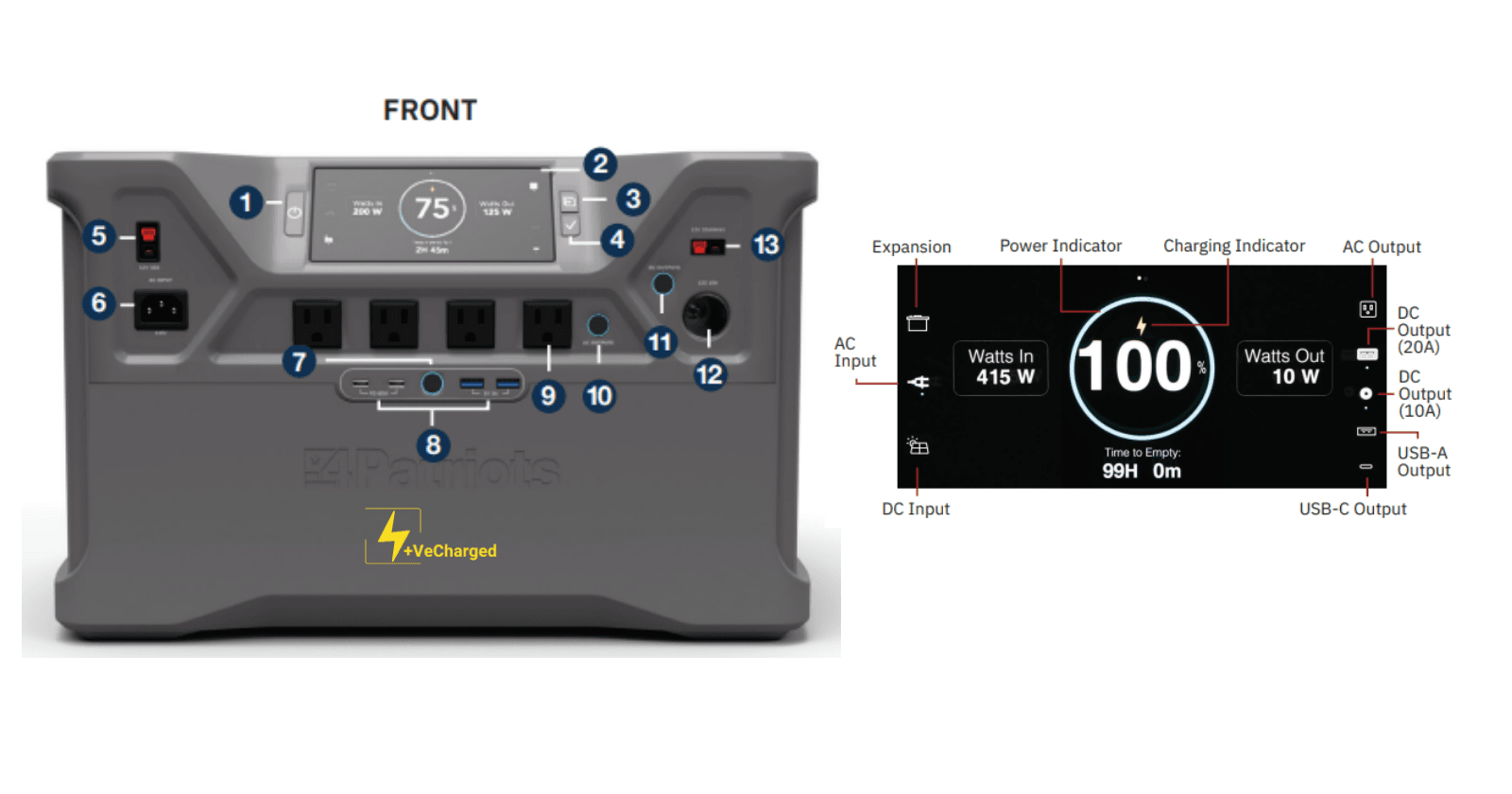
You’ve just unboxed your Patriot Power Generator 2000X. You can feel the potential—the promise of backup power for your family, or off-grid energy for your next adventure. But you’re also looking at a 55-pound piece of technology and a dense, 32-page user manual filled with technical warnings. You don’t need a lawyer’s brief; you need
You’ve seen the ads, likely during a late-night news broadcast or in your social media feed. The messaging from 4Patriots is powerful, tapping into a desire for security, self-reliance, and patriotism. The products—from solar generators to 25-year survival food—promise peace of mind in an uncertain world. But before you make a purchase, you have critical
Navigating the Complex Landscape of Clean Energy Incentives to Maximize Savings and Sustainability in 2025 If you’re seriously considering investing in clean energy in 2025, you’re likely overwhelmed by the maze of federal and state incentives—each with intricate eligibility rules, deadlines, and complex tax structures. This confusion can leave you uncertain about which programs deliver
Welcome to the most critical stage of your solar journey. You’ve chosen your panels, selected an inverter, and planned your location. Now, it’s time to connect everything. While it might seem like simply plugging in cables, solar panel wiring is a science. Done correctly, it ensures your system is safe, efficient, and will generate maximum