How to Clean Solar Panels Safely & Effectively (DIY Guide)
Solar panels are fantastic eco-friendly power generators, but like any system exposed to the elements, they require occasional cleaning to maintain optimal efficiency. Dust, dirt, bird droppings, and even pollen buildup can reduce the amount of sunlight reaching the photovoltaic cells, impacting your energy production.
This guide equips you with the knowledge and steps for safe and effective solar panel cleaning, ensuring your sunshine collectors keep generating clean power at their full potential.
When to Clean Your Solar Panels:
Generally: Most manufacturers recommend cleaning your solar panels at least once or twice a year.
Environmental Factors: Consider cleaning more frequently if you live in an area with:
High dust or pollen levels
Heavy bird droppings
Proximity to industrial areas or construction zones
Frequent rain (may wash away most dirt)
Performance Monitoring: Keep an eye on your solar panel system’s performance data. A noticeable drop in energy production compared to historical data or similar weather conditions can indicate the need for cleaning.
Safety First:
Turn Off the System: Before starting any cleaning, ensure your solar panel system is completely shut down from the inverter. This can often be done through a disconnect switch.
Work During Cool Weather: Avoid cleaning solar panels during the hottest part of the day. The heat can cause the water to evaporate quickly, leaving streaks and potentially harming the panels. Early mornings or evenings are ideal.
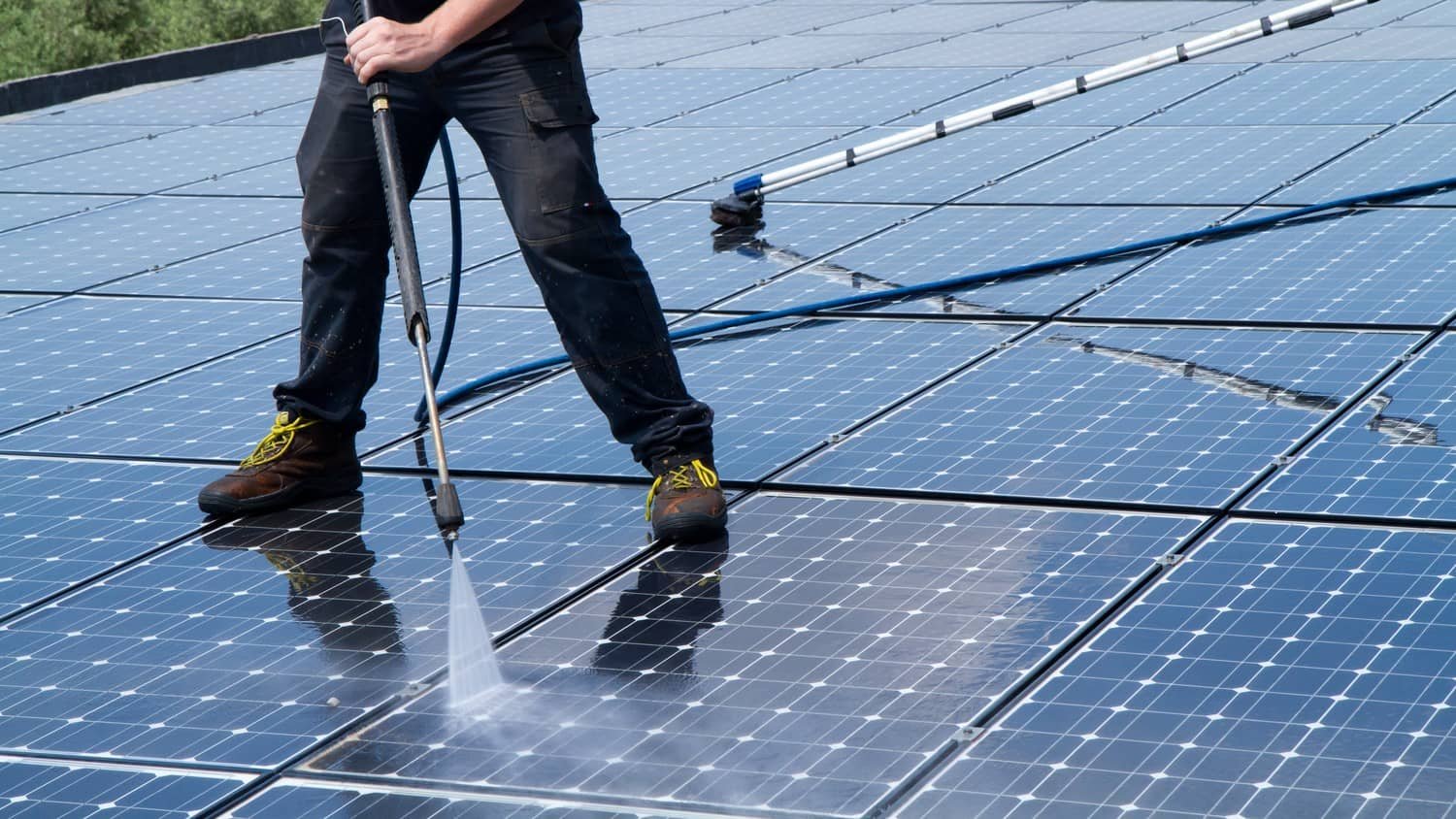
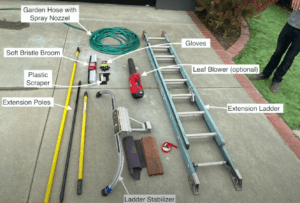
Garden hose with a gentle spray nozzle (avoid high-pressure washers)
Bucket filled with clean, lukewarm water (you can add a small amount of mild dish soap)
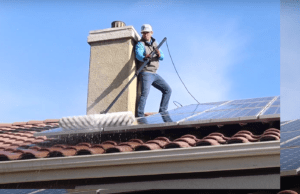
Work Safely: If your solar panels are on a roof, ensure you have proper safety gear like slip-resistant shoes and a harness if necessary. It’s always best to work with a partner for any cleaning on a roof.
Cleaning Steps:
1. Pre-Rinse:
Use the hose with a gentle spray nozzle to loosen and remove any loose dirt, dust, or debris. Start at the top of the panels and work your way down.
2. Cleaning Solution:
Dip your sponge or microfiber cloth in the soapy water and gently wipe the panels in a circular motion. Work in sections and rinse the cloth frequently to avoid spreading dirt.
3. Final Rinse:
After cleaning all the panels, give them a final rinse with clean water using the hose. Ensure all soap residue is removed.
4. Squeegee (Optional):
If using a squeegee, gently pull it down the panels to remove any excess water and avoid water spots.
Additional Tips:
Clean on Cloudy Days: Direct sunlight can cause the water to dry too quickly, making cleaning less effective.
Work Systematically: Clean your panels in sections to ensure you don’t miss any spots.
Inspect Regularly: During cleaning, take a moment to inspect your panels for any cracks, damage, or loose connections. Report any issues to a qualified solar panel technician.
Professional Cleaning: For large or high-mounted solar panel systems, consider hiring a professional cleaning service with the appropriate equipment and safety protocols.
Suhas Shrikant is the founder of Vecharged and an engineering enthusiast specializing in high-power off-grid solar systems. He has designed and built over a dozen custom systems and uses his hands-on, field-tested experience to create Vecharged’s expert guides and reviews.
Vecharged is the consumer protection and education initiative of Cleanpower.eco, an organization dedicated to providing a clear, unbiased, and authoritative voice in the clean energy transition. The experts at Cleanpower.eco recognized a critical crisis of trust: the shift to electric vehicles and solar power is one of the most important and expensive decisions a family will make. Yet, the landscape is flooded with biased reviews, confusing marketing, and paid-for endorsements. Vecharged was created to be the shield against that confusion. We were founded on a simple, non-negotiable constitution: We are radically independent. We accept no advertising, sponsorships, or paid placements from any product manufacturer. We have no commercial interest in the products we review. Our only metric for success is your empowerment. Our loyalty is to you, the consumer. Full stop. We ground our brutally honest, hands-on analysis in a deep, foundational understanding of the engineering. We are not just reviewers; we are your advocates.
Your definitive guide to electric dirt bikes in the UK for 2025 and 2026. We cover the latest UK regulations, age requirements, the best new models for kids and adults, up-to-date prices, and answers to all the most important questions. Why Trust This Guide? This is the only electric dirt bike resource combining hands-on advice,
The Nissan Ariya is one of the world’s most searched-for electric SUVs, but buyers online have dozens of practical, unanswered questions. If you want real-world, high-authority answers—including price, range, charging, “how to” tricks, where the Ariya is made, and pro buying tips—this definitive FAQ is for you. Nissan Ariya Interactive FAQ & Owner Guide 2025
You’ve fallen for the Nissan Ariya. You’ve admired its stunning “Japanese lounge” interior, its smooth ride, and its compelling new price. But now, as you get closer to ownership, the real, practical questions start to surface. The questions the brochure doesn’t always answer. How much will it really cost to charge? How long does it actually take? And what
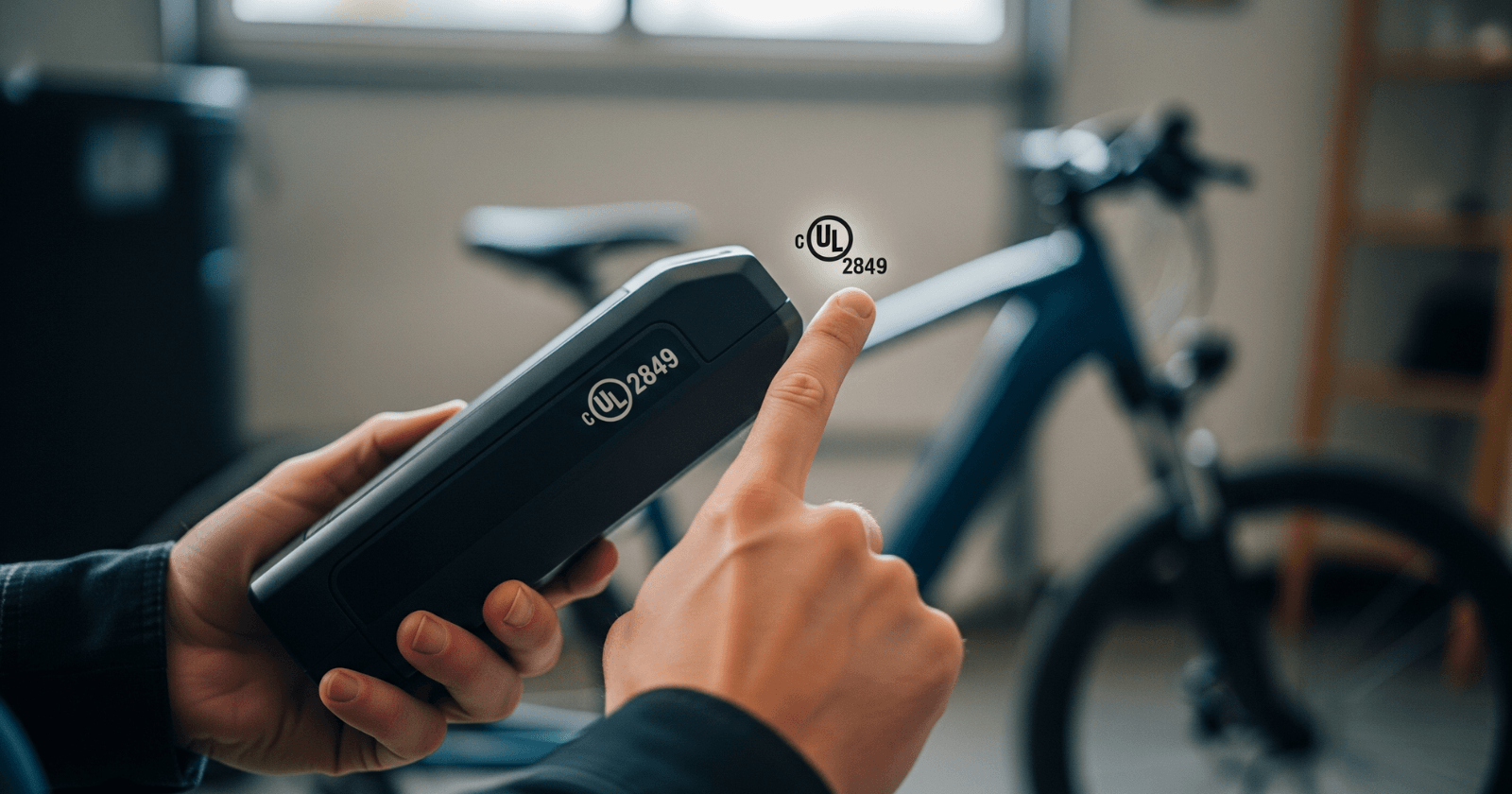
The Startling Truth Behind E-Bike Battery Fires Videos showing e-bike batteries igniting into flames have shocked owners worldwide. While these incidents are rare, the consequences can be devastating. Almost every fire incident shares one common factor: the battery system involved lacked proper safety certification. As electric mobility grows globally, understanding battery safety becomes critical—not just