It’s the most important EV innovation you’ve probably never heard of. We break down the science of 800-volt architecture, why it’s a game-changer for charging speed, and which cars have it.
We’ve all been there: standing at a public charger, watching the minutes tick by. While everyone focuses on building bigger batteries, the real secret to a faster, more efficient electric future lies in a car’s electrical architecture.
For years, 400 volts has been the industry standard. But a new, vastly superior technology is here, and it’s changing the game. Welcome to the 800-volt revolution.
Interactive: 400V vs. 800V Charging Speed
77 kWh
Estimated Charge Time (10-80%)
— min
At a max charging speed of — kW
The Science, Made Simple: The Water Hose Analogy
To understand why 800V is better, you don’t need an engineering degree. You just need to think about a water hose.
Imagine the electricity charging your car is water filling a bucket. The speed at which you fill the bucket (your charging power) depends on two things: the width of the hose (Amps) and the pressure of the water (Volts).
A 400V System: To get more power, you need a very wide, thick hose. This hose is heavy, expensive, and loses a lot of energy to friction (heat).
An 800V System: Instead of a wider hose, you simply double the water pressure. This lets you push an incredible amount of water through a lighter, thinner, and more efficient hose with far less energy loss.
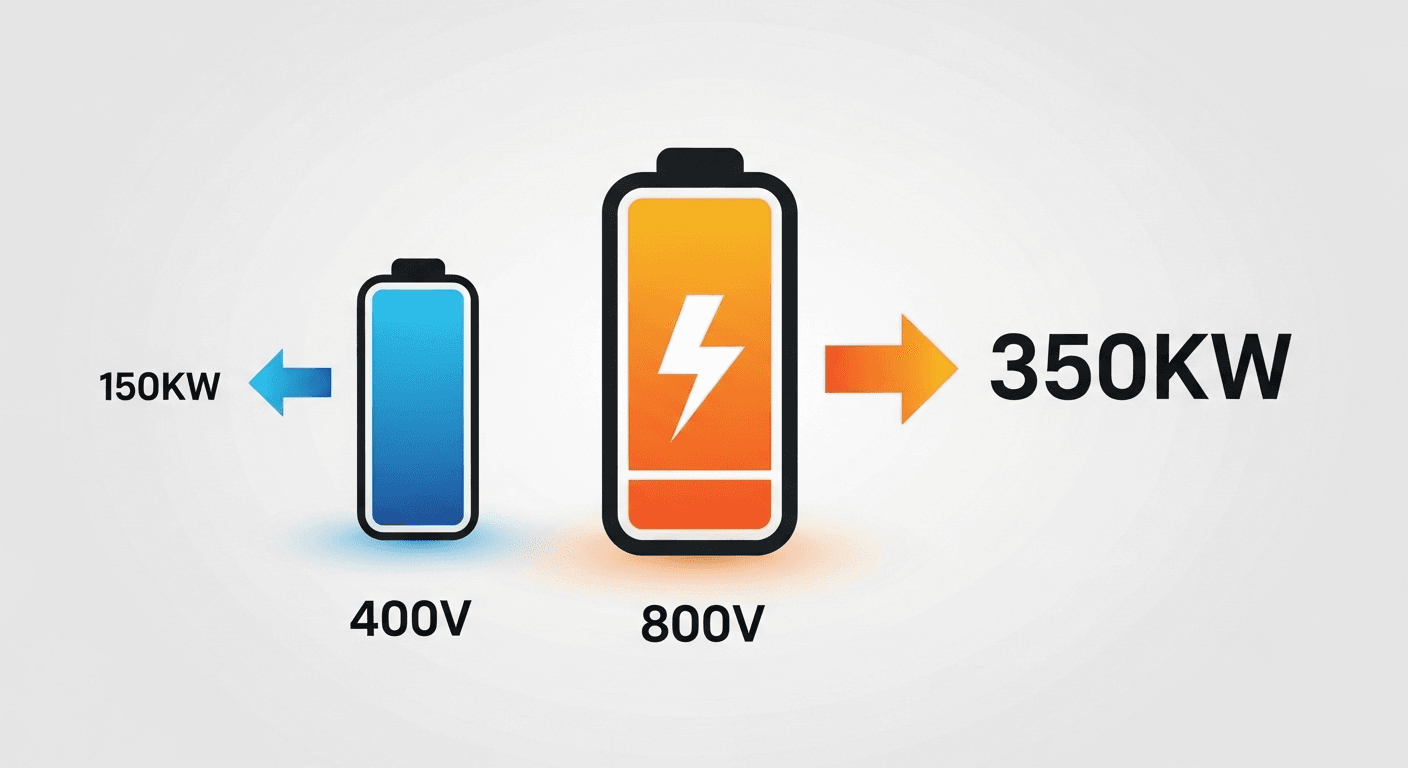
The Bottom Line: By doubling the voltage, carmakers can send the same amount of power through thinner, lighter, and cooler-running cables. This simple change has massive benefits.
The Real-World Benefits: What This Means for You
Dramatically Faster Charging: This is the headline. An 800V car can accept much higher power levels (up to 350kW) from a compatible DC fast charger. This can mean charging from 10% to 80% in under 20 minutes—turning a lunch break into a full charge.
More Consistent Performance: Because the system generates less waste heat, the charging speed is more stable and reliable. You’re less likely to see your charging speed “throttle” or slow down dramatically as the battery gets full.
Better Efficiency: Lighter cables and less energy lost to heat mean that more of the power you pay for actually makes it into your battery, slightly improving the car’s overall efficiency.
Which Cars Have 800V Architecture?
This game-changing technology, once reserved for exotic vehicles, is now a key feature in some of the most popular and forward-thinking EVs on the market.
Do I need a special “800V charger”? No. The charger and the car talk to each other. When you plug into a high-powered “350kW” charger (like those from Electrify America or ChargePoint), the charger will recognize your 800V car and deliver the power it can handle.
Can an 800V car use a standard 400V charger? Yes, absolutely. The car’s onboard systems will seamlessly manage the voltage. It will simply charge at the maximum speed the 400V charger can provide. You lose no compatibility.
Is 800V the future? All signs point to yes. It is the new benchmark for a premium, high-performance EV. As the industry pushes for charging times that are comparable to a stop at a gas station, 800V architecture is the most efficient way to get there.
Conclusion: The New Benchmark for Savvy Buyers
800-volt architecture isn’t just a number on a spec sheet; it’s a fundamental upgrade to an EV’s core a sign of a truly modern platform. As you shop for your next electric vehicle, don’t just ask about the battery size—ask about the voltage.
Suhas Shrikant is the founder of Vecharged and an engineering enthusiast specializing in high-power off-grid solar systems. He has designed and built over a dozen custom systems and uses his hands-on, field-tested experience to create Vecharged’s expert guides and reviews.
Vecharged is the consumer protection and education initiative of Cleanpower.eco, an organization dedicated to providing a clear, unbiased, and authoritative voice in the clean energy transition. The experts at Cleanpower.eco recognized a critical crisis of trust: the shift to electric vehicles and solar power is one of the most important and expensive decisions a family will make. Yet, the landscape is flooded with biased reviews, confusing marketing, and paid-for endorsements. Vecharged was created to be the shield against that confusion. We were founded on a simple, non-negotiable constitution: We are radically independent. We accept no advertising, sponsorships, or paid placements from any product manufacturer. We have no commercial interest in the products we review. Our only metric for success is your empowerment. Our loyalty is to you, the consumer. Full stop. We ground our brutally honest, hands-on analysis in a deep, foundational understanding of the engineering. We are not just reviewers; we are your advocates.
Innovations in Agrivoltaics A powerful solution is transforming agricultural landscapes: the integration of solar farms with active farming. This approach, known as agrivoltaics or dual-use solar, enables the simultaneous production of food and clean energy on the same piece of land. By mounting solar panels high above crops or livestock, this strategy optimizes land use, conserves valuable
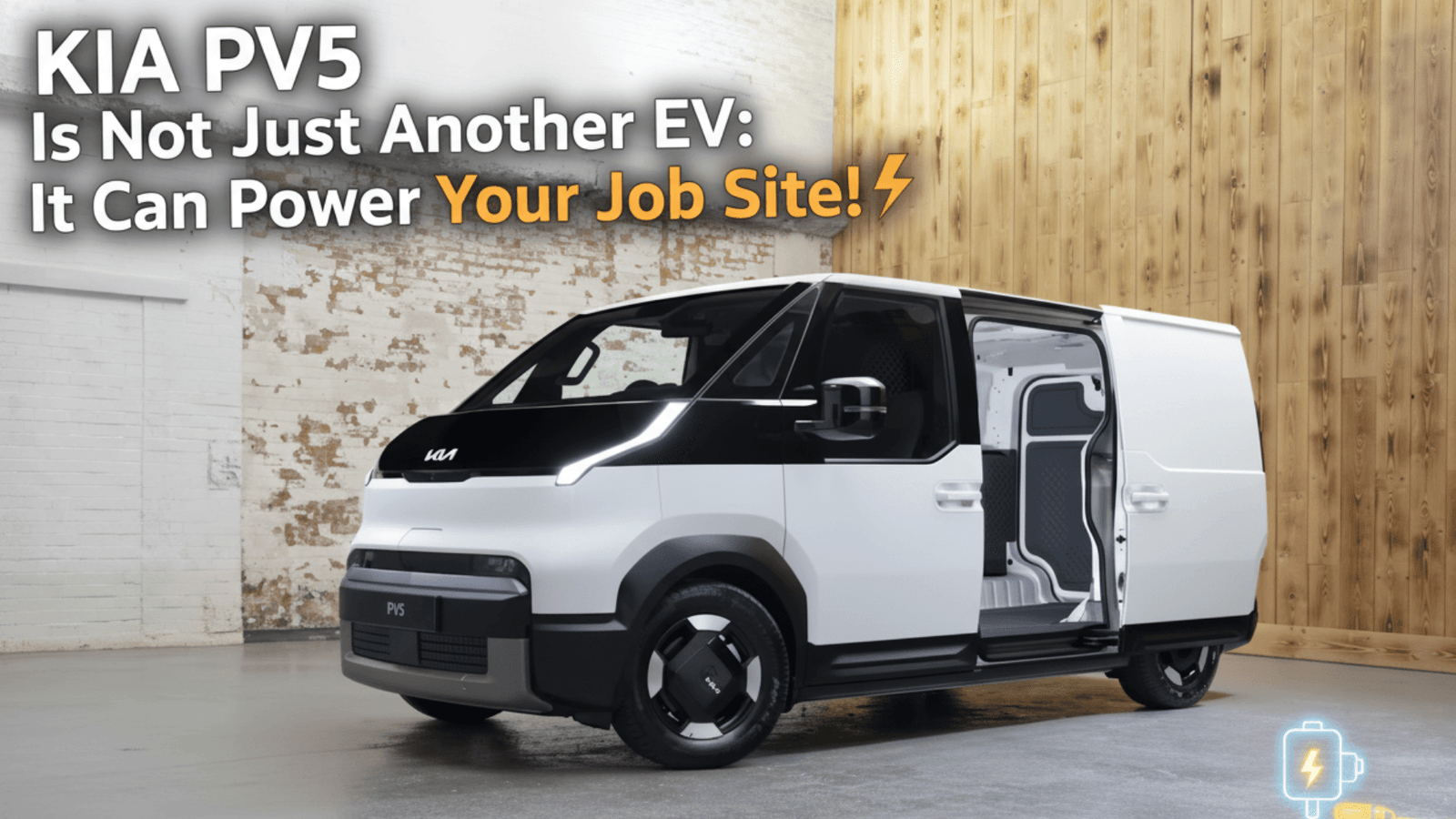
My Expert Verdict: The Kia PV5 is being hailed as a modular delivery van, but its true mission is to retire the noisy, polluting diesel generator. The key is its robust V2L (Vehicle-to-Load) system. This isn’t just about modularity for taxis; it’s about transforming the construction site. This is the my audit of why the
I was in my office the other day, and I realized something was missing: the familiar clatter and roar of the diesel delivery truck that usually rattles the windows around lunchtime. It was replaced by a near-silent, electric hum. That’s when it hit me. For years, we’ve talked about the “future” of electric delivery. But
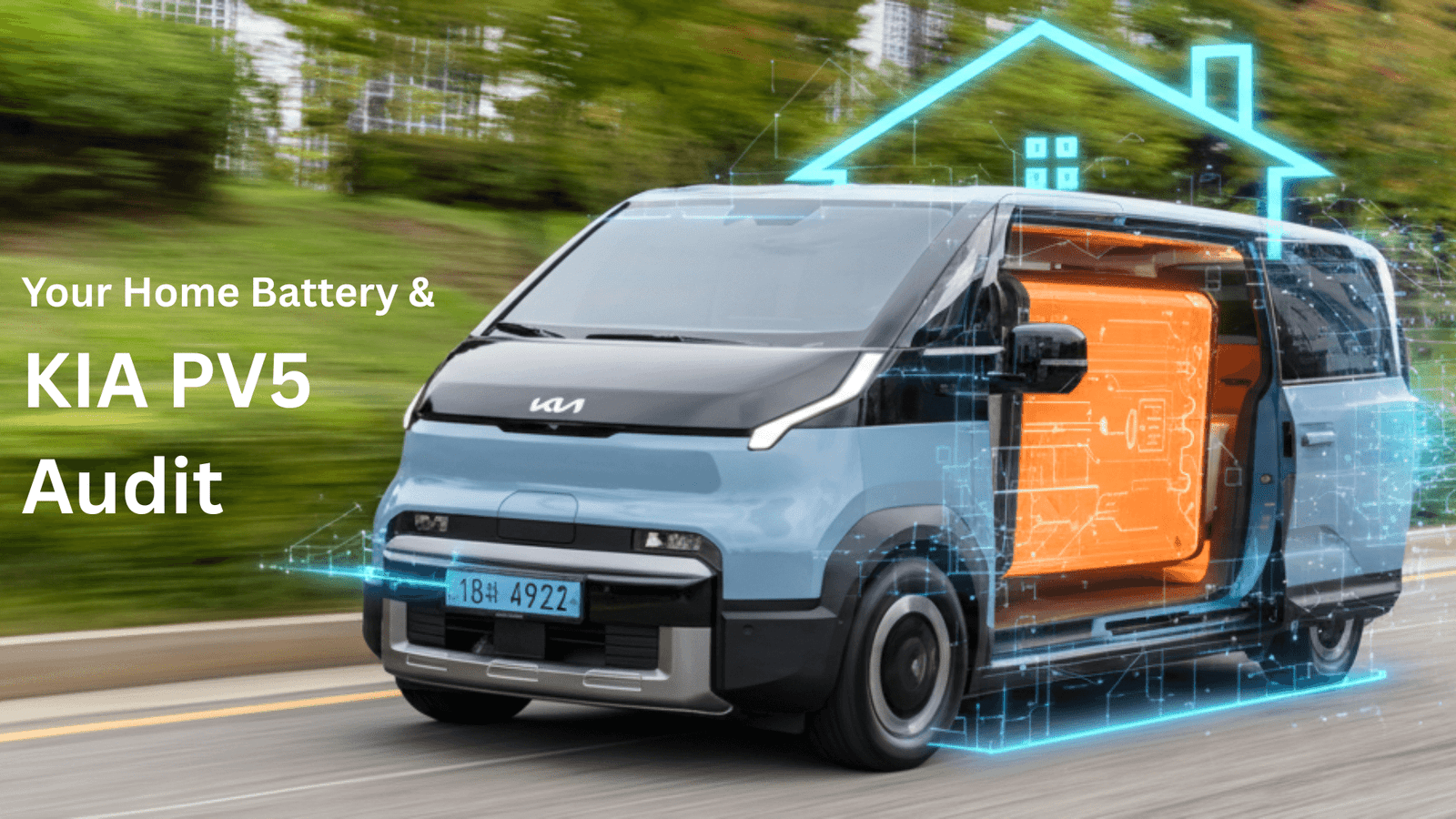
My Expert Verdict: The Kia PV5 is being hailed as a modular delivery van, but that’s a distraction. This vehicle is Kia’s most strategically important platform because it’s a massive software hub, a dynamic battery battlefield, and a Vehicle-to-Home (V2H) Trojan horse. This isn’t just about interchangeable bodies. It’s about how electric vehicles will integrate