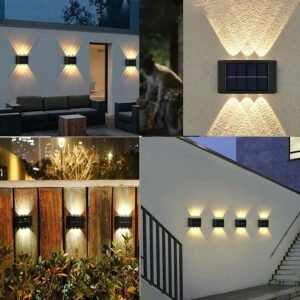
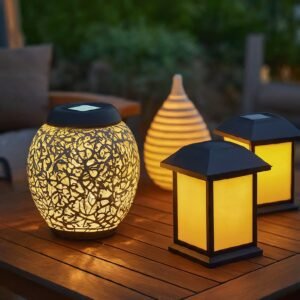
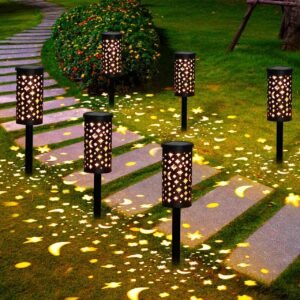
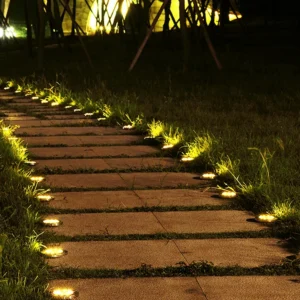
Outdoor solar lights have become increasingly popular in recent years due to their energy efficiency and convenience. These lights harness the power of the sun to provide illumination for outdoor spaces, without the need for traditional electrical wiring or batteries. In this article, we will explore the different types of outdoor solar lights that are commonly available in the market.
Here’s a breakdown of the different types of outdoor solar lights commonly available:
Decorative lights designed to float on the water’s surface.
Additional Factors to Consider
Brightness: Measured in lumens. Higher lumens mean brighter light.
Color Temperature: Warm white (yellowish) for ambiance, cool white (bluish) for task and security lighting.
Features: Motion sensors, adjustable brightness, color-changing options, etc.
Here’s a breakdown of various use cases for outdoor solar lights:
Safety and Security
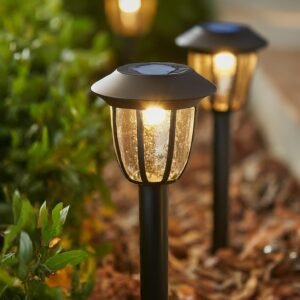
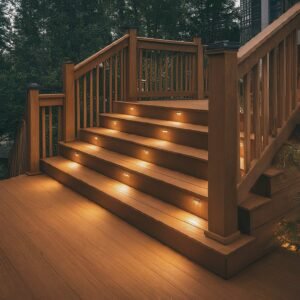
Pathway and Step Illumination: Guide movement safely around gardens, walkways, decks, and stairs at night.
Security Floodlights: Motion-activated lights can deter intruders and illuminate entryways.
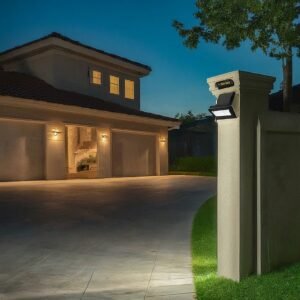
Driveway Lights: Bright lights ease navigation and highlight potential hazards.
Ambiance and Aesthetics
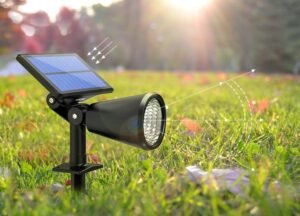
Highlighting Landscape Features: Use spotlights to accentuate trees, sculptures, or water features.
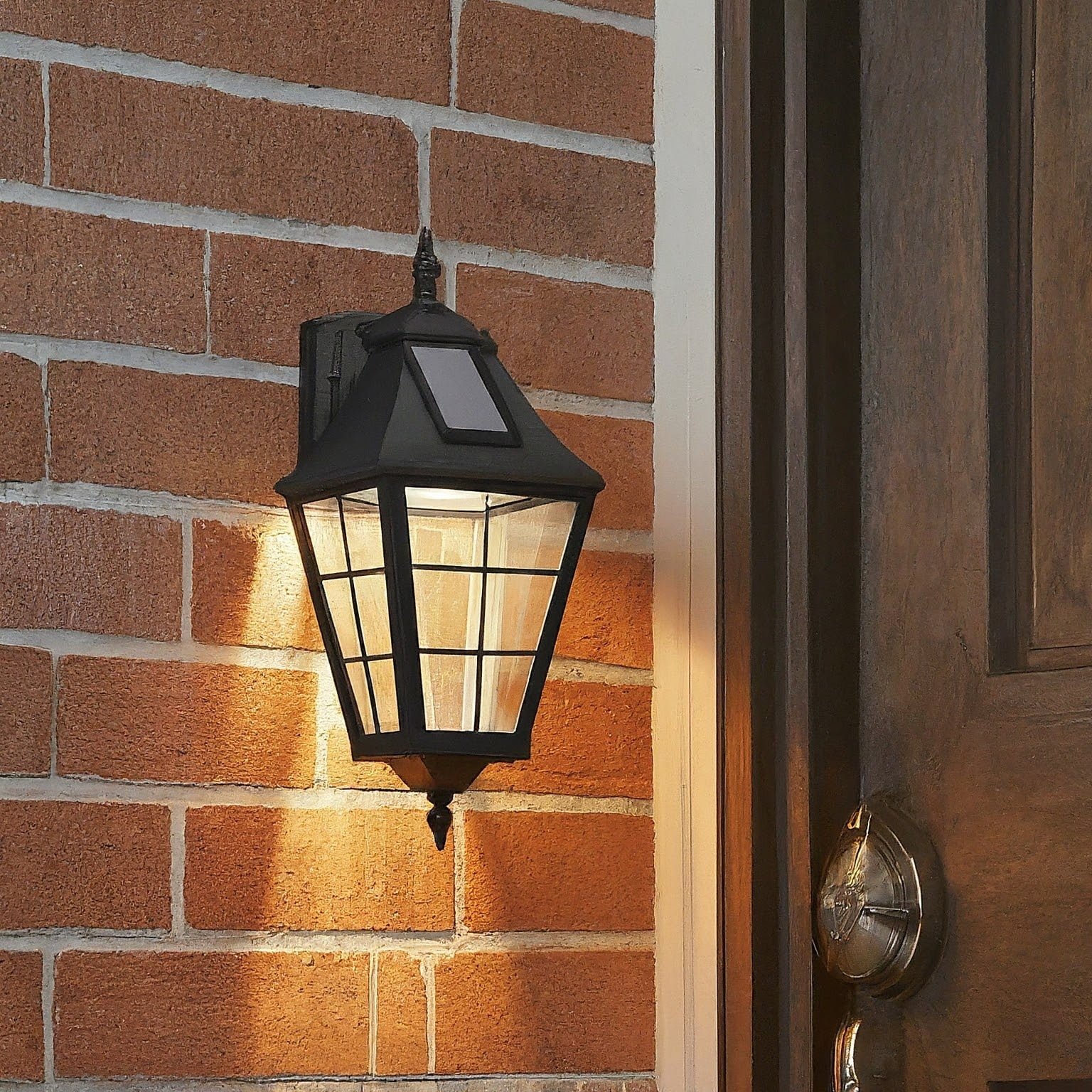
Patio and Deck Lighting: String lights, lanterns, and wall lights create a cozy atmosphere for outdoor relaxation or entertaining.
Garden Accents: Stake lights and fairy lights add a touch of whimsy to flowerbeds and borders.
Functionality
Address Numbers Spotlights can make your house number clearly visible for emergency services or visitors.
Poolside Lighting: Floating lights add ambiance while providing some illumination around a pool.
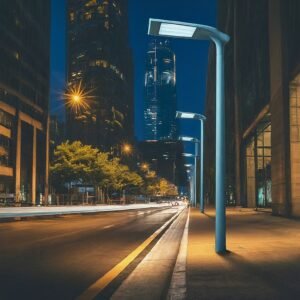
Street and Parking Lot Illumination: Solar street lights can power lighting in areas where grid power is unavailable or costly.
Eco-Friendly & Cost-Effective
Reduced Energy Bills: Solar lights offset reliance on electricity, lowering your power consumption.
Minimal Wiring: Self-contained solar lights often require little to no installation, saving on materials and labor.
Sustainable Choice: Choosing solar aligns with environmentally-conscious practices.
Additional Ideas
Holiday Decorations: Solar-powered string lights add festive cheer without adding to your energy bill.
Camping & Outdoor Activities:Portable solar lanterns are perfect for off-grid adventures.
How do I clean outdoor solar lights?
Use a soft cloth dampened with water and mild soap. Wipe gently, especially on solar panels. For grime, a toothbrush can reach into crevices. Avoid harsh chemicals which might damage the materials.
How do I clean solar panels on outdoor lights?
Follow the same cleaning guidelines above. Ensure the lights are OFF before cleaning.
How can I make my outdoor solar lights brighter?
Regular cleaning removes dust and debris buildup, maximizing light absorption
Why are my outdoor solar lights not working?
Check the batteries: Ensure they’re inserted correctly, aren’t corroded, and have sufficient charge. Inspect the light sensor: Clean debris and make sure it’s exposed to sunlight. Look for damage: Check wiring or the solar panel for cracks or breaks.
Why do outdoor solar lights stop working?
Battery failure: Rechargeable batteries degrade over time and need replacing. Insufficient sunlight: Prolonged cloudy weather or shade limit the charge. Panel degradation: Solar panels can lose efficiency slowly over the years.
Why are my outdoor solar lights blinking?
This can indicate battery problems or a malfunctioning circuit. Try replacing the batteries first.
How do outdoor solar lights work?
Their solar panel absorbs sunlight, converts it into electricity, and stores it in the battery. A sensor detects darkness and turns the lights on at night.
What are the best outdoor solar lights?
“Best” depends on your needs:Path lights: For ambience Spotlights: To highlight features Floodlights: For security and general illumination String lights: For decoration Consider brightness, durability, features (motion sensors, color-changing), and reviews before buying.
What is the best lumen for outdoor solar lights?
It depends on your purpose:Soft path lighting: 10-100 lumens Spotlights: 100 lumens or higher Security floodlights: As bright as possible
How do I install outdoor solar lights?
Most have easy installation:Stake lights: Push into the ground. Wall lights: Simple mounting with screws String lights: Hang flexibly Follow specific instructions that come with your lights.
How do I use solar lights outdoors effectively?
Place the solar panel in an area with direct sunlight most of the day. Avoid shade from trees or buildings.
What kind of batteries do outdoor solar lights use?
Mostly rechargeable NiMH batteries in various sizes (e.g., AA, AAA).
What are the disadvantages of solar outdoor lights?
Dependency on sunlight: Cloudy days or shady placement affects performance. Generally less bright than wired lights. Batteries may need replacing over time.
Suhas Shrikant is the founder of Vecharged and an engineering enthusiast specializing in high-power off-grid solar systems. He has designed and built over a dozen custom systems and uses his hands-on, field-tested experience to create Vecharged’s expert guides and reviews.
Vecharged is the consumer protection and education initiative of Cleanpower.eco, an organization dedicated to providing a clear, unbiased, and authoritative voice in the clean energy transition. The experts at Cleanpower.eco recognized a critical crisis of trust: the shift to electric vehicles and solar power is one of the most important and expensive decisions a family will make. Yet, the landscape is flooded with biased reviews, confusing marketing, and paid-for endorsements. Vecharged was created to be the shield against that confusion. We were founded on a simple, non-negotiable constitution: We are radically independent. We accept no advertising, sponsorships, or paid placements from any product manufacturer. We have no commercial interest in the products we review. Our only metric for success is your empowerment. Our loyalty is to you, the consumer. Full stop. We ground our brutally honest, hands-on analysis in a deep, foundational understanding of the engineering. We are not just reviewers; we are your advocates.
Selling an electric car is very different from selling a petrol or diesel vehicle. Buyers today care less about the odometer and more about battery health, charging history, warranty coverage, and software features. The good news is that a well-maintained EV can still command strong resale value if you prepare it properly. This guide gives
By Rahul — EV owner, reviewer, and long-time clean energy enthusiast Financing or leasing an electric car in early 2026 is not the same as it was just one year ago. The biggest shift was the end of all federal EV tax credits on September 30, 2025, including: Manufacturers can no longer claim any of
By Rahul — EV Enthusiast & Automotive Analyst at VeCharged ⚠️ Important Disclaimer (Must Read) The Clean Vehicle Credit program (new EV $7,500 credit + used EV $4,000 credit) ended on September 30, 2025. This single policy change fundamentally shifts the cost comparison between new and used EVs. If you’re planning to buy or sell
For the last decade, the electric vehicle revolution was defined by range, speed, and charging networks. As we close out 2025, the conversation is fundamentally shifting. For a growing number of buyers, the most important feature of their next car won’t be how it drives—but how it powers their life when it’s parked. Vehicle-to-Home (V2H)