The Government of India’s National Portal for Rooftop Solar aims to simplify the process of installing solar panels on your home or business. This guide walks you through every step, from registering on the portal to commissioning your system and enjoying the benefits of clean energy.
Prerequisites:
A stable internet connection
Details of your electricity distribution company (DISCOM)
Consumer number associated with your electricity bill
Mobile phone number for OTP verification
Roof ownership documents (if applicable)
Steps to Apply on the National Portal for Rooftop Solar
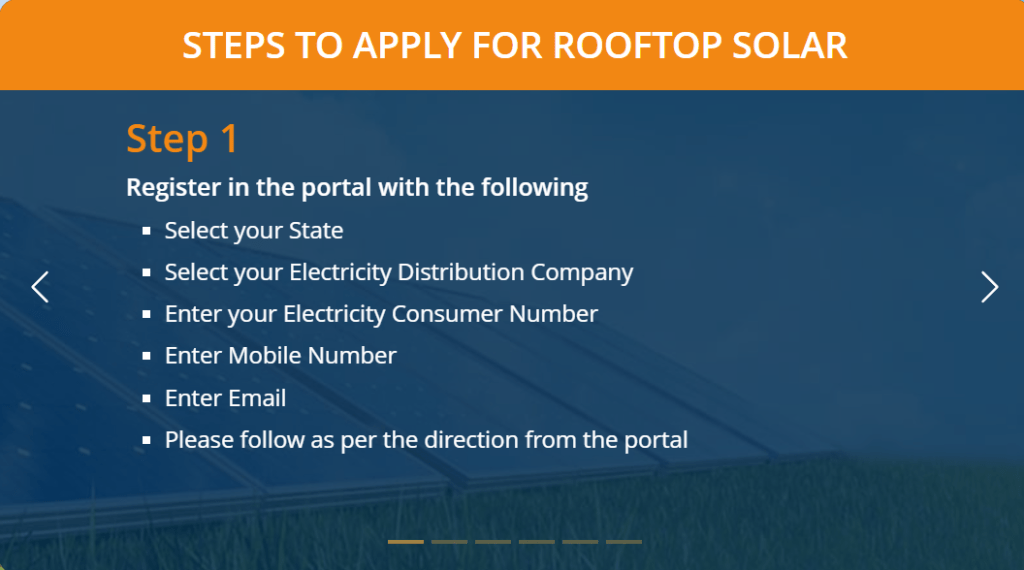
Click on “New User Registration” and provide the required information.
You’ll receive a One-Time Password (OTP) on your registered mobile number. Enter the OTP to verify your registration.
Login and Project Details:
Log in using your registered credentials.
Click on “Apply for Rooftop Solar.”
The portal will guide you through entering your project details, including:
Consumer Category: Select “Residential” or “Commercial” based on your property type.
DISCOM: Choose your electricity distribution company from the dropdown menu.
Consumer Details: Enter your consumer number and other details as mentioned in your electricity bill.
Sanctioned Load: This information can be found on your electricity bill.
Proposed Rooftop Solar Capacity: Carefully consider your electricity needs and choose a capacity that meets your hot water or power requirements.
Rooftop Details:
Provide details about your rooftop, including:
Roof Area: Measure the usable area of your rooftop suitable for solar panel installation.
Roof Type: Select the type of roof (flat, sloped, etc.) from the options provided.
Shading Impact: Indicate if there are any obstructions like trees or buildings that might cast shadows on your rooftop.
Selection of Channel Partner:
The portal allows you to choose a channel partner (solar power installer) from a pre-approved list.
You can filter the list based on your location or request customized quotes from multiple vendors.
System Specifications and Sanction Letter:
After selecting a channel partner, the portal will display the proposed system specifications, including the number of solar panels, inverter capacity, and estimated electricity generation.
Review these details carefully and confirm your project details.
The DISCOM will then assess your application and issue a sanction letter if approved.
Installation and Net Metering:
The chosen channel partner will handle the installation process, following safety regulations and best practices.
Net metering allows you to earn credits for excess electricity generated by your solar system and fed back to the grid.
Your DISCOM will install a net meter to track energy consumption and generation.
System Commissioning and Monitoring:
Once the installation is complete and inspected by the DISCOM, your solar rooftop system will be commissioned, and you can start using clean solar energy.
The National Portal offers a user dashboard to monitor your system’s performance, track energy generation, and manage your net metering credits.
Additional Tips:
Rooftop Assessment: Consider getting a professional rooftop assessment to determine its suitability for solar panel installation and identify any potential challenges.
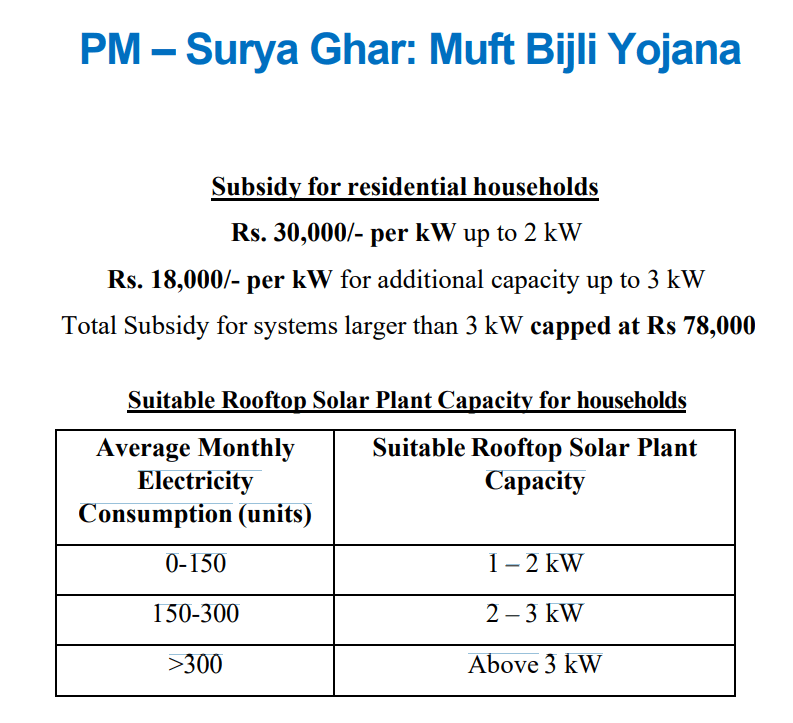
Financial Incentives: Explore government subsidies and loan options available for rooftop solar installations in your state.
Maintenance: Regularly clean your solar panels to optimize their efficiency and ensure a long lifespan for your system.
FAQs: National Portal for Rooftop Solar
Q. What types of buildings are eligible for rooftop solar through the portal?
A. Residential, commercial, government, non-profit, and educational institutions can all apply. There may be specific exclusions, so check the portal’s detailed eligibility criteria.
Q. Is there a minimum or maximum capacity for the solar system I can install?
A. The portal has no set minimum, but your electricity provider may have its own limitations. Maximum capacity limits are generally based on your current sanctioned load (from your electricity bill).
Q. How long does the entire process take, from application to commissioning?
A. Timelines can vary depending on DISCOMs and vendor workload. Ideally, the process should be completed within 30-60 days. Factors like complex roof design or monsoon season could cause delays.
Q: Are there any upfront costs or fees associated with applying through the portal?
A: Application on the portal itself is generally free. However, you’ll need to pay your chosen installation company for the system and installation costs.
Q. What if I’m not satisfied with the work of the channel partner I selected?
A. The portal should have a grievance redressal mechanism. Contact the portal’s support team for guidance. Document any issues thoroughly to strengthen your case.
Q. Can I get financing for my rooftop solar project?
A. Many banks offer loans specifically for rooftop solar installations. Check the portal and your local banks for their financing schemes and eligibility requirements.
Q. What happens if my solar system generates more electricity than I use?
A. Net metering allows you to earn credits for the excess energy you send back to the grid. These credits offset your future electricity bills.
Q. Do I need any approvals beyond DISCOM approval?
A. It depends. If you live in a housing society or apartment complex, they may have additional rules or approvals needed before installation.
Suhas Shrikant is the founder of Vecharged and an engineering enthusiast specializing in high-power off-grid solar systems. He has designed and built over a dozen custom systems and uses his hands-on, field-tested experience to create Vecharged’s expert guides and reviews.
Vecharged is the consumer protection and education initiative of Cleanpower.eco, an organization dedicated to providing a clear, unbiased, and authoritative voice in the clean energy transition. The experts at Cleanpower.eco recognized a critical crisis of trust: the shift to electric vehicles and solar power is one of the most important and expensive decisions a family will make. Yet, the landscape is flooded with biased reviews, confusing marketing, and paid-for endorsements. Vecharged was created to be the shield against that confusion. We were founded on a simple, non-negotiable constitution: We are radically independent. We accept no advertising, sponsorships, or paid placements from any product manufacturer. We have no commercial interest in the products we review. Our only metric for success is your empowerment. Our loyalty is to you, the consumer. Full stop. We ground our brutally honest, hands-on analysis in a deep, foundational understanding of the engineering. We are not just reviewers; we are your advocates.
The rumble of diesel engines is gradually fading as the quiet hum of electric motors takes over fields and farms. Electric tractors are revolutionizing agriculture, offering a sustainable, efficient, and surprisingly powerful alternative to traditional machinery. Let’s take a closer look at the top contenders in the electric tractor arena: Solectrac e25: This compact workhorse
They promise zero fuel costs and insane torque, but can they handle the brutal reality of a full day’s work? As a systems designer, I’m here to tell you: they’re not just a new tractor; they’re a new way of thinking about the farm itself. My name is Suhas. For years, I’ve designed systems to
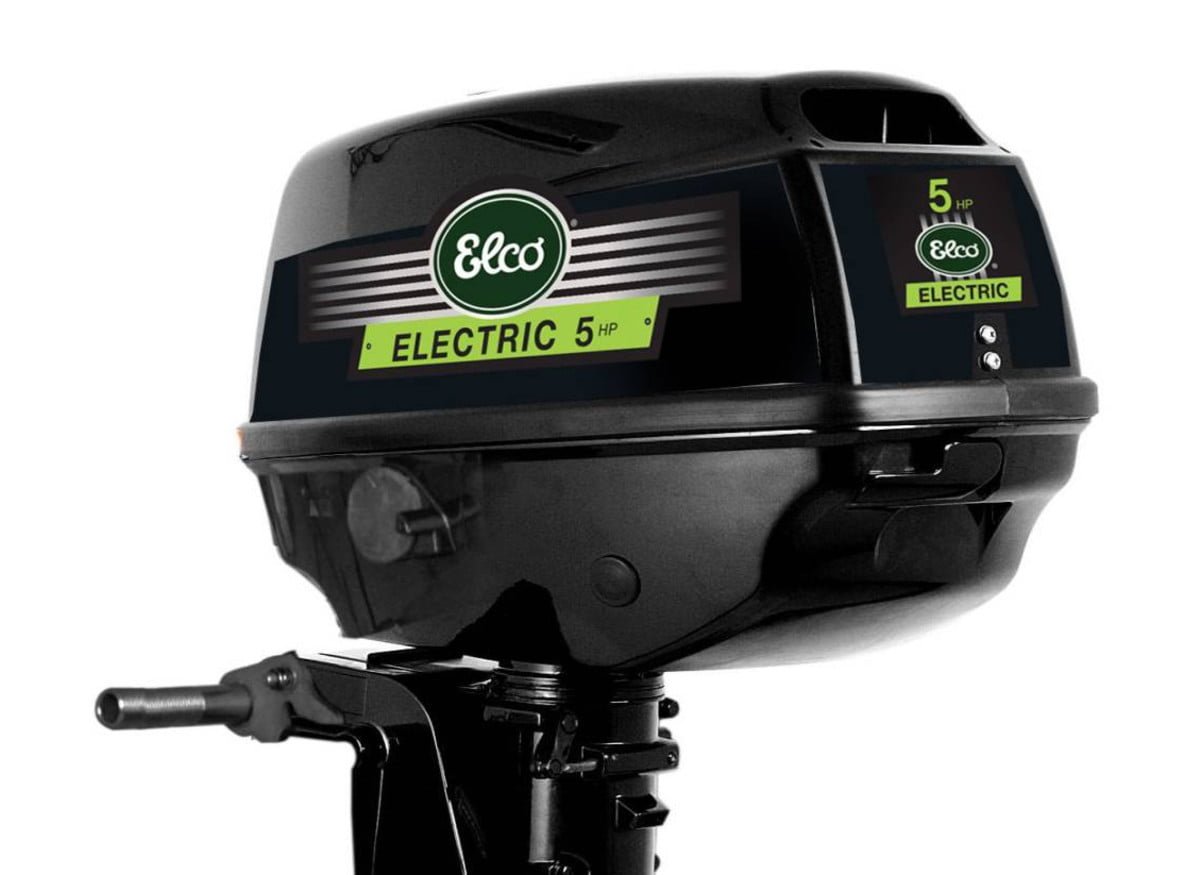
Electric boating is the wave of the future! quieter, cleaner, and easier to maintain than traditional gasoline-powered boats. Whether you’re a seasoned sailor or a curious newcomer, this guide provides everything you need to know about electric boating in 2024. Unveiling the Electric Motor: Powering Your Boating Journey Electric boat motors are similar to their
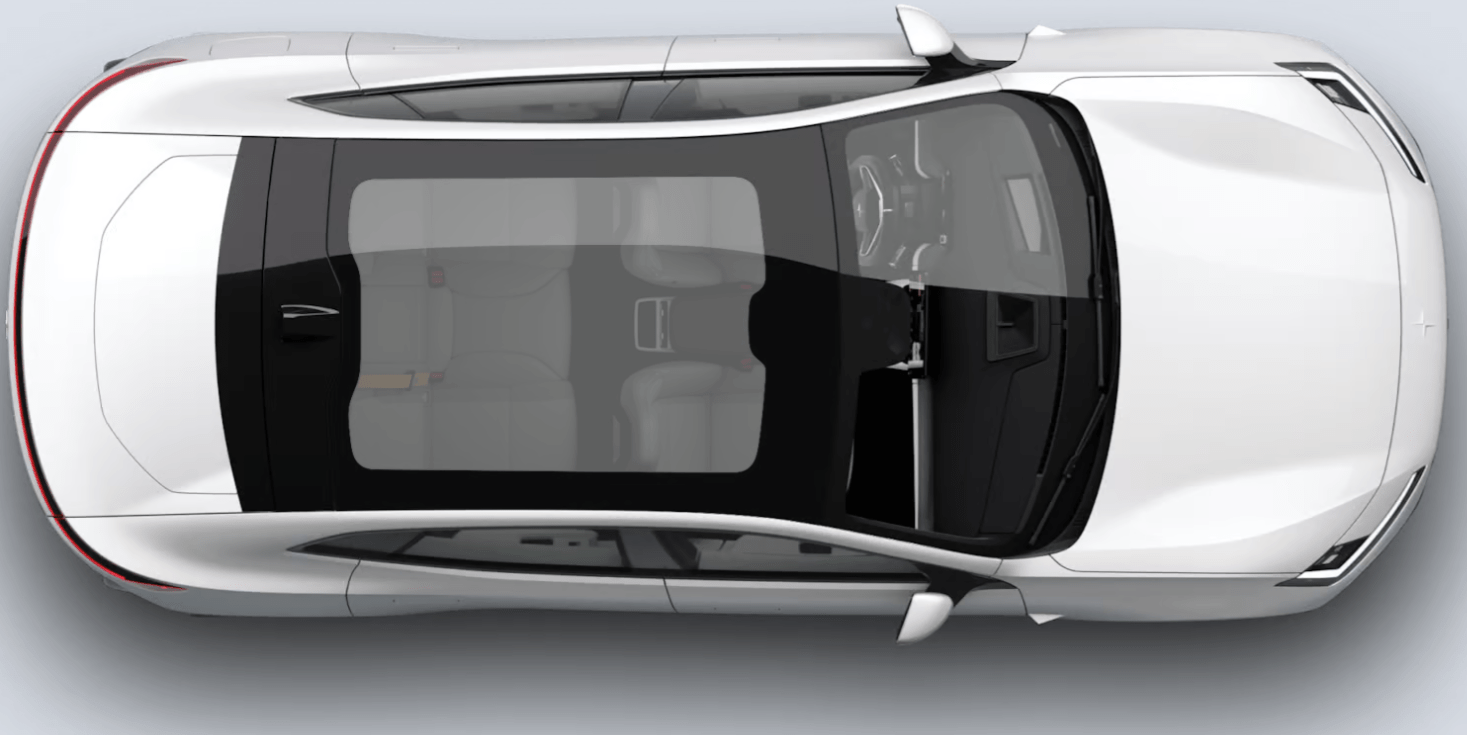
Have you guys seen the new Polestar 4? This electric SUV is setting the competition ablaze, and for good reason. Polestar, the Swedish automaker co-owned by Volvo and Geely, is coming in hot with a serious contender to the Tesla Model Y throne. Alright Gearheads, buckle up! We’re about to dissect this electric beast and