Electric vehicles (EVs) are becoming increasingly popular, and Tesla is a leading automaker in this space. One of the most common questions people have about EVs is charging time. How long does it take to charge a Tesla?
The answer depends on a few factors, including:
Battery size: Larger battery packs take longer to charge than smaller ones.
Temperature: Extreme temperatures can slow down charging.
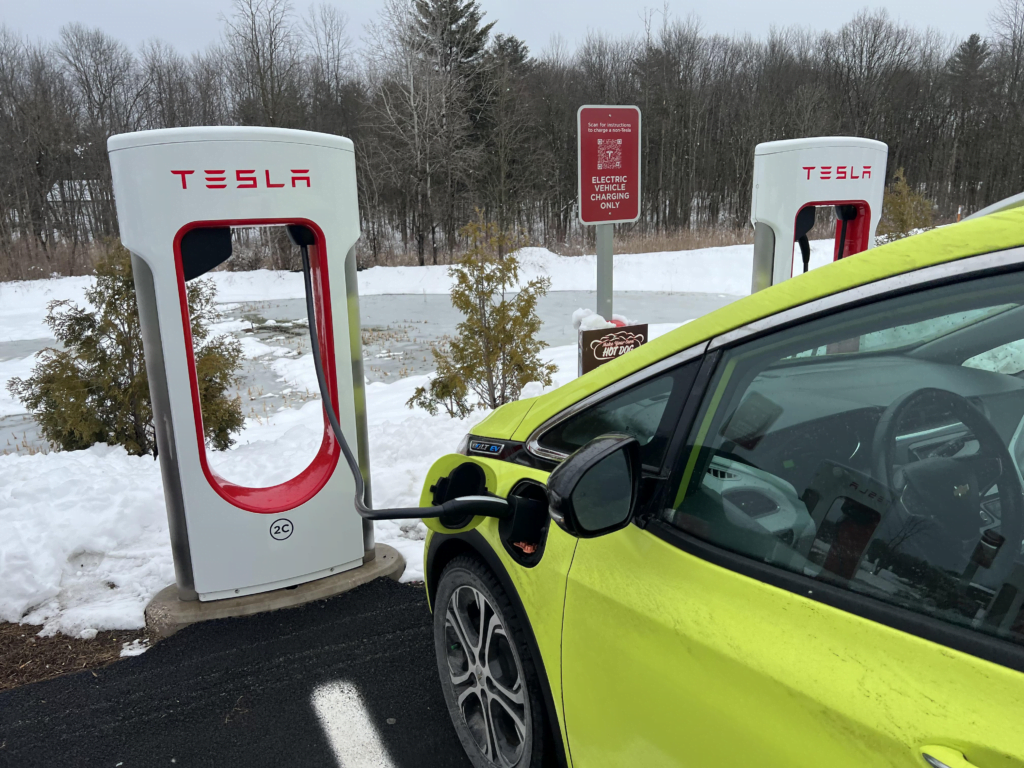
Type of charger: Tesla offers a variety of charging options, from home chargers to Superchargers. Superchargers are the fastest way to charge a Tesla, delivering up to 250 kilowatts (kW) of power. This can charge a Tesla Model 3 to 80% in just 15-20 minutes.
How Long Does it Take to Charge a Tesla with a Supercharger?
Tesla Superchargers are the fastest way to charge a Tesla. They can deliver up to 250 kW of power, which can charge a Tesla Model 3 to 80% in 15-20 minutes. This is significantly faster than other charging options.
How Long Does it Take to Charge a Tesla with a Home Charger?
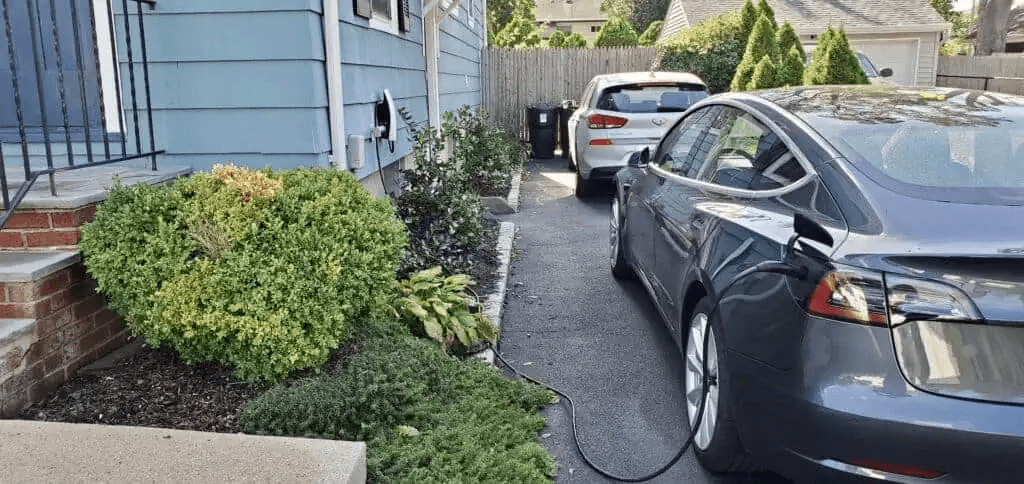
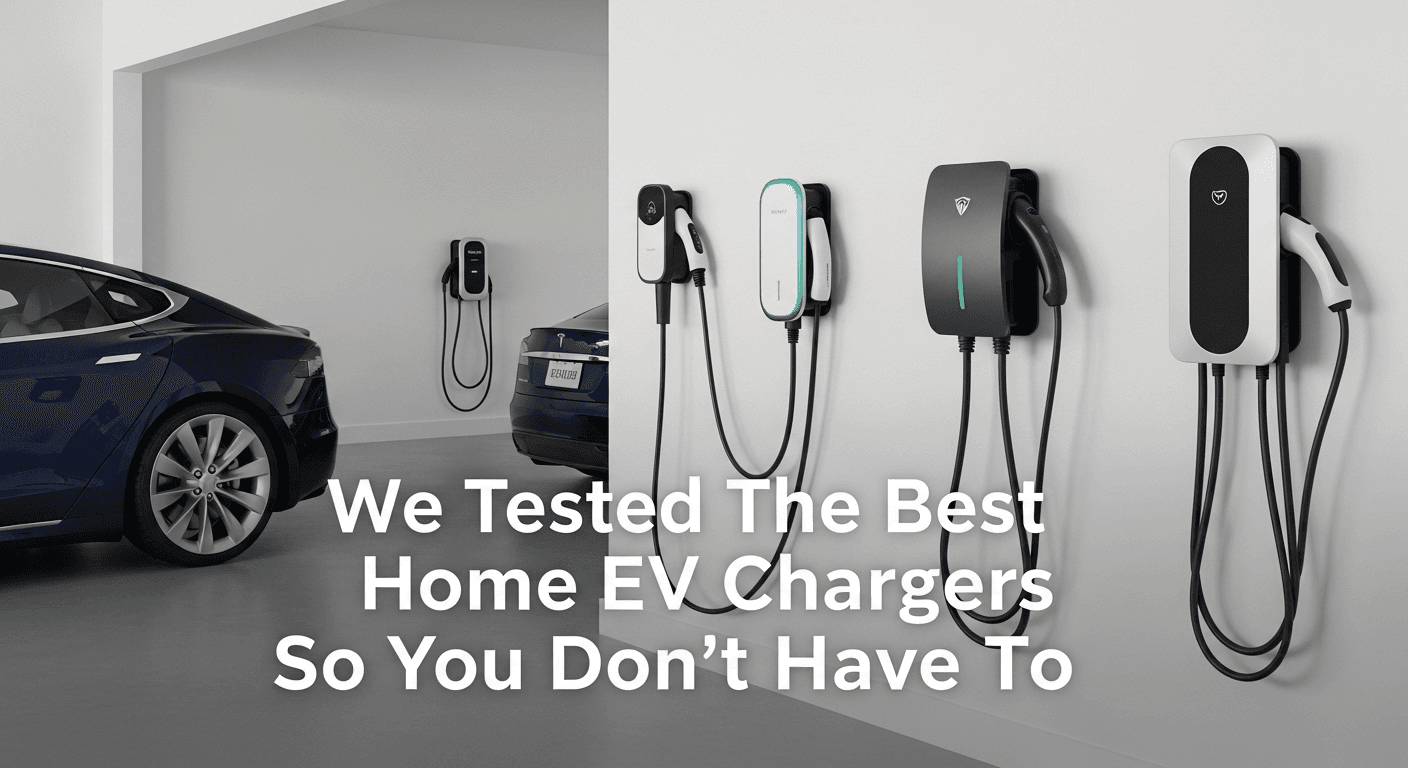
Tesla offers a variety of home charging options, including the Wall Connector and the Mobile Connector. The Wall Connector is a more powerful option that can charge a Tesla Model 3 in about 6-10 hours. The Mobile Connector is a less powerful option that can take up to 48 hours to charge a Tesla Model 3.
How Long Does it Take to Charge a Tesla with a Standard Outlet?
It is not recommended to charge a Tesla with a standard outlet (120v). This is the slowest charging option and can take up to 3-4 days to fully charge a Tesla Model 3. It is only recommended for emergencies.
Factors Affecting Charging Speed
As mentioned earlier, a few factors can affect how long it takes to charge a Tesla. These include:
Battery size: Larger battery packs take longer to charge than smaller ones.
Temperature: Extreme temperatures can slow down charging. Ideally, you want to charge your Tesla in a temperature-controlled environment.
Charger type: Tesla Superchargers are the fastest way to charge a Tesla. Home chargers and standard outlets are slower.
Tesla model: Different Tesla models have different battery sizes. For example, a Tesla Model S has a larger battery pack than a Tesla Model 3 and will take longer to charge.
In conclusion, the time it takes to charge a Tesla depends on a few factors. However, with Tesla’s Supercharger network, you can quickly charge your Tesla on the go. Home chargers are a convenient option for overnight charging, but they are not as fast as Superchargers. Standard outlets are the slowest charging option and should only be used in emergencies.
Suhas Shrikant is the founder of Vecharged and an engineering enthusiast specializing in high-power off-grid solar systems. He has designed and built over a dozen custom systems and uses his hands-on, field-tested experience to create Vecharged’s expert guides and reviews.
Vecharged is the consumer protection and education initiative of Cleanpower.eco, an organization dedicated to providing a clear, unbiased, and authoritative voice in the clean energy transition. The experts at Cleanpower.eco recognized a critical crisis of trust: the shift to electric vehicles and solar power is one of the most important and expensive decisions a family will make. Yet, the landscape is flooded with biased reviews, confusing marketing, and paid-for endorsements. Vecharged was created to be the shield against that confusion. We were founded on a simple, non-negotiable constitution: We are radically independent. We accept no advertising, sponsorships, or paid placements from any product manufacturer. We have no commercial interest in the products we review. Our only metric for success is your empowerment. Our loyalty is to you, the consumer. Full stop. We ground our brutally honest, hands-on analysis in a deep, foundational understanding of the engineering. We are not just reviewers; we are your advocates.
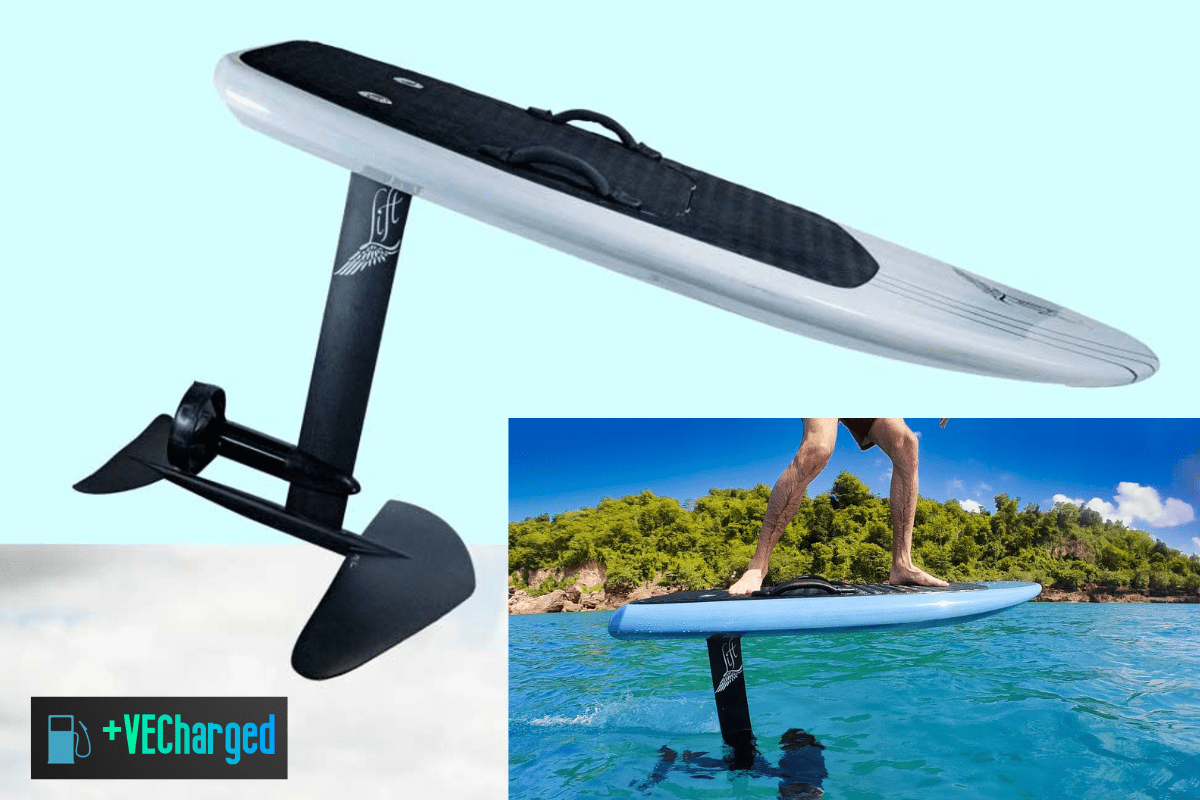
Imagine flying effortlessly above the water’s surface, powered by nothing but silence and cutting-edge technology. That’s the magic of the Lift eFoil, a revolutionary electric hydrofoil surfboard that’s redefining the way we interact with water. What is a Lift eFoil? In simple terms, a Lift eFoil is a surfboard with a high-tech twist. Underneath
The Different Types of Outdoor Solar Lights Outdoor solar lights have become increasingly popular in recent years due to their energy efficiency and convenience. These lights harness the power of the sun to provide illumination for outdoor spaces, without the need for traditional electrical wiring or batteries. In this article, we will explore the different
Benefits of Using a Solar Pool Heater Tired of your pool being too cold for half the year? Want to cut your energy bills and reduce your environmental impact? Solar pool heaters offer the perfect solution. They harness the sun’s free energy to extend your swim season, save you money, and boost your sustainability efforts.
Interactive: Roof Space & Panel Count Visualizer Desired System Size (kW) 8.0 kW Using 400W Panels — Panels Needed — m² Est. Roof Space Using 500W Panels — Panels Needed — m² Est. Roof Space The “bigger is better” argument seems obvious, but the reality of weight, roof space, and system design is far more